
Buy a Greenhouse: Spring Cleaning, Plants & Setup
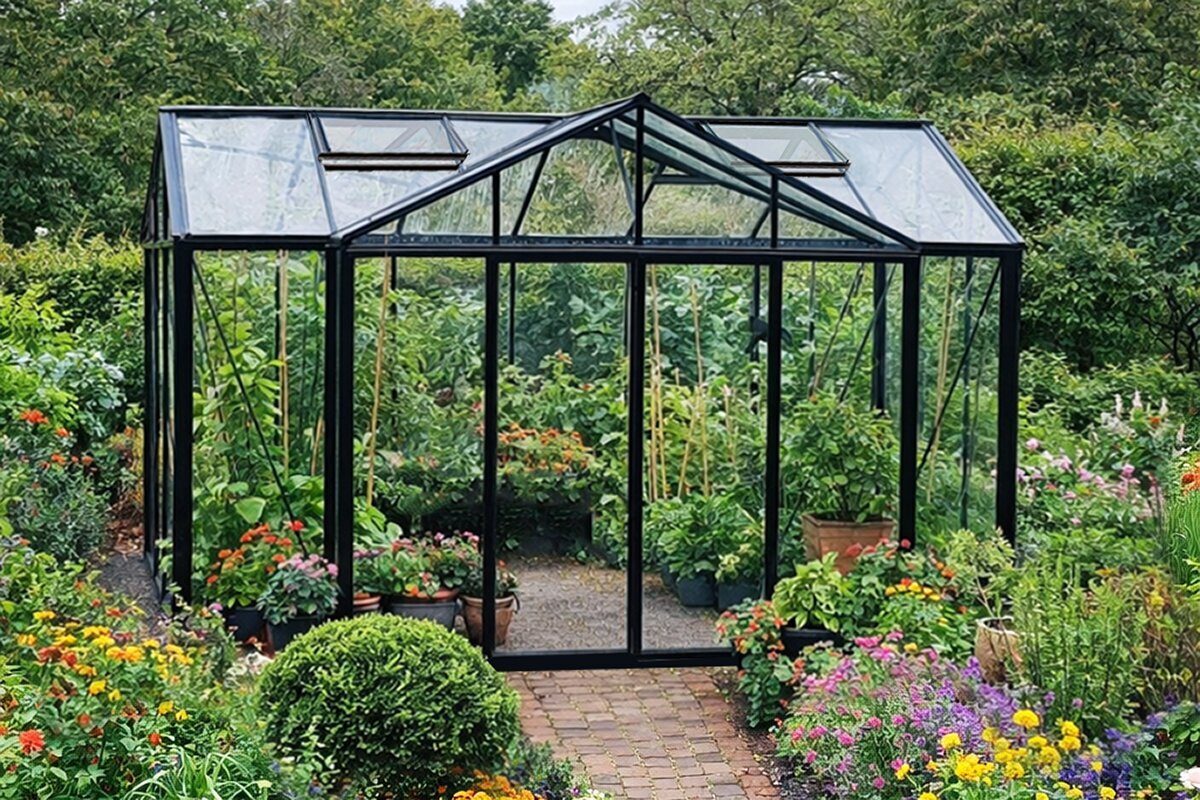
The ultimate New Zealand spring greenhouse guide: cleaning, planting and setup
Spring is a crucial season for every greenhouse owner: a quiet winter space becomes a productive microclimate that supports growth, flowering and harvests. This period often determines whether your greenhouse becomes a high-performing garden asset or simply a shelter. Careful spring preparation promotes healthier plants, better yields and far fewer disease or pest issues as the season progresses.
In New Zealand, spring weather can begin cool and change quickly between sunshine, wind and rain, so a greenhouse offers major advantages. More gardeners choose to buy a greenhouse to start sowing earlier, protect tender plants and continue growing well into autumn. A quality greenhouse is more than an accessory; it is a purposeful garden feature, much like a garden house, summerhouse or timber garden building that improves the whole outdoor area.
This detailed Bloomcabin guide is tailored to New Zealand gardening conditions. It explains how to clean, arrange, plant and use an aluminium, glass or polycarbonate greenhouse efficiently over time. Whether you already own one or plan to buy a greenhouse, this article gives you a practical step-by-step approach for a successful season.
Why spring preparation shapes your growing success
Many home gardeners sow seeds as soon as the first mild days arrive. Experienced greenhouse growers know that preparation matters more than rushing. Dirty glazing limits light, old plant matter can harbour disease, and small frame faults may allow warmth to escape. A poorly prepared greenhouse works against you; a well-prepared one works with you.
Once you see how much an organised greenhouse can improve a harvest, it is easy to understand why so many people buy a greenhouse. It creates a managed environment, protects crops from weather extremes and greatly improves success with tender varieties. Aluminium greenhouse models are especially popular because they are durable, stable and easy to maintain—qualities associated with Bloomcabin.
Preparation involves more than cleaning; it also means planning. Decide where plants will stand, how air will move and how water will be supplied. These elements work together like an ecosystem. If one is poorly managed, plant development can suffer throughout the space. Professional growers therefore begin each season with a complete spring inspection.
Complete greenhouse cleaning: step by step
1. Check the structure
Inspect the frame, screws, glazing, door seals and vent windows. Winter storms can loosen components or create small gaps. Repairing these areas early helps retain warmth inside later in the season.
2. Empty everything out
Remove every pot, tool, plant remnant and loose soil. An empty space is easier to clean thoroughly and gives pests fewer places to survive.
3. Clean for the material
- Aluminium frames: warm water and mild detergent.
- Glass panes: clean gently, then rinse thoroughly.
- Polycarbonate: use only soft sponges and mild solutions.
When you buy a greenhouse, include suitable care supplies in your plans. Regular cleaning extends its service life and maintains maximum light transmission, an important factor for plant growth and yield.
4. Sanitise pots and tools
Clean containers can greatly reduce fungal disease. This step is often overlooked, yet it is one of the most important foundations for healthy seedlings.
5. Check soil and drainage
Standing water raises humidity and encourages mould. Make sure water can drain freely and that no puddles remain inside the greenhouse.
What to arrange before planting
Ventilation
Even in spring, a greenhouse can become very hot on a sunny day. Effective ventilation prevents overheating and strengthens plants. Many gardeners who buy a greenhouse also choose automatic window openers to help keep temperatures steadier.
Watering
Reliable water supply is essential. Watering in the morning helps reduce fungal problems. Drip irrigation systems are particularly efficient and save time.
Space planning
Divide your greenhouse into zones: a propagation area, a growing area and a production area. This layout improves oversight and makes work more efficient.
What to plant in a greenhouse in spring
Early crops
Lettuce, spinach, peas and onions grow well in cooler conditions. They are ideal crops for the start of the season.
Warm-season plants
Tomatoes, cucumbers and capsicums benefit enormously from protected conditions. These crops are a key reason many people choose to buy a greenhouse.
Fast harvests
Radishes and herbs grow quickly and deliver early results—perfect for building confidence and experience.
Best plants for beginners
- Tomatoes
- Cucumbers
- Lettuce
- Basil
- Strawberries
- Spinach
- Marigolds
These plants are resilient and can produce reliably. Beginners who buy a greenhouse often achieve very good results with these choices.
Professional tips for bigger harvests
- Use vertical supports.
- Use lukewarm water.
- Add flowering plants for pollinators.
- Harvest regularly.
- Allow enough plant spacing.
Professionals use these techniques because they deliver strong results without much extra effort. Many gardeners only realise after trying them why it makes sense to buy a quality greenhouse rather than choose a cheap model. Quality can pay off over the long term.
Avoid common mistakes
- Planting too early
- Planting too closely
- Poor ventilation
- Irregular watering
- Skipping cleaning
These mistakes cause many greenhouse problems, but they are easy to avoid when you begin the season well prepared.
An ideal spring schedule
Late winter: clean and inspect.
Early spring: sow early crops.
Mid-spring: start summer crops.
Late spring: transplant permanently.
A clear plan reduces stress and supports continuous production throughout the growing season.
Why more people choose to buy a greenhouse
A greenhouse extends the growing season, protects plants from weather extremes and increases yields. Even smaller models can hold temperatures several degrees above outdoor conditions. Once you have gardened with a greenhouse, it is difficult to imagine doing without one.
After their first season, many gardeners decide to buy a larger or higher-quality greenhouse. They find that a robust model made with durable materials is not only practical, but also enhances the garden visually—much like an elegant garden house or stylish summerhouse.
Seasonal promotions and discounts can also make getting started easier. A carefully chosen discounted greenhouse can offer a good entry point without compromising on quality.
Conclusion: the perfect greenhouse season start
A greenhouse is much more than a glass or plastic structure. It is a controlled ecosystem that lets you guide growth actively. Clean it, set it up and plant thoughtfully in spring, and it can become the most productive part of your garden.
If you are considering buying a greenhouse, remember the most important rule: clean first, organise second, then plant. This sequence supports healthy plants, stronger harvests and a rewarding growing season.
Bloomcabin quality tip: The best greenhouse is not necessarily the largest one, but the model that suits your climate, available space and gardening goals. A quality model is a long-term investment in harvests, comfort and gardening enjoyment.
