
How to Buy a Modern Flat-Roof Garden Shed
Garden sheds
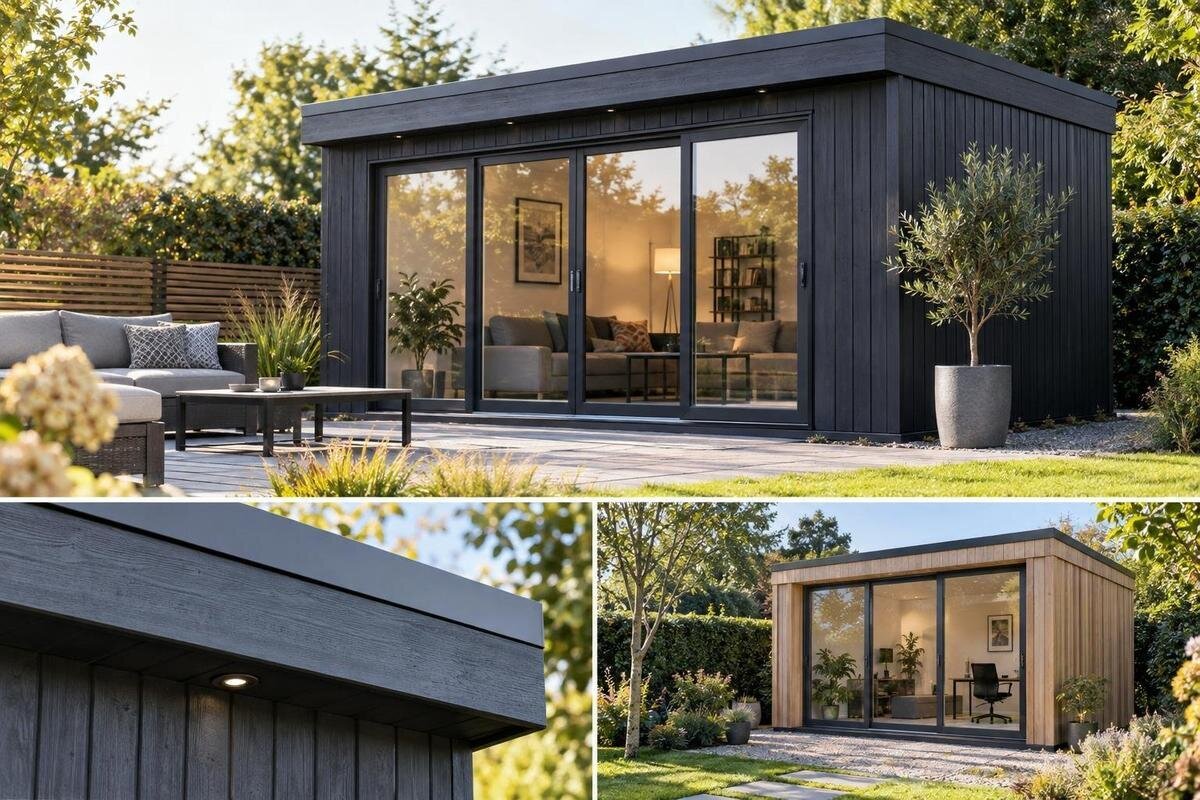
To buy a modern flat-roof garden shed, look beyond the low-profile shape. The right choice depends on what you will store or do inside, how much room the building and its doors need, and how the roof, base and materials suit the site. Check the written specification and order details before relying on a product photograph: a contemporary appearance cannot confirm dimensions, drainage or what comes in the package.
Decide what the shed is for
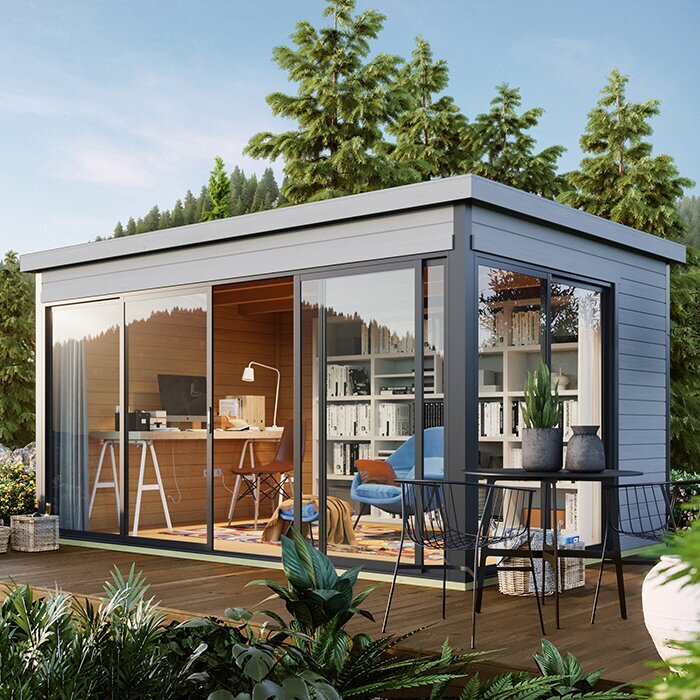
Before browsing, decide what the shed must hold and how often you will use it. List bulky or awkward items such as a mower, long-handled tools, potting gear, outdoor cushions or bikes, then note what must stay upright, dry or easy to reach. Allow room to lift, turn and remove things, not just a footprint where they might sit. Frequently used equipment needs a practical route in and out; seasonal gear can be arranged differently. If you intend to work inside rather than use the building mainly for storage, treat that as a separate requirement and confirm the product details support that purpose. A contemporary exterior or a spacious-looking photograph does not establish that the interior is suitable for regular work.
Separate must-haves from preferences. Your essential list might include a doorway that takes the largest item, enough floor space to sort things without emptying half the shed, or wall area for storage; colour and styling can be compared afterwards. Measure awkward gear in the position it will pass through the entrance, and think about the order in which you will use it. A simple list also makes it easier to spot when a smaller footprint sacrifices access you rely on. The garden shed Verdana 1 listing is one candidate to assess against that written brief; check its stated purpose and layout rather than reading suitability into its name or appearance.
Compare the full dimensions, not just the footprint
A listed width and depth can describe the external walls, roof edge or another measurement point, so establish what each figure covers. For a fair comparison, note the outer footprint, any roof overhang and the usable floor dimensions separately. The inside will be smaller than the outside where walls take up space, and product drawings may show dimensions to different edges. If a listing gives only one set of numbers, ask which faces or points they refer to before assuming the whole area is available for storage. Mark the proposed dimensions on a simple plan of the site; that makes it easier to compare options without relying on a photograph’s apparent scale.
Check height as carefully as width and depth. A listing may give the overall height, wall height or another measurement, and a sloping roof can mean the clearance changes across the interior. Confirm the doorway’s clear width and height, including any frame or threshold that affects access. If you want to store tall equipment or add shelves, look for a drawing that shows the relevant dimensions rather than guessing from the roofline. Compare the current details for garden shed Verdana 2 with other options, and seek clarification if you cannot tell whether a measurement is internal or external.
Check what “flat roof” means in the specification
A flat-roof description often points to a low-profile appearance, not a roof that is perfectly level. Check the product information for the roof’s actual construction, any fall, the covering supplied and the way rainwater is managed. Look for details about gutters or outlets where relevant, and consider where water will run off in relation to doors, paths and nearby buildings. Do not assume that a gutter, downpipe or particular covering is included simply because a product image shows one. If the listing does not explain the roof arrangement, ask the supplier for the specifications before deciding that the design suits your site.
Consider the conditions where the shed will sit rather than treating one roof description as suitable everywhere. Rainfall, wind exposure, nearby trees and the amount of shelter can differ from one section to another. Check what the manufacturer says about the exact model and its installation requirements; ask a qualified professional about site-specific concerns you cannot resolve from the product information. For a listing such as Durano garden shed, inspect the stated roof details instead of inferring the roof type or performance from the name or styling. Do not plan to stand on or store items on the roof unless the manufacturer explicitly confirms it is designed for that use.
Assess the shed against the site
Look at the proposed position in relation to the house, fences, paths and other buildings. A modern, low-profile shed may complement the lines of a home, but it still needs a practical route from the garden and enough room to use its entrance. Consider what you will see from inside the house, whether the shed blocks a route you use, and whether nearby trees or structures affect access and upkeep. These are site-specific questions: a design that looks balanced in a product photograph may feel too prominent or awkward once its full outline is marked on your section.
Measure the area at ground level and account for roof edges or other projections shown in the product details. Check where the doors open, whether you can walk around the building when needed, and whether the site allows room for the intended assembly process. Also think about how a delivered package would reach the chosen spot; a clear building site does not necessarily mean there is a clear route through a gate or along a narrow path. Apply the same checks to the Veltor 1 garden shed as to any other candidate, and confirm the current dimensions before treating it as a fit.
Compare materials and maintenance
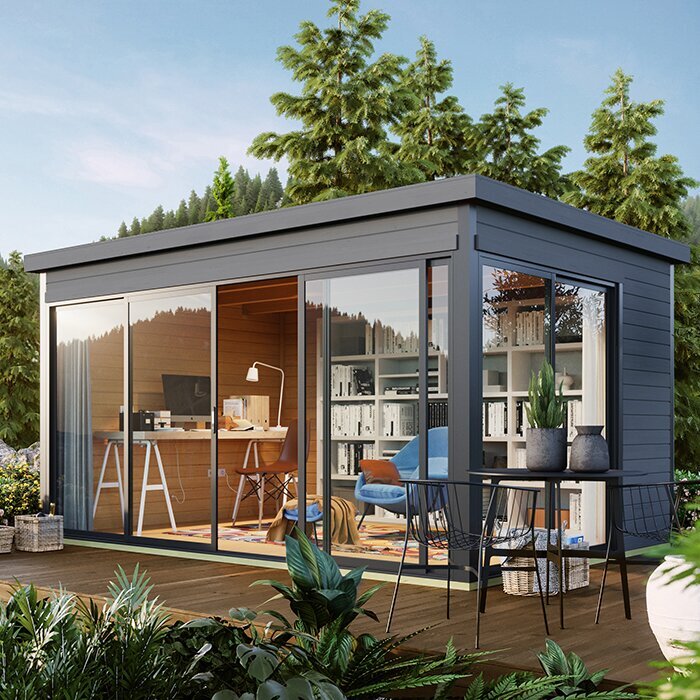
Compare the stated materials for the frame, walls, roof and floor rather than relying on a broad label such as timber or metal. Those parts can have different finishes and care requirements, and a product description may not explain every component. Check whether the listing identifies the construction and any treatment or coating, and ask for more detail if it does not. This is useful when comparing timber, metal or composite designs: the material name alone does not tell you how the whole shed is built or what is supplied. Match the information to the way you expect to use the building and the conditions at its proposed location.
Think about the upkeep you are prepared to do over time. Read the manufacturer’s care instructions for cleaning, protecting finishes and checking exposed parts; do not assume that two sheds with similar appearances need the same attention. If the site has strong sun, frequent wetting or salt exposure, ask what care is recommended for the materials in that specific model. The Orello 1 garden shed can be considered alongside other listings, but use its written materials and maintenance information rather than inferring either from its name or images. Missing details are a reason to ask before purchase, not a reason to guess.
Check doors, windows and usable access
The entrance affects whether the shed works for your everyday equipment. Compare the clear opening with the dimensions of the largest item you need to move inside, allowing for handles, wheels or other parts that stick out. Consider where the door travels when opened: a hinged door needs room to swing, while other opening styles have their own requirements. Check thresholds and the route from the garden path as well as the opening itself. A broad-looking doorway in a photograph may not give you the clearance you need, so rely on measured information for the exact model.
Windows and glazed areas can change how much light comes in, what can be seen from outside and where you can position the shed. Check whether windows open or are fixed, whether ventilation is described, and what details are provided about glazing and door security. Do not treat a photograph as confirmation of the glass type, ventilation or locking arrangement. When reviewing the Modano 1 garden shed, look for written information on the doors and windows and ask about anything important that is not specified. Give the opening layout weight alongside appearance, particularly if you will move equipment in and out often.
Confirm the base and site-preparation requirements
Find out what the package includes before arranging the site. A shed may be supplied with some floor or base components, or those items may need to be sourced separately; check the current product details rather than assuming. Read the installation instructions for the surface the manufacturer requires and any preparation or tolerances that matter. The base needs to suit the structure and the actual ground conditions, so do not choose a solution from a picture alone. If the site is uneven, soft, sloped or otherwise difficult to assess, ask the manufacturer or a qualified installer what needs to be resolved before the shed is assembled.
Check whether the instructions specify how the structure is to be secured and what parts, if any, are supplied for that purpose. Ask who is responsible for preparing the site and whether assembly requires clear access to each side of the building. These details can affect both the location and the order you place, especially if the shed is difficult to move once set up. For garden shed M, as with any candidate, confirm the base, floor and installation requirements from the product information; do not infer them from a model name or assume every visible component is included.
Judge the flat-roof design in context
Once the practical requirements are clear, compare how each design will look beside your home and garden. A low roofline can create a more restrained silhouette than a taller profile, but proportions still matter: consider the building’s overall height and width in relation to fences, windows and nearby planting. Look at the exterior finish and colour options stated for the model, and think about whether they work with the existing setting. If the shed will be visible from several parts of the house or garden, judge it from those viewpoints as well as from the product image.
Use photographs to assess appearance, not to estimate precise size or confirm which variant you will receive. Product images may not show every finish or option, so check that the written details match the version you intend to order. If colour, glazing or roof edges matter to the way the building will sit in your garden, ask whether images represent the exact configuration. The garden shed S listing can be compared by the same method: consider its stated form and options, and avoid reading dimensions or materials into the model name.
Work out the complete order and delivery requirements
Compare the full purchase, not only the displayed price. Check the package contents, and ask whether the quoted amount includes the components you need, such as a floor, roof covering or fittings, where applicable. Confirm any separate charges for delivery, unloading or assembly, and whether the seller can deliver to your address and chosen location on the property. The terms may vary, so use the current information for the exact order rather than relying on a general description. A written breakdown makes it easier to compare two sheds with different inclusions and to budget for any work needed before installation.
Think through the delivery route before placing an order. Check access through gates and along paths, including turns and overhead obstructions, and find out how the package will be unloaded and moved to the site. Ask what preparation is expected before delivery, who assembles the shed and what happens if a part is missing or damaged. Review the current delivery, returns and warranty terms rather than assuming they are the same across sellers or models. If the product information does not give a delivery window or explain the process for your address, confirm those details directly before making plans around a particular date.
Compare finalists before you place an order
Put the strongest options side by side and compare the same points for each: intended use, usable floor area, outside dimensions, height, doorway, roof details, materials, base requirements and package contents. Separate requirements that must be met from features you would simply like. A model that looks right but leaves too little room for a regular task may be a poorer choice than one with a simpler appearance and a more useful layout. Check that each set of details applies to the exact version you are considering, since images, names and variants can otherwise make comparisons misleading.
Resolve unanswered questions before paying. Ask the supplier for written clarification about any missing measurements, roof or installation detail, included components, delivery arrangements or maintenance instructions that affect your decision. If local planning, boundary or site conditions may affect the proposed position, check with the relevant local authority or a qualified building professional rather than relying on a product description. Technical questions about the base or roof may also need advice from an experienced installer. Once the practical requirements and order terms are clear, choose the design that fits your actual use and section—not simply the one with the most striking flat-roof profile.
Frequently asked questions
Does a flat-roof garden shed have a completely level roof?
Not necessarily. “Flat roof” can describe the low-profile look, so check the product information for the roof’s shape, covering and drainage arrangements. Ask the supplier if the details are unclear; do not assume that water will drain in a particular direction.
How much room should I allow around the shed?
Allow for the full outside footprint, including any roof projections, and for doors to open as intended. You may also need access for delivery, assembly and maintenance. Check the installation instructions for the clearances required for the particular model and site.
What measurements matter most when comparing garden sheds?
Compare the outside dimensions, usable floor space, overall height and clear doorway width and height. Check which edges the listed measurements refer to, and measure any large item you want to store so you can check that it will fit through the entrance.
Can I assume a flat roof will suit a wet or exposed site?
No. The roof’s appearance alone does not establish its weather suitability. Check the written details for the exact model, including roof construction and water management, and ask the supplier or a qualified professional about any site-specific concerns.
Is the base or floor included with a garden shed?
Do not assume it is. Read the package contents and installation instructions to find out what is supplied, what surface is required and whether separate base or anchoring items are needed. Ask for clarification before ordering if those details are missing.
A good flat-roof garden shed is a match for the job and the place it will occupy, not just an appealing outline. Use measured dimensions to check access and capacity, then confirm the roof, materials, base, package contents and delivery arrangements for the exact model. That makes it easier to choose a modern design that fits the way you use your garden and avoids surprises when the order arrives.
