
Buying a Small Garden Shed for a Compact Section
Garden shed buying guide
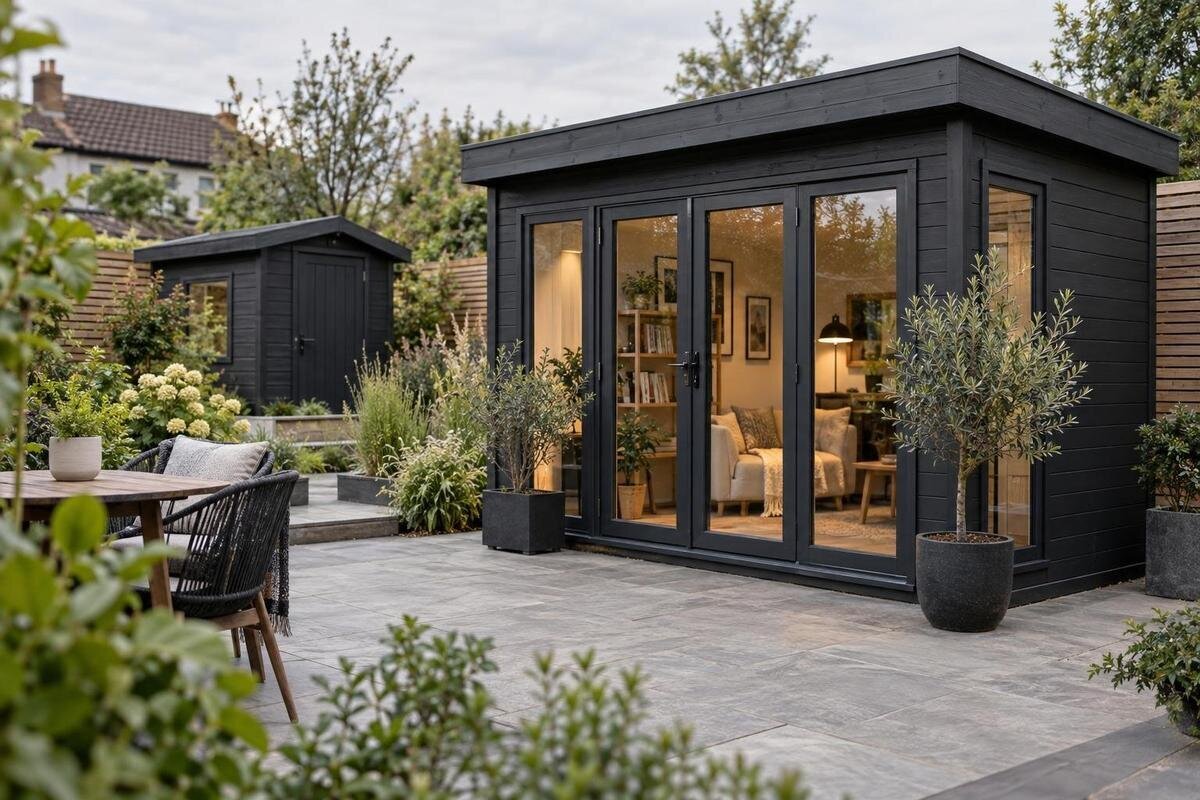
If you want to buy a small garden shed for a compact section, begin with the space available—not a catalogue size. The footprint is only part of the decision: access, doorway clearance, storage layout and delivery route all affect whether a shed works in everyday use. Measure the site and the largest items first, then compare written product details. These checks help you find a compact garden shed that fits without taking over a path or leaving equipment difficult to reach.
Measure the space you can give up
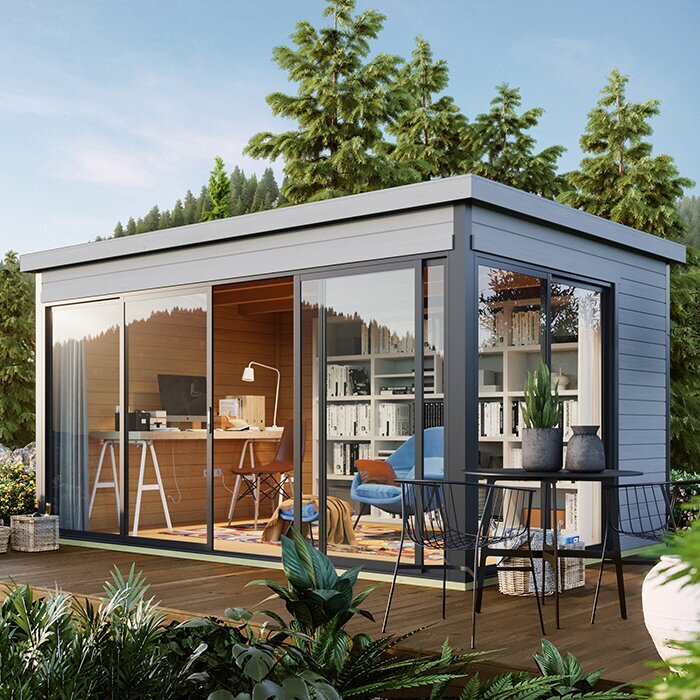
Measure the clear length and width of the intended spot in millimetres, not just the area you hope to occupy. Check more than one point where a fence, path or wall isn’t square, and note fixed features such as downpipes, taps, meter boxes, steps, trees and existing structures. Include a gap for reaching anything that must remain accessible, along with a route past the shed. Sketch the measurements and label what can’t move. When you inspect the Verdana 1 garden shed listing, record dimensions shown in its written details or drawings; neither a model name nor a product image is a reliable scale. If the boundary is unclear, confirm it before relying on the plan.
Separate a base or floor measurement from the overall external dimensions. A listing may show more than one size, while the roofline, eaves or other projections can extend beyond the walls. Check where each measurement begins and ends, and whether the full footprint includes those projections. Note the overall height too, including nearby trees or overhead features. If the diagram doesn’t make the measurement points clear, ask before ordering. Record the figures beside your site measurements: comparing one shed’s floor dimensions with another’s roof dimensions can give a false sense of fit. On a compact section, that difference can take up the room needed for a path or gate.
List what you need to store
List what you expect to store before deciding how small the shed can be. Measure bulky items first—perhaps a mower, bike, wheelbarrow, bins, long-handled tools or outdoor cushions—and note their length, width and height. Record whether they need to go in together or are carried in and out often. A footprint may look generous until the largest item can’t pass through the doorway or be positioned without moving everything else. Use the Verdana 2 garden shed listing as one candidate to assess against your own inventory, rather than assuming its name signals a particular capacity. Keep seasonal items separate so you can judge how often you need access to them.
Think about the shape of storage, not just its total volume. A tall object needs clear height along its route; a bike or mower needs space for handles and wheels, not simply a matching floor length. Decide whether you expect to add freestanding shelves, hooks or a work surface, then check whether those items are included or must be sourced separately. Leave an aisle to reach things at the back, and decide where frequently used tools will sit. For occasional storage, you may accept a tighter arrangement; for everyday use, leave more clear floor space. Measure the room you need to handle an item, not only the space it occupies when parked.
Check the entrance and the route to it
Trace the whole journey from the driveway or street to the proposed spot. Measure the narrowest gate, passage and turn, and note steps, uneven pavers, low branches or other obstacles. The shed may fit its final position but still be awkward to bring into the section if it arrives in large components. Measure the clear doorway opening, not only the outside of the door: bulky gear has to pass through the usable gap. Compare the published entry dimensions and opening position for a candidate such as the Durano garden shed listing, using written specifications rather than its name or photograph. If the route bends, consider turning space as well as the straight-line width.
Door operation changes how much of the surrounding space remains usable. An outward-opening door needs room for its sweep and for someone to stand clear; an inward-opening one can compete with stored items; a sliding arrangement may need unobstructed wall space. These are general layout checks, not assumptions about any named model, so confirm the actual door type, direction and dimensions before buying. Consider opening the door while carrying a tool or moving a machine, and check whether it blocks a path or gate. If the listing doesn’t show a plan or clearly state the opening details, ask for a drawing before you commit.
Choose a position that keeps everyday access clear
A compact section often has one apparently spare spot that is already part of a route between the house, washing line, bins, garden beds or a gate. Mark those everyday movements on your plan before settling on a position. Note where existing gates open, and keep access to anything that still needs to be reached. Don’t count a narrow leftover strip as useful clearance without considering what happens there. Face the entrance towards an approach you can use, rather than a fence or bed that forces awkward manoeuvring. Add Veltor 1 to your shortlist only after checking its stated external dimensions against that layout.
Look at the location at different times and after rain. Note shade, falling leaves, branches, runoff, areas that hold water, and nearby windows or outdoor seating if privacy matters. A shed roof or wall can affect where water falls, so consider its position in relation to existing paths and buildings rather than assuming a small structure has no effect. Follow the supplier’s stated site and base requirements. If the ground slopes, seems unstable or sits close to a retaining edge or buried services, ask a suitable site professional before ordering. Don’t choose a spot simply because the shed fits on a sketch.
Test the interior layout against your storage list
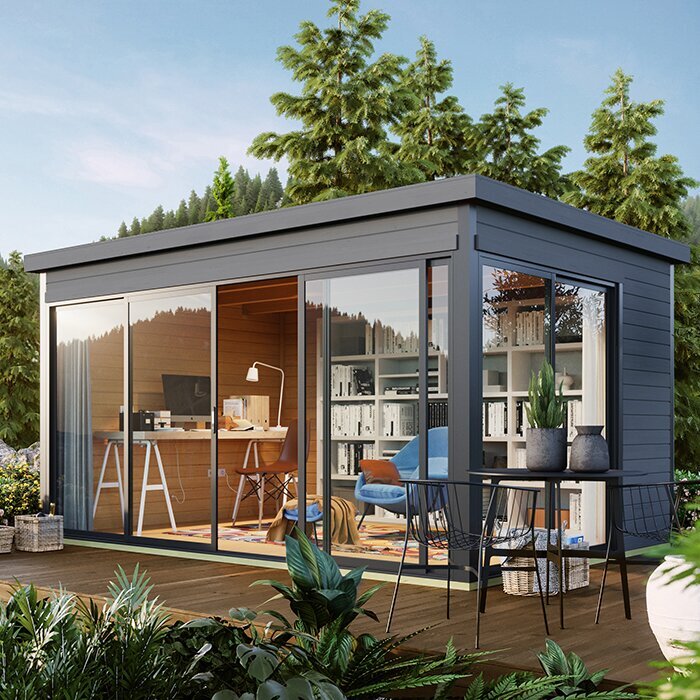
Use the interior layout to test whether the measured items can actually fit. External dimensions include the wall structure and projections, so usable space inside will be smaller; check internal measurements if the seller provides them. Look at the roof shape and height at the edges as well as at the centre, especially for tall tools or shelves. If only overall dimensions are shown, don’t treat them as interior measurements. On the Orello 1 listing, compare figures that are explicitly identified with the sizes on your inventory, and ask if internal and external dimensions aren’t distinguished. A plan can also show whether the doorway interrupts a wall where you hoped to put storage.
Map the inside with simple rectangles on paper: the mower footprint, bike length, shelf depth and a clear route to the door. This can reveal dead space behind a door or in a corner before you pay. Decide what has priority if the space is tight; a shelf that adds storage may make larger items harder to turn or remove. Check whether a floor, shelves, hooks or other fittings are part of the selected configuration or shown only as optional extras. If nothing is specified, plan around a bare interior rather than assuming accessories are included. Also consider whether the most-used item can be reached without unloading the rest.
Decide whether light, privacy or other features matter
Some buyers want a simple store for garden tools; others value daylight when sorting gear or doing occasional potting. Decide which matters on your section before comparing windows, glazed panels or door arrangements. Check the description and plan for the location of any opening and what it faces; a photograph can conceal a wall or show an angle that doesn’t match your intended orientation. If the garden is overlooked, consider views from neighbouring windows or outdoor seating. The Modano 1 garden shed page can be assessed in the same way: look for written details, and don’t infer openings, light or privacy from the model name alone.
Treat ventilation and security as separate buying questions rather than assuming a window or door resolves both. Check what the listing says about ventilation features, glazing, locks and supplied hardware; ask if a detail matters but isn’t described. On a small section, the visible side may sit close to a house or neighbour, so appearance can matter, but it shouldn’t override access or footprint. If you plan to use the shed regularly for an activity beyond storage, confirm with the manufacturer that the particular model is intended for that use. If your plans depend on site services, check what the product and site support rather than assuming they are provided.
Check materials, finish and upkeep
Compare materials and finish from the actual product information, component by component. Find out what the walls, roof, floor and doors are made from, whether a finish or treatment is specified, and what roof covering or hardware is included. A model name or photograph alone doesn’t establish those details. On the Timber Garden Shed M listing, as with any shortlisted option, use the written specification as your evidence; if a part is unclear, request confirmation before treating it as included. Check whether the stated dimensions refer to the complete supplied configuration, and whether the floor and fixings you expect are listed.
Maintenance affects whether a compact shed stays convenient. Read care instructions for the supplied material and finish, and consider whether the site lets you reach the sides that need upkeep. Rely on manufacturer guidance for any suggested treatment or maintenance interval; don’t assume a material or finish is maintenance-free. Note coatings or extra items you would need to buy separately, and include them in your budget comparison. If comparing timber, metal or composite options, base the decision on documented construction and care rather than a broad claim that one material always lasts longer. Check that any specified preparation can be completed in the space available.
Confirm delivery access and what is included
Check delivery details against both the route and the space available for unloading. A shed with a modest footprint can still arrive in packages that need a clear path, a turning area or suitable handling. Confirm package dimensions and weight if provided, where delivery can be left, and whether access restrictions need to be raised before checkout. For the Wooden Garden Shed S listing, use the order details to verify the product identity and any stated delivery requirements; don’t assume a small-sounding model will be straightforward to move through a narrow gate. If package measurements or handling information aren’t available, ask before ordering.
Read the contents list and identify what is included, optional or not supplied. Check the components for the configuration you want, together with any stated base, flooring or roofing arrangements; never assume these from a photo. If someone else will assemble or prepare the site, establish their responsibilities and whether access or unloading affects their quote. Compare the expected purchase cost, including separately needed items and any delivery charges shown at the time, rather than judging by the headline price alone. Save the specification and delivery terms you relied on, so you can confirm the selected model and configuration when placing the order.
Check site requirements before ordering
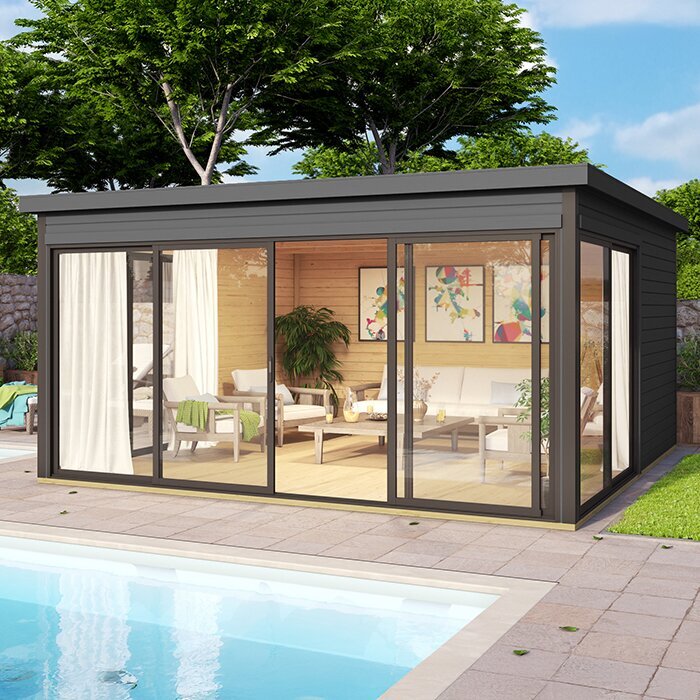
Before ordering, check whether the proposed shed and its position meet the requirements that apply to your property. Those can depend on actual dimensions, location, intended use and other site details; don’t assume a rule for another property applies to yours. Check current information from the relevant local council and your property documents, and ask an appropriate professional if the answer is unclear. If the shed is near a boundary, an existing structure, shared access or a service, confirm any constraints before finalising the plan. Keep a note of conditions your chosen model must meet so comparisons remain consistent.
Review the supplier’s base and surface requirements for the selected model, then compare them with the ground you have. Slopes, soft spots, drainage routes and buried services may affect the site plan or preparation; a floor size doesn’t confirm that the ground is ready. If the area is uneven or needs work, seek advice from a qualified installer or suitable site professional instead of improvising a foundation or relying on a generic diagram. Make this check before committing to delivery, leaving time to resolve an unsuitable position without changing the order at the last minute.
Compare options and confirm the fit
Bring the decision down to a short comparison sheet with the same points for every option: full external footprint, height, internal measurements, usable doorway, door operation, storage inventory, access route, site requirements, materials and care, delivery and included parts. Mark a figure that isn’t stated as unknown; don’t fill gaps with estimates from a photograph or the word compact. Give non-negotiables—such as a doorway width or access to a service—a clear pass-or-fail check. An option with a slightly larger footprint may be easier to use if its entry and internal arrangement suit your equipment, but confirmed dimensions must show whether it fits the section.
Before checkout, redraw the preferred shed at its stated overall size and check it against fixed features, the route to the entrance and the room needed to open the door. Tape or a removable ground marker can help visualise the outline; this is a planning aid, not a substitute for supplier dimensions or site advice. Recheck the product page, selected model and configuration, delivery access, contents and unanswered questions. If a critical measurement is missing, pause and ask rather than relying on an estimate. Choose the smallest shed that comfortably accommodates the real storage list and stays easy to reach, not simply the smallest number in the catalogue.
Frequently asked questions
What dimensions should I compare when buying a small garden shed?
Compare the base or floor dimensions, full external width and depth, overall height, and internal measurements if provided. Check exactly what each figure includes, particularly roof edges or other projections. Use the product diagram where available, and don’t compare one shed’s external dimensions with another’s floor size.
How can I check whether the shed will fit through my gate?
Measure the narrowest part of the route, corners, thresholds and final turn, then ask for package dimensions and handling requirements if they aren’t provided. Check the shed’s usable doorway opening too. Fitting its final position doesn’t, by itself, confirm that it can be brought into the section.
How much space should I leave around a shed?
There isn’t one clearance that suits every section. Allow for the door’s operation, the routes you need to keep open and access to nearby features that require maintenance. Follow the supplier’s site requirements and check any local constraints rather than relying on a generic clearance figure.
Can a compact garden shed store a bike or mower?
Check the item’s length, width and height against the interior space and clear doorway opening. Allow for handles, turning space and whether you can remove it without shifting other items. Confirm the floor details and the product’s intended use from the written product information.
Do I need approval to put a garden shed on my section?
Requirements depend on the property, shed and exact position. Check current information from your local council and your property documents before ordering, and ask an appropriate professional if anything is unclear. Don’t rely on a rule for a different site or assume a small footprint removes the need to check.
A successful small garden shed purchase is one where the measurements work on the section and in everyday use. Let the storage list, entrance, full external footprint and delivery route narrow the options; then verify the materials, included components and site requirements from the chosen product information. A shed that clears the footprint but blocks a path or can’t take the largest item isn’t a practical fit. Keep your measurements alongside the order details so the selected model and configuration remain clear.
