
Buying the Right Garden Shed for Your Hobby Room
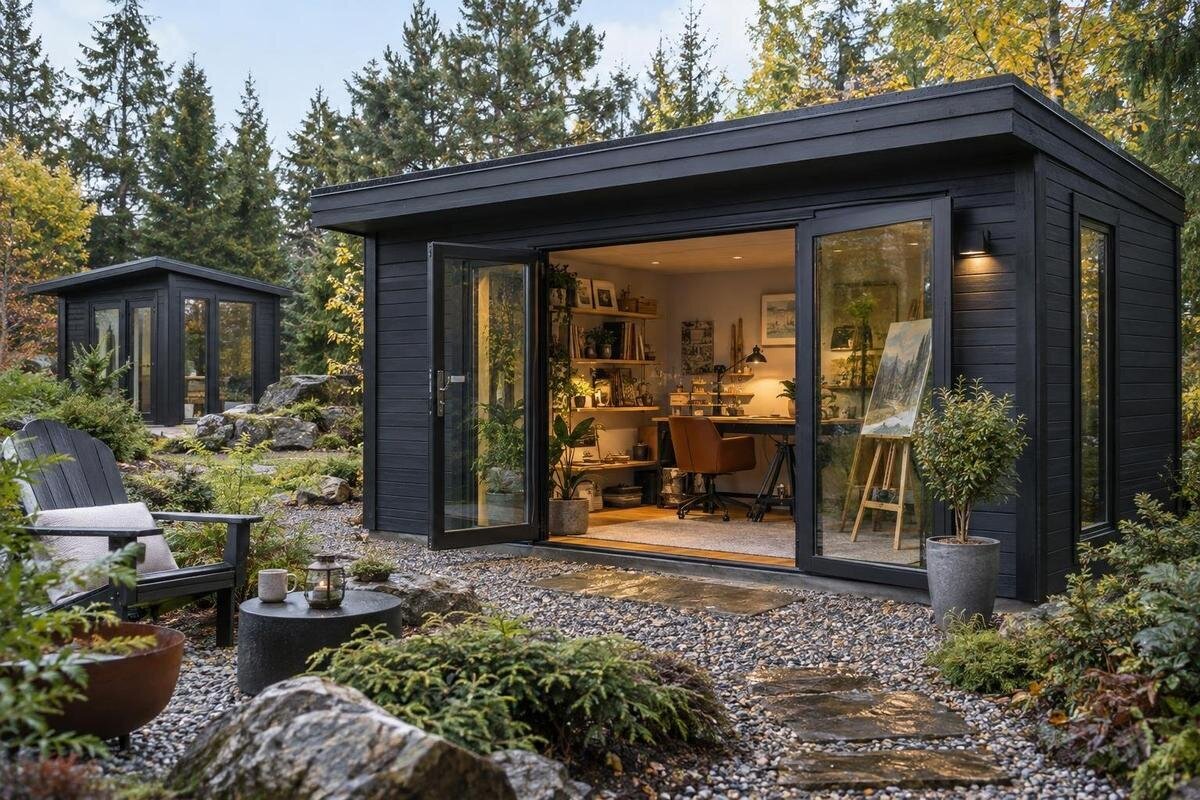
Garden shed buying guide
A garden shed can give a hobby its own place, but a product photograph cannot show whether your projects, tools and storage will fit. Before choosing a model, define the tasks the room must support, measure the working area and consider how you will get materials in and out. Then compare the stated dimensions, light, access, construction and ordering details with the realities of your garden. This guide focuses on choosing a shed for hobbies; it does not assume that one comes ready for office-style services or a particular workshop setup.
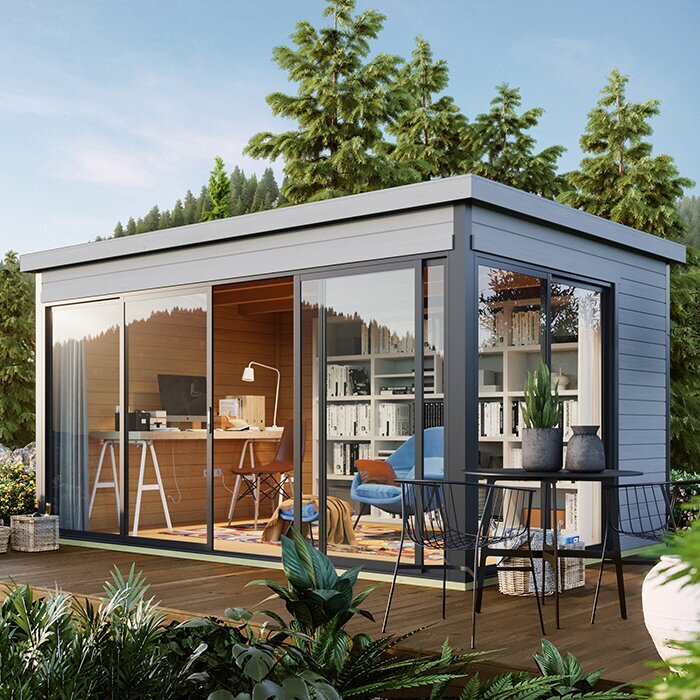
Buyer checklist 1
Define how you will use the hobby room
Write down the activities you expect to do there rather than buying for an undefined “hobby room”. Sewing, model-making, repairing small items, practising an instrument or keeping a collection in order are examples with very different spatial needs; none is a promise that a particular shed suits the task. Note whether work is seated or standing, whether equipment stays set up, and how far a project spreads beyond its main table. List the stages of a typical session, from unpacking to putting things away, as this often reveals a need for a clear sorting surface or nearby storage. A room used briefly once a week can be planned differently from one where unfinished work and supplies remain in place between sessions.
Make an inventory of what must fit, including tools, materials, works in progress and finished projects. Note unusually long or bulky items, and include any storage conditions given by the makers of your equipment or materials. This helps distinguish essential requirements from preferences such as extra display space. Keep both lists beside you when comparing options, so an appealing exterior or an unverified feature does not outweigh a practical need. For a first catalogue comparison, record only details stated on the Verdana 1 product page; the model name alone cannot establish whether it suits your hobby.
Measure usable space as well as the site footprint
Measure the space available in the garden and the working area you want inside as two separate things. Mark a possible footprint with tape or string, then sketch the room and its furniture to scale. Include the thickness of storage units and allow space beside, rather than only in front of, a bench where you need to work from more than one side. Compare the site measurements with the shed’s stated external dimensions, but use internal measurements when planning a workbench, chair and storage. If a page gives one set of measurements without saying what they describe, ask for clarification instead of treating the external footprint as usable floor area.
Draw in fixed furniture and equipment, then check how much clear floor remains. Allow for pulling out a chair, opening a drawer and reaching stored items without shifting a work surface. Where height matters, check the stated internal headroom and note any sloping ceiling or other shape that could affect the area you can use. Keep a comparison sheet for each option; the Verdana 2 listing can be another entry, with measurements copied only when they are explicitly provided. Do not estimate a missing dimension from a photograph.
Buyer checklist 2
Arrange the room around your working process
Plan the layout in the order you use things. Put the main work surface first, then consider where frequently used tools and materials can be reached without interrupting the task. Less-used supplies can be placed further away, provided they remain accessible. Separate clean work, such as writing or assembling, from messier preparation where that distinction matters to your hobby. If your hobby involves laying out a large piece or leaving a project unfinished between sessions, mark that area on the plan too. A room that fits all the furniture on paper may still feel cramped if every surface is occupied and there is no clear route through it.
Try more than one arrangement before deciding that you need a larger shed. Draw the entrance, work surfaces and storage in each version, and check the clear route between them. Think about whether you might share the space or change activities over time; a flexible area may be more useful than filling every wall from the outset. When looking at a product page, use any plan or dimensions it actually provides to compare against your drawing. The Durano model page is a comparison point, not evidence of a particular internal layout or suitability.
Check the route in and out
Consider how you will move tools, materials and completed projects from the house or garden into the shed. Measure the route, including any gate, turn, step or narrow path, and note which items are too bulky to carry easily. Consider seasonal changes too: a route that is easy across a dry lawn may be less convenient when it is wet or when garden furniture is in place. A shed may fit the garden but still be awkward to use if large items cannot get to the entrance. If components need to be delivered or assembled, check the stated arrangements and whether the proposed location is accessible for that process.
At the shed itself, check the clear opening against your largest item, not just the overall building size. Ask how the opening is measured and how the door or other panels operate if the listing does not explain it. Leave enough approach space to turn or manoeuvre items once they are inside. Compare any access details explicitly provided for the Veltor 1 product details with your measurements; do not infer the opening size or configuration from the model name.
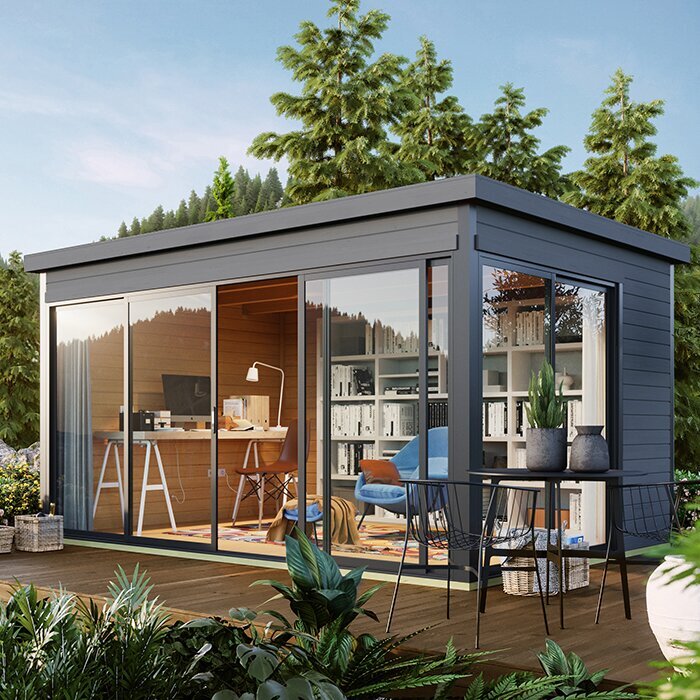
Buyer checklist 3
Consider daylight, glare and privacy
The value of natural light depends on the hobby and the shed’s position. Detailed work or matching colours may call for a different light arrangement from tasks that can be done under more even, indirect light. Look at the location at the times you expect to use the room, and consider shadows from nearby fences, buildings and trees. Notice whether the sun would fall directly across the intended work surface, as reflections can make screens, glossy materials or fine detail harder to see. The garden affects the result: a catalogue image cannot show how much daylight will reach a particular site or whether a nearby structure will block it.
Check the written details or plan for the exact model to see what openings are included and where they are placed. Do not assume an illustrative photograph shows the configuration you will receive. Also consider sightlines from the house and neighbouring properties, especially if you plan to keep supplies or ongoing projects visible near a window. If you have a preferred way to manage light or privacy, check whether it is included or compatible rather than assuming it will be. Compare the Orello 1 listing using the same questions; its name does not confirm its features.
Allow for storage without crowding the work area
Plan storage as well as floor space. Sort belongings by how often you use them, then decide which need to be close to the work surface and which can be stored elsewhere. Include containers, spare materials and completed projects, not just the tools used during a session. Group similar supplies together on the plan so you can see whether the proposed storage would make finding and returning items straightforward. It can help to draw shelves or cabinets on the plan, but do not count the area they occupy as clear working space. Keeping an area for projects in progress can also prevent them from blocking the entrance or everyday tools.
Before choosing wall-mounted or freestanding storage, check the exact product information for any relevant guidance. Do not assume the walls are suitable for shelving or that an image demonstrates a particular storage capacity. For heavy items or fixings, ask the supplier or a qualified professional whether the proposed arrangement is appropriate. If any equipment or material has specific storage instructions, include those in your planning. The Modano 1 product page can be checked for details that are explicitly stated, but a picture or model name is not proof of shelves or load capacity.
Buyer checklist 4
Check the conditions needed for regular use
If you expect to use the room throughout the year, look beyond the word “shed” and check what the exact model specifies for its walls, roof, floor and any insulation or lining. Do not assume these are included or that the building will maintain particular indoor conditions. Think about when you are most likely to use the room, since occasional summer use and longer sessions in cooler or wetter weather may create different priorities. Compare the published information with the requirements of your hobby and with any storage guidance for materials or equipment. If those needs are not clear from the listing, resolve them before deciding that the shed is suitable.
Some hobbies may rely on powered equipment, task lighting, heating or ventilation. Check whether any services are stated as included rather than assuming they are fitted. If your work involves equipment that produces dust, fumes or heat, ask an appropriately qualified professional about suitable ventilation and safe arrangements before buying. Electrical design or installation should also be discussed with a qualified tradesperson where needed. Add the Timber Garden Shed M listing to your comparison only on the basis of its published details, not an assumption based on its model name.
Choose a suitable position and confirm the base requirements
The location needs to work for the building as well as for your routine. Check the measured footprint, the route to the entrance and the space needed to move items in and out. Think about the view from the intended work position and whether regular garden activity could make concentration difficult. Look at the ground where you plan to place it, including any obvious unevenness or areas where water collects. These observations do not determine a suitable base; use the requirements for the exact shed and seek advice from a qualified installer or site professional if the ground or base design is uncertain.
Consider whether the location will remain accessible for ordinary use and maintenance, and whether nearby planting or structures could obstruct the space you have planned. If local restrictions or boundary considerations might affect the proposed position, check the relevant requirements with your local council or an appropriately qualified local adviser before ordering. Compare the site measurements with any stated footprint and base information for the Wooden Garden Shed S product page, without assuming that an unspecified foundation or installation detail is suitable.
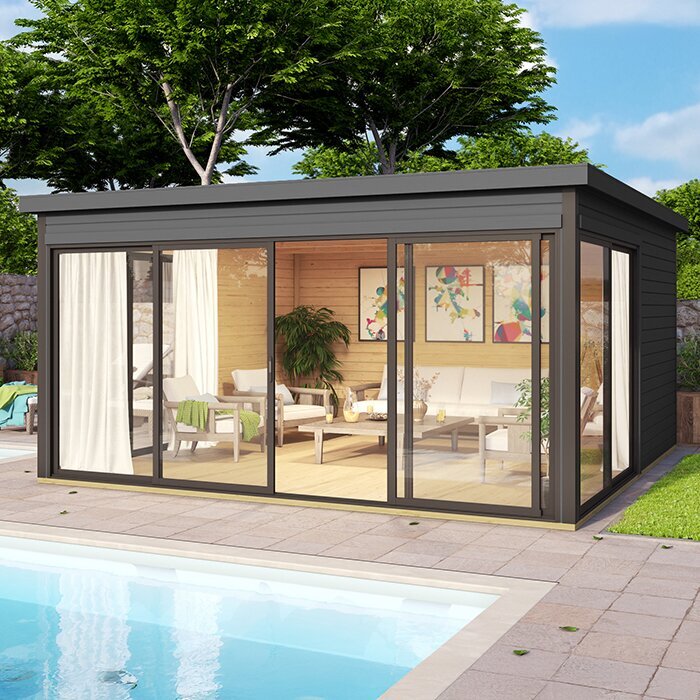
Buyer checklist 5
Compare construction details and ongoing care
Once the layout and location work, compare the written construction details for each exact model. Check which materials, finishes, flooring, roofing and fittings are included, where those details are relevant, and what may need to be sourced separately. Record these details in the same comparison sheet as the dimensions, so an apparent difference is not based on one page being more detailed than another. Broad labels and product images do not answer every question about an individual building. If a specification is important to your decision but is not clearly stated, keep it marked as unknown rather than filling the gap with an assumption.
Consider the upkeep you are prepared to do as well as the initial choice. Read the product-specific care instructions for any cleaning, treatment or periodic checks, and consider whether they fit your time and the conditions at your site. Look for stated information about compatible finishes or replacement components if these matter to you. Do not assume that two sheds with a similar appearance need the same care; use the guidance for the model you are considering and clarify any uncertainty before committing.
Check the ordering details before you commit
Read the current order information for the exact model before paying. Confirm the price, availability, delivery cost and timing shown at that point, rather than relying on an estimate or assuming terms from another listing apply. Check what is included, whether assembly is part of the offer, and what arrangements you need to make for delivery or installation. Keep a note of any choices or additions selected during ordering, as these can affect what you expect to receive. If an itemised breakdown or a delivery detail would affect your budget or plans, get it clarified before placing the order.
Review the seller’s stated cancellation, returns and damage-reporting terms, along with any assembly instructions or support information provided. Make a final comparison using the points that matter most: fit, internal layout, access, light, storage, relevant construction details, site requirements and delivery arrangements. Mark each point as confirmed, unsuitable or unanswered. An unanswered detail that could change your decision is a reason to pause and seek clarification, not to assume the most convenient answer.
Frequently asked questions
What size garden shed do I need for a hobby room?
There is no one right size. Measure the work surface, equipment, storage and space to move around them, then compare that plan with the shed’s stated internal dimensions. Check the site footprint separately so the building fits the garden as well as your layout.
Can any garden shed be used as a hobby room?
Not automatically. Suitability depends on the hobby, the shed’s stated construction and features, and any requirements for light, storage or services. Check the details for the exact model rather than assuming a garden shed will provide a comfortable or equipped indoor workspace.
What should I measure before ordering?
Measure the available site, the items that need to enter the shed, the planned work area and the route to the entrance. Compare external dimensions with the site and internal dimensions with your layout. Check the clear door opening as well as the overall building size.
Do I need windows in a hobby shed?
That depends on your tasks and where the shed will sit. Consider how much natural light you want, whether glare or privacy could be an issue, and what openings the exact model includes. Do not rely on a general product photo to confirm the window details.
What should I confirm before placing an order?
Check the exact dimensions, included components, base requirements, delivery and assembly arrangements, current costs and the seller’s stated terms. If a missing detail could change your decision, get it clarified rather than treating an estimate or assumption as a product specification.
A useful hobby room starts with the work you plan to do, not a guessed idea of how much space a shed might offer. Map out your equipment and storage, test the layout, and compare it with the exact dimensions and access information available. Then check the site, base, conditions for use and ordering arrangements. Keeping missing details separate from confirmed ones makes it easier to choose a shed that supports your projects without taking more garden space than you need.
