
Buying a Garden Shed for Dining and Garden Parties
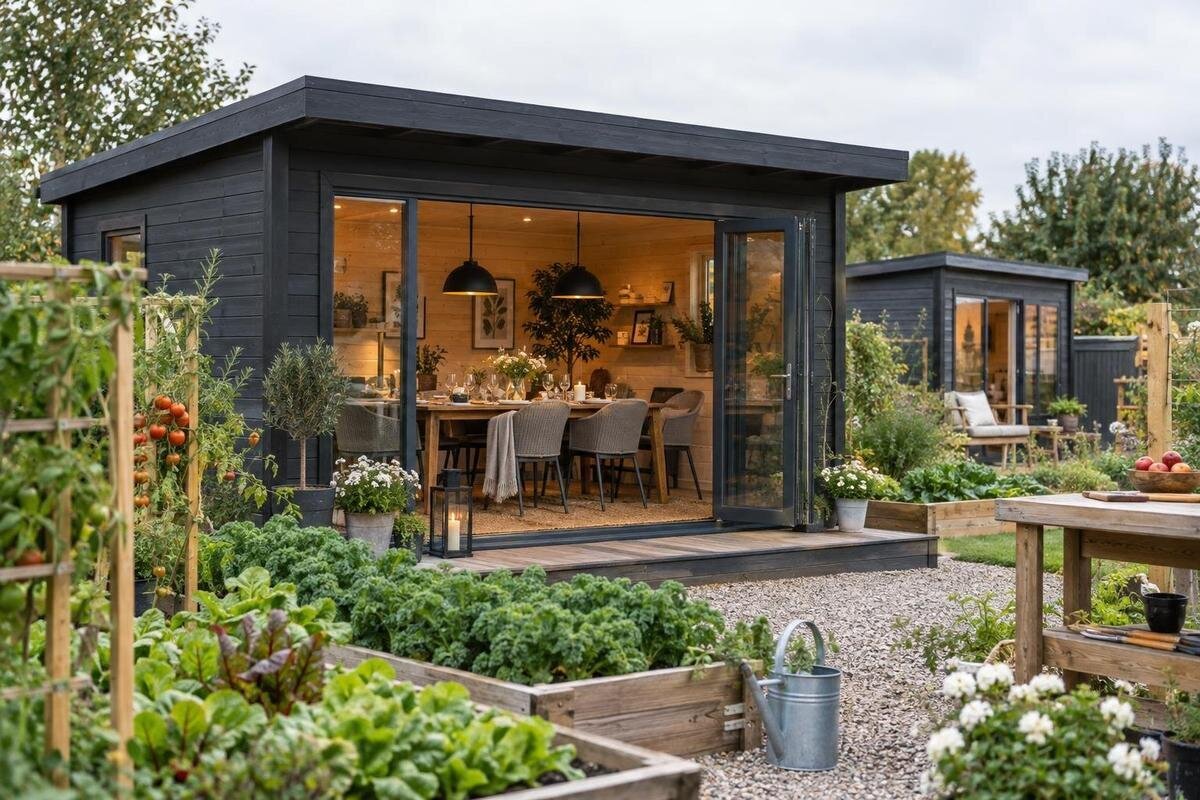
Garden shed buying guide
Planning meals or garden parties in a garden shed changes what matters in a buying decision. The usable area has to account for a table, occupied chairs and a clear route, while the site and product information need to suit the way you intend to host. Work from real furniture and likely guest numbers, then check access, intended use and the complete order details before choosing a model.
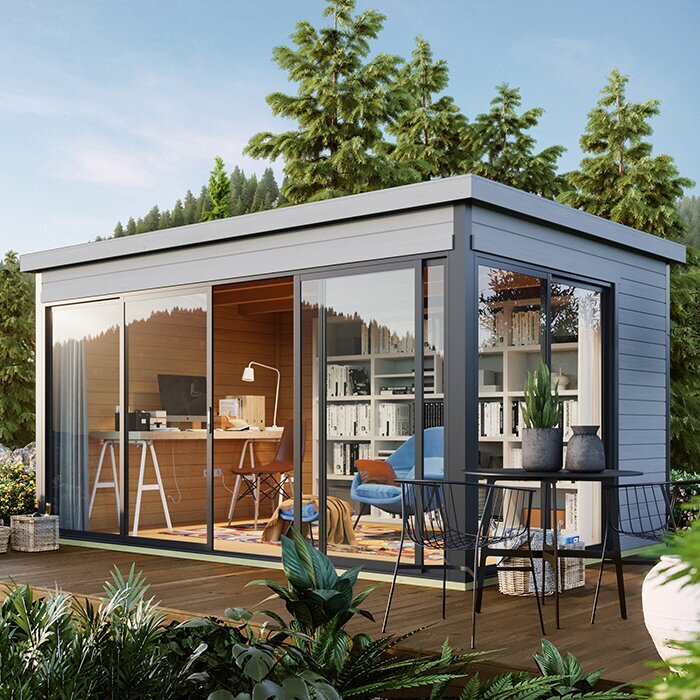
Decide what the shed needs to do at gatherings
Before comparing listings, describe a typical gathering in concrete terms: how many people will eat at once, whether meals are the main reason for the building, and whether guests will move between an inside table and seating outside. A quiet lunch for four and a birthday meal for a larger group create different demands on floor area, door access and furniture. Decide whether the table and chairs will stay set up or come out only for events. The first option needs room for everyday use as well as storage; the second needs a practical place to keep furniture and enough clear space to set up when guests arrive. Also decide whether the building will be used for seated meals only or for drinks and conversation before people sit down. This affects how much open standing room you need and whether an outdoor area should remain part of the hosting plan.
Treat suitability for people as a separate question from appearance. A garden shed shown with a table in a photo is not, by itself, confirmation that the model is intended for regular use by guests. Read the supplier’s stated purpose, layout information and any use or installation guidance, and ask about points that are unclear before ordering. The Verdana 1 garden shed listing can be included in your comparison, but base your decision on its available product information, not its name or image. If the intended use is uncertain, check with the supplier and an appropriate building professional.
Measure the table, chairs and space to move
Base the floor plan on the furniture you expect to use, not just on a suggested guest capacity. Measure the table at its usual size and, if it extends, at full length; then allow for chairs as people pull them out and sit down. Include space to stand, pass plates and move behind seated guests. A close fit on an empty plan can become awkward once coats, serving dishes and occupied seats are added. If you do not own the furniture yet, use the dimensions of a likely table and chair set, leaving some flexibility rather than assuming everyone can sit tightly together. Include any bench seating in the drawing, as it needs its own clearance for people to get in and out. Mark where the host will stand while serving, rather than treating every part of the room as equally usable.
Sketch the internal footprint to scale, mark the table, chairs and entrance, and test whether a guest can reach a seat without moving another one. Add a separate route to the door and note where a serving surface might go. This can reveal pinch points before you commit to a larger building or discover that a smaller layout will not work. The Verdana 2 garden shed page is one listing to assess this way: use its published internal measurements, if available, rather than estimating usable floor area from a photo.
Check the entrance and guest circulation
Measure the clear doorway opening rather than relying only on the overall width of the door or frame. Compare it with the route from the garden and with the size of any furniture you plan to carry inside. Check the threshold and landing outside, too, particularly if guests will arrive with food or drinks. Include the space a door takes up when opened, where relevant, so it does not obstruct a chair or force people to squeeze past the table. These details affect both setting up and the way guests move in and out during a gathering. Consider the approach after dark as well: guests should be able to recognise the route and the entrance without stepping around furniture or garden features. Keep the route useful when someone is carrying a hot dish, stacked plates or a full tray.
Think about what happens when several people arrive close together. A route that leads directly through the space between occupied chairs can interrupt a meal, while a clear path from the entrance to the table helps guests settle in. If the plan includes an opening door near a serving area, check that the two uses will not compete for the same space. Compare the available drawings and stated opening measurements for the Durano garden shed listing; the model name alone cannot answer access questions.
Choose a site that works from house to garden
Trace the journey guests and hosts will actually make between the house, shed and any outdoor seating. If food will be carried from the kitchen, consider the distance, steps, narrow gates and changes in surface along the route. A spot that looks convenient when the garden is empty may be less practical once people are gathering around the entrance. Check that there is enough room to approach the shed and open its door without colliding with garden furniture, planting or a busy path.
The position also affects privacy and the feel of a gathering. Consider views from neighbouring windows, nearby seating and the direction guests will face, as well as how voices may carry across the garden. Check access for delivery and any work needed around the building before settling on its location. Think about the route for waste, cleaning supplies and furniture as well as the route for guests; an attractive corner can be inconvenient if every item has to travel through a narrow gate. A listing such as Veltor 1 can be compared against your measured site plan, including the stated footprint and the space needed around it; do not assume a listed footprint is the only space the site will require.
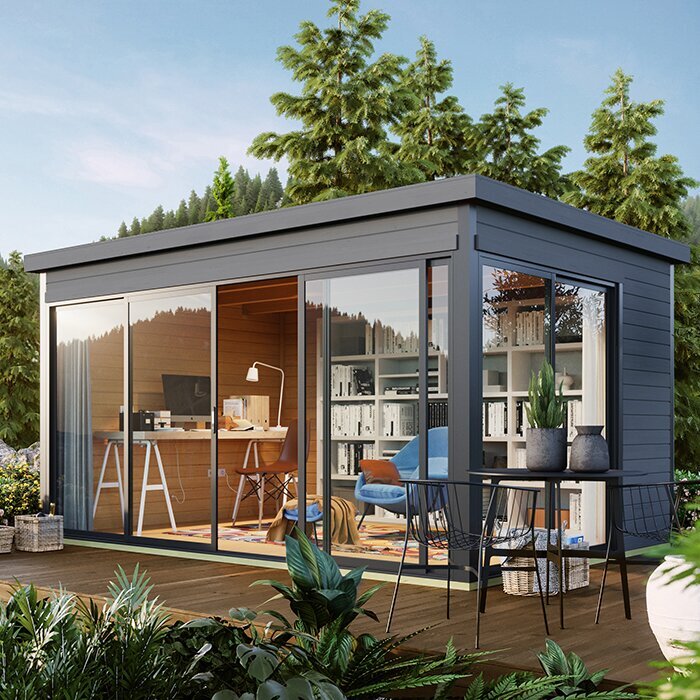
Separate eating, serving and storage space
The table should not have to hold every dish, drink and serving item at once. Decide where food will be set down, where guests can reach water or other drinks, and where used plates can go without blocking a seat. A small side surface may make a compact table more workable, but it also takes up floor area. Add the dimensions of any serving furniture to your sketch, then check that guests can still pass between it, the table and the entrance.
Plan for the things people bring into a gathering as well as the dining furniture: bags, coats, serving pieces and rubbish or recycling may all need a place. Avoid relying on an empty corner if it is also needed for a chair to move or for access to the door. If the room will double as storage between events, decide what can be cleared away and where it will go. Set aside a simple, repeatable place for essentials such as napkins, trays and outdoor cushions, so preparation does not turn the dining route into a storage area. Compare the actual dimensions and layout information on the Orello 1 page with this arrangement rather than choosing from a product image alone.
Review openings, daylight and privacy
Light and outlook can change how a dining space feels at different times of day. Think about when you are most likely to host and where the sun will be at those times; a bright view may also bring glare across a table. Consider what guests will see from their seats and whether the position of the shed gives you the privacy you want. If possible, observe the proposed site at a typical mealtime before deciding where the entrance and table should face. Note where shadows fall later in the day, particularly if gatherings are likely to continue into the evening. This observation can help you decide whether the table orientation, outdoor seating and indoor space work together comfortably.
Check the product details for the actual windows and openings, including what can be opened, rather than inferring them from a photo or model name. If ventilation, insect screening or privacy coverings matter to your plans, confirm whether they are included or available. For lighting or heating equipment, ask a qualified professional whether the particular building and proposed setup are suitable; do not assume that fittings can simply be added. Use the Modano 1 product details as part of a like-for-like comparison, based on the information provided for that model.
Plan for the weather you actually host in
Think about the conditions at the chosen site, including exposure to sun, wind and rain during the months when you are most likely to entertain. A garden shed does not automatically provide a suitable sheltered dining area, and an attractive image cannot show how a particular model will perform in your garden. Check the supplier’s information about intended use and weather performance, and consider how the space will work if doors need to remain open or guests are moving between the building and the garden.
Have a realistic backup plan for a change in weather. Guests may need somewhere else to eat, or you may decide to keep some seating outdoors and use the shed for part of the gathering only. Consider where wet footwear or coats could go without cluttering the table area, and whether the route between the house and shed remains practical. Think through the changeover before guests arrive: moving food, chairs and table settings at short notice is easier when there is a clear alternative arrangement. For a model such as the Timber Garden Shed M listing, rely on its published product information when checking suitability for your site, rather than drawing conclusions from the name.
Check cleaning and ongoing care
Food and drink bring different cleaning needs from ordinary storage. Ask what floor or other components are included, and check the supplier’s instructions for cleaning and maintenance. Consider how chair feet may affect the floor, where crumbs could collect, and whether spills can be dealt with using the recommended care method. If the building is not occupied every day, it is still useful to know how to prepare the space before a meal and clean it afterwards. Do not assume a surface is easy to maintain without checking its product-specific guidance. Plan where cleaning items will be stored so they are accessible after a gathering but do not take up dining space. A quick reset routine can make occasional entertaining more manageable.
Think about how the room will be used between gatherings and where dining furniture or serving items will be kept. The less event equipment that has to be shifted at the last minute, the easier it is to make the space ready for guests. Confirm what ongoing care the supplier recommends and whether any accessories shown in product images are included or separate. The Wooden Garden Shed S page can be compared with other listings once you have reviewed its own details and care guidance; its name alone does not describe the maintenance required.
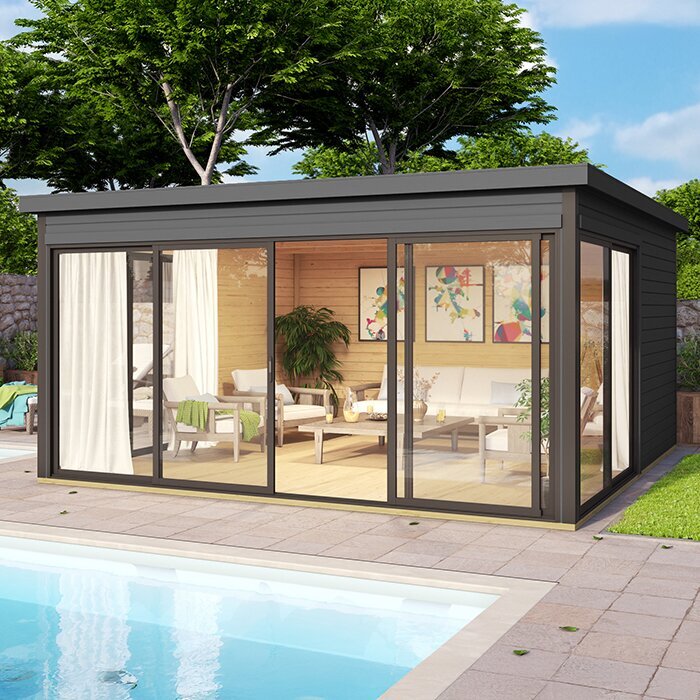
Confirm dimensions, site preparation and approvals
Before ordering, confirm the external dimensions and the usable internal measurements for the exact model and configuration. Ask for the doorway opening and any other measurements that affect furniture, people or access. Check what is included in the order, such as a floor or other components, rather than assuming that everything shown in a photo comes with the building. Also ask what information is available about delivery access and assembly, then compare it with the path from the road to the proposed site.
Ask the supplier what site preparation and base requirements apply to the specific product. If groundwork or other changes are needed, have an appropriate professional assess the site rather than guessing from the building’s size. Because you are planning to use the space for gatherings, confirm with your local council or a qualified building professional whether the proposed building and intended use need approval under applicable requirements. Resolve those questions before committing to an order, not after the shed has been delivered. Keep notes of the model and configuration discussed when seeking advice, because changes to the order can alter the dimensions or layout being considered. This also makes it easier to compare supplier information with the proposed site plan.
Compare the full cost and order details
Compare the complete cost of getting the dining space ready, not just the listed price of the building. Depending on your plans, your budget may also need to allow for site preparation, assembly, delivery, tables, chairs, serving furniture and lighting. Ask for a clear breakdown of what is included and what is optional so you can compare listings on the same basis. If additional work is required, find out who will carry it out and whether it has been included in any written estimate; do not assume that similar-looking listings cover the same items.
Before paying, check the exact model, configuration, dimensions, included components, delivery destination and any agreed assembly arrangements on the order documents. Read the relevant payment, delivery, return and cancellation conditions, and keep a written record of answers to questions that affect your intended use. A short list of must-haves—guest numbers, table layout, access, site fit and care requirements—makes it easier to compare options consistently. It also helps prevent a tempting photo or product name from outweighing the practical details your gatherings depend on. Check that the version quoted matches the version you measured in your plan, especially if you have discussed alternatives with the supplier. Save the final plan with the order paperwork so the intended layout remains clear when preparing the site.
Frequently asked questions
How much space do I need for dining in a garden shed?
There is no single useful size for every group. Measure the table and chairs, allow for chairs being pulled out, and include space to serve food and walk to the entrance. Check the plan against the specific model’s internal dimensions.
Can I use any garden shed for dinner parties?
Do not assume that a shed designed or advertised for storage is suitable for regular use by guests. Check the supplier’s information about intended use and installation, and ask the supplier or an appropriate building professional if it is unclear.
Should the dining table go in the centre of the shed?
Not necessarily. Place it where chairs can be used without blocking the doorway or the route to serving space. A simple floor plan with the actual table and chair measurements will show whether a central or off-centre layout works better.
What should I check about the doors?
Check the clear opening, threshold and any space taken up by the door when it opens. Compare these with the route guests will use and the size of furniture or food trays you need to carry inside.
What if guests will use the shed in wet or cold weather?
Check the product information for its intended use and performance in the conditions at your site; do not infer weather protection or comfort from a photo. Plan an alternative dining area, and seek qualified advice before adding electrical or heating equipment.
The right garden shed for entertaining is the one whose documented use and measured layout match the way your guests will arrive, sit, eat and move—not simply the one that looks largest in a photograph. Start with event size and real furniture, check the entrance and site, then compare product details against the same written requirements. That keeps the purchase focused on a space you can set up and use as intended.
