
Buying a Garden Shed for Occasional Guest Use: Checks Before Ordering
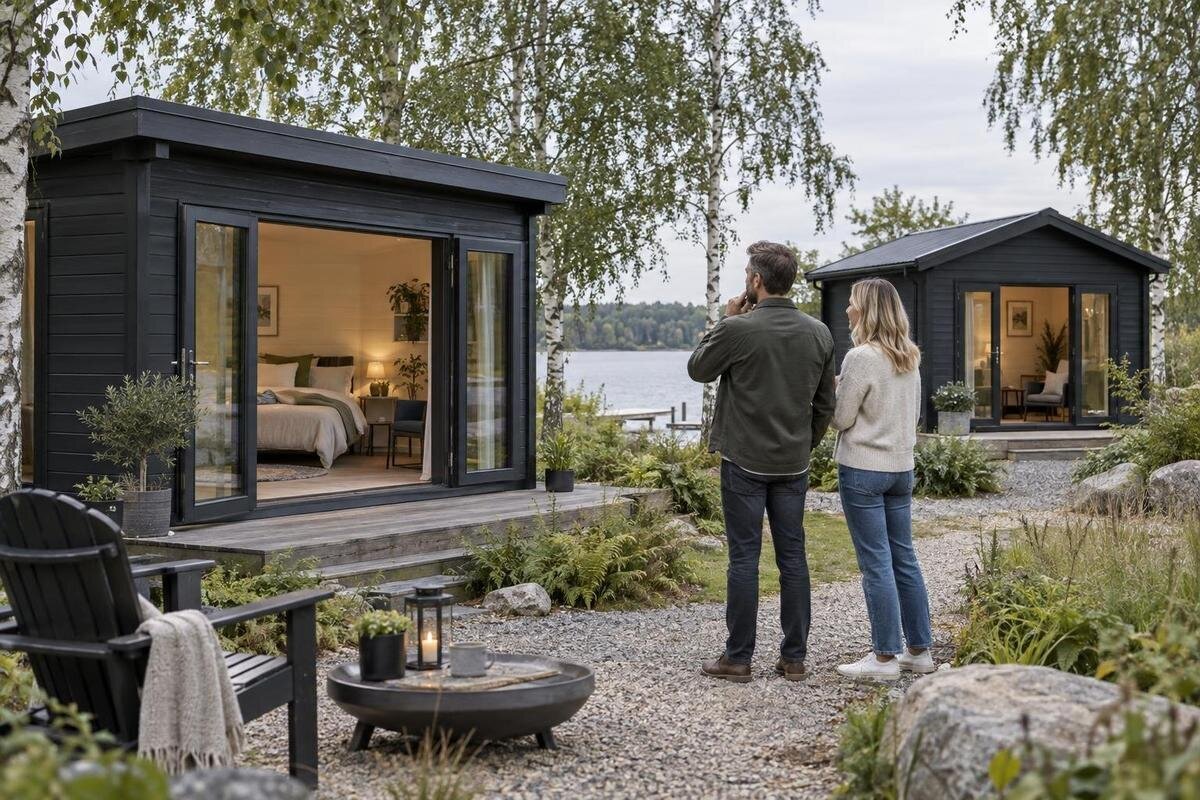
Garden shed buying guide
Buying a garden shed for occasional guest use involves more than finding a footprint that fits. ‘Occasional’ might mean a short daytime visit or an overnight stay, and those uses call for different checks. Before comparing listings, establish what guests will do in the space, whether the proposed use meets local requirements, and what the site can support in terms of access and comfort. A product name or staged image cannot confirm that a shed is suitable accommodation.
What to check before ordering 1
What will guests actually use the shed for?
An occasional guest space might be somewhere to sit during a short visit, a place to change, or a separate place to sleep. Write down which uses you expect, how many people might use it at once, and the likely length and season of their stays. Note whether guests need a bed, seating, luggage space or somewhere to store clothing, and whether they will use facilities in the main house. Consider whether the room must be usable independently or simply provide extra space beside the house. Frequency and duration are different: a few overnight stays may still call for a different layout from occasional daytime use. Also consider whether the room needs to be cleared for storage or another garden activity between visits, as this affects the furniture and storage arrangement. Recording the expected use also makes it easier to explain the proposal consistently when seeking advice.
Treat overnight use as the key distinction, rather than assuming a shed that suits storage or hobbies will also work as a bedroom. If sleepovers are possible, say so clearly in discussions with the council, supplier and any building professional. Think about how guests will enter, settle in and reach the facilities they need. If the space is intended only for short daytime visits, be clear about that too. A precise brief helps you compare suitable options without paying for features you do not need or overlooking important requirements.
Local council requirements for guest use
Before committing to an order, describe the proposal to your local council: the type of building, its planned dimensions and position, and what guests will actually do there. Give the site address and, if helpful, a simple sketch showing the proposed location. Be explicit if anyone may sleep in it, and mention any planned water, power, drainage or heating. Ask which rules, approvals or documents apply to your property and this use, and how to confirm the answer. Keep the response with your purchase information.
A retailer can clarify the stated contents and construction of a model, but a sales description cannot determine whether a particular site or use meets local requirements. If the council asks for plans or technical information, speak with a suitably qualified building professional before choosing a configuration. Do the same before committing to connected services or changes to the building. Do not infer that occasional use avoids requirements or that enclosing a garden shed makes it suitable for sleeping accommodation. Confirm the intended use first, then compare options against it.
What to check before ordering 2
External dimensions and usable floor area
Measure the proposed position and compare it with the complete external dimensions on the manufacturer’s drawing. Check what each stated measurement covers, including any projections shown, and ask how it relates to the base or floor footprint. Mark the outline on the ground in the intended orientation, then note nearby fences, trees, paths and doors that need to remain usable. Keep any clearances requested by the council, installer or product instructions separate from the building footprint; do not assume that an apparently open spot is automatically suitable.
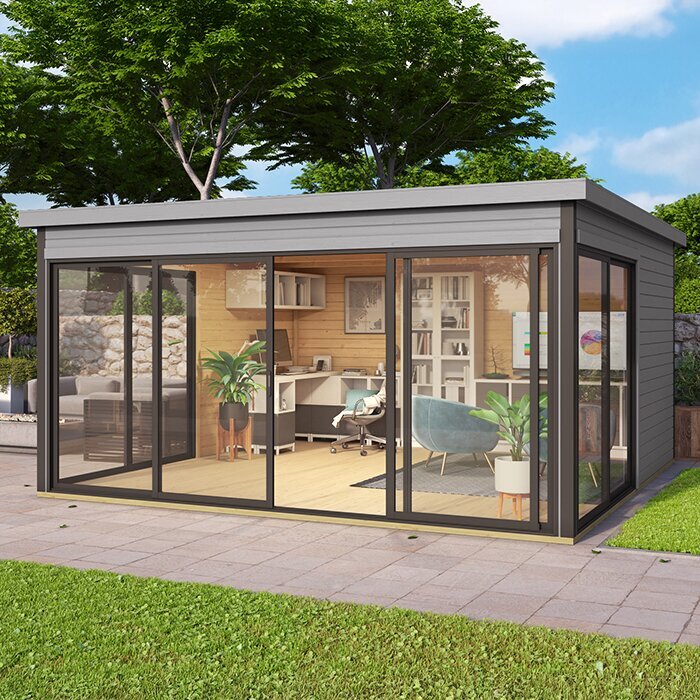
External size is not the same as usable room. Ask for internal floor dimensions and clear height, including any variation caused by walls, roof shape or framing, and check that the figures relate to the exact version you plan to order. Draw in the sleeping arrangement, furniture and bags, then allow a clear route between the entrance and the places guests need to reach. Include room for ordinary tasks, such as putting down luggage, changing clothes and opening storage, rather than measuring only whether a bed will fit. Use Verdana 1 as one entry in your comparison, recording only dimensions confirmed for the exact listing rather than estimating them from a photograph or model name.
Delivery access and assembly space
Check the route from the delivery stopping point to the final position, not just the size of the finished shed. Measure gate and path widths, headroom, turning space and the narrowest point; note steps, slopes, soft ground, overhanging branches and other obstructions. Components have to reach the site before assembly, and their packaging may need more room than the finished footprint. Consider where components could be set down temporarily without blocking normal access or damaging planted areas. Think about whether the route is likely to be different after rain, when soft ground or a narrow path may be harder to use. If access crosses a shared drive or a neighbour’s land, agree arrangements beforehand. A quick sketch or photos of the route can help you explain the access to the supplier.
Ask the supplier for package dimensions and handling information for the exact model, and confirm where delivery ends, what unloading involves and whether assembly is included or arranged separately. Do not infer these details from a photograph or the building’s overall measurements. Record any access conditions, unloading equipment or extra work mentioned in writing. When reviewing Verdana 2, treat delivery and assembly as questions to resolve alongside the building itself, not as assumptions made from its name. A suitable final position is of little use if the components cannot reach it.
What to check before ordering 3
A practical layout for overnight stays
Plan the interior around the furniture and movement space guests will need. Measure the bed or other sleeping arrangement, seating, luggage and any storage you expect to include, then compare those footprints with the confirmed internal dimensions. Check the clear doorway opening and how the door operates, so furniture can be brought in and guests can move around without creating an awkward or obstructed route. A generous external footprint can still leave a cramped interior once walls and the chosen layout are taken into account.
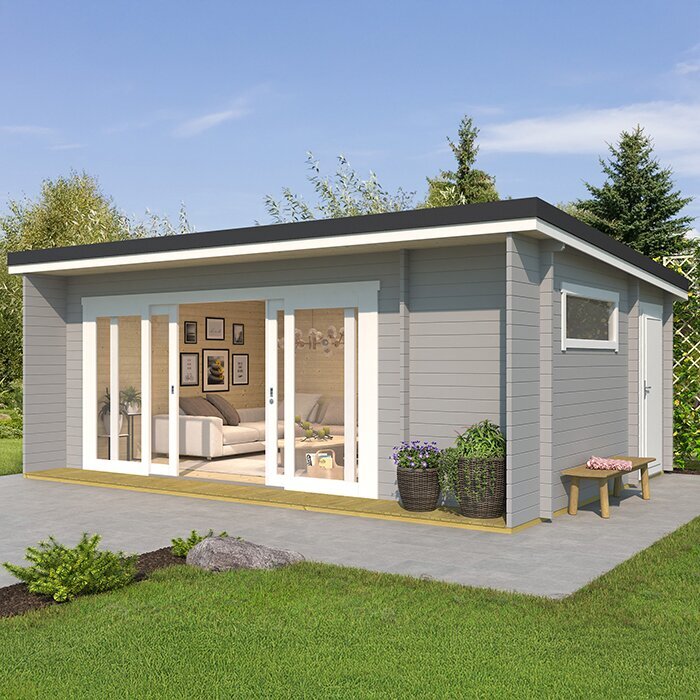
Sketch the room to scale or mark out the furniture temporarily, then test the route from the entrance to the sleeping area and any storage. Consider where luggage will sit and whether a guest can open a door, window or cupboard without shifting other items. Think about everyday practicalities too, including where shoes, coats and a small bag can go without narrowing the main walkway. If someone with limited mobility may stay, think about the complete path from the main house, the threshold and the interior layout; ask a building professional about any specific design needs. The Durano listing can sit in the same worksheet as other options, using only its stated measurements and openings.
Ventilation and insulation specifications
Ventilation and insulation are separate questions, and neither should be guessed from an enclosed appearance. Ask what openings and ventilation provisions are specified, which openings can be used, and how air is intended to move when the door is shut. People and damp clothing can add moisture during an overnight stay, so ask how the proposed design is meant to manage moisture and condensation, particularly during cooler or wet periods. Also ask how the space should be ventilated between visits. A photograph does not establish opening size, ventilation performance or what is included in your configuration.
Request written insulation details for the walls, roof and floor, as well as information about glazing, draught control and the conditions the design is intended for. Insulation in one part does not establish how comfortable the whole space will be; doors, floor, ventilation and any planned heating also affect the result. Ask whether the information describes the supplied building alone or depends on further materials, work or components. It is useful to keep supplier replies beside the exact configuration, because an optional item can change what is supplied. Confirm which elements are included, optional or not supplied. For Orello 1, as with any listing, rely on the exact written specification and supplier clarification rather than a name, image or assumed wall construction.
What to check before ordering 4
Privacy, access and guest safety
Privacy and the route to the shed matter when guests stay overnight. Look from the proposed entrance and any windows towards neighbouring properties, shared areas and the main house; consider sightlines, outside noise and where guests can leave personal belongings. Check whether any window coverings or privacy fittings you want are included, rather than assuming they come with a room that looks finished in a photo. Plan how visitors will find and use the entrance after dark or in wet weather, and whether the route stays clear when the garden is being used as usual.
Ask which locks, door hardware and other safety features are actually supplied, and what the intended use requires. If people will sleep there, raise fire safety, ventilation, electrical arrangements and safe access with the council or a suitably qualified professional; do not rely on a general shed description as evidence that these matters have been addressed. Decide how guests will receive access and which areas should remain private. A listing such as Modano 1 is a product to assess, not proof of any particular lock, glazing or guest-use feature.
Site preparation, base and services
Before selecting a base, obtain the product’s written base and support requirements and compare them with the actual ground at the proposed position. A builder or other qualified professional can assess questions about slope, ground condition, drainage and site preparation. Consider how the intended position affects access during construction as well as access once guests are using the room. Avoid choosing a base by copying another shed owner’s solution or assuming a flat-looking patch will suit every design. Ask who is responsible for checking the site and ensuring the prepared area matches the supplied instructions, especially if installation is part of the order.
Look at where rainwater runs, whether the area stays damp, and whether leaves or vegetation could make access difficult. These are practical observations to discuss, not a substitute for site assessment. Decide whether power, water or drainage is genuinely necessary for guest use. If so, check feasibility and relevant requirements before the base and layout are final, with qualified tradespeople advising on the work. Include Veltor 1 in your comparison only after checking what its manufacturer requires for the chosen site and installation; its model name alone does not answer that question.
What to check before ordering 5
What the order includes
Compare the full supply scope line by line, not just the headline price or a description such as ready to use. Ask what is included in the exact configuration: floor or base components, doors and glazing, roofing, fixings, surface finish, insulation, ventilation items, delivery and assembly. Some items may be supplied separately, so ask the retailer to mark each as included, optional or excluded. Compare like-for-like configurations with the same delivery and installation assumptions; otherwise, a lower quoted figure may simply leave more work or purchases for you to arrange.
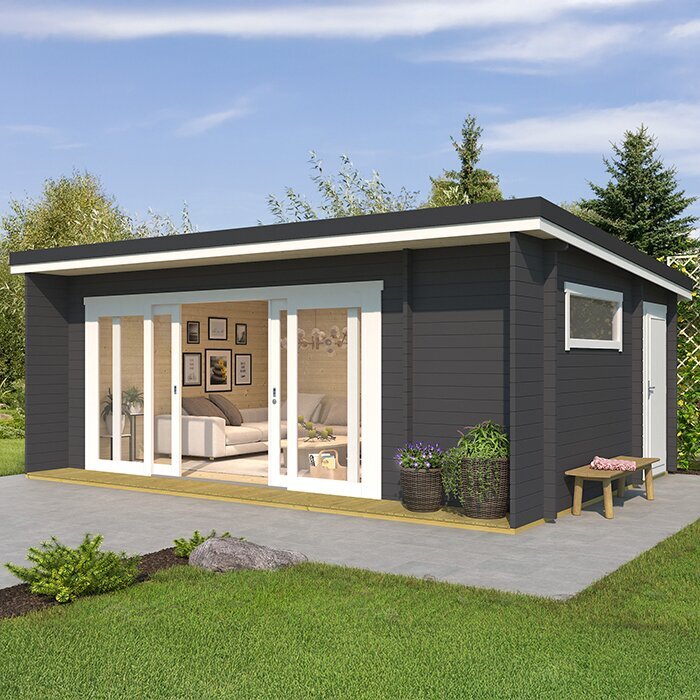
Get the current product specification, dimension drawing, assembly instructions, care guidance and applicable warranty terms for the model and configuration you plan to order. Ask about expected upkeep and which items need attention while the shed is unused between visits, particularly if it needs to be ready when guests arrive. Check whether any finishing, treatment or ongoing care is described as the buyer’s responsibility, and retain that information with the order documents. The timber garden shed M entry is one option name to compare, but the label does not confirm its contents, finish, performance or suitability. Judge each option against written information and your guest-use brief.
Final checks before placing an order
Put unresolved points on one sheet before confirming the order: intended use and council advice; exact model and configuration; external and internal dimensions; access route; site and base requirements; ventilation and insulation details; and what delivery, unloading and assembly cover. Ask the supplier to answer against the precise model rather than a general product range. If a drawing, listing and written response disagree, ask which document governs the order and get the difference resolved before committing. Keep the final specification and correspondence together so you can check what was agreed.
Confirm the sequence of work as well: who prepares the site, who assembles the building, whether separate trades are needed and what must be finished before the first stay. Allow time for the work and any council or professional checks that apply; delivery does not mean the room is ready for guests. If the site or intended use changes after selection, revisit the earlier checks rather than assuming the original answer still fits. For wooden garden shed S, as for any option, the purchase decision should rest on the agreed specification and plan, not the name alone.
Frequently asked questions
Can any garden shed be used for overnight guests?
Not automatically. A garden shed’s name and appearance do not show whether it is suitable for sleeping accommodation or whether the proposed use meets local requirements. Ask your local council about the exact site and use, then get written product information and qualified professional advice where needed.
Should I choose a shed by its external dimensions?
No. External dimensions help establish the footprint, but they do not tell you the clear internal floor area, headroom or space taken up by walls and openings. Compare verified internal dimensions with your furniture and the room guests need to move around, and check the delivery route as well.
Does using a shed only a few times a year change what I need to check?
Frequency alone is not a reliable guide to requirements. Explain to your local council how the space will be used, whether guests will sleep there and whether services are planned. Ask what applies to your site before treating it as storage or placing an order.
What ventilation and insulation information should I request?
Ask for written details of the ventilation provisions and opening arrangements, plus insulation information for the walls, roof and floor. Check what is included in the exact configuration, how moisture and condensation are addressed, and what conditions the supplier says the design is intended for. Do not infer performance from photos.
When should I arrange the base and delivery?
First confirm the model’s documented base requirements, the site’s suitability, the route for components and who is responsible for delivery, unloading and assembly. Resolve council questions and any professional advice before work begins, so a planned position or configuration does not have to change later.
The most suitable choice is the one whose documented dimensions, site requirements and intended use align with the way guests will actually use the space. Resolve the question of overnight stays before comparing appearance, then check the council position, room layout, delivery route and written construction details. If important information about suitability or installation remains unclear, pause the order rather than filling the gaps with assumptions. That leaves you with a more reliable basis for choosing a garden shed for occasional guests.
