
Buying a Garden Shed on a Fixed Budget: What to Prioritise
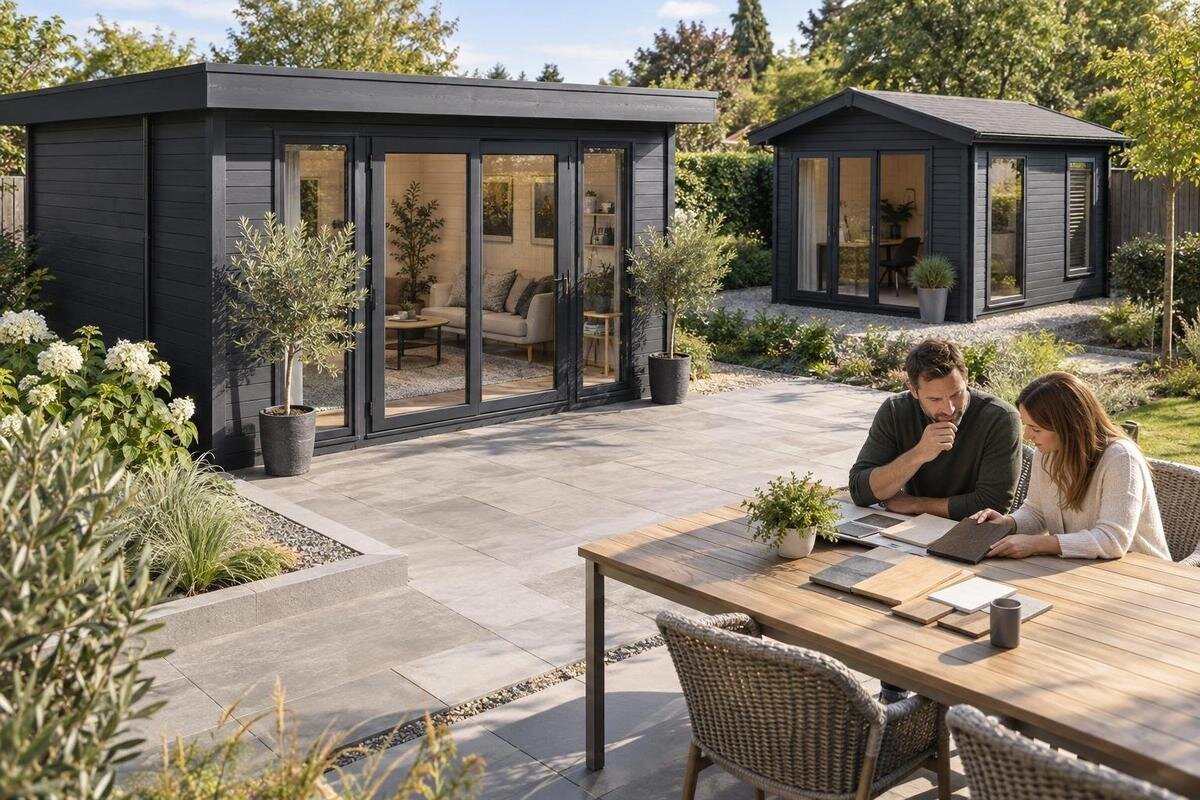
Garden shed buying guide
A fixed budget does not mean choosing the cheapest shed on the page. It means deciding what the building must do, then paying first for the size, access and construction details that make it usable on your property. The advertised price is only one part of the project cost: delivery, base preparation, assembly and essentials can affect the total. This guide separates must-haves from optional features and gives you a consistent way to compare listings, so the garden shed you buy fits both the job and the amount you can spend.
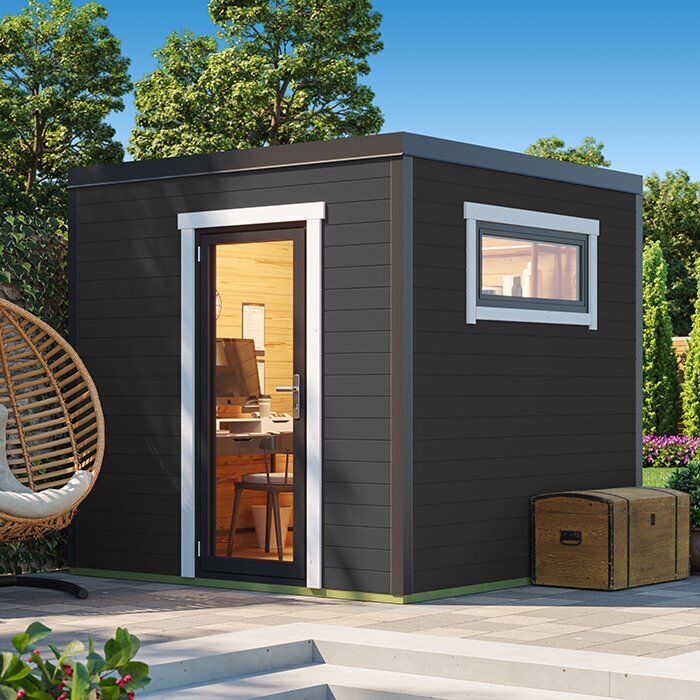
Budget checklist 1
Set a total project budget
Work out the maximum you can spend on a usable setup, not just the building. Set a ceiling for the whole project and a target for the shed itself, leaving room for costs that depend on the site or delivery arrangements. That reserve is not extra money for an appealing upgrade; it covers uncertainties such as preparation, assembly or components you discover are not included. Starting with one figure for the shed can lead to spending too much before you know what else is required. A total cap lets you rule out unsuitable options before getting drawn into comparing details.
Make a cost sheet with separate lines for the shed, delivery and unloading, base preparation, assembly, any required finish, and basic storage fittings. Mark each amount as confirmed, estimated or unknown; leave a question mark rather than entering zero if the listing says nothing. When you review the garden shed Verdana 1 product page, record the current displayed price and what the listing says is included, then note anything to confirm. Treat an unconfirmed item as a possible cost, not a promised extra. This makes it easier to see whether each option fits once the necessary work is counted.
List what the shed needs to store
Before comparing styles, list what you intend to store now, separating everyday items from seasonal ones. Note the largest and most awkward pieces, such as long-handled tools, a mower, bikes or potting supplies, and whether each needs to be wheeled, carried or lifted in and out. You need enough clear space to put things away and retrieve them, not merely room for their outlines on the floor. If your storage needs may change, distinguish a likely purchase from a vague possibility; paying for capacity you may never use can add cost and take up valuable space on the section.
Write a short description of the main job the shed must do. A place for garden tools has different priorities from a space where you also intend to pot plants or work on equipment; those uses may call for more clear floor area, headroom or natural light. Use the same description for every option, including the garden shed Verdana 2 listing. Check its stated dimensions and inclusions rather than drawing conclusions from a model name or image. This written brief helps you reject a poor fit even when an option has attractive features.
Budget checklist 2
Measure the site and access route
Measure the area where you might place the shed and note the space needed for doors to open and for you to reach the parts you use. Check the available height as well as the footprint, and look at nearby fences, walls, gates and trees. If the listing gives overhang or door-opening measurements, include them in your check rather than relying on a product photo. Marking the usable area on the ground with tape or pegs can make a tight fit easier to spot. If you have questions about site restrictions or underground services, resolve them before committing to a position.
Trace the route from the delivery point to the proposed position. Gates, turns, steps, low branches and a narrow path can affect what can be moved through and where assembly can happen. Ask the supplier what access and unloading arrangements are covered by the delivery quote, and whether your route changes what you need to organise. For each candidate, check the stated outer measurements, not its apparent size in a photograph; the Durano garden shed product page can be one row in the same comparison. Confirm missing measurements or delivery details before they become a last-minute cost.
Compare usable space with the items you own
Look separately at the outside footprint and the space you can use inside. A shed can fit a measured patch while leaving less clear floor area within it; framing, walls and roof shape can affect how that area works. Check whether the listed dimensions are internal or external, and compare the same type of measurement between options. For shelves, long-handled gear or bikes, usable width and headroom may matter more than an overall size label. If an important measurement is missing, ask for it rather than estimating from a picture or assuming that two similar-looking sheds offer the same space.
Match the largest items on your list to the usable space and the route through the doorway. Measure those items and check the opening dimensions if they are given, including any height or width that could make moving them awkward. Think about where shelves or other fittings would sit: they can make storage more organised, but reduce the clear area available for bulky equipment. Keep your notes beside the Veltor 1 product listing and any other option. This turns a general impression into a practical check without assuming that a particular model will suit your equipment.
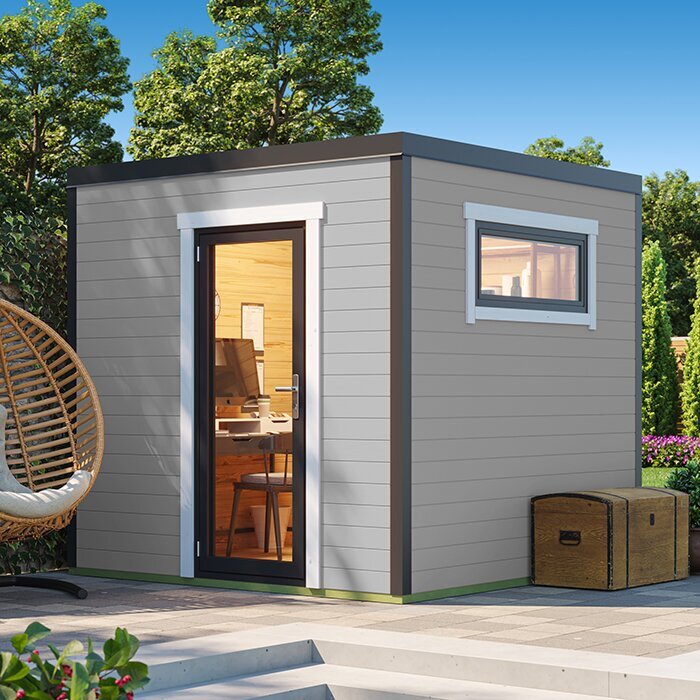
Budget checklist 3
Prioritise construction details over appearance
Construction and material descriptions need a closer look than a price label or polished image. Check what is specified for the frame, walls, roof covering and floor, if a floor is part of the offer. For timber, confirm what treatment or finish is supplied, whether a coating must be bought separately, and what care the maker recommends. Ask which fittings and fixings are included. These details can affect both your initial outlay and the work you take on after purchase; a material name on its own does not tell you what is included or how a particular listing is finished.
Consider the conditions at the intended site and what the supplier says about the product's use and care. Avoid inferring durability or weather performance from a name, photograph or a single stated feature. Compare the written specifications and ask for guidance where something important is unclear. If your site or intended use raises questions beyond the product information, get advice from the supplier or a qualified building professional before ordering. You can use the Orello 1 listing as a comparison entry, but judge it by the details actually provided, not by assumptions about its construction.
Choose doors and openings for everyday use
Door layout affects how easily you can get equipment in and out. Check the opening width and height if listed, which way the doors move, and how much space they take up when open. An outward-opening door needs room outside; a sliding arrangement has its own clearance and may not open across the full width. These are questions to verify for the particular option, not features to infer from a photograph. Think about the largest item you need to move through the opening and whether a path, fence or garden bed could make access awkward.
Decide whether windows or ventilation openings are useful for the way you plan to use the shed. If you will spend time working inside, daylight may be worth paying for; if it is mainly for storing tools, another feature could matter more. Check whether any openings are actually included and where they are positioned. For items that have specific storage requirements, ask the supplier what the product information recommends rather than assuming an opening makes conditions suitable. The Modano 1 product page can be checked against the same questions as every other listing.
Budget checklist 4
Include the base, delivery and assembly
Treat the base as part of the purchase budget, not an afterthought. Find the supplier's requirements for the base dimensions and surface, then compare them with what is already available at your site. Do not choose a base simply because it is the cheapest option or because it worked for a different shed; the product requirements and site conditions may not be the same. If the information is unclear, ask before ordering. Where the site or construction raises questions beyond normal product guidance, consult a qualified builder or installer. Sorting this out early can help avoid paying for preparation twice.
Ask exactly what the delivery and assembly prices cover. Clarify whether delivery includes unloading, how far the shed will be moved from the delivery point, and whether assembly is included or arranged separately. Check the listing for the stated kit contents, including any floor, fittings or finish you expect to need; do not assume an item is included because it appears in an image. If you plan to assemble it yourself, consider the time and tools involved as well as the cash cost. Add the garden shed M product page to your comparison, then verify any missing details directly.
Separate must-haves from optional features
Once the fit, use and setup costs are clear, sort features into must-have and optional groups. A way to lock the door may matter if you plan to store valuable equipment; extra glazing, a particular finish or more shelving may be less important if they do not improve your main use. None of these should be assumed from a photograph or product title, so check what the listing actually describes. For each option, ask whether it solves a real problem, how often you will benefit from it and how much it adds to the total. The garden shed S listing can be assessed with the same list.
Use three columns: required before purchase, useful if the budget allows, and possibly addable later. Do not put a feature in the last column until you have checked whether it can be added, whether it is compatible and what the later cost might be. Some choices are more straightforward to settle before ordering than after the shed has been assembled, so ask the supplier about anything that could affect the layout or construction. This avoids saving a small amount now only to discover that a feature you rely on is difficult or expensive to add later.
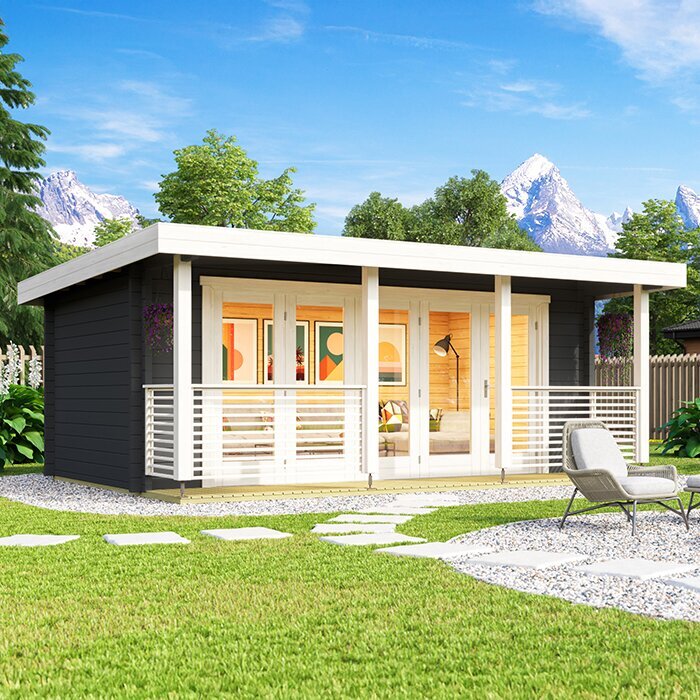
Budget checklist 5
Compare listings on the same basis
Use the same comparison lines for every candidate: current displayed price, dimensions and whether they are internal or external, stated materials, included items, delivery, base requirements, assembly and any separately priced finish or fittings. Compare the total for an equivalent usable setup, not two headline prices that cover different things. If one option has unanswered questions, mark those gaps rather than calling it cheaper. This is especially useful when listings present delivery or extras differently; ask what applies to your order instead of assuming that a price includes the same services as another.
Read the product information and purchase terms closely. Confirm that you have selected the intended model and options, and check the current details for delivery, assembly, returns and any applicable warranty terms. Do not treat an item shown in a photo as part of the kit unless the listing says so. If a detail affects your budget or whether the shed will fit, ask for written confirmation and keep the reply with your comparison notes. Prices and delivery information can change, so use the figures confirmed for the order you are considering.
Use a final checklist before ordering
A simple scorecard can keep a tempting extra from distracting you from a practical problem. First check the non-negotiables: the shed fits the site, stores the items you have listed, has suitable access for those items, and comes with confirmed setup costs that remain within your cap. Then compare optional benefits against their added cost. A low price does not make a poor fit good value, and a long feature list is not useful if you will not use those features. Mark any unanswered point as pending rather than treating it as a yes.
Before paying, review the final configuration, current total, delivery arrangements and included items against your notes. If no option meets the essentials within budget, consider removing optional features, choosing a smaller size that still fits your needs, or waiting until you can cover the complete setup. Do not cut a requirement simply to meet the shed's displayed price. Confirm the details that affect fit and cost first; a decision made from a complete comparison is less likely to leave you with a building that cannot do the job you bought it for.
Frequently asked questions
What should I prioritise first when buying a garden shed on a fixed budget?
Check that it fits the site and stores the items you actually need to put away. Then confirm the required base, delivery and assembly costs, along with the construction details relevant to your use. Consider appearance and convenience features only after those essentials fit within your total budget.
Is the lowest-priced shed usually the best value?
Not necessarily. Compare the complete cost and what each option includes, rather than relying on the displayed price alone. A lower figure may not include items or services you need; an option with more features may cost extra without helping with your particular storage needs.
Can I add shelves or other features later?
That depends on the particular shed and the feature. Ask the supplier whether an addition can be fitted later, whether it is compatible and what it would cost. If a feature could affect the layout or construction, check it before ordering rather than assuming it will be easy to add.
How much should I allow for the base and assembly?
There is no single amount that suits every site or product. Check the supplier's base requirements, then get a clear estimate for any preparation and assembly that you are not doing yourself. Keep these costs separate from the shed price until they are confirmed.
Which measurements should I check before ordering?
Check the outside footprint and height, the usable internal space, and the door opening if those dimensions are provided. Compare them with the site and the largest items you plan to store. Also check the route from the delivery point to the proposed position.
Buying on a fixed budget is mainly about deciding which costs protect fit and function, then refusing to pay for options you do not need. Keep one written comparison sheet, separate confirmed costs from unknowns, and check the intended use, site, base, delivery and inclusions against the same cap. If a key detail remains unclear, resolve it before ordering. A shed that genuinely accommodates your essentials is a better budget choice than a larger one whose added cost leaves the rest of the project unfinished.
