
Buying a Garden Shed When Delivery Access Is Limited
Garden shed buying guide
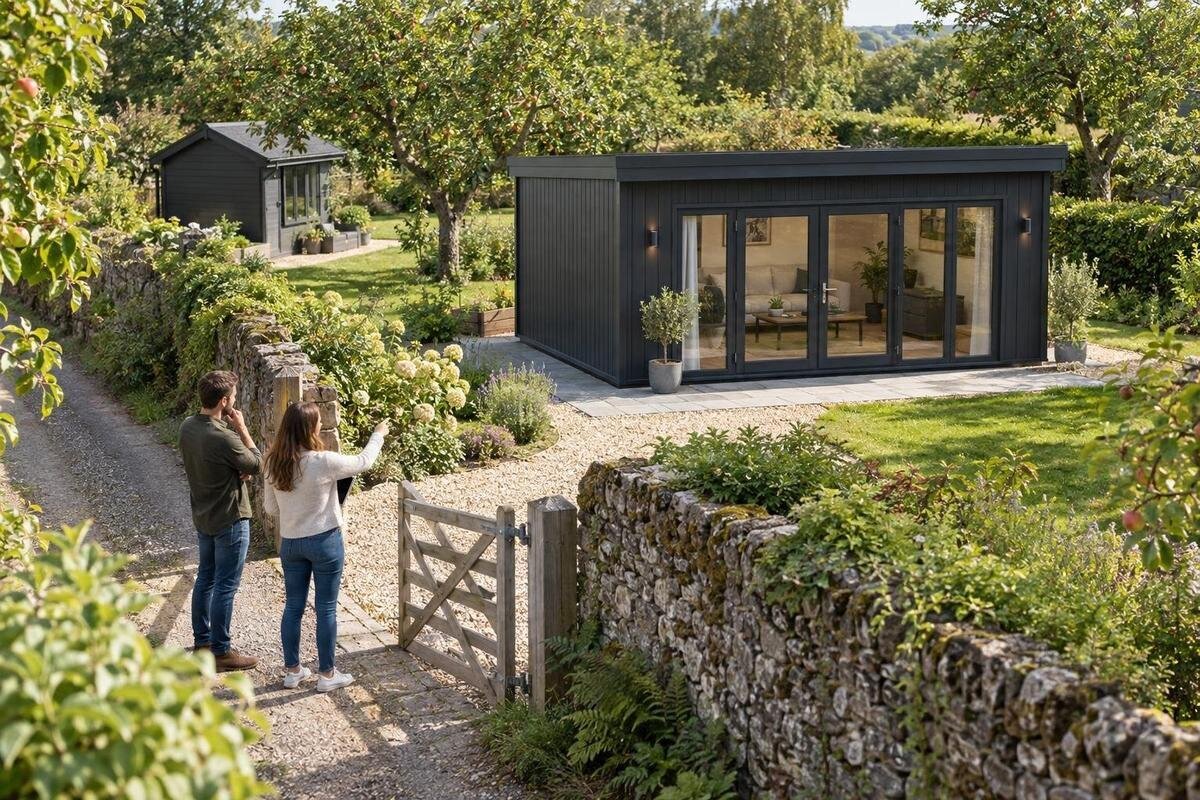
Buying a garden shed with limited delivery access is as much a logistics decision as a choice about appearance or floor area. A shed that suits the garden can still be a poor purchase if its parts cannot pass a gate, negotiate a turn or reach the agreed unloading point. Compare the delivery route with the way the particular model will arrive, not only with the completed shed’s dimensions. Measure vehicle access and the final path, then confirm what the delivery service includes. If a key dimension or handover detail is unknown, get a model-specific answer before ordering.
Compare transport dimensions with the finished shed size
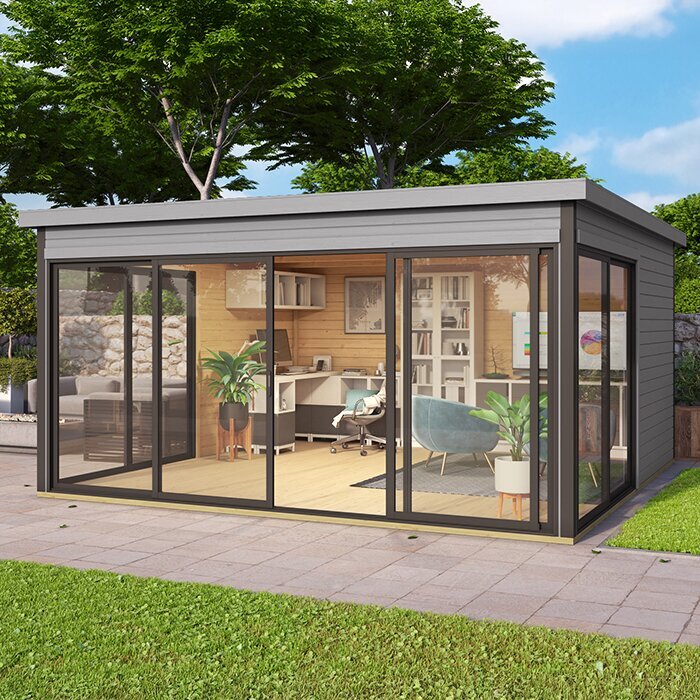
Finished dimensions describe the built shed, not the space its delivery takes up. Ask whether the selected model arrives as an assembled unit or in packages, and request the dimensions of the largest package and the full packed load where applicable. Confirm that the figures refer to the exact model and configuration you are considering. A listing may show the shed’s footprint without transport measurements, so treat missing pack information as an open question, not evidence that the route is clear. Check whether any protective wrapping, pallet or handling frame is included in the stated dimensions. This distinction can change which options belong on your shortlist before you compare appearance or interior layout.
Use each listing to find what is actually stated, then ask the seller for any missing details. When assessing the Verdana 1 garden shed, compare its published finished dimensions with the transport information supplied for that exact model. Do not infer package size from the model name, product photograph or floor area. If parts are delivered separately, ask for the size and number of packages; if the shed arrives assembled, ask which measurements and turning space the delivery team needs. A model-specific answer lets you rule options in or out on a practical basis rather than relying on a guess.
Measure the route from the road to the shed site
Trace the route from the place a delivery vehicle is expected to stop to the planned shed position. Measure every gate, side passage and fixed opening at its narrowest clear point, rather than relying on the nominal gate or path width. Include posts, hinges, latches and rails that remain in place; measure a gate when it is open as it will be for delivery. Record the minimum width and height, plus the length of each narrow stretch. Note whether a gate can be held fully open throughout the handover. Use millimetres for tight clearances and keep the figures together so they can be compared with the transport details.
Look beyond the obvious pinch point: a path may widen again, but a turn can require room to swing a long package around a corner. Note steps, changes in direction, doors that open into the route and anything that cannot be moved. Take clear photos from the approach and at each tight turn, with measurements labelled. Send those details alongside the exact model under consideration, such as the Verdana 2 garden shed listing. A product name or picture cannot establish whether your particular route is wide enough.
Check overhead clearance and turning space
Height matters at both the property entrance and along the path. Look for a carport, arch, low eaves, tree branches, clothesline or lighting that reduces overhead clearance, and note any change in level that could affect a vehicle or tall load. Ask the delivery provider what vehicle clearance it needs and compare that with the route, not just with the shed packaging. A package may fit under an obstruction while the vehicle cannot reach the unloading position, or the reverse. Consider overhangs and branches from both sides of the approach, not only what is directly above. Record each measurement separately rather than estimating by eye where a small difference could decide whether access works.
A tight bend needs more than enough width for a package to enter. Long items may need room to pivot, while an assembled unit may have different movement limits; only the delivery instructions can establish the required clearance. Ask the seller or carrier to assess turns, low roofs and vehicle manoeuvring from your measurements and photos. If overhead wires could affect access, do not handle or work near them; ask a suitably qualified person and the relevant provider to assess safe clearance. When reviewing the Durano garden shed, rely on confirmed dimensions and delivery guidance for that model, not an assumed handling method.
Separate vehicle access from the final carry
A vehicle reaching the property does not necessarily mean the shed can be brought to its intended position. Confirm where the delivery vehicle can stop, where goods will be unloaded, and whether the route from that point to the build site is included in the service. A driveway may be accessible while a gate or side path is not, so assess the vehicle approach and the final carry as separate parts of the plan. Ask the provider what type of vehicle it expects to use and whether your measured entrance and manoeuvring area are suitable.
Describe the ground and obstacles along the final route, including steps, narrow side paths, gravel, soft ground or changes in level. These details can affect how packages are moved, even when the clear width appears sufficient. Wet conditions can also change whether a route remains practical on the arranged day. Do not assume a trolley or other handling equipment can be used on every surface; ask the delivery provider what it can manage. The Veltor 1 garden shed can be included in a shortlist, but its listing should be checked for model-specific transport details rather than used to guess how the last part of delivery will work.
Confirm what the delivery service includes
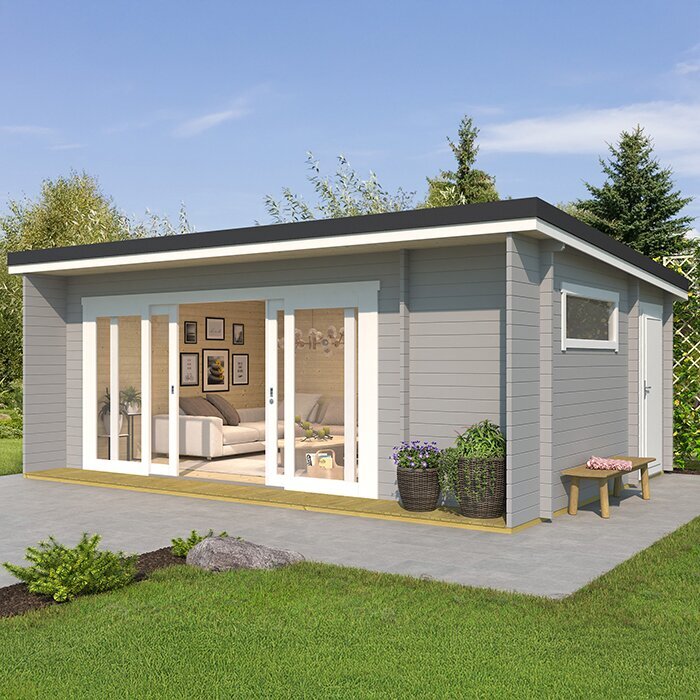
Before buying, pin down what “delivery” means for the particular order. Ask whether the service covers arrival at the address, unloading, movement to the shed position or assembly, and which of those tasks are excluded. Confirm the precise handover point: a property boundary, driveway, roadside location or another agreed place. Ask whether the handover location needs to be level or accessible from a particular side. Do not assume that a driver will carry packages through a gate or place them on the prepared site simply because delivery is offered to the address.
Read the relevant delivery terms for access limits, the help you may need to provide, and what happens if the agreed route is unavailable on the day. Ask whether a failed or rescheduled delivery could involve additional charges, rather than assuming either that it will or will not. Keep the answer with the order details for the exact model. For example, when checking the Orello 1 garden shed, make sure the delivery arrangements refer to the selected listing and handover point, not a general description that leaves the final carry unclear.
Plan unloading and package handling
Ask for the number of packages, their dimensions and their weights, along with any stated handling or equipment requirements. These details help you work out whether the delivery plan suits the route and who needs to be involved. Do not base a lifting plan on the shed’s overall size or guess at package weights. Confirm who unloads the goods, whether the provider expects assistance, and whether any equipment must be arranged separately. If the provider cannot answer for the particular order, seek clarification before making a commitment.
Consider where packages can be placed if they cannot go straight to the build site, and whether there is enough room to keep them clear of the delivery route and other access. Identify a location that does not block a garage, footpath, gate or shared driveway while work is pending. If assembly will take place later, ask the seller what storage conditions it specifies; do not treat packaging as proof that goods can be left outdoors. For the Modano 1 garden shed, as with any listing, request the handling and delivery information for the exact model rather than assuming what its packages require.
Check assembly access as well as delivery access
A route that works for delivery may still leave too little space to assemble the shed. Check the assembly information for the working room required around the planned position, the route for bringing components to the base, and whether access is needed on more than one side. Consider whether nearby fences, retaining walls or planting would prevent tools or components being positioned as instructed. The required space depends on the particular design and assembly method, so do not rely on the finished footprint as a guide. Ask for instructions for the exact model before deciding where it can be built.
Confirm whether the shed is intended to be assembled at its final position or whether the delivery plan involves moving an assembled unit. Do not assume that either method is possible on your site; check the instructions and clarify any uncertainty with the seller or installer. Also establish whether assembly is included in the order or needs a separate arrangement. The Timber garden shed M listing is an example to investigate by its exact model information, not evidence of a particular assembly method or space requirement.
Give each supplier the same access information
Prepare a short access brief that records the exact model, the vehicle stopping point, route widths and heights, tight turns, steps, surface changes and intended unloading area. Add labelled photos that show the approach and the narrowest points. Include the date if temporary obstructions or seasonal growth may alter the route before delivery. Send the same information to the seller and delivery provider so that each can respond to the same constraints. Ask for a clear answer about the proposed delivery method and any unresolved measurement, rather than relying on a general assurance that access should be fine.
Use the replies to compare options on more than finished size or appearance. Record the transport dimensions, delivery scope, handling requirements and any extra service or charges that have been raised. Keep model names and versions exact, since similar names do not prove that packaging or delivery arrangements are identical. When considering the Wooden garden shed S listing, for example, compare only the details confirmed for that listing. A written access brief makes it easier to see which questions remain unanswered before you order.
Prepare the property for the delivery
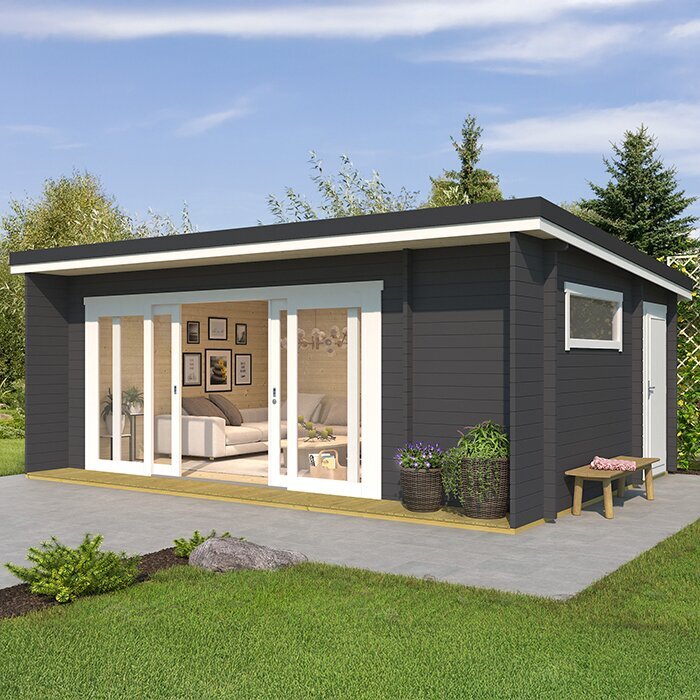
Once the handover plan is agreed, check that the access described to the provider will still be available on delivery day. Arrange for gates to be open, keep the measured route clear, and account for parked vehicles, bins or other movable items that could reduce the available space. Check that temporary items have not been placed in the turning or unloading area. If the route uses shared access, confirm that it will be available at the agreed time rather than assuming it will be. Tell the provider in advance if anything about the approach or unloading point has changed.
Make sure someone knows where the goods are meant to be left and who is responsible for receiving them. Have the agreed unloading area ready, with enough clear space for the planned handover; do not expect the driver to wait while you create access or find help. Check the delivery terms for appointment arrangements and a contact to use if access changes. A straightforward handover depends on the real conditions on site matching the details given when the order was arranged.
Choose a different arrangement if the route will not work
If your measurements do not meet the stated requirements, or the delivery provider cannot confirm that the route is suitable, ask whether another vehicle, unloading point or delivery arrangement is available. Treat these as options to verify, not services you can assume will be offered. An alternative drop point only solves the problem if the goods can then be moved to the shed site safely and with permission. Ask who would handle that part and whether it changes the delivery scope or cost.
If access would need to be altered, check who has authority over the area and arrange appropriate help before relying on that change. Do not remove a shared boundary or make last-minute changes near overhead wires to force a delivery through. Allow time to obtain and communicate confirmation of any revised arrangement before the delivery date. You can compare another model, but check its transport dimensions and assembly requirements from the beginning: a smaller finished shed is not necessarily supplied in smaller packages. If no workable route or delivery arrangement can be confirmed, postponing the purchase is safer than guessing.
Frequently asked questions
What should I measure before choosing a garden shed?
Measure the clear width and height of each opening, the narrowest parts of the path, and the space available at bends. Also check the vehicle’s approach and the planned unloading point. Compare those figures with transport dimensions for the exact model, not only its finished size.
Are the shed’s finished dimensions enough to confirm delivery access?
No. Finished dimensions describe the completed shed, not how it is transported. Ask whether it arrives assembled or in packages, and request the relevant package dimensions and handling information. The route also needs enough room for any package or assembled unit to turn.
Does garden shed delivery include moving it to the intended site?
That depends on the terms for the particular order. Confirm whether delivery means arrival at the address, unloading at a driveway or boundary, carrying items to the shed site, or assembly. Get the handover point and any access requirements confirmed before ordering.
What should I ask about package weights and unloading?
Ask for package weights, the number of packages, and any stated handling or equipment requirements. Check who is responsible for unloading and whether you need to arrange people or equipment. If the provider cannot confirm that the plan suits your route, ask about alternatives before purchase.
What if no delivery vehicle can reach the property?
Ask the seller or delivery provider whether another vehicle, unloading point or delivery arrangement is available, and what each option would require. Check that goods can then reach the shed site safely and with permission. If no workable route is confirmed, hold off ordering or compare another model using its transport details.
Treat the route, transport information and delivery scope as part of choosing a garden shed, not as details to sort out after checkout. The right option is one whose confirmed delivery format can pass through the measured access, whose handling and assembly requirements suit the site, and whose handover point is clear. If any of those facts is missing, keep the purchase undecided until the seller and delivery provider clarify it. A few careful measurements may narrow the shortlist, but they help prevent choosing on finished dimensions alone and discovering too late that the shed cannot reach its planned position.
