
Buying a Garden Shed with a Large Glass Front
Garden shed buying guide
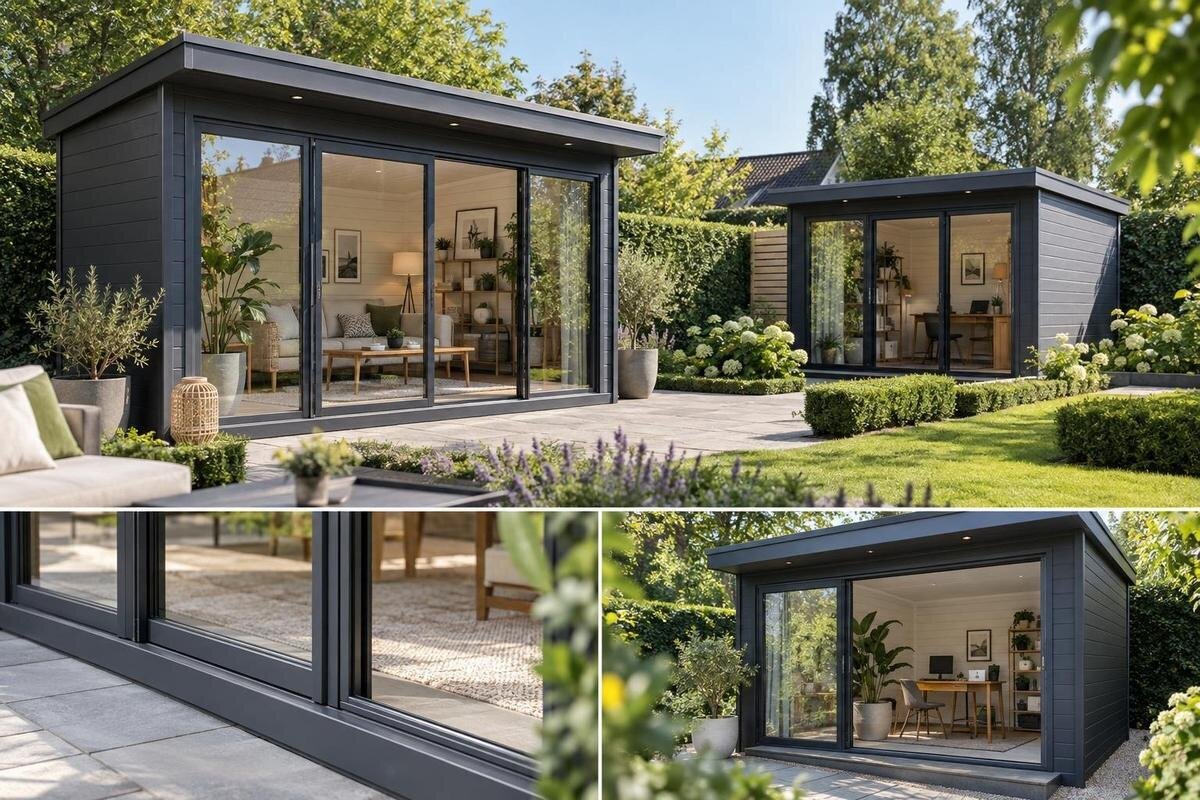
A garden shed with a large glass front can feel brighter and more open than a solid-front alternative, but a product photograph shows only one part of the buying decision. Glazing affects how daylight reaches the interior, how much wall space remains for storage, and how easily people outside can see in. The shed must also fit the site, its intended use and the route for delivery and assembly. This guide focuses on the details worth comparing before you choose, rather than treating the appearance of the frontage as proof of what the shed can do.
Buying checklist 1
How a large glass front affects daylight
A large glazed area can make a shed feel brighter, but it does not guarantee even light across the floor. The result depends on how much of the front is glass, the depth and layout inside, which way the front faces, and shade from trees, fences or nearby buildings. A bright catalogue image cannot show how the interior will look at your property throughout the day. If you want daylight over a potting bench or hobby table, look at the floor plan and consider where that activity will sit in relation to the glazed wall. Also think about tall shelving, stored equipment and internal partitions: these can cast shadows or limit where daylight is useful. A view of the garden is a bonus, not a substitute for checking the space you will use.
Think about how you will use the shed at different times of day. Light can change with the sun, weather and seasonal shade; a tree that is small now may affect the outlook later. If you can, mark the proposed front on the ground and observe the site at the times you expect to be inside. Also consider reflections on a screen or glossy work surface if those would matter for your activity. This siting check can help you decide whether you want the glass facing a view, a more private part of the garden or a particular work area.
Match the shed to its main use
A shed used mainly to store garden equipment has different priorities from one intended for potting, crafts or occasional downtime. Write a short list of what must fit, how often you will use the space and whether you need room to move around while doing the main activity. Include awkward items such as lawn equipment, long-handled tools or a work table, rather than estimating from a general idea of storage. Then separate essentials from nice-to-haves. A glass front may appeal because it brings the garden into view, but it does not tell you how much storage space remains or whether the layout suits your routine. Consider what you will keep inside and whether it needs to stay out of sight.
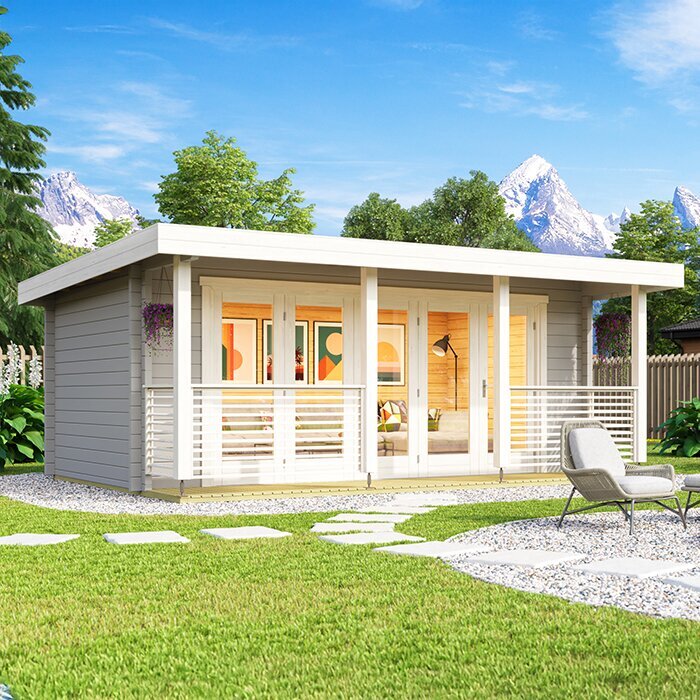
Use the listing’s stated dimensions and layout to see how your intended use could work, rather than judging by appearance alone. You can add Verdana 1 to your shortlist and record only the details confirmed on its product page. If you are considering regular work or extended stays, establish what the manufacturer specifies for weather protection, ventilation and insulation, and whether power or other services need separate planning with qualified tradespeople. A shed that looks like a studio in a photo is not automatically equipped or suitable for that purpose.
Buying checklist 2
Check what the glazing actually includes
Large glass front is a visual description, not a precise specification. Check how much of the frontage is glazed and whether the product drawing shows fixed panels, opening sections or a mix. Find out where the entrance sits and how much solid wall remains. These details affect where you can position a bench, shelves or stored items, and how you move in and out. If a listing uses broad terms without showing the arrangement, look for a technical drawing or ask for a clear description before comparing it with another shed.
For each option, note the stated glass type, panel arrangement and measurements, along with any unanswered questions. Check that the drawing or specification refers to the exact model you are considering; a similar-looking image may not show the same configuration. Use Verdana 2 as another listing to inspect, but leave any details blank if they are not confirmed there. That makes differences between options easier to see and helps prevent an attractive rendering from standing in for the information you need to order confidently.
Assess privacy and sun at the proposed position
The position of the shed affects both the light through the glass and how exposed the interior feels. Stand where the front is likely to face and look back from neighbouring windows, paths and the parts of your garden where people spend time. Consider what can be seen from inside and outside, not just the view from the house. Include ordinary movements around the property, such as someone using a side path or arriving at a gate, because these can be more revealing than a distant view. There is no single compass direction that suits every property: nearby trees, buildings, fences and your daily use all influence the result. Think about whether the best outlook also gives you the privacy you want.
Use string or another simple marker to sketch the proposed footprint and front on the ground. Walk around it from the viewpoints that matter, and check for shade at different times if daylight is a priority. Note any planting you hope to add, but do not rely on it for immediate privacy or forget that mature plants can also shade the frontage. Compare these site notes with the information shown for Durano and other options on your shortlist; the listing cannot tell you how the shed will look from your particular garden.
Buying checklist 3
Measure the footprint and access route
Measure the available area before choosing a model. Check the external dimensions on the product plan, not just the stated floor area, and allow for roof projections or eaves if they are shown. Consider the space needed to operate the chosen openings and to walk around the shed for use and maintenance. Leave room for tasks such as clearing leaves, washing the glass and reaching any side that will need future attention. Also check the proposed base dimensions and requirements. A space that appears large enough on a screen can be awkward in practice if a path, fence or garden feature leaves little room to reach the entrance.
The route for delivery and assembly matters as much as the final position. Measure narrow gates and turns, note steps or overhead branches, and ask what access is required for the components and any assembly service. When reviewing Veltor 1, use its confirmed plan details rather than estimating from a photograph. If the ground is sloping or uneven, do not assume a standard base will suit it; ask the supplier or a qualified builder what the product requires for your site before making the order.
Plan the interior around glass and storage
A broad glazed frontage may leave less uninterrupted wall space than a solid front, so plan the inside as carefully as the outside. Mark the entrance, glazing and any opening panels on a floor plan. Then sketch in the items you need: a bench, shelving, tools, a chair or larger equipment. Include the clearance needed to open cupboard doors, pull out drawers or safely lift frequently used items. Leave a clear route between the entrance and the areas you will use. This simple drawing can reveal whether a layout works better with storage along a side wall or whether a chosen activity would block access to something else.
Check the usable dimensions and panel positions on the product drawing before deciding that furniture will fit. For instance, enter Orello 1 in your comparison and test its confirmed layout against the sizes of the items you plan to bring inside. If the listing does not make clear how much floor space or wall space is usable, ask before ordering rather than assuming that the external footprint gives the full picture. This is especially useful when the shed needs to serve both as storage and as a place to spend time.
Buying checklist 4
Compare glazing details and maintenance
Look for product information about the glazing and frame, including the type of glass and the way panels are supported or sealed. Ask what the documentation says about safety and performance for the intended use and site. Do not infer strength, insulation or other technical qualities from how clear or substantial the glass looks in a photo. Check how the outside of the frontage can be cleaned, what care the frame needs and whether replacement panels or parts can be obtained if required. These are practical details that can affect long-term ownership.
If a specification does not explain these points, request the relevant product information from the supplier. Where safety or exposure is important, discuss the documented details with an appropriately qualified professional, such as a glazier or installer, before choosing. You can review Modano 1 in the same way as the other candidates, recording what its listing confirms and what still needs an answer. Consider conditions at your own site, such as strong sun, wind, rain or salt air, rather than assuming every location places the same demands on a frontage.
Check privacy and security arrangements
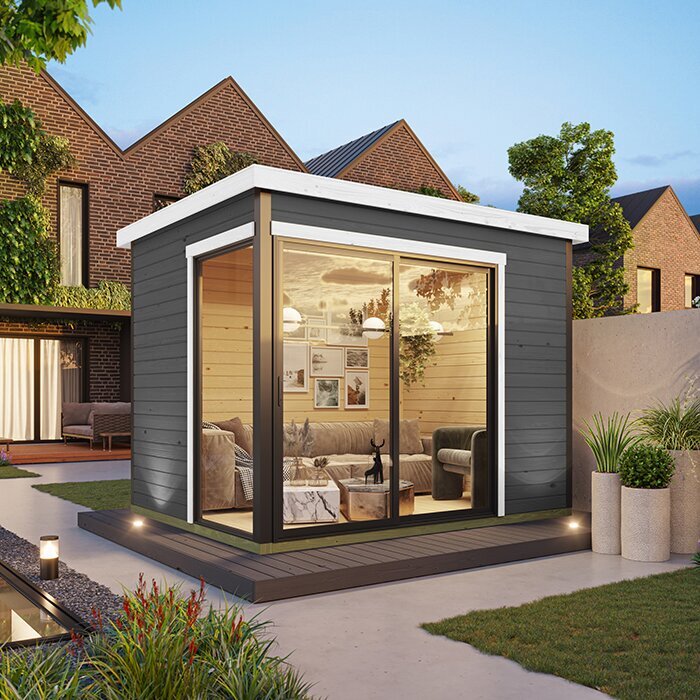
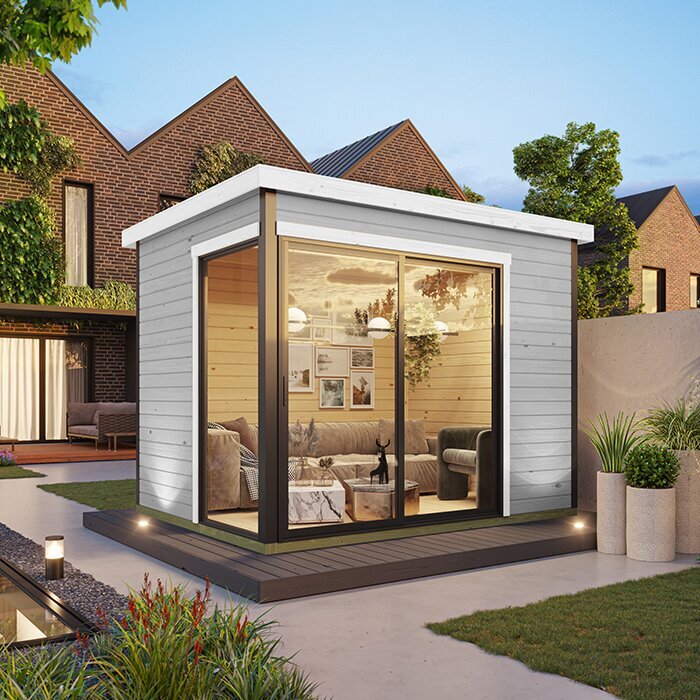
Consider what people outside could see through the glass, particularly if the shed faces a path or a neighbouring property. The view into the interior may change when lights are on after dark, so think about how you will use the space in the evening as well as during the day. If you are considering curtains, blinds or another screen, check whether they are included and whether they can be fitted without interfering with any opening panels. A screen can also alter the light and view you wanted from the glass, so include it in your plan rather than treating it as an afterthought.
Check the documented security details instead of assuming that all glazed sheds have the same fittings. Look for information about locks, how opening sections are secured, and what is specified about the glazing itself. If the product information is silent on a point that matters to you, ask for clarification before ordering. Include Timber Garden Shed M in your review only on the same evidence-led basis as the other listings: its name and images do not establish how it is secured or whether it meets your needs. This keeps privacy choices separate from unverified security assumptions.
Buying checklist 5
Confirm what the order and delivery include
Before paying, confirm exactly what the quoted order covers. Check whether the description includes the glazing, frame, hardware, floor or base components, and any other items you expect to receive; do not assume that a picture shows everything supplied. Ask whether assembly is included or arranged separately, and clarify who is responsible for unloading. If you are comparing prices, compare like with like by noting any additional work or materials your site may require. A written breakdown makes it easier to understand the full commitment without relying on a headline figure.
Confirm delivery arrangements and access requirements before the site is prepared. Ask how the components arrive, what space is needed for unloading and whether the intended route is practical for the delivery and assembly arrangements. Check any stated lead times and charges directly with the seller, as none should be inferred from a product name or image. If a base or other preparation must be ready first, establish the required specifications and sequence with the supplier or installer. Sorting these details early can prevent an otherwise suitable choice from becoming difficult to receive or assemble.
Compare the evidence before choosing
Put your shortlist side by side and compare the same points for each shed: confirmed external dimensions, glazing arrangement, usable layout, stated technical information, privacy at the proposed position, access and order requirements. A simple table can separate confirmed facts from open questions, so a missing detail is not mistaken for a favourable feature. Give the most weight to the requirements that affect your planned use and site; appearance still matters, but it cannot compensate for a layout that does not work or an unanswered requirement that is essential to you.
Add Wooden Garden Shed S to the comparison only if it is relevant to your shortlist, then check its product information by the same criteria. Before ordering, resolve any unknown that could change your choice, particularly the glazing arrangement, base requirements or delivery access. If the available information does not answer a technical question, ask the supplier or a suitably qualified professional rather than drawing conclusions from the model label. A careful comparison leaves you with a shed whose glass front, position and layout match the way you intend to use your garden space.
Frequently asked questions
Will a large glass front make the whole shed bright?
Not necessarily. The light inside depends on the size and position of the glazing, the room layout, which way the front faces and how much shade reaches the site. If daylight matters for a particular activity, compare the plan with the spot where you expect to work.
How can I tell whether a glass-fronted shed will feel private?
Check the views from nearby houses, paths and other parts of your garden, both at standing and seated height. Consider how the site looks at different times of day. If you plan to add screening, confirm that it is compatible with the glazing and whether it is included.
Can I use a garden shed with a glass front as a home office?
A glazed frontage alone does not show whether a shed is suited to regular work. Check the product information for details such as weather protection, ventilation and insulation, and find out what else your intended use would require. Ask the supplier or an appropriate qualified professional if information is missing.
What glazing details should I check before ordering?
Confirm which parts of the front are glazed, whether any panels open, and what the product information says about the glass, frames, safety, performance and care. Ask how to clean and replace the glazing if this is not explained. Do not use a photograph to fill gaps in the specification.
Which site measurements matter?
Check the shed’s external dimensions, any roof projections shown on the plan, the space needed to operate its openings, the base requirements and the route for delivery and assembly. If the ground is uneven or sloping, get suitable advice about the base before ordering.
A large glass front is most useful when the light, outlook and layout suit the way you plan to use the shed. The best choice is not simply the one with the biggest-looking expanse of glass; it is the option whose confirmed details fit your site, privacy needs, storage plan and delivery arrangements. Take time to compare those details before ordering, and treat any unresolved requirement as a question to answer rather than a feature to assume.
