
Buying a Garden Shed With Sliding Glass Doors
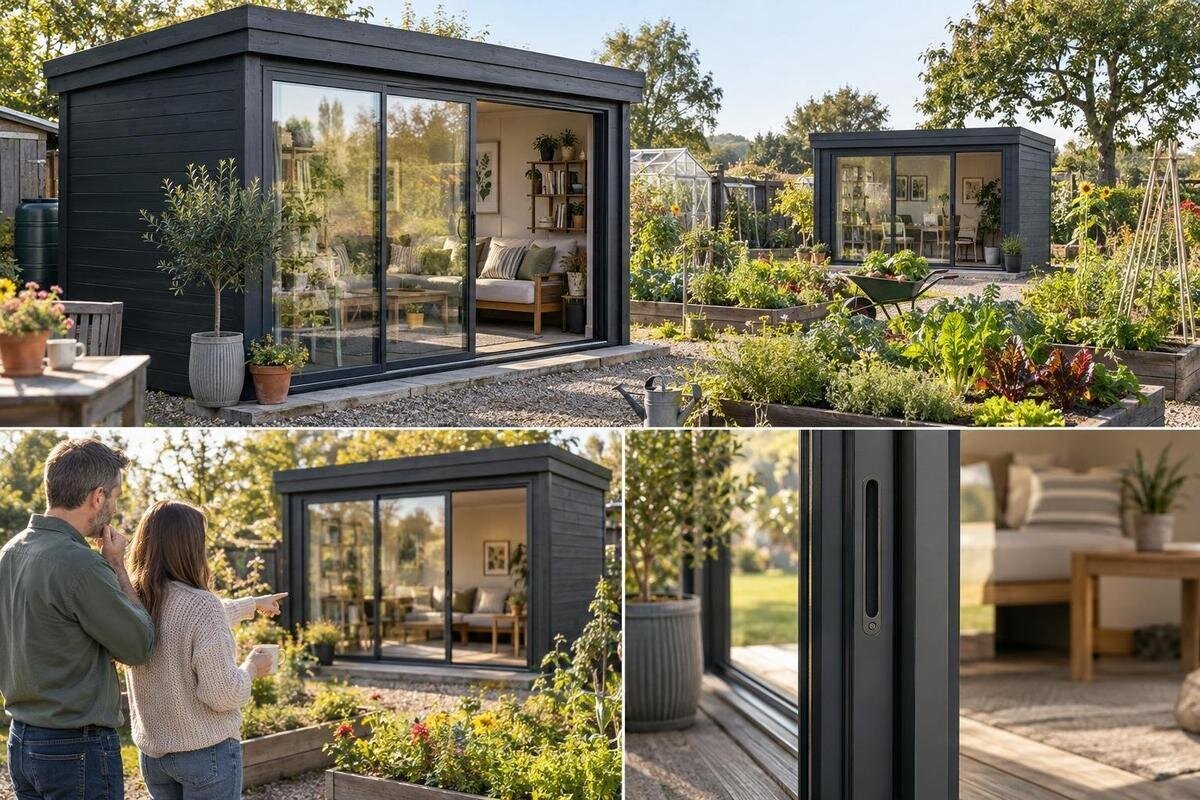
Garden shed buying guide
Choosing a garden shed with sliding glass doors means weighing the look of a glazed entrance against the way the shed will work on your site. Sliding panels avoid a hinged door’s outward swing, but they still need a clear approach and may not expose the full width of the doorway. Compare the usable opening, interior layout, site footprint, glazing and track details, then check what preparation, delivery and assembly involve. A photograph can help you judge the style; only the written dimensions and specifications can establish whether a particular option suits your plans.
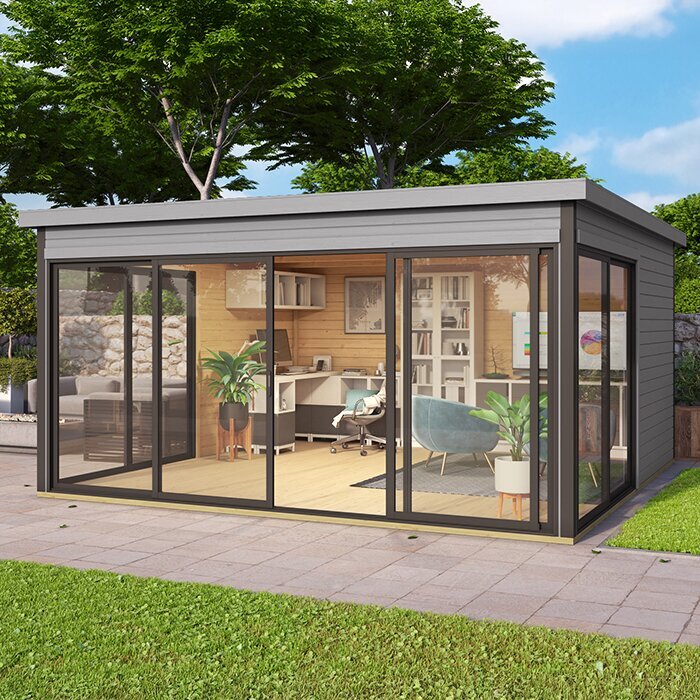
How sliding doors affect the entrance
Sliding doors change how you use the entrance. A panel travels sideways along a track rather than sweeping through an arc, which can help where a hinged leaf would meet a path, planting or furniture. But the width of the glazed frontage is not necessarily the clear passage. In many arrangements, a moving panel passes another panel, so only part of the frontage opens at once; the exact layout varies. Ask for the clear width and height with the door fully open, not only the overall width or nominal door size. Note the lower track or threshold too, since a raised edge or groove can affect wheeled gear. If there are multiple configurations, confirm the measurements apply to the one you would order.
Think about the largest item that needs to pass through as well as everyday entry. A mower, bench or storage box may need more width or headroom than a person, and the route should leave you room to guide it safely. Check how much of the opening stays clear, whether the panels can be held open and where their edges travel. For any candidate page, including the Verdana 1 listing, record a clear opening only if it is actually specified. Do not estimate it from a product image or assume the full glass width becomes usable space. For wheeled gear, consider the turn and alignment before the threshold, not just the item’s width.
Match the shed to its intended use
Write down the main job of the shed before choosing a layout. A place for tools has different priorities from one used for potting, hobbies or occasional seating: tall gear needs a route past the entrance, shelves need wall space, and a bench needs room to work without blocking a sliding panel. List what will stay inside, what you need to reach often and whether bulky objects must come through the doorway. Then ask whether the glazed opening and internal arrangement make those tasks easier or leave less practical wall area for storage. Do not treat a glass door as proof that a shed is designed for living or all-season use.
Sketch a simple floor plan with the door on the correct side and add the largest items in their likely positions. Mark shelves, a work surface and the route from the entrance to the things you use most; keep the sliding path free of obstructions. A comparison sheet for options such as the Verdana 2 product page can separate confirmed internal measurements from assumptions. If the intended use might change, decide which features matter now and which could be rearranged later. Ask the seller to confirm dimensions or intended-use details that are missing from the published information.
Measure the clear opening and approach
Measure the entrance as usable access, not just the outline shown in a product title. Check the width and height available when the sliding leaves are open, and confirm whether a stated measurement includes the frame or threshold. On your site, mark the front of the proposed shed and the area where you will stand to open and use the doors. A sliding panel needs no swing arc, but the frontage still has to be approachable and the track kept clear. Ask whether a stated opening is measured between the frame edges or between the open panels; those figures may differ.
Use a tape measure and a plan of the exact proposed position, including fixed obstacles that could restrict access. If an existing path turns before the doorway, measure the route and turning area as well as the final gap; a clear opening is of little use if the item you want inside cannot be manoeuvred through it. Where a gap narrows, record its tightest point rather than an average. When looking at the Durano listing, distinguish the overall shed dimensions from the usable doorway dimensions. If a plan does not define a measurement, ask for a dimensioned drawing or written clarification rather than scaling the image.
Choose a suitable place in the garden
Check the proposed surface and surroundings against the maker’s site-preparation information. Note whether the ground is firm, uneven or sloping, where rainwater naturally runs, and whether branches or nearby structures could interfere with the shed. These observations do not determine a universal base design; they show what needs to be resolved before ordering. Consider water coming from a nearby roof and whether trees could create ongoing debris or access issues. If you are unsure whether a proposed base or location is suitable, ask a qualified local professional to assess it. Do not assume that placing a shed on lawn or beside an existing building meets the product’s requirements.
Think about how people will reach the doors, and whether future planting, paving or planters could block the panel’s travel area. The frontage should not become a pinch point between a fence and a path. Check boundary, access, service and permission questions with the relevant local authority or a qualified professional where needed. When considering the Veltor 1 page, compare its stated footprint with the actual site rather than treating a product photograph as evidence that it will fit a particular spot. Include planned landscaping in your site sketch so the entrance remains practical after the garden is finished.
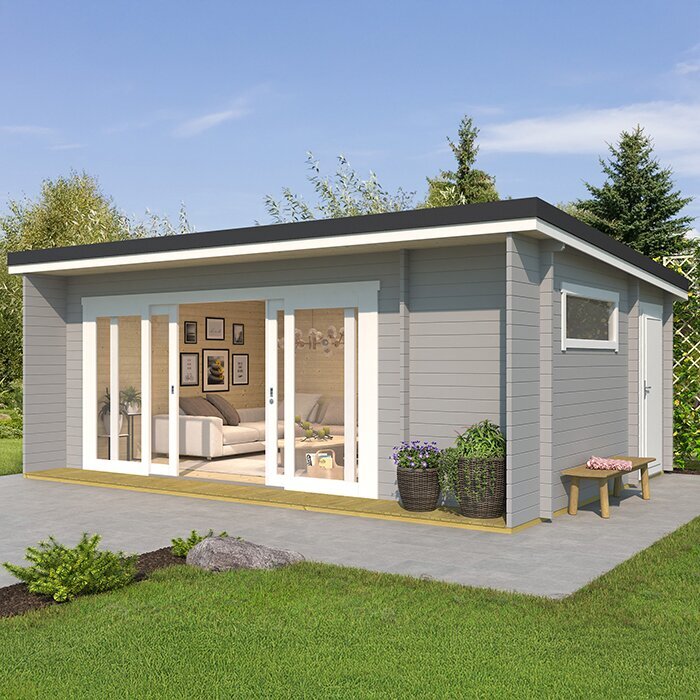
Check the full footprint and height
Compare external dimensions with the internal floor area; they answer different questions. The outside size determines the space taken on the property, while wall thickness and the layout affect usable room inside. Check overall height as well as width and depth, and note whether a drawing gives measurements at the roof edge, eaves, base or another point. A footprint may also need to account for components that project beyond the main walls, if the plan shows them. Different listings may define or round dimensions differently, so use the seller’s stated measurements when drawing the shed to scale alongside fences, paths and nearby structures.
Check the plan against the way you intend to use the shed. A nominal floor area may still feel awkward if shelving or equipment narrows the route from the sliding doors. Internal height matters for tall tools or shelving, and a roof shape can affect how much of the interior is useful; look for a drawing rather than assuming the full floor area has uniform headroom. Keep any space needed for door movement or manufacturer-specified maintenance clear, rather than counting it as storage. On a page such as the Orello 1 listing, note whether dimensions are described as internal or external, and ask if that distinction is not clear.
Inspect the glazing and sliding mechanism
Ask what type of glass is specified and whether the product information includes safety details; appearance alone does not identify the glazing. Compare the stated information with the intended location and use, and seek advice from a qualified local professional if you need to confirm a safety or compliance requirement. Check how the panels are framed and what the supplier says about seals and weather exposure. If the listing says only that the doors are glazed, ask for the details you need before making a comparison. Do not assume that a large pane or a particular appearance in a photograph confirms impact resistance, insulation or protection from wind-driven rain.
Ask how the track and rollers should be cleaned and maintained, and what to do if a door becomes difficult to move. Find out how the panels lock, whether an open door can be secured, and whether seals, rollers or other moving parts can be replaced. If a lower track sits where soil or leaves could reach it, ask how to keep it clear and what maintenance the maker recommends. Do not assume a flyscreen, privacy panel or lock is included; check the stated package. Treat the Modano 1 product page like any candidate page: rely on published details and seek confirmation for anything important that is not stated.
Balance daylight with privacy
Glazing can bring daylight into a shed, but the amount and feel depend on the design, the direction of the doors and the surroundings. Visit the proposed spot at different times if you can, noticing direct sun, shade and reflections from nearby surfaces. Look at sightlines from paths, neighbouring windows and outdoor seating, and consider how artificial light inside might make stored items visible after dark. A clear panel may reveal contents from outside; do not assume glass is tinted, obscured or reflective unless the product information says so. If privacy matters, check whether a compatible screen or covering is available and whether it would interfere with sliding panels.
Plan the interior around what the glazing makes visible and where light falls. Valuable or visually cluttered storage can sit away from the line of sight, while a work surface may benefit from daylight if the layout allows it. Check that shelves, hooks or hanging items will not obstruct the doors or rest against the glass. If you are considering blinds, curtains or external screening, make sure they will not block panel movement or any ventilation openings. Treat those additions as separate choices unless the order details explicitly say they are included.
Compare materials and maintenance requirements
Read the construction and finish details as separate questions, not as a single material label. If the chosen shed is timber, ask what information is provided about the timber, any treatment or coating, and whether it arrives finished or needs care after assembly. If it uses another material, check the equivalent product-specific guidance. The product name alone does not establish species, finish or maintenance needs. Ask whether parts exposed to the weather need particular care, and compare the written instructions and stated limits for the actual model. Consider whether you can carry out the recommended maintenance in the location you have chosen.
Look for care instructions covering cleaning, recoating, moisture exposure and replacement of seals or hardware where relevant. Ask what maintenance is expected over time, what products or methods the manufacturer permits, and whether any warranty terms depend on following those instructions. Read the terms rather than assuming coverage. A listing such as the Timber Garden Shed M page is a starting point only for details explicitly published about that model. If finish, treatment or upkeep information is missing, request it before comparing the likely ongoing effort with another option.
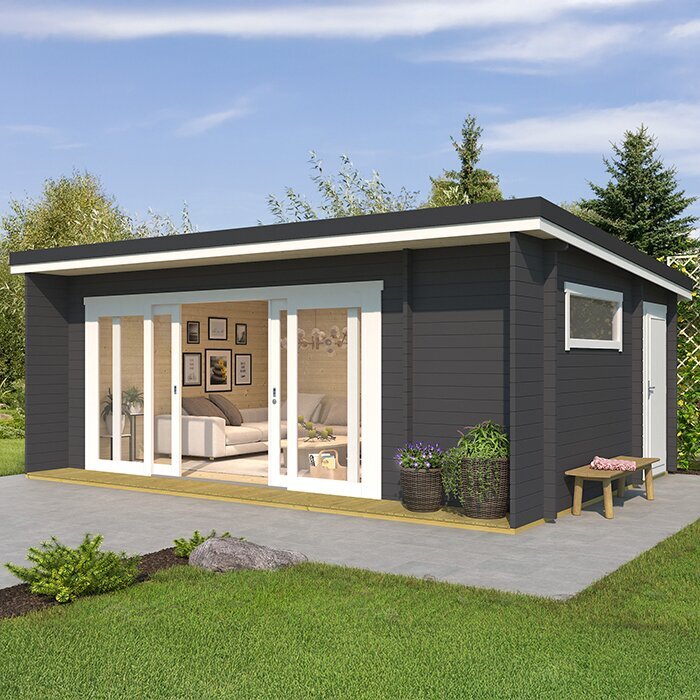
Confirm site preparation, delivery and assembly
Delivery can change what seems like a straightforward purchase. Before ordering, confirm the delivery area, any charges shown, what will be unloaded and where, and whether the carrier can reach the intended drop-off point. Measure gates, turns and overhead restrictions along the route, and ask about package dimensions or unloading requirements if they are not supplied. Check the seller’s current delivery terms for your address; do not assume a product page gives a delivery date or includes moving components to the final site. Clarify access issues before committing, particularly if the route involves a narrow entrance or more than one turn.
Confirm who is responsible for assembly and what the price or package includes. Ask whether the base, floor, fixings, installation support and door hardware are included or separate, and what preparation must be complete before assembly. Follow the model’s site instructions; where ground, drainage or structural questions need judgement, use a qualified professional rather than improvising from a photo. Ask how the glass panels are handled during delivery and assembly, and whether the supplier explains the process. The Wooden Garden Shed S page is another listing to review for details it actually publishes, not evidence of what a different model includes.
Compare the final specifications before ordering
Compare candidates in one table and mark each item as confirmed, not stated or still to ask. Include external width, depth and height, usable interior area, clear sliding-door opening, panel travel, material and finish, glazing information, included accessories, base or assembly requirements and care. Record the exact configuration as well as the model name; dimensions or options may differ between versions. This makes gaps obvious and prevents a visually similar design from seeming equivalent when the written details differ. Keep photos separate from specifications: a wide-angle view can distort scale, and an image cannot establish how far the door opens or what is included.
Before submitting an order, recheck the exact model and configuration, listed dimensions, door position, colour or finish if selectable, quantity and delivery address. Read the current terms for payment, delivery, cancellation, returns, damage reporting and warranty, and note any conditions or additional charges that apply. If the information leaves an important question open—especially the clear opening, site preparation or suitability for your intended use—ask for written clarification first. Choose a shed only when its confirmed details fit both your plans and the site; if they do not, continue comparing rather than relying on an assumption.
Frequently asked questions
Are sliding glass doors better than hinged doors for a garden shed?
They can suit a site where a hinged door’s outward swing would get in the way. Sliding doors still need room for the panels to travel and a clear area to approach the entrance. Compare the actual open-door width and your site layout rather than choosing by door style alone.
How much clearance does a sliding door need?
There is no universal clearance figure. Check the door’s travel and the space you need to stand in front of it, then compare those measurements with the location you have planned. Ask for the manufacturer’s dimensions for the exact configuration you intend to order.
What measurements should I check before ordering?
Check the shed’s external dimensions, internal floor area and overall height, along with the clear width and height of the doorway when open. Confirm how each measurement is defined, and include the footprint and approach space on your site plan.
What should I ask about the glass and track?
Ask what glazing is specified, how the doors lock and how the track, rollers and seals should be maintained. Do not infer safety, weather or insulation performance from a photograph. If you need advice about a safety or compliance requirement, consult a qualified local professional.
Do glass doors make a garden shed suitable as a year-round room?
Not by themselves. A glazed entrance does not establish that a shed is insulated, weather-tight or intended for year-round use. Check the product information for its stated intended use, ventilation and weather details, and confirm any requirements for your planned use before ordering.
The right garden shed with sliding glass doors is one whose open-door access, interior layout and full footprint work together on your site. Let the written specifications and ordering terms settle the practical questions, while the appearance helps you choose between options that genuinely fit. That way, the doors are part of a considered purchase rather than the only feature driving it.
