
Buying a Hot Tub in Stages: Essentials First, Extras Later

Hot tub buying guide
Buying a hot tub in stages can make the overall outlay easier to organise, but the sequence matters. An accessory that seems optional may be part of the model's required setup, while an attractive extra may have no bearing on first use. The useful distinction is not simply 'essential' versus 'nice to have': it is whether an item is included, required by the exact model or chosen site, needed before delivery, needed before filling and use, or genuinely deferrable. Product names and photographs do not establish package contents. Use the chosen model's written inclusions and instructions to build a timeline, then hold back optional purchases until you know they solve a real need.
01
Check the package for your exact model
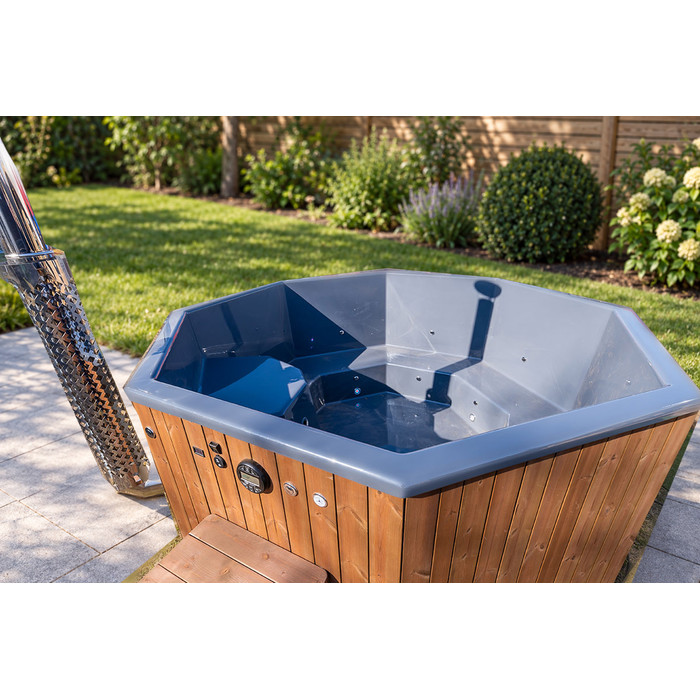
Start with a current, written inclusions list for the exact model and purchase configuration. A catalogue title identifies a product; it does not tell you what is in the box. Do not infer that a cover, filter, water-care starter kit, fittings, steps or other accessories are included from a photograph or model name. Use the Aurora 10 product listing to identify the model when you ask for details, then have the seller specify every included item, optional add-on and exclusion in the quote. Check that the list applies to the precise variant you are ordering, not just a display arrangement or general package description. Ask whether separate shipping or fitting is included, and when each item is expected to arrive.
Mark each line as supplied, required but not supplied, optional or unconfirmed. Add a timing column: before delivery, before first fill and use, or later. Ask which items are required by this model's operating and care instructions, and whether a starter quantity is intended only for initial setup. Keep equipment, consumables and labour as separate entries; a supplied starter pack does not necessarily cover ongoing replenishment, and a fitted item is not the same as an accessory left for you to install. If an answer is verbal, ask for it to be recorded with the order so the delivery plan rests on the same list.
Prepare the site and delivery route first
Before delivery, confirm the final position and the entire route from the unloading point to it. Use the manufacturer's actual dimensions and handling instructions, then check gates, turns, steps, overhead obstructions and room to manoeuvre with whoever will deliver the tub. Ask what access or placement preparations they expect, including space needed for positioning or connection. If you are considering the Bloomcabin Hot Tub Haven 6, ask the delivery provider to assess the route against that exact model's dimensions and handling requirements. Do not book a date based on measurements from a different model or an assumption that the route will work.
Confirm the site and connection requirements in the current instructions before paying for preparatory work. The required surface, supports, utilities and any outside assessment depend on the chosen tub and location; use the manufacturer's guidance and a qualified local professional where the work calls for one. If the proposed position is on a deck or another raised structure, have a suitably qualified professional assess that exact structure rather than guessing from appearance or an empty-tub estimate. Ask who is responsible for electrical work and what current New Zealand requirements apply; an accessory bundle is not a substitute for that advice. Agree with the delivery provider what 'site ready' means.
02
Have first-use supplies ready
A tub arriving does not necessarily mean it is ready for first use. Find the exact model's instructions for initial cleaning, filling, filtration, water testing and treatment, and identify anything those instructions require you to have on hand. The right products and parts can depend on the system, so avoid buying a generic chemical set, replacement filter or cleaning product solely because it is marketed for hot tubs. If you are ordering the Bloomcabin Hot Tub Fjord 8, ask the supplier to identify the compatible supplies, quantities needed for initial setup and any items supplied separately. Compare that information with the package contents before adding supplies to your order.
Add the confirmed items to your first-use purchase list and keep the supplies together, separate from later comforts. Keep the instructions accessible and follow the manufacturer's directions and product labels; do not guess a dose or substitute a product because the packaging looks similar. Confirm which filter or other consumable is supplied, whether a spare is needed before first use, and how to obtain the correct replacement when it is due. If an instruction or required item is unclear, ask before filling or using the tub. A decorative or convenience accessory can wait; a confirmed operating requirement cannot.
Separate operating essentials from optional extras
Classify each item by what depends on it. Treat as an upfront essential anything the manufacturer says is required for installation, operation, routine care or protection, along with work needed to make the site ready. Treat equipment as a first-use essential only when the instructions or chosen setup make it necessary before the first fill or use. Items that make the area more convenient or comfortable can go into a later stage only if their absence does not conflict with instructions, practical access or your intended use. This avoids calling everything in a sales package essential, or assuming every separately sold item is optional.
Some items need a decision rather than a default label. A cover, access step, lifting aid or other accessory might be included, separately specified, required for a particular setup or a convenience choice; the written information for the exact model must settle which. Ask what the consequence is of not having it at delivery and before first use, and whether the tub may be used without it under the maker's guidance. When reviewing the Aurora 10 hot tub page, note any accessories you are considering and ask the supplier to classify each one for your proposed setup. Keep unresolved items in a 'confirm before order' column rather than calling them optional to save money.
03
Choose which conveniences can wait
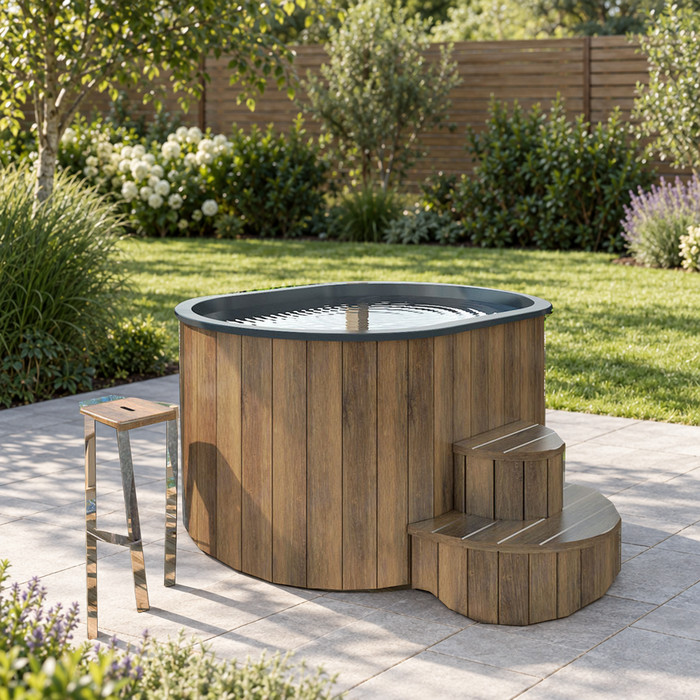
An extra can usually wait when it does not affect the model's required setup, water-care routine, access or the ability to fit it later. Think of convenience around the tub, such as a towel-storage solution, nearby seating or a drinks caddy, as a trial-after-use decision rather than a first-day requirement, provided none is part of the chosen installation plan. A comfort accessory can also be deferred if the maker confirms it is suitable and it will not obstruct normal use. These are examples of categories, not a claim that a particular accessory is available for every hot tub.
Living with the basic setup for a while can reveal what is genuinely inconvenient: where towels accumulate, whether there is somewhere to put personal items, or whether a planned addition earns its cost. Before waiting, check whether later fitting needs a particular gap, mounting point, connection or access to a side of the tub. If so, reserve that provision now even if you buy the accessory later. For extras you might add to the Cove 2 hot tub, ask about these requirements while planning the initial setup, and record them beside the deferred item. Delay the purchase, not the decision about prerequisite work.
Confirm accessory compatibility before ordering
Compatibility is more than an accessory looking the right size. For an item that sits against, attaches to, covers, replaces or connects with the tub, check the exact model and variant, supplier part number, permitted fitting position and any stated interface. Confirm whether the item is specified for that unit or merely described as universal, and ask how a fit has been verified. For water-care supplies or replacement consumables, match the system and part identification given in the manual. Do not base a purchase on a model number, a similar shell shape or another owner's photograph.
Get the answer in writing before ordering, particularly for covers, lifting aids, replacement parts or anything that needs a connection or professional fitting. Ask whether a later version, replacement component or accessory affects servicing access, routine care, use instructions or other work already planned. For the Haven 6 model, include the exact variant and proposed accessory part number in your enquiry so the supplier can check the combination. If the supplier cannot confirm the match, leave the item off the order until the manufacturer or a qualified installer has clarified it. A return is not a substitute for checking whether an item can be fitted at all.
04
Check what later fitting will involve
Some convenience purchases are easy to add later; others depend on decisions made while the site is being prepared. If a future item needs a fixed mounting point, a connection, space beside the tub or access to a particular side, ask whether that provision must be made before delivery or before surrounding work is finished. Do not assume completed decking, screening or a close-fitting surround can be altered without extra work. Have the supplier identify the relevant access and installation conditions for the chosen model, rather than relying on a general accessory diagram.
Ask the installer or supplier what later fitting involves: can it be done with the tub in its final position, or would it require moving the unit, draining it, opening a service area or coordinating a qualified tradesperson? These are questions to resolve, not tasks to attempt from a generic guide. If an upgrade involves electrical supply or structural work, use an appropriately qualified local professional and check applicable current requirements with them. For a planned addition to the Fjord 8 hot tub, ask which preparations belong in the initial work and which can wait until fitting. Record any prerequisite alongside the future accessory so it is not overlooked.
Track inclusions to avoid duplicate purchases
Keep a simple purchase register from the first quote onwards. For each line, record the exact item name or part number, whether it is included or separately purchased, quantity, supplier, arrival date, who is arranging any fitting and the stage when it is needed. Mark confirmation separately from an assumption, and update the register when a quote or delivery changes. This is particularly useful when the tub, site work and accessories come from different suppliers: each may use a different description for the same type of item, and a package name can hide what is actually in the order.
Before buying anything yourself, reconcile that register with the order confirmation and the physical delivery. Check whether a kit is a one-off starter supply or a reusable item, whether a listed component is already included, and whether the model-matched part is the one you need. Do not order a second copy just because a separate accessories page lists it; equally, do not assume a verbal promise means an item has shipped. If you choose the Bloomcabin Hot Tub Cove 2, record that exact model beside each accessory enquiry and have the supplier mark which items are confirmed for your order. A copy of the final list is also useful when consumables need replacing.
05
Budget for each stage
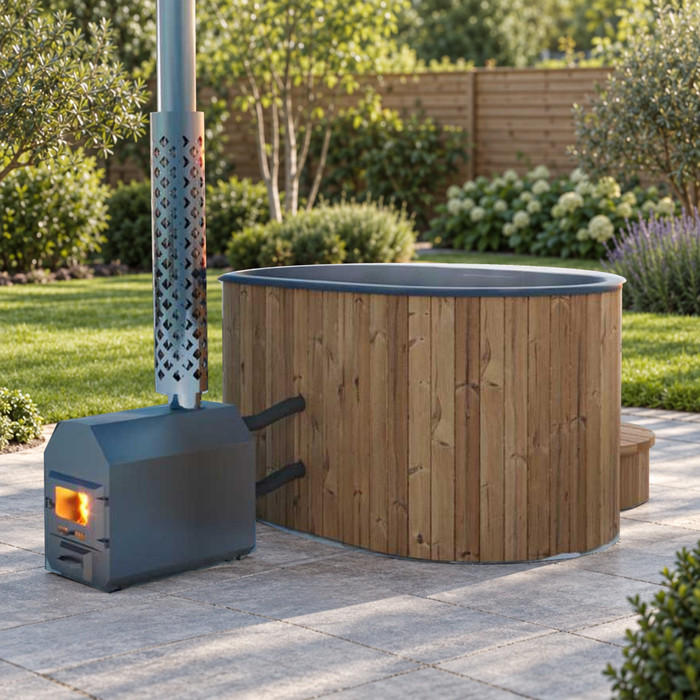
Build the budget by stage rather than comparing a hot tub's headline price with a finished setup. List the tub package, delivery and access costs, any site preparation or qualified work, supplies required for first use, ongoing consumables and optional additions as separate lines. Which costs apply, and their amounts, will depend on the chosen model, location and assessed work; there is no reliable amount to infer from a catalogue name. Ask for current New Zealand quotes in NZD, and check what each includes, excludes and assumes about access, delivery and fitting. Compare quotes for the same scope rather than just their totals.
Give unresolved essentials their own provisional budget line rather than allocating all the remaining funds to optional accessories. For example, leave room in the plan for site work until a qualified person has assessed it, and do not set aside money for a comfort item until delivery and first-use requirements are accounted for. A useful comparison records the model and variant, included equipment, separately priced items, delivery assumptions, who performs any work and whether the price or offer is time-limited. Add later extras only when compatibility and fitting costs are clear. This keeps the stages meaningful without pretending costs are identical for every New Zealand property.
Use checkpoints from order to first use
Use three checkpoints. Before ordering, confirm the exact model, written inclusions, item requirements, delivery route, final-position instructions, site and connection work, and who is responsible for it. Before delivery, check that the place is ready, any required professional work is complete and the delivery provider's conditions are met. Before first fill and use, have the model's instructions, required parts and water-care supplies available, and resolve any missing or uncertain item with the supplier or manufacturer. This sequence prevents a deferrable purchase from being confused with a prerequisite.
Then keep a later list for items that improve convenience or comfort but do not delay setup. Before placing one on that list, record whether it needs compatibility confirmation, reserved space, a connection or work that should happen now. Revisit the list after you have settled into the routine, rather than ordering every accessory at once. If an item has become necessary to your planned use, promote it to the appropriate stage and verify the fit; if not, keep it optional. A staged plan should leave the tub ready for its specified first use, not leave an essential task for an uncertain future date.
Frequently asked questions
Which hot tub items can I leave until later?
Usually, convenience or comfort additions can wait if they are not required by the exact model's instructions, do not affect access or routine care, and can be fitted later without extra work to the site. Check compatibility and any fitting requirements before deferring an item. If those points are unresolved, keep it on your confirm-before-order list rather than assuming it is optional.
What should I have before the first use?
There is no universal list for every hot tub. Use the chosen model's current instructions to identify required equipment, parts and water-care supplies for initial setup, then confirm which are included and which you need to obtain. Follow the maker's directions and product labels. Ask the supplier or manufacturer about any unclear requirement before filling or using the tub.
How can I tell whether a cover is included?
Check the written inclusions for the exact model and purchase package. Do not rely on a product name, photograph or general package description. Ask the seller to state whether a cover is included, whether it is a separate line item and whether any model-specific instructions affect when it is needed. Keep the answer with your order documents.
Should I buy water-care products with the hot tub?
Buy the products specified for the exact model and its water-care instructions, rather than choosing a generic set in advance. Confirm which supplies are included, what is needed for initial setup and whether a starter quantity is only for the first use. Have the required items ready when the instructions call for them; other supplies can be planned around the manufacturer's guidance.
How do I avoid buying the same equipment twice?
Keep one itemised list showing what is included, separately purchased, still unconfirmed or optional. Record names or part numbers, quantities and who is supplying each item. Before ordering independently, compare the list with your order confirmation and delivery. Check whether a starter pack is consumable or reusable, and confirm that any replacement part matches the exact model.
A staged purchase works when delivery and first use are treated as separate milestones. Confirm what the chosen model and site require for each one, and arrange those essentials before spending on additions that can wait. A written inclusions list, a clear record of what is still unconfirmed and a separate later-extras list make it easier to spread purchases over time without leaving a necessary part of the setup until the last minute.
