
Buying a Timber Garden Shed: A First-Time Buyer’s Guide
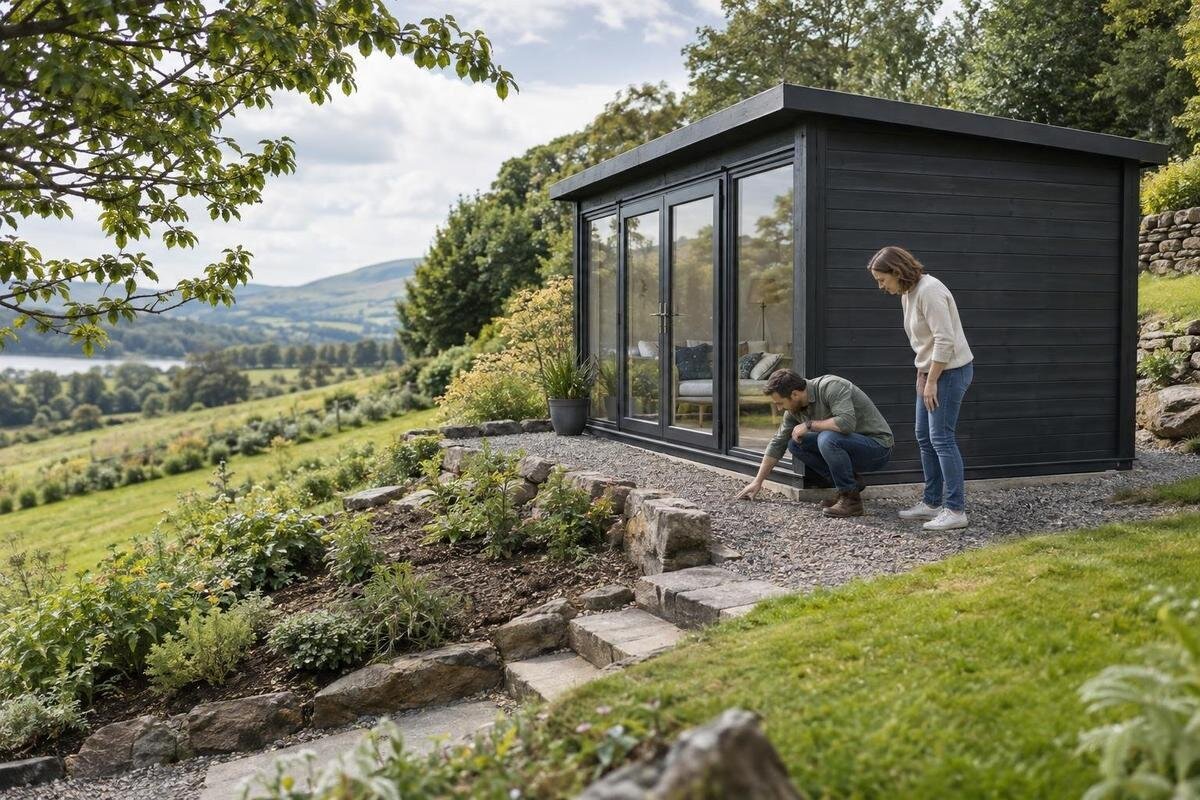
Garden shed buying guide
Buying your first timber garden shed can seem straightforward until you compare footprints, timber descriptions and what each listing includes. If you want to buy a timber garden shed that suits your property, work backwards from its job, the items it must hold and the space available on your section. A neat-looking option is not automatically practical: doorway clearance, site access, the base and care requirements matter too. This guide explains how to compare those choices without guessing from a product name or photo.
Define the shed’s main job
For a first shed, begin with what you want to keep protected or organised and how often you will reach it. List the largest items first, such as a mower, bikes, long-handled tools or garden supplies, and separate everyday gear from seasonal storage. Decide whether the shed is for putting things away, sorting equipment, potting plants or working at a bench. Each extra use takes up room, so a shed that holds the objects may still feel cramped when you need to move around them. Include likely purchases only when you have a real plan; vague future-proofing can leave you paying for space you rarely use.
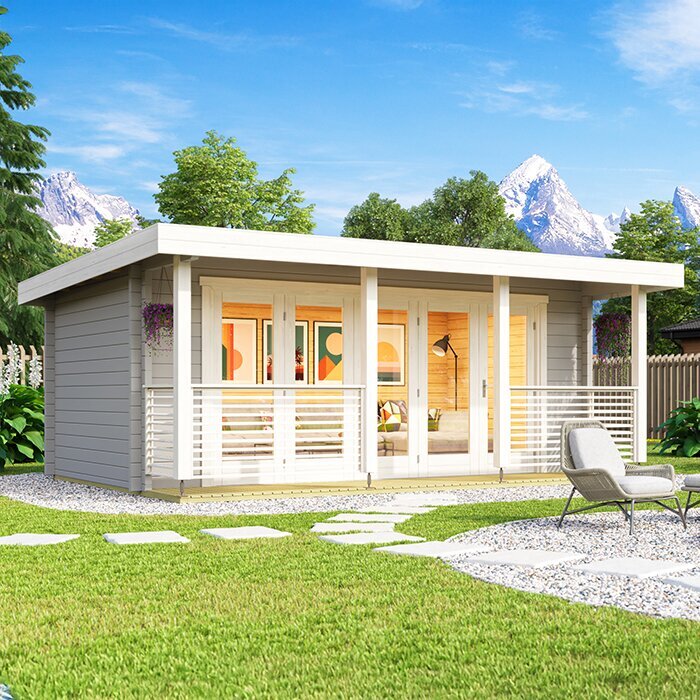
Mark each requirement as essential or optional. Frequent access can make a convenient entrance more important than an extra design feature; occasional storage may make a smaller footprint the sensible choice. Do not assume that a product label or model name guarantees a particular use. For instance, the Garden Shed Verdana 1 listing is one page you can assess against your written needs: rely on the actual dimensions, included items and stated purpose shown for that model, not the name alone. If you want the shed to serve more than one role, record the main one first and check that the listed details support it. This hierarchy helps keep an appealing design from distracting you from a basic requirement.
Size it around the items you own
Measure the items that drive the footprint, including the longest tool or widest piece of equipment, and note how you will carry or wheel each one inside. Allow for handles, baskets or accessories that normally stay attached; measuring the bare object can understate the space it needs. Group smaller belongings realistically rather than picturing an empty floor: containers, pots, garden supplies or sports gear may need a shelf or a clear spot. You do not need to design every shelf now, but identifying bulky and awkward items gives you a useful minimum to compare. Keep the measurements together so you can apply the same test to each model.
Compare the external footprint with any internal floor dimensions provided; they answer different questions. The outer measurement helps you test the shed against available ground, while the usable area shows whether stored items and an access path can fit inside. Mark the proposed footprint on the ground with string or a tape measure, then sketch where the largest items would go. Check that the outline does not block garden routes, gates or other features. When reading the Garden Shed Verdana 2 listing, use the figures actually published and ask for a missing dimension rather than estimating from a picture. A sketch can also reveal awkward corners that a single measurement will not.
Check the doorway and usable interior
The doorway can be the limiting measurement even when the floor area looks generous. Compare the clear opening, not just the overall building width, with your largest item; include its height if it needs to pass upright and consider whether it can be turned inside. The clear width may differ from the size of the door frame, so look for an actual opening measurement. Check how the doors open and how much clear ground they need, if that information is shown. Long handles, wide equipment or a bike may need a straighter approach than a small box. Work out the access route before committing to a footprint.
Inside, distinguish the stated floor area from room to move. Shelving, a bench or a row of tall tools can reduce the clear path, so sketch the intended arrangement and leave space to reach the items you use most. Check internal height as well as floor dimensions if you plan to store upright gear or add shelving; use stated figures rather than assuming a particular wall height. The Durano garden shed listing is a model page to inspect for its published measurements and drawings, not evidence of a doorway size by itself. If an opening or internal dimension is missing, ask before choosing. It is easier to resolve that question before delivery than after finding an item will not fit.
Compare the timber specifications
Timber is not a complete specification on its own. Check whether the seller identifies the wood species, grade or other relevant timber details, and whether any treatment is specified. Find out which parts the description covers: walls, roof, floor, framing and trims may be described separately, and a floor may or may not be part of the supplied package. Ask what construction and finish are included rather than assuming that two sheds described as timber use the same materials throughout. If the wording is unfamiliar, request a plain-language explanation and the supporting specification for the exact model. This helps distinguish a stated feature from a broad category label.
Use the wall and roof information together with the stated intended use; do not infer durability, insulation or maintenance needs from one number or an attractive photograph. Where a listing gives a thickness, ask which component it refers to and whether there are other construction details that matter to your comparison. Check whether the product arrives treated, coated or unfinished, and whether any initial finish is your responsibility. The Veltor 1 listing can be assessed on the same basis as any other candidate: compare documented details and note what remains unknown. For any feature that affects your decision, look for it in the information for that exact model.
Understand finish and ongoing care
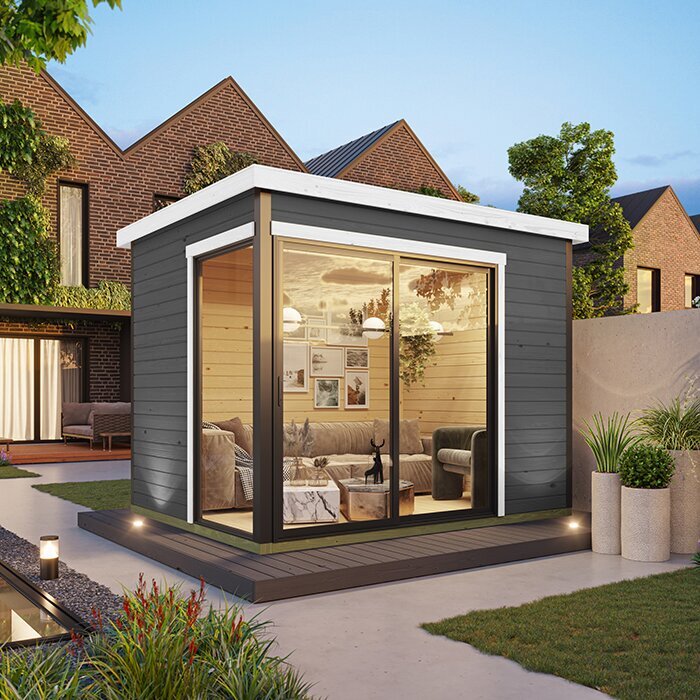
Timber sheds sit outdoors, but exposure can differ across a single section. Note whether the proposed position is open to sun, rain or prevailing wind, whether water tends to collect nearby, and whether leaves or vegetation will make access and cleaning difficult. These conditions do not tell you on their own how a particular building will perform; they help frame questions about its finish, drainage requirements and care. Avoid choosing on appearance alone if the position is exposed or hard to reach. Ask the seller which site conditions the product information addresses and which are left to the installer or owner.
Find out what maintenance the manufacturer recommends, including whether a protective finish is supplied, when any first application is due and how often future upkeep may be needed. Do not apply a generic coating based only on a photograph or a broad description; products and finishes can have different instructions. Include the time and materials for ongoing care in your ownership decision, and consider whether you can reach all sides of the shed once it is in place. On the Orello 1 listing, rely only on stated finish and care information; request details if the page does not answer your questions. These points can affect whether a particular option suits the time you are willing to spend maintaining it.
Choose a workable position on your section
Position affects whether the shed is easy to use as much as whether its footprint fits. Measure the proposed spot, then include any space needed for doors to open and for you to move around the structure. Check the ground for slope, soft or frequently wet areas, nearby trees, overhead branches, existing services and the route you will still use across the garden. Look at sightlines from the house and neighbours, and consider whether the location blocks light or access to garden features. If drawings show projections, include them in your site sketch rather than measuring only the wall outline. Leave enough room to reach the building for routine care.
Also check property boundaries and any council requirements that could affect the proposed location or use. Requirements can depend on the site and project, so do not assume a small shed is automatically exempt or that a product description settles the question; ask your local council before ordering if you are unsure. When considering the Modano 1 listing, use its actual dimensions and drawings, if provided, alongside a measured site plan; a photograph cannot show how it will sit on your section. If the ground is sloping or drainage is uncertain, get suitable site advice rather than choosing a position by appearance alone.
Confirm the base and assembly requirements
Ask what kind of base or supporting surface is required for the exact shed, and whether the floor, base and any fixings are included. Product descriptions do not all use these terms in the same way, so have the supplier clarify what is part of the building and what must be prepared separately. A surface that appears flat does not confirm that it meets the manufacturer's requirements. Follow the supplied documentation, and if the site is uneven, soft, wet or close to a retaining structure, speak with a qualified builder or installer about the preparation needed. Do not choose a base by guessing from the shed's size.
Assembly is another part of the choice, not an afterthought. Confirm how the product is supplied, what assembly work is expected, whether instructions are provided and whether you intend to do the work yourself or arrange an installer. Ask what tools, lifting help or access the process requires, but do not assume an assembly time unless it is stated for the model and conditions. Clarify who is responsible for checking the base before construction and what happens if site conditions differ from the instructions. These answers help you compare a kit with the practical effort of getting a finished shed, including any help you may need to arrange.
Plan delivery access to the final site
Consider the full route from the roadside to the chosen position. Measure the narrowest gate, path or turn, and note steps, slopes, overhead obstructions, temporary storage space and how far anything must be carried. A shed may arrive in components, but do not presume the package size or handling method from the product name. Ask the supplier what access the delivery needs, how unloading works and whether the components can be moved to the site by the route available. If an assembled unit is being considered, ask about the route and turning space for that option too. These details matter even when the final footprint fits comfortably.
Include the people and equipment needed to move or assemble the shed, along with delivery and any extra handling, in your comparison. A delivery point beside the driveway may not be the final position, and carrying heavy or awkward parts through a narrow space can affect whether the choice is practical. Before placing an order, give the supplier accurate details about gates, steps and access restrictions and ask what happens if a vehicle cannot reach the planned drop-off. For the Timber Garden Shed M listing, check its own delivery and assembly information rather than inferring it from the model name. Confirm any access conditions that could change the arrangements.
Compare the full purchase scope
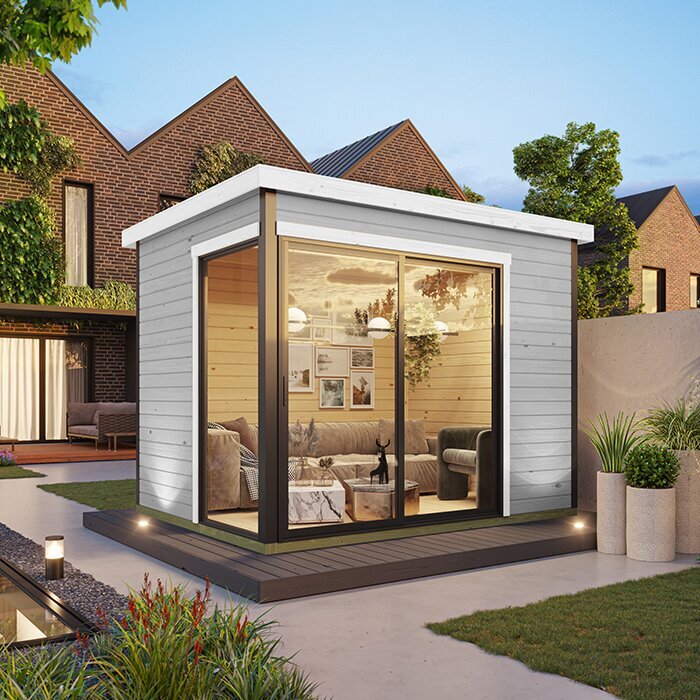
Compare the complete purchase scope, not only the quoted price or headline description. Put the candidates side by side for external and internal dimensions, timber details, floor inclusion, finish, any listed openings, assembly requirements, base preparation and delivery. Mark each point as included, optional, excluded or unclear. This makes two differently presented offers easier to compare and highlights when an apparently lower-priced choice leaves out something you need. Do not pay for features without a use, but do not overlook a necessary item merely because it appears in a separate part of the listing or quotation. Ask for the final scope in writing so you can refer back to it.
Read the terms that apply to the individual model and sale, including payment, delivery, assembly, returns and any warranty information that is actually offered. Check what steps you need to take if a component is missing or damaged, and who to contact; do not assume all sellers handle these matters in the same way. The Wooden Garden Shed S listing is a page to assess for its stated inclusions and terms, not a basis for assuming another model matches. Add delivery, site preparation, assembly and upkeep to your own budget before comparing the total you can afford. Keep optional extras separate so they do not obscure the cost of what you need.
Decide whether a shed suits more than storage
Some buyers want more than a place to store gear: a potting area, hobby bench or regular workspace can change what matters. Consider natural light, ventilation, room to work, doorway access and whether equipment will stay set up, then check whether those points are covered by the specification for the exact building. A garden shed photographed with furniture or windows does not automatically promise insulation, lighting, comfort or suitability for long periods of occupation. Keep storage and occupied use as separate requirements, and ask the seller directly whether the product is intended for your proposed use. Do not treat a decorative feature as proof of a practical one.
If the shed is to house a fixed bench, machinery or powered equipment, allow for its space and use before choosing, and verify any stated floor or capacity limits rather than estimating them yourself. Electrical work, structural changes and other specialised additions need advice from appropriately qualified professionals; a basic shed listing is not a design plan for them. Check with council about any requirements connected with your intended use. If the product does not explicitly support an essential use, treat that as a reason to seek clarification or consider a different building type rather than relying on a general label.
Frequently asked questions
How much larger should a shed be than the items I want to store?
There is no single clearance that suits every set of belongings. Compare the actual external and internal dimensions, allow room for shelving and access, and check the clear doorway against your largest item. Sketch a rough layout before choosing, and ask the supplier to confirm any missing measurement.
Which timber details matter most when comparing sheds?
Check the species or grade if stated, any treatment, the wall, roof and floor details, whether a floor or finish is included, and the care instructions. Ask what each specification applies to. Do not infer service life, insulation or maintenance needs from thickness or appearance alone.
Can I put a timber shed anywhere that looks level?
A surface that appears level does not confirm that it meets the requirements for a particular model. Check the manufacturer's information about siting and the base, along with drainage and access. If the ground is uneven, soft or often wet, ask a qualified builder or installer for advice.
Do I need approval for a garden shed in New Zealand?
Requirements can depend on the property, the structure and its proposed use. Check with your local council before ordering if you are unsure. Do not rely on the product name or assume that a particular size is automatically exempt.
Can I use a garden shed as a workshop?
Check whether the exact model suits the work and space you have in mind. Review its stated dimensions, intended use and any capacity information, then ask about light, ventilation and services. Use qualified professionals for electrical work or structural changes.
Bring your measurements, site sketch and must-have list back to each model you are considering. Eliminate any shed that misses a hard requirement, then compare timber details, maintenance, base, access and the full purchase scope among the remaining choices. If a fact that affects fit, use or ongoing cost is missing, get a clear answer before deciding. A suitable first timber garden shed is one that serves its intended job on your section and whose requirements you can meet—not simply the one that looks right in a photo.
