
Choosing a Family Hot Tub: Seating and Everyday Use
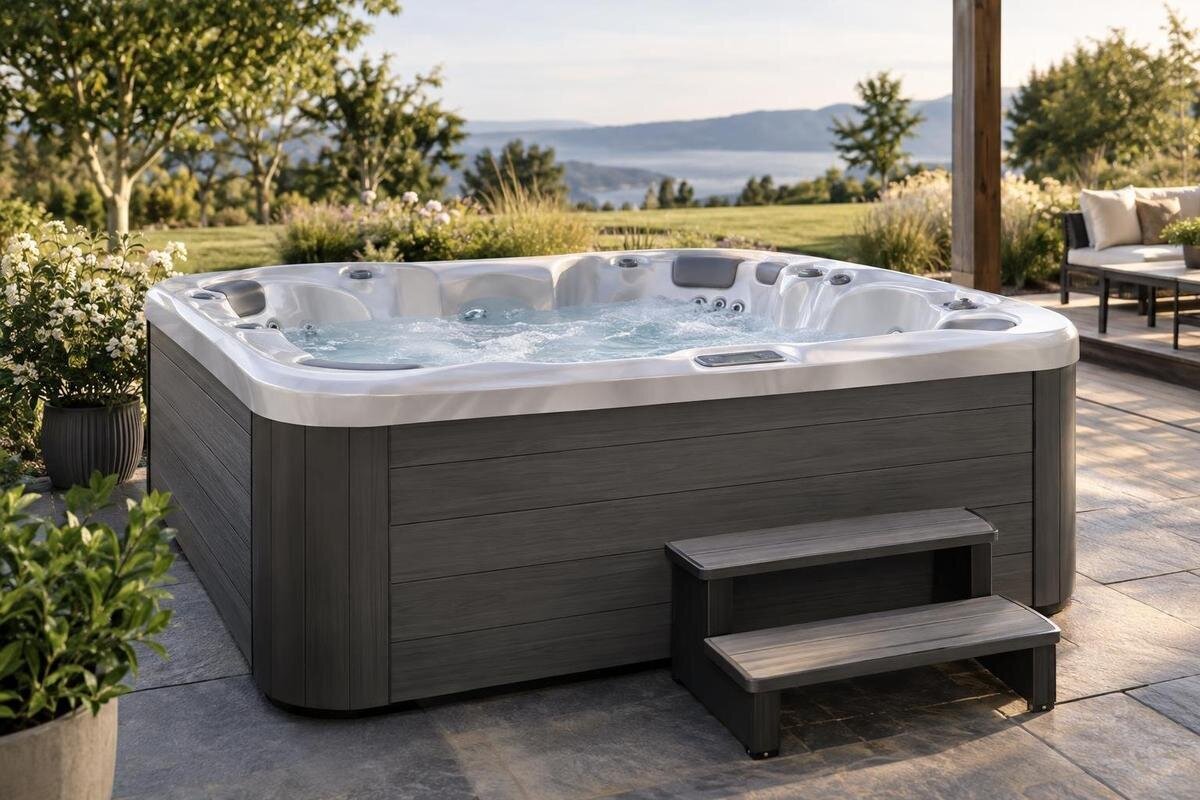
Family hot tub guide
Choosing a family hot tub is not simply a matter of matching the number of people in your home to a number on a product page. A seat count does not show whether everyone can sit comfortably at once, whether children can enter and leave with adult help, or whether anyone has time to prepare and look after the spa pool. Start with the household’s ordinary pattern: who is likely to use it together most weeks, who may join occasionally, and what each person needs from a seat. Then check the supplier’s current layout and safety information before comparing models.
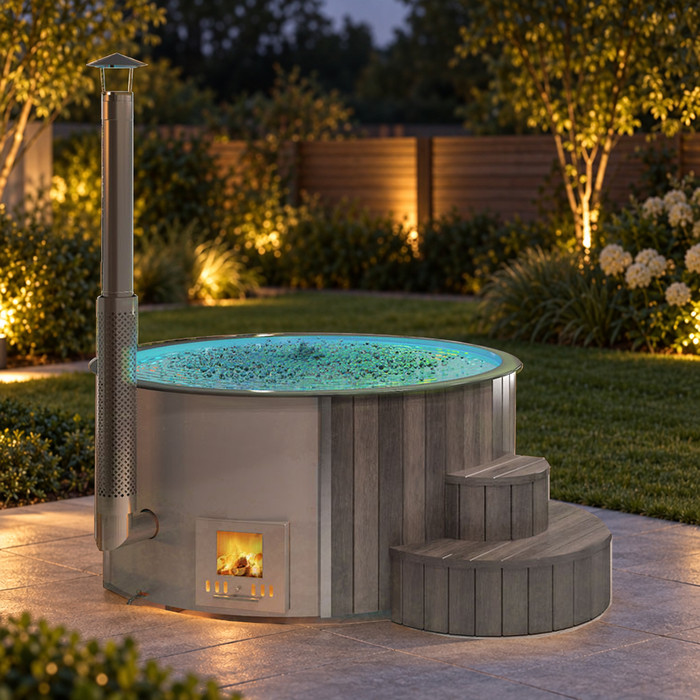
Who will use the hot tub together most often?
List the people who would realistically share a session, rather than adding everyone who might ever visit. Include the adults, children and other regular household members, then note how often their schedules overlap. One household may usually use a spa pool in pairs or smaller groups; another may expect most of its members to use it together. Those patterns call for different seating even when the total number of people at home is the same. If children are involved, consider how much adult supervision each session needs and whether an adult must sit nearby. Ask each regular user what position they would naturally choose, rather than treating one person’s preference as everyone’s.
Write down the usual simultaneous group and the largest group you genuinely expect to accommodate. Note who needs to sit beside whom, whether anyone prefers extra room, and whether a child will use the spa pool only with an adult. This gives a supplier something more useful than the word “family” to compare against a documented layout. If the Cove 2 listing is a candidate, ask how its stated capacity and seat plan match those household combinations. Keep occasional visitors separate from regular users, so a rare gathering does not quietly become the main buying criterion. If household members have different schedules, note whether taking turns would be acceptable.
What an advertised seat count can and cannot tell you
An advertised seat count is a headline, not a comfort assessment. By itself, it does not show whether every place is a defined seat, how the positions are arranged, or whether the stated maximum represents the number your household can use comfortably at once. It cannot tell you whether one person’s preferred posture leaves enough space for another, either. Ask the supplier to explain the exact meaning of “capacity” for that model and whether the figure counts fixed positions, gives a maximum number of occupants, or uses another measure. Do not assume those descriptions are interchangeable. Ask the supplier to identify the manufacturer’s wording and the document it comes from.
Use the same questions for every candidate and compare like with like. Request the current manufacturer seating diagram, the stated occupant limit, and a clear explanation of how the diagram relates to the figure on the listing. If the Haven 6 listing is under consideration, treat “6” as part of its catalogue name, not confirmation of six seats. A written answer matters because a verbal shorthand can hide distinctions between maximum occupancy and the positions shown. If possible, ask the supplier to annotate the diagram for the exact version being quoted. If a number cannot be supported with model-specific information, mark it as unconfirmed instead of filling the gap with an assumption.
Compare the documented seating layouts
A seating diagram helps you work out who could use which positions together. Check whether it marks individual seats, a continuous bench or a combination, and whether each place is labelled. Consider whether your family would be spread around the tub or sit close enough to talk, and whether someone would need to move so another person can enter or leave. Ask whether the stated capacity counts distinct sitting positions in a way that matches your understanding. If a top-down drawing does not show the shape or depth of a seat, request another view or a written description. A generic catalogue illustration may not describe the exact model or version being quoted.
Think through one realistic session rather than an idealised full-house photograph: where would each regular user sit, who can stay close to a child, and can someone change position without climbing across another person? If you visit a showroom, check whether its display matches the documented layout and ask the supplier to identify each position. A product image is not a substitute for a seat plan or a chance to assess spacing. When considering the Fjord 8 product listing, use the current layout documents to map out where your regular users would sit. If the positions appear too close or awkward to share, make a note of the concern and ask for clarification before comparing models.
Test comfort for different family members
Comfort depends on the people using the seat, not just the drawing. Different heights and body proportions can affect whether someone can sit naturally, rest their feet, keep their shoulders where they prefer, or leave space for a neighbour. A position that suits one adult may feel too deep, too shallow or cramped for another. Children’s needs change as they grow, so consider who is likely to use the spa pool over the next few years without assuming a child can manage a seat or water depth independently. Ask which measurements and seat descriptions are available. A photograph can show the general appearance, but it cannot establish how a particular person will fit.
Where practical, have each regular user try the exact display model in a dry showroom, sitting as they expect to sit and checking legroom, back support and whether positions feel distinct. If several people will use it together, assess the spacing with them sitting at the same time, where the display allows. A dry test cannot reproduce being in water, and a similar-looking model may have a different layout, so treat it as one check rather than proof. If the Aurora 10 listing is on your shortlist, ask whether the display is that precise model and version. Record each person’s impressions alongside the seating information so you can distinguish individual preferences from concerns shared by the whole household.
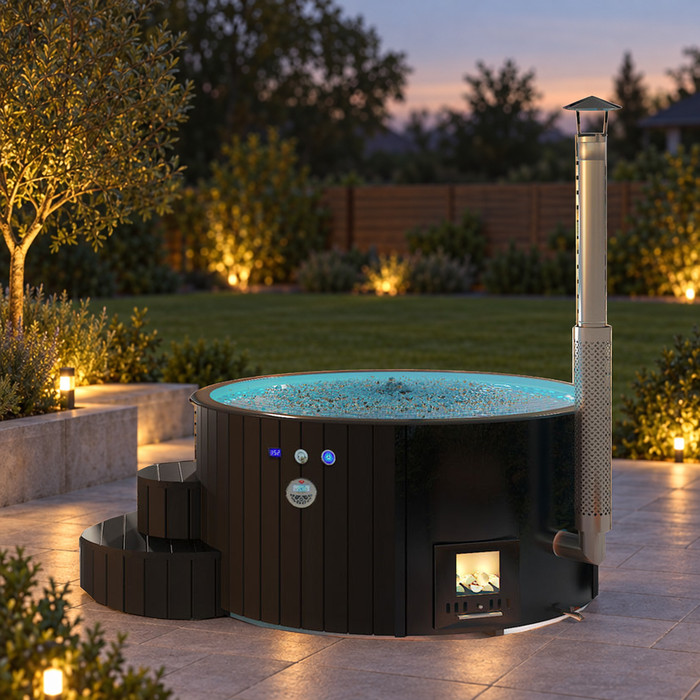
Check how each person will get in and out
Ease of getting in and out matters to the whole household, not only to the person who finds it hardest. Consider who will enter first, whether a child needs an adult close by, and whether another user can wait without blocking the route. Think about the needs of anyone with limited mobility or balance, without assuming they can manage a step or climb over a seat. Ask how the manufacturer expects users to access the particular model and whether its information identifies steps, handholds or other access aids. Confirm whether any accessory is included or needs to be sourced separately. Do not assume a feature is present because it appears in a photograph.
At a showroom, if possible, practise the movement on a dry display: approach, step in, settle into a position and get out without leaning on another person or crossing occupied seats. Consider whether an adult could assist a child without losing their own balance. Ask how the access route and any steps should be assessed for the intended site, and get qualified advice on site-specific requirements rather than improvising. When reviewing the Cove 2 product page, ask which access details apply to the model and which depend on the proposed setup. If the family cannot try the exact model, ask the supplier what drawings or measurements can help you assess the movement before making a decision.
Fit shared use around the household’s real week
Map the sessions your household is likely to make time for: perhaps a quiet evening, a shared weekend slot, or different family members using the spa pool at different times. Test these examples against your actual week rather than assuming the tub will fit every schedule. Note how often users expect to overlap, who is available to supervise, and whether school, work or other commitments make a large shared session uncommon. Include the times when only one or two people might use it. A model that fits the most frequent pattern may be more satisfying than one chosen mainly for a rare maximum group, provided its documented capacity covers the uses you consider essential.
Ask the supplier what preparation an ordinary session involves and how the model’s operating instructions describe readiness, rather than relying on a guessed heating time or a generic claim. If your household expects spontaneous use, make that expectation explicit and ask for a model-specific answer. If people can use the tub in smaller groups at different times, compare that routine with the space and upkeep associated with a larger group arrangement. When reviewing the Haven 6 product page, ask how its preparation requirements would fit the times your household expects to use it. A realistic weekly pattern can also help you judge whether extra capacity would be used often enough to matter.
Agree who will prepare the spa pool
Before buying, name the adult who will handle preparation and the person who can take over when they are away. Depending on the model and its instructions, preparation may include checking the water, managing the cover and following the supplier’s start-up or pre-use guidance; the exact tasks and sequence must come from the manufacturer. Ask to see the owner information before purchase so the work is not a surprise afterwards. Consider whether the responsible adult can manage the cover safely and has time for the required checks. If children use the spa pool, separate the person doing a task from the adult responsible for supervising them: a busy adult should not assume someone else is watching.
An informal “we’ll all help” arrangement can leave routine tasks to whoever happens to notice them. Agree who will prepare the spa pool, who confirms it is ready according to the manual, who supervises children, and how responsibility is handed over. Check whether another adult can learn the same process and where the written instructions will be kept. Ask the supplier to explain what happens before first use and before an ordinary session, and which steps are model-specific. If you are considering the Fjord 8 model, request its instructions so both responsible adults can assess the tasks involved. A clear division of tasks makes it easier to spot an unrealistic routine before purchase.
Make ongoing care a realistic household routine
Everyday care is easier to accept when the household understands its frequency and assigns responsibility. Ask the supplier for the current maintenance schedule and what it says about water checks, cleaning, filters, the cover and servicing. The answer should be specific to the product and clear enough for the person who will do the work; general spa-pool advice may not match a particular model. Consider how much time the routine takes, where supplies will be kept, and whether someone can keep it up during busy periods and holidays. Choose a backup as well as a main person. If the plan depends on one enthusiastic family member, discuss what happens when they are unavailable.
Budget for running costs as well as the purchase price. Relevant variables can include electricity use, water, water-care products, filters and their replacement, servicing and repairs; usage patterns and model-specific information affect any estimate. Ask for written figures and the assumptions behind them, rather than relying on a broad “low running cost” claim or a number for another product. If you are considering the Aurora 10 model, request an estimate based on that model and your anticipated routine. Ask whether it assumes a particular frequency of use or includes only some costs. Understanding what is included helps the household judge whether the ongoing commitment is manageable, rather than choosing by seat count alone.
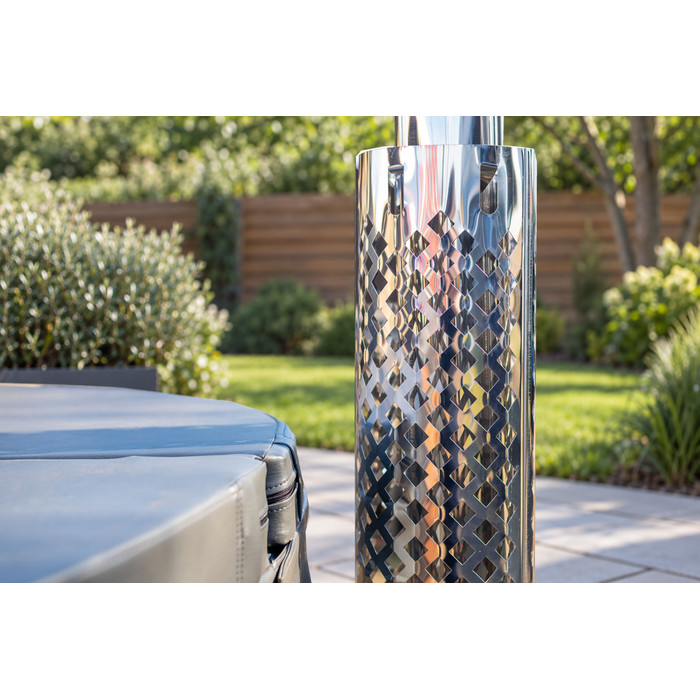
Include child safety in the household plan
Safety belongs in the shortlist, particularly when children may be in or near the spa pool. Before committing, check current New Zealand guidance from authoritative sources and ask your local council which requirements apply to the proposed setup. Ask a suitably qualified installer to explain any site-specific measures; do not rely on a product photograph or an unverified claim to establish compliance. Request written information from the supplier about how the model is accessed, how its cover is secured and what the manufacturer says about child safety. Confirm the purpose of any cover or access control instead of assuming it provides protection beyond its stated role. Treat unanswered safety questions as unresolved.
Whenever children are in or around the water, an adult should be actively responsible for watching them. Agree in advance who that is, and make an explicit handover before the person leaves; do not rely on a vague assumption that another adult is keeping watch. Follow the manufacturer’s instructions for securing the spa pool when it is not in use, and do not treat a cover as a replacement for supervision or for measures required at the site. Set simple household rules about access before the first session, so children and adults understand them. If the supplier cannot answer a safety question, seek current official guidance or qualified advice rather than guessing.
Questions to ask before shortlisting a model
Ask the supplier to provide the current specification and seating diagram for the exact model and version. What does the stated capacity mean? How many positions does the layout identify, and does the manufacturer say they can all be occupied at once? Request available seat or internal measurements, an explanation of access, and the chance to assess the exact layout in person if possible. Ask which figures are manufacturer specifications and which are estimates or interpretations. Writing the answers beside your usual household combinations makes differences easier to see and prevents a headline count from becoming a substitute for fit. Keep a note of any document that is missing or unclear.
Then check the practical questions: what preparation is required, where the complete instructions can be read, who will manage care, what running-cost estimate is available, and what safety guidance applies to children and the proposed location. Ask the supplier to identify missing information and follow up in writing. If capacity, layout, entry arrangements or the household routine cannot be confirmed, leave that point unresolved rather than treating a larger number or an attractive image as evidence. Compare each candidate against the same list. A family shortlist should contain models whose documented details can be matched against real users and a workable plan for preparation, supervision and care.
Frequently asked questions
Does a hot tub’s model number tell me how many people it seats?
No. Treat the model name as an identifier, not a capacity figure. Ask for the current stated occupant limit and a seating diagram for the exact model, then check how the supplier defines each number.
Should I choose a hot tub that fits everyone in the household at once?
Base the decision on the group that will use it together most often, while checking any larger group you consider essential. A rare full-house session may not need to dictate the everyday choice, but the model’s documented capacity still needs to suit your plans.
Can children use any family hot tub?
Do not assume that a family label or seat count establishes suitability. Follow the manufacturer’s instructions, actively supervise children whenever they are in or around the water, and confirm current local safety guidance for the proposed setup.
Is it worth trying a hot tub in a showroom?
If there is a dry display of the exact model, it can help regular users assess the spacing and positions. A dry test cannot reproduce sitting in water, and a similar-looking display may differ, so also request the current model-specific layout.
What should we ask about ongoing costs and care?
Ask for the model-specific care schedule and estimates, including the assumptions behind them. Electricity, water, water-care products, filters, servicing and repairs can all affect the household commitment; avoid relying on figures for another model.
The strongest family shortlist is not necessarily the one with the biggest advertised count. It is the set of models whose documented seating suits the regular users, whose access makes sense for everyone at home, and whose preparation, supervision and care fit a real week. When those details are still unknown, keep them marked as questions rather than letting a model name decide for you.
