
Choosing a Hot Tub for Two: Comfort, Space and Practicality
Buying guide
A hot tub for two is not necessarily the one with the smallest footprint or the most seats. It is the one where both people can sit naturally, change position and enjoy the same visit without one person making constant adjustments. Differences in height, leg length, preferred posture and the way you like to talk or unwind all matter. Compare the documented seating layout and assess how well it fits you both, then weigh those daily comforts against the extra space and upkeep that occasional guests may require.
Agree on what a shared soak should feel like
Begin with the two-person routine you expect, not an imagined party or an idealised catalogue photo. Will you sit in the spa pool together on most visits, or will one person sometimes use it alone? Do you picture a quiet end-of-day soak, conversation facing one another, or enough personal space to stretch out? These preferences shape the kind of seat orientation and shared area to look for, though they cannot tell you which model has it. Ask each person to name priorities separately—perhaps sitting upright, changing position easily or being close enough to talk—then compare answers before discussing products. This keeps one partner’s idea of comfort from becoming the default.
Frequency matters too. A layout that works for a brief weekend visit may feel different when you plan longer or more regular sessions, while a feature that matters every time deserves more weight than a rare-use extra. Agree on what your usual visit looks like and which preferences are flexible. When considering Bloomcabin Hot Tub Cove 2, use current supplier documentation to establish its actual seating arrangement; the “2” in the name does not confirm capacity or a two-person layout. Treat every model name as an identifier, then test the details against your shared routine.
Read the seating layout, not just the stated capacity
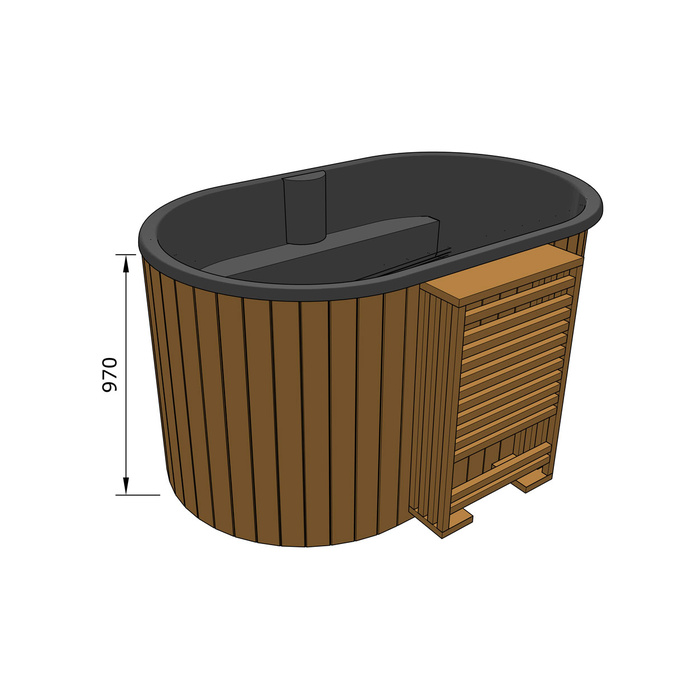
Ask for a labelled plan showing the seats and footwell, not only a headline figure for how many people the spa pool can accommodate. A stated capacity does not tell you how the seats face, whether their shapes differ or how much space two people have to move. If the plan is unclear, ask how many positions are designated and whether any floor area is shared. It can also help to ask what the capacity statement means for simultaneous use. These details distinguish a published number from a layout you can assess for the way you and your partner actually want to sit.
Imagine both of you in the layout at once. If you like to talk, can you see one another without twisting? If you prefer sitting side by side, is there room for your shoulders and arms? Ask the supplier to explain any seat outlines, benches or open foot space on the plan; do not assume the drawing is to scale. For Bloomcabin Hot Tub Haven 6, request the current seating diagram and stated capacity for the exact model. Identify the two positions you would usually choose and consider whether their orientation suits the way you want to spend time together.
Check how each seat fits your posture
Height is only one part of fit: people of the same height can have different torso and leg proportions, and a seat may suit one partner better than the other. Ask for seat depth, seat height and internal measurements where available, along with an explanation of where those measurements are taken. External dimensions describe the overall product, not necessarily the space your body occupies when seated. If a particular measurement is not provided, ask what can be confirmed instead of estimating from a photograph. This makes it easier to compare positions using useful information rather than appearance alone.
Talk through the posture each of you normally finds comfortable: upright, more reclined, knees bent, or changing positions during a visit. A deeper seat is not automatically more comfortable, and the same position will not necessarily suit both people equally. If one person would end up perching, leaning awkwardly or adjusting constantly, note that as a fit concern. Ask whether another seat in the same layout differs in shape or depth. When assessing Bloomcabin Hot Tub Fjord 8, consider each person’s preferred position separately before deciding whether the arrangement offers a comfortable choice for both of you.
Check legroom for both people at once
Legroom can be overlooked when attention goes to the seat outline. A layout may show two places to sit while relying on a shared footwell or leaving each person’s legs to extend in a particular direction. The practical question is whether those positions work for both of you at the same time. Look for a plan that identifies the inside area and ask how the foot space relates to the seats. Where detailed interior measurements are not available, ask the supplier to explain what can and cannot be confirmed; outside dimensions alone cannot settle the question of shared legroom.
Consider how your legs rest naturally, not only whether they fit when you sit still. One person may want to change position or extend their legs, while the other prefers to keep their knees bent; check whether either choice crowds the other. Ask the supplier what movement the layout allows and whether any positions are intended to be used in a particular way. Before shortlisting Bloomcabin Hot Tub Aurora 10, discuss where each of you would sit and how you would share the foot space. Distinguish room for your usual posture from room to move without making your partner shift.
Try the seating together where possible
A showroom visit can help because each of you can try the same seat, swap places and notice differences that a drawing may not convey. Sit as you normally would at home: place your feet naturally, lean back as usual and see whether your knees, shoulders or elbows compete for room. Ask whether you may try every position and whether the demonstration model is the same version you are considering. A dry try-out helps you assess proportions and access, but it cannot reproduce every condition of a filled spa pool. Treat it as useful evidence, not a promise that the fit will feel exactly the same in use.
Both partners should take part if possible, even if one feels confident about the choice. Let each person answer separately: can you settle into a comfortable position, adjust without making the other person move, and get in and out without squeezing past their preferred spot? If visiting is impractical, ask a supplier for a dimensioned seating plan and discuss your respective heights, proportions and postures. When discussing Cove 2 seating with the supplier, explain which aspects of fit concern each of you. Ask what the available information can establish and which questions would be better assessed in person.
Match the choice to how often you will use it
Frequency changes what deserves priority. If you both expect to use the spa pool regularly, the seating comfort and access need to work on ordinary visits, not just during a showroom trial. Think about when you will use it, whether your schedules overlap and whether you value staying close or having more personal space. If sessions are likely to be occasional, consider whether both of you will still enjoy the positions available and whether keeping the area ready will feel worthwhile. There is no universal usage pattern that makes one particular size right; your shared routine is the useful comparison.
Agree on the practical routine before choosing: who will prepare for a session, who will handle regular checks and how those tasks fit with work and home life. If spontaneous use matters, ask the supplier how long the exact model typically takes to be ready and what assumptions that estimate depends on. For running-cost comparisons, request figures tied to the exact model and ask what they assume about use and local energy pricing. When reviewing Haven 6 operating information, relate those assumptions to your likely routine: a planned weekend visit and an unplanned evening soak may place different demands on your schedule.
Discuss preparation and upkeep before buying
Comfort for two also depends on whether the routine around each visit is manageable. Discuss who will organise towels and changing space, make time for the supplier’s start-up guidance, and take responsibility for the water checks and cleaning specified for the chosen product. This is not a reason to turn the decision into a maintenance project; it is a way to avoid assuming one partner will quietly carry every task. Ask for the care instructions and recurring tasks for the precise model, since generic claims about spa pools may not match its requirements.
Then talk about what would make the routine fair. Would you alternate tasks, or is one person happy to manage them? Can both of you handle any cover or accessories the supplier says are part of ordinary use? Ask what is supplied, what must be obtained separately and how care is explained; do not assume a compact-looking tub needs less attention. When requesting Fjord 8 care information, ask which tasks are needed before use and which follow a regular schedule. If the workload feels unrealistic for either partner, it may outweigh a seating arrangement that looks appealing on paper.
Check the space for everyday access
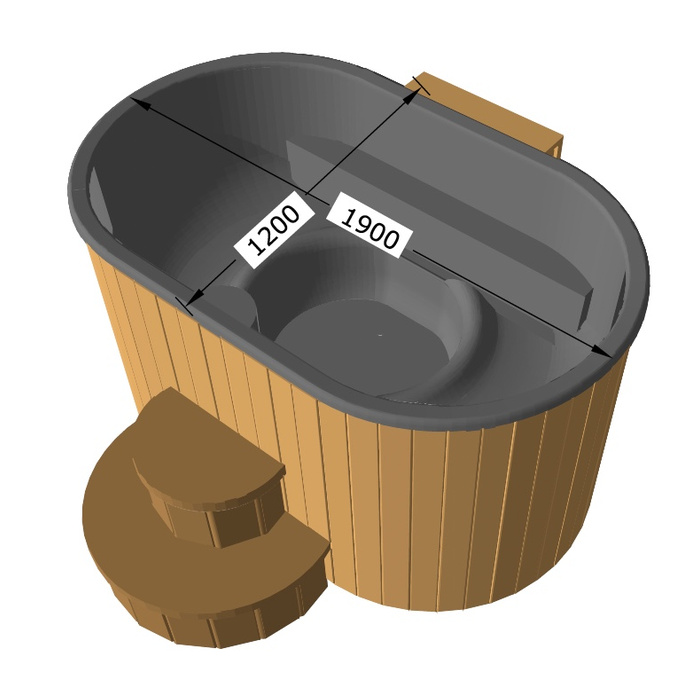
Compare the exact external dimensions in the current specification with the space you have in mind, then think beyond the area occupied by the tub. Both users need a practical way to approach and enter it, space to move around the access side and somewhere for the items your routine requires. Consider the path from the house on a wet or chilly evening, where you will dry off and whether the area offers the privacy you want. These details can affect how often you use the spa pool together, but they do not prove that the site is suitable for a particular product.
Check the route as well as the destination: gates, turns and changes in level may affect whether the selected product can reach its intended position. The final site may also have requirements specific to the product and property. Give the seller the relevant site details and have a qualified installer assess matters that need professional judgement; do not rely on a photo, an assumed standard footprint or advice for a different model. When considering Aurora 10 dimensions, use current, confirmed measurements and ask what else the supplier needs to assess access. Keep this separate from judging the room available for everyday use.
Decide whether occasional guests justify extra room
Ask how often guests are likely to join you and how many people you realistically expect at once. A celebration or a friend visiting a few times a year can make extra capacity sound valuable, but compare that occasional use with the comfort you and your partner will want most weeks. A larger advertised capacity does not necessarily mean both of you will enjoy the positions available. Consider whether accommodating guests is essential to the purchase or simply a welcome extra. A rough record of likely guest visits can help stop a one-off possibility from dominating the decision.
Extra room may also affect your purchase budget, the amount of water involved, the area available around the spa pool and the preparation you take on. Do not assume which shortlisted product is larger, or that a bigger model must cost a particular amount to run. Compare confirmed water-volume and operating information where supplied, then ask the seller to estimate costs using the same use pattern, energy tariff and other assumptions for each option. If the information is not comparable, record that uncertainty and decide whether the extra guest space is still worth prioritising.
Compare the shortlisted models against your priorities
Put the same questions beside each product so a polished description cannot substitute for a like-for-like comparison. For Cove 2, Haven 6, Fjord 8 and Aurora 10, ask for the stated capacity, a labelled seating plan, internal dimensions where available, external measurements and any notes about the intended seating positions. Confirm that the documents describe the exact current New Zealand version, and distinguish measurements from general supplier guidance. Keep the answers together so you can see where the models differ and where a gap in the information prevents a useful comparison.
Then compare the answers with your agreed priorities. Separate essentials, such as a comfortable position for each person, from preferences you could compromise on, such as extra guest space. Record any unresolved fit question beside the priority it affects rather than treating every missing detail as equally important. If two options remain, identify the actual trade-off: for example, whether you are giving up a preferred seating orientation to accommodate occasional visitors. The strongest shortlist is one where you can explain why each model remains under consideration and what would make it a workable choice for your everyday use together.
Frequently asked questions
Does a number in a hot tub’s name tell me how many people it seats?
No. Treat a model number as part of the product name, not as a capacity claim. Ask for the stated capacity and a seating plan for the exact model, then check whether the layout suits two people sitting together.
Is the stated seat count enough to judge comfort?
No. It tells you what capacity the supplier states, but not how seats face, how much usable legroom there is or whether both people can adopt their preferred posture. Compare the layout and dimensions as well.
How can we check fit if we are different heights?
If possible, visit together and try each position, swapping seats as you go. Ask the supplier for available seat and internal measurements, and discuss how you each prefer to sit. Treat a dry try-out as useful evidence, not a guarantee of how a filled spa pool will feel.
Should we choose a larger spa pool for occasional guests?
Compare how often you expect to have guests with how you will use the spa pool most of the time. Extra capacity may be worthwhile, but weigh it against the space, purchase budget and upkeep involved. Check actual specifications rather than assuming a model is larger from its name.
What if we cannot visit a showroom?
Ask the supplier for a labelled seating plan, available internal measurements and the stated capacity for the exact model. Explain both users’ heights and preferred postures, and ask what remains uncertain. A product photo alone cannot confirm how two people will fit.
The useful test is not whether a spa pool can be described as seating two people, but whether both of you can settle into positions you enjoy and share the space comfortably. Give everyday fit and a manageable routine more weight than guest capacity you may rarely use. A clear comparison of the current specifications, together with a practical assessment of the seating, makes it easier to choose without relying on a model name or product photo to answer questions they cannot settle.
