
Cloudy Hot Tub Water: Common Causes and What to Check
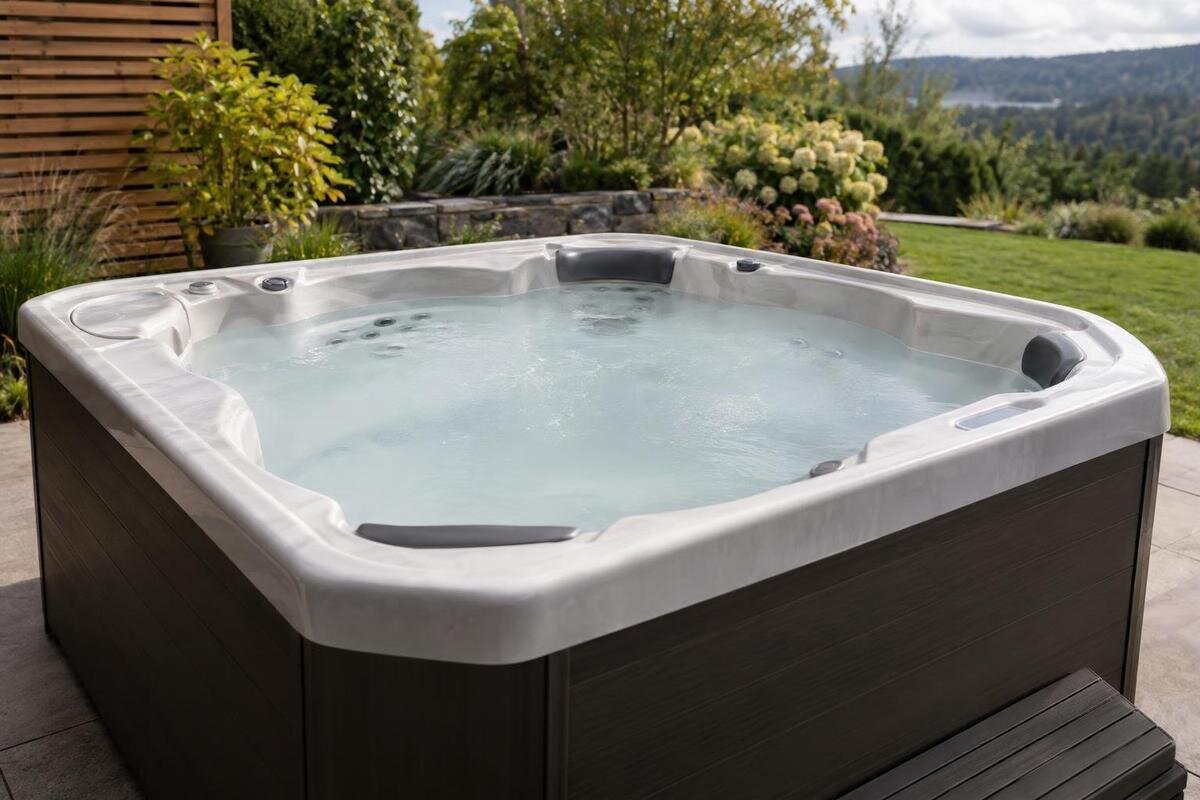
Spa pool water care
Cloudy water in a hot tub is a visible change, not a diagnosis. Possible contributors include material introduced during use or by wind, a change in water-care treatment, water-care conditions outside the recommended ranges, or filtration or circulation that is not working as intended. More than one factor can be involved. Work from a timeline and records rather than trying to correct the appearance first: check what changed, use the test method and interpretation in the relevant instructions, and note what the equipment is doing. Neither clear nor cloudy water proves whether it is suitable for bathing. Do not add treatment products at random to make the haze disappear.
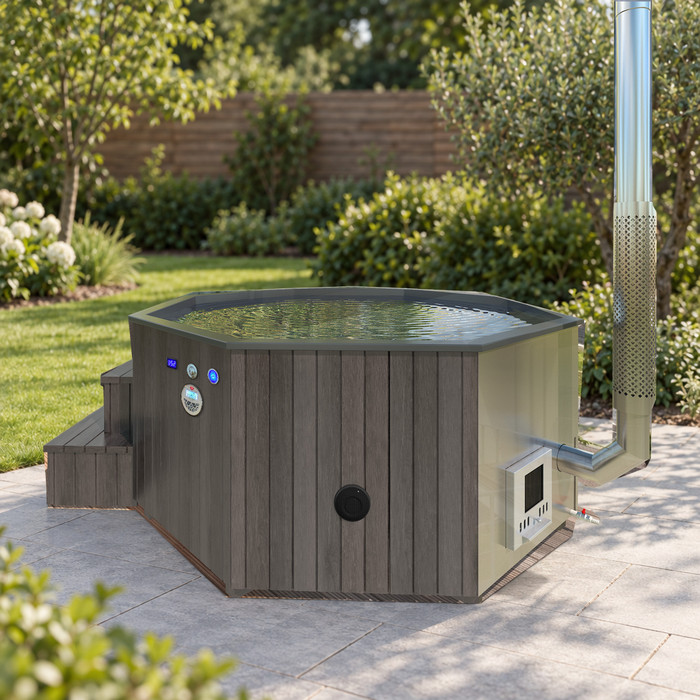
When did the water turn cloudy?
Start with two points: when the water last looked normal and when you first noticed the haze. Note whether it appeared suddenly or developed gradually, using a date or approximate time if you can. Then place the change alongside recent use, top-ups, treatment additions and any interruption to normal operation. This sequence helps identify which details are worth checking first. It does not prove that the event closest to the change caused it, so treat timing as a clue rather than a diagnosis. Distinguish the time you noticed the problem from the time it may have begun. If nobody checked the water between two uses, record that gap instead of assuming it stayed clear throughout.
Describe whether the cloudiness seems to affect the whole tub or is more noticeable in one area. Record whether you saw it while the water was still, while the spa was circulating as usual, or in both situations. If it has happened before, note whether the earlier episode looked similar and what advice or action followed. Keep that earlier experience separate from the current observations: a familiar appearance does not establish that the cause is the same. If you do not know whether circulation was running or when the previous episode cleared, leave those details as unknown rather than filling in the gaps.
Review recent use, top-ups and treatment additions
Think about whether use was heavier or different from usual before the cloudiness appeared. Note any change in the number or frequency of soaks, and whether lotions, sunscreen, cosmetics or other products used by bathers could have entered the water. These details may help explain what to investigate, but none of them on its own establishes why the water changed. A useful comparison is with the period when the water last looked normal: was there one unusual session, several sessions close together, or no recent use at all? If several people look after the spa, check whether someone else used it or added a product. Keep the record factual rather than assigning blame or assuming that use explains the haze.
Also record any top-up, change in water source, windblown leaves or dust, or other visible debris. For treatment additions, write down the exact product name and the amount actually used, if known. A label’s recommended amount is not a record of what was added, so do not substitute it for a missing measurement. Note when the product was added and whether its directions were followed. If more than one person treats the water, bring their records together so an addition is not overlooked or counted twice. Keep uncertain details clearly marked. A change noticed after an addition is useful context, not proof that the product was responsible. Avoid repeating or combining additions simply to make cloudy water look clear.
Check the test method before interpreting results
Use the test method and kit specified for your spa pool or water-care system. Kits can cover different readings and have their own directions, so do not assume that a method used for another pool or another treatment system applies here. Follow the instructions for taking and reading the sample, and write down the results as shown, including units or colour categories where provided. Keep the date and time of the test with the record so you can compare it with the timing of use and other changes. Separate the result from your interpretation: record the displayed reading first, then note how it compares with the applicable guidance. If a colour is difficult to match or a display is unclear, describe that uncertainty rather than reporting a precise result you could not confidently read.
If a result looks surprising, check the test kit’s handling and use-by information and follow its directions about repeating a test. Do not rely on a kit if its instructions say it is no longer suitable to use, and do not select whichever of several inconsistent results seems most convenient. Anyone comparing a spa pool such as Bloomcabin Hot Tub Cove 2 can ask where to find its water-care instructions and which tests they call for; a model name alone does not answer those questions.
Compare readings with the guidance for your water-care system
Compare each result with the ranges and interpretation guidance provided for your particular spa pool and water-care products. If the system calls for readings such as sanitiser level or pH, record them separately rather than describing everything as simply good or bad. Do not apply a range from a different system or rely on a general online chart when your product instructions set out different guidance. Keep the relevant instructions beside the results so you can identify which reading each range refers to. A note that one reading is within range should not become a blanket statement that every required check has passed. This article does not give universal limits or doses because the relevant directions depend on the system you use.
If a result falls outside the stated range, use the product-specific instructions to establish what action is recommended. If the directions are unclear or appear inconsistent, contact the manufacturer or supplier rather than improvising an adjustment. Results that seem to match the guidance do not automatically explain visible cloudiness, either. When comparing an option such as Bloomcabin Hot Tub Haven 6, check that you can identify the care guidance that applies to the model and the products you plan to use; do not transfer readings or advice from another tub.
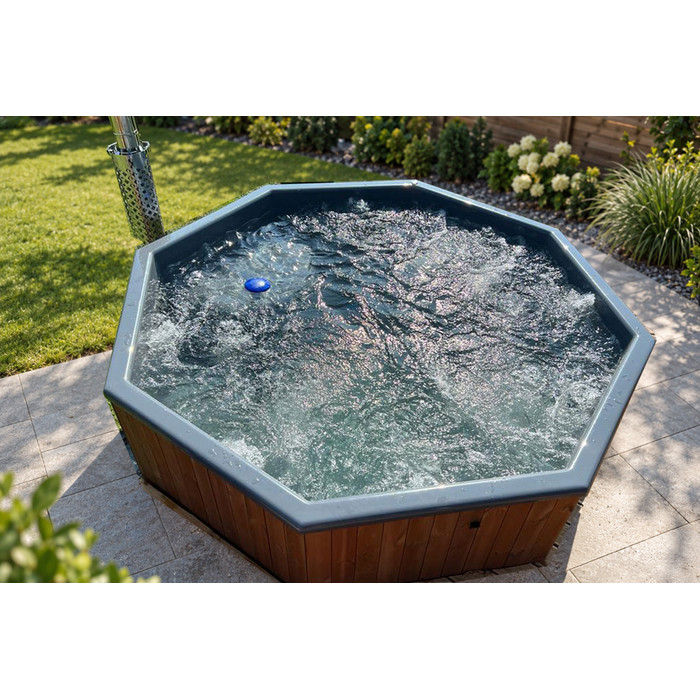
Possible filtration and circulation issues
Filtration may be one part of the picture. A filter that needs attention, is damaged, or is not fitted as its instructions require could contribute to a clarity issue, but cloudiness does not prove that the filter is at fault or needs replacing. Check the care history against the model’s instructions, and look for any visible issue only if the manual describes how to do so. Distinguish between a concern you have observed and a care task whose status is unknown. For example, not knowing when the filter was last checked is a gap in the record, not evidence that it is damaged. Note any recent filter work and whether the water changed before or afterwards. Do not remove, clean or refit the filter using an improvised method.
Note whether circulation seems different from normal, whether a control shows an alert, or whether the spa has been switched off or otherwise not operating as expected. Check only the controls and observations covered by the owner’s instructions; do not open equipment or attempt a repair based on an article. If the filter or circulation status is unclear, ask the supplier what applies to your model. When considering Bloomcabin Hot Tub Fjord 8, seek the published information for its filtration and circulation arrangements rather than inferring them from the product name.
How to describe the water’s appearance
Use plain descriptions: uniform haze, visible flecks, a surface film, foam or a change in colour. Record whether the appearance is consistent across the tub or varies with normal circulation. Be specific about what you mean by cloudy: is the water itself hazy, is material visible on the surface, or are both present? If you notice more than one change, describe each separately rather than grouping everything under one label. These observations can help a supplier understand what you are seeing. They are not a way to identify a water-care problem, a contaminant or a fault, and different causes can look similar.
A photo taken in comparable lighting can help document whether the appearance has changed, but it cannot replace a test result or the manufacturer’s interpretation of that result. Do not treat clear-looking water as proof that it meets the requirements for use, either. Product images and model names cannot establish care instructions for Bloomcabin Hot Tub Aurora 10 or any other tub; prospective buyers should look for written, model-specific information rather than relying on appearance.
When to pause use and ask for product-specific advice
Cloudiness alone cannot establish whether water is suitable for bathing. If you cannot confirm from the applicable instructions that the water meets the stated requirements for use, pause bathing while you clarify what to check. The same cautious approach applies if you cannot interpret a required test result or a control shows an alert that you do not understand. A visual impression, whether the water looks clear or cloudy, is not a substitute for the guidance for your particular system.
Contact the manufacturer or supplier if test results are outside the stated range and the next action is unclear, if the water remains cloudy despite results that appear to match the guidance, or if filtration or circulation seems to have changed. If a treatment product was added in a way that may not follow its directions, consult its instructions and seek product-specific advice before using the spa. For someone considering a Cove 2 spa pool, it is sensible to locate the relevant use guidance and support route before choosing, rather than relying on a generic rule.
What to record before contacting your supplier
Prepare a short timeline with the last time the water looked normal, when the cloudiness began and what happened in between. Include recent use, top-ups, possible debris and each treatment product added, with the amount only if you have an accurate record. Add the test method, date and exact readings as displayed. Identifying the spa model and water-care system will help the supplier understand which instructions you have been using.
Also note any filter care carried out according to the manual, visible changes in circulation and control alerts. Copy an alert’s wording or code accurately rather than paraphrasing it as a general fault. A photo can show the water’s appearance, but include a written description of what you observed. When you contact support, have the relevant product labels or instructions available. Explain which check has left you unsure: an unreadable result, conflicting directions, an unexpected alert or persistent haze. Ask which guidance applies and what to check next, rather than requesting a treatment based only on the photograph. Buyers comparing options such as the Haven 6 model listing can ask the supplier what information is useful when reporting a water-care concern.
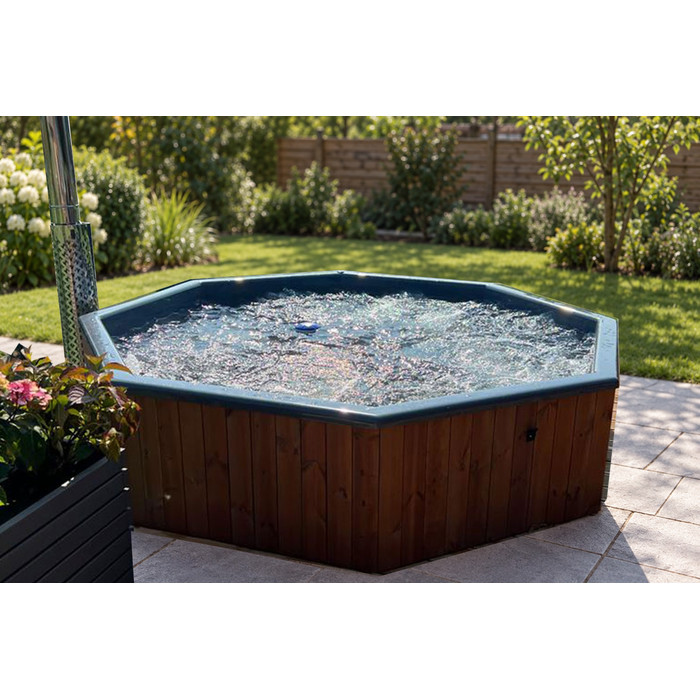
Compare care instructions and filtration information before choosing
Before choosing a spa pool, look for water-care instructions that identify the relevant test method, explain how to interpret results and direct you to the right guidance when a reading or appearance is unexpected. Check whether you can obtain instructions for the specific model, rather than assuming general spa-pool advice will cover every system. Consider how you would use those instructions during a cloudy-water problem: can you find the required checks, distinguish routine care from troubleshooting, and identify when to ask for help? A long manual is not necessarily easier to follow; clear organisation and an identifiable section on water-care problems are useful comparison points. If you cannot tell which model or treatment products the information addresses, ask the supplier before making a decision.
Compare the published filtration information as well: what equipment is included, what the manufacturer says about filter care, and how to identify any compatible replacement parts. These are questions to verify, not features to infer from a model name. Use the Fjord 8 product listing as a prompt to ask for the actual filtration and water-care documents for the model under consideration; a listing or name may not provide every care detail.
Who handles water-care questions?
Find out who to contact if you cannot interpret a test result or the water remains cloudy after you have checked the instructions. Ask where the correct manual and water-care guidance can be obtained, and which party handles questions about the spa itself versus the treatment products. Make the enquiry concrete: if you report cloudiness with test readings and an equipment alert, who should receive that information first? Clarifying the contact route is more useful than relying on a general promise of support. This does not assume a particular service is available; it helps you understand what assistance is offered before you need it.
It is also useful to ask how to identify the correct filter or other care components for the exact model, and what information the supplier would need to answer a question. Do not infer service arrangements, compatibility or response times from a product name. If you are reviewing the Aurora 10 product listing, confirm the available support and documentation with the supplier instead of assuming they match another spa pool.
Frequently asked questions
Can I tell what caused the cloudiness by looking at the water?
No. The appearance can help you describe what has changed, but it cannot identify the cause or confirm whether the water meets the requirements for use. Record what you see and compare the appropriate test results with the instructions for your spa pool and water-care products.
Why might the water look cloudy after a soak?
Use can coincide with material entering the water, but timing alone does not prove the cause. Note whether use was different from usual and whether any products were involved. Then check the water test results and other clues rather than assuming a soak is the only explanation.
Should I add more sanitiser or a product that clears water?
Not just because the water looks cloudy. Test it using the method specified for your care system, then follow the relevant instructions for interpreting results and taking action. Do not guess at an amount or combine products to try to clear the appearance.
Could the filter be responsible?
It is one possibility, but haze does not confirm a filter problem. Check the filter-care guidance for your model and note any changes in circulation or alerts. Handle or clean the filter only as its instructions direct; ask the supplier if the guidance is unclear.
Can we use the hot tub while the water is cloudy?
Appearance alone cannot answer that. If you cannot confirm from the relevant instructions that the water meets the stated requirements for use, pause bathing and ask the manufacturer or supplier what to check next.
Treat cloudiness as a clue to investigate, not as a diagnosis or a decision about whether the spa is ready to use. A timeline, accurate test results and observations about filtration and circulation give the manufacturer or supplier more useful context. Follow the instructions for your own water-care system, and seek product-specific advice whenever the results or next steps are unclear.
