
Compare window and door quotes line by line

Buying guide for windows and doors
Two quotes may appear to describe the same renovation while actually covering different projects. One may say “complete windows”; another may list windows, junction work, disposal and internal finishing separately – or omit them. The quoted total is therefore an endpoint, not the basis for comparison. Set both quotes beside your own opening schedule and check every item: which component belongs to which room, what dimensions and opening direction apply, what is included in the unit, and which work starts on site? This approach is especially useful where windows, patio doors and entrance doors are mixed, because low-priced items can otherwise conceal missing work. The aim is not the longest quote, but a clearly defined scope you can understand before ordering and installation.
01 / Gather documents
Start with a shared checking sheet
A sound comparison starts before the first price. From the plan or site measure, assign every opening an identifier, such as GF-W01 for a kitchen window or FF-D02 for a balcony door. Add the room, quantity, width and height, intended use, and details such as reveals, shutters, sills or nearby furniture. Then assign every quote line to that identifier. Grouped items such as “ground-floor windows” are comparable only if an attachment clearly breaks down every opening. If it does not, request an item-by-item addition. This reveals whether one supplier has allowed for three units and another for four, or whether fixed glazing has mistakenly been read as an opening window.
Use the same columns for both quotes: item number, quantity, dimensions, construction, opening type, glass, finish, hardware, accessories, removal, installation and pricing basis. Also record whether each statement is confirmed, assumed or unresolved. A single-leaf window opening inwards is not necessarily the same as a line broadly called a “casement window” while the direction remains unspecified. That is true even where similar dimensions are shown. The checking sheet is not a technical design; it turns quotes into decisions you can verify. Let suppliers retain their own item numbers and enter your identifier alongside them. This makes enquiries, changes and later order confirmations easier to follow without confusion.
Read dimensions properly: opening, unit and reference plane
With dimensions, the figure matters less than what it describes. Ask specifically whether width and height refer to the structural opening, outside frame size, order size, clear passage size or another reference dimension. A quote stating “1000 × 1200 mm” is incomplete without that reference. Check the notation too: width by height, millimetres or metres, and dimensions before or after allowance for joints. Where several windows are identical, the quantity should appear directly beside the size. If dimensions are marked “approximately”, establish whether a final site measure will follow and which items may then change.
Consider unusual dimension cases separately. A triangular or angled fixed-glazed window needs a comprehensible shape sketch or an unambiguous drawing reference as well as external dimensions. For doors, outside frame size, available clear opening and threshold zone should not be merged into one vague description. Check the building elevation too: a dimension may be correct but assigned to the wrong room. Do not measure for ordering yourself as a substitute for professional design. Instead, ask who is responsible for the final measure, when it happens, and which completed work – such as plaster, floor build-up or waterproofing – it assumes.
02 / Match the items
Compare unit type and opening direction without shorthand
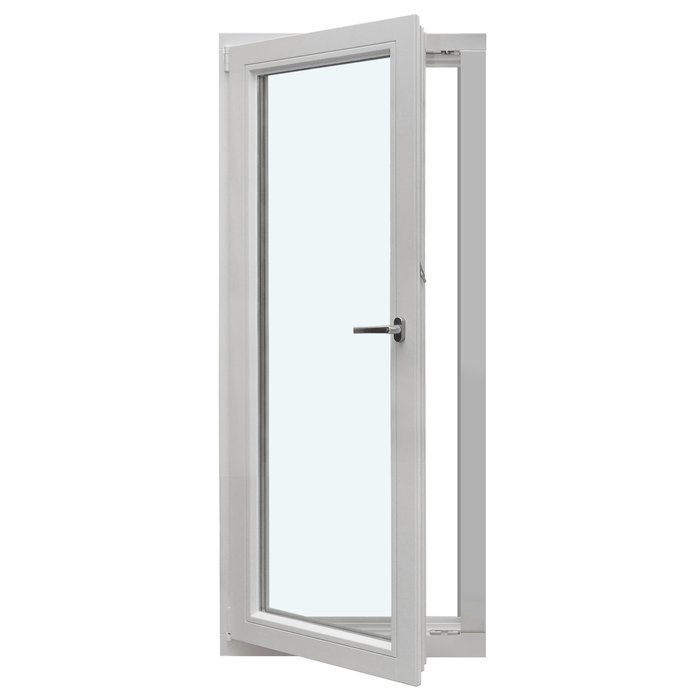
The word “window” says little about use or construction. For every item, record whether it is fixed glazed, single-leaf or double-leaf, and how it opens. Inward and outward opening are not interchangeable: required space in the room, on a patio or balcony, and operation all differ. A quote may show an opening direction in a drawing while the text says nothing. Request a written allocation in that case. Also check left or right handing from the agreed viewing direction. A bare “left-hand” label without an explanatory view can create unnecessary ambiguity when reviewing a quote.
For large openings, the use question is often more important than the price of one line. A Patio Life lift-and-slide door represents a different operating concept from a hinged door, so do not compare only area and glass proportion. Ask which leaves move, how everyday access is intended to work, and whether the drawing suits furniture, circulation routes and outdoor space. For a double-leaf door, also establish which leaf will normally be used. If a supplier proposes an alternative, it should appear as an alternative in its own item rather than silently replacing another construction. Only then can you see whether a lower sum reflects a real saving or a different use concept.
Assess glazing and appearance separately
Glazing should not disappear behind a collective label in a quote. Have every item state the planned glass type, desired visible qualities and any special requirements arising from design or use. Where performance values are offered, comparison quotes must use the same reference basis: a value for glazing alone is not automatically comparable with a value for the whole window or door. Ask whether every unit receives the same glazing or whether bathrooms, stairwells, ground floor and roof areas have different versions. An open glazing description is not a minor detail, as it changes appearance, daylight, privacy and cost.
Muntins need a second look. Record whether bars are surface-applied or divide the glass; these descriptions do not mean the same construction. “No bars” should also be stated where an existing view or visualisation creates expectations. A fixed-glazed window can provide a calm, large glass surface, but it does not replace ventilation. Do not assess a quote solely by the number of large glazed areas; consider it alongside the opening units in the same room. Where available, have elevation drawings labelled with item numbers. You can then check whether divisions, leaves and bars in the quote match the façade under discussion.
03 / Check the specification
Specify hardware, operation and visible features
Many conflicts arise not at the frame but with features handled every day. List handles, their colour and position, opening restrictors, lockable versions, ventilation positions and other desired operating features for each item. A broad term such as “standard hardware” is too imprecise for direct comparison because it does not say what is actually included. Ask for windows whether every leaf can be operated and how operation is intended. For high-level openings, establish how daily use will work. The solution should suit the room, not merely a product name or showroom sample.
A top-hung outward-opening awning window may, for example, offer different ventilation and operating logic from a side-hung unit. Check that this choice is clearly described in the quote and correctly shown in the view. For doors, lever handles, pull bars, lock side, closers and other visible equipment should likewise appear in the line or a clearly referenced attachment. Do not compare the price of a detailed specification against a lump sum without those details. Also ask who makes the selection if hardware is decided later. Without a recorded selection basis, it is impossible to know whether both totals cover the same visible and functional finish.
Check doors beyond the door leaf
For external and patio doors, an item includes more than the moving leaf. Check the frame, threshold zone, sidelights, fanlights, opening direction, handle side and, where relevant, links to neighbouring windows. An outward-opening panelled entrance door should be listed as exactly that configuration; the title alone does not establish further features. The interface with the floor build-up is particularly important: ask what height assumptions were included in the pricing and who confirms them before ordering. If a sidelight is shown but not named as its own item or clearly included, its inclusion remains open. Also decide which drawing takes precedence if documents conflict. If exterior view, interior view and quote text disagree, the desired version must not be guessed from the cheapest or most detailed document. Have the affected item drawing corrected and confirmed again.
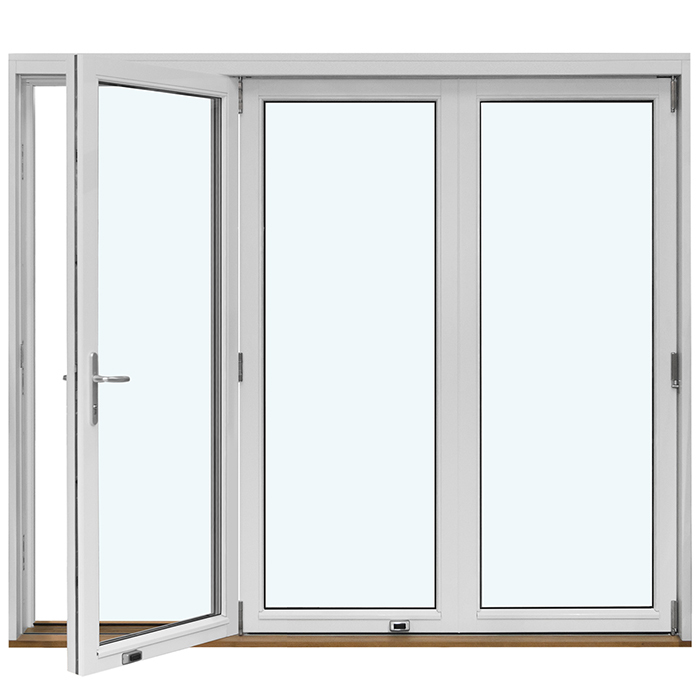
Patio doors also require a look at the route outside. A single-leaf inward-opening patio door can take up room inside, while an outward-opening alternative needs clear swing space outdoors. Compare the handing with furniture, curtains, balustrades and paving without reading more into a sketch than it shows. Where several units are linked, the quote should make the coupling and arrangement clear. Do not write only “clarify door details”; ask specifically: “Is the sidelight included?”, “Which view applies?”, “Is the threshold included in this item?” Precise questions create more reliable variations than a general request for a complete service.
04 / Define installation
Break installation scope into separate steps
A unit price and an installed unit are different comparison objects. Separate delivery, removal of existing units, preparation of the opening, setting, fixing, connection to the building fabric, sealing, trims, and internal and external work. A quote may mention installation but mean only setting the new unit in place. Another may list further steps. Neither is automatically better; the key question is whether the scope fits your building sequence. For lump-sum items, request a brief scope description. You do not need a standards manual, but you do need a clear boundary between what the installation team does on site and what must be prepared by others.
Check interfaces with other trades early. Who removes old sills? Who repairs damaged reveals? Who coordinates connection details with insulation, plaster or façade work? Who ensures later work suits the installed unit? A low installation amount may be reasonable where preparatory or finishing work is deliberately contracted elsewhere. It is not directly comparable with a more comprehensive quote. Record access as well: storey, transport route, floor protection and necessary clear space can shape the process. Clarify these points in writing before placing the order, rather than treating them as assumed when delivery arrives.
Make ancillary work and exclusions visible
The difference between two totals often lies in ancillary work. Look specifically for packaging, transport, unloading, site protection, disposal, scaffolding, lifting equipment, coverings and cleaning. Check not merely whether a word appears, but whether the scope and responsibility are clear. “Disposal included” may mean old units only, without work to reveals or other building materials. Conversely, a lump sum may include ancillary activities that another supplier prices separately. Add a column headed “included, excluded, unclear” to your checking sheet. This turns scattered footnotes into a practical decision list. For every unclear point, note the consequence: additional contract, owner work, programme coordination or unknown cost. A missing clean-up has a different weight from unallocated lifting equipment that can affect the installation sequence.
Special forms should not disappear into a general window item. A roof pivot window has a different installation situation from a vertical façade window; compare associated work only where it is genuinely described the same way. The same applies to unusual formats, hard-to-reach openings or alterations to existing building fabric. For exclusions, always ask about the practical result: must another contractor be engaged, does the work remain the owner’s responsibility, or will it be charged by time and materials? Do not demand an invented lump sum where the condition becomes visible only after removal. A clearer approach is an agreed process for documenting findings, discussing them and instructing work only after approval. That protects both parties from unclear expectations.
05 / Check the confirmation
Compare discounts, options and pricing basis fairly
A price comparison becomes unreliable when options and firm work are mixed together. Mark every item as included, alternative, optional or not offered. A later-deductible item does not belong in the same comparison total as committed work. First calculate a cleaned base total containing only items included by both suppliers in the same specification. Then add desired options separately. Quantity discounts, promotional notes or early-payment discounts may change the amount payable, but they do not answer whether the scopes are identical. Also check whether prices are shown excluding or including tax and whether GST is treated consistently throughout.
Check the calculation structure and validity. Do unit prices multiplied by quantity match subtotals and the final amount? Is a discount assigned to individual products or deducted only at the end? Can it disappear after an item change? Ask which assumptions about site measure, selections or site conditions have not yet been priced. A quote with transparent reservations is not worse than one without them; at least it identifies a decision still pending. Bloomcabin offers a five-year commercial warranty for windows and doors, subject to its terms. Expected delivery is four to six weeks, subject to order confirmation. Neither statement replaces checking which dates, services and conditions apply to your particular quote and order confirmation.
Manage changes, site measures and order confirmation
The best quote review loses value if later changes are communicated only verbally. Keep a change list with date, item identifier, reason, old description, new description and approval status. It is useful if the site measure corrects a dimension, reverses handing or changes glazing. Before ordering, ask which documents form part of the order confirmation: quote, drawings, measurement sheet, colour selection and accessory list should cross-reference each other. Compare the confirmation again with your checking sheet. With several nearly identical units, a shifted item allocation can otherwise go unnoticed. Do not check changed amounts alone. A change to one unit can affect adjacent items, such as a coupling, sidelight or installation scope. Request the complete current version instead of assembling individual corrections from several emails. Archive superseded versions clearly as not approved.
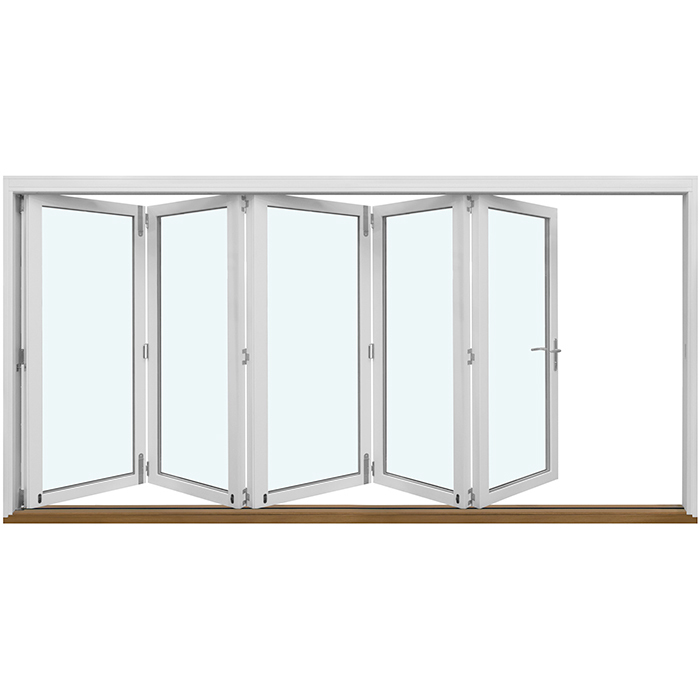
For example, an outward-opening folding-door system should not be confirmed merely as a “large door set”. Record the leaf arrangement, opening side, drawing version and related building opening. The principle applies equally to every standard window. Agree who will answer open points by when, and from what point changes may affect price or programme. If an issue is undecided, “still open” is better than an assumption made in conversation. Approve only when the product description and site assumptions align. The order confirmation then becomes a controlled continuation of the quote rather than a document first revisited at delivery.
Frequently asked questions
Is it enough if both quotes list the same number of windows?
No. The number is only a check figure. For each opening, compare dimensions and their reference, unit type, opening direction, glazing, hardware and installation. Two quotes listing ten windows may contain different leaf arrangements, fixed glazing or removal work. An item-based list shows whether the same ten openings have really been allowed for.
What should I do with a lump-sum installation item?
Request a written breakdown of the scope. In particular, clarify removal, fixing, connection work, sealing, trims, protective measures and disposal. The purpose is not to price every site uncertainty in advance, but to understand included work, exclusions and the process for additional findings clearly.
Are different product names automatically not comparable?
Not automatically, but they are a reason to investigate. Compare the configuration and intended use actually described, not only the heading. For different names, request details of opening type, number of leaves, glazing, equipment and drawing. An alternative should appear separately so the price difference remains understandable.
Should I clarify open points before or after the site measure?
Clarify all decisions affecting construction, use or pricing basis in advance. The final dimension may only be confirmed at the agreed site measure. Record what may still change as a result, who will be informed and when you approve the amended item. This keeps measurement changes traceable.
How do I compare quotes with different overall scope?
First create one common base total from identical, clearly specified items. Then list extra work, options and exclusions separately. Next decide whether to split services deliberately or prefer a more comprehensive package. A lower total is not a saving if required work is missing.
Next step
A good window or door quote answers the same questions for every item: what is supplied, where is it installed, how does it work, what belongs to installation, and what remains open? Compare identifier by identifier rather than heading by heading. Prioritise completeness and correct allocation first, then usability, connection work and finally the adjusted total. Open points are not a flaw if they remain visible and are resolved before approval. Take your checking sheet to the order-confirmation review and site-measure appointment. That turns price comparison into a coordinated procurement process for the whole project.
