
Do You Need Council Approval for a Hot Tub in New Zealand?
Hot tub permissions in New Zealand
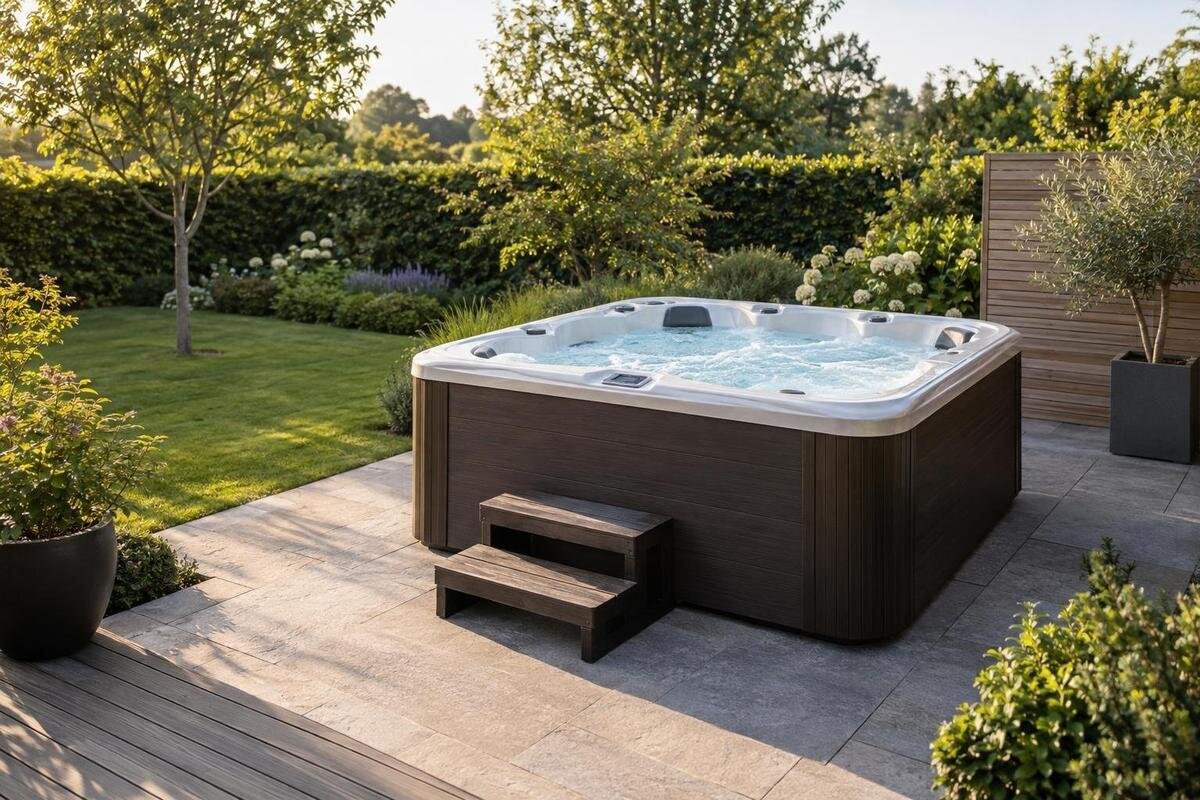
Whether a hot tub needs council approval in New Zealand depends on the property and the full scope of the installation. The tub itself, any barrier, a deck or shelter, and planning rules can raise different questions. A product being portable or described as a spa does not settle them, and an answer for one address may not apply to another. Council permissions are also separate from permission from a landlord, lessor or body corporate. Check each requirement against the exact model and proposed location before you choose or order.
Start with the council responsible for your address
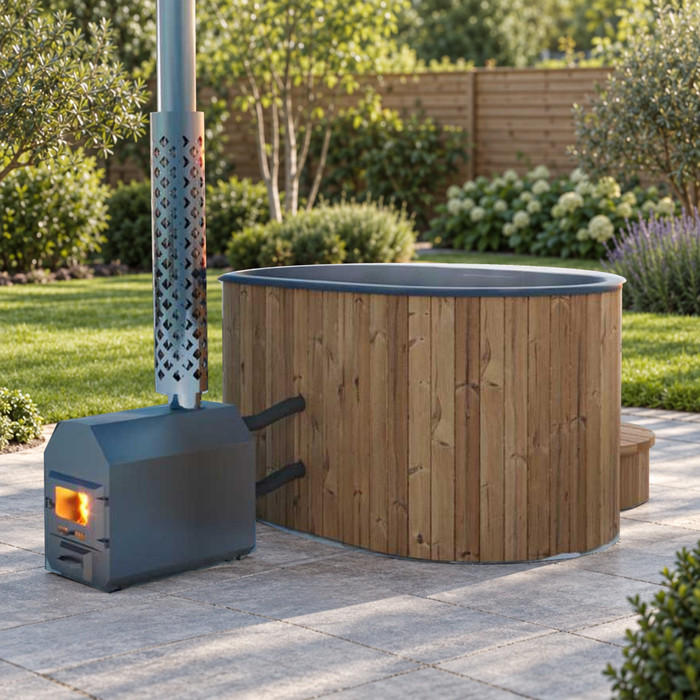
Start with the territorial authority responsible for the property address. It is the first stop for building-consent questions and usually administers the district or city plan. In some places the same organisation is a unitary council with regional functions; elsewhere a regional council may manage separate plan responsibilities. Contact the building-consent team about work under the Building Act and the planning or resource-consent team about plan rules. One department’s answer may not cover the other. If the council uses a general enquiry form, say that you need both checks and ask which team will respond to each. That avoids treating council approval as a single permit.
Give the full street address and, if available, the legal description or rates or property number, then ask the council to check the actual parcel. Ask whether the response uses current rules, whether proposed plan provisions could affect the site, and which property records or plans are relevant. General online guidance can explain a process, but it cannot resolve site overlays, existing consent conditions or the precise work you propose. Request a written response and note any conditions or further information required. Keep the date, case reference and attachments together. If the proposal later moves or changes, ask the same team whether its earlier advice still applies.
Building consent depends on the installation work
Building consent deals with building work, not whether you may use a hot tub in the abstract. Under the Building Act 2004, some work requires consent while specified work may be exempt under Schedule 1; the answer turns on the actual work and the conditions of the particular exemption. Ask the council’s building team to assess the tub alongside any proposed deck, platform, enclosure, shelter, barrier or alteration to an existing structure. A factory-made or removable product does not, by itself, establish that the entire installation is exempt. Describe work by different contractors as part of the same proposal so the council can consider the complete scope, rather than only the item being delivered.
When you enquire, identify the exact product and attach current supplier or manufacturer information instead of relying on a catalogue name. The Cove 2 product page can identify the catalogue item, but it does not establish its dimensions or consent status. Request confirmed measurements and any documents the council needs to understand how the product is classified and what will be built around it. Ask which Schedule 1 exemption, if any, applies to each part of the work, and whether a consent-exempt element still has to meet the Building Code or pool-barrier requirements. If a plan or technical detail is missing, find out what evidence the council expects before ordering or arranging the work.
District-plan rules can control where the tub goes
District-plan rules determine whether the intended location and associated structures are permitted at that property. Depending on the plan, relevant standards may relate to boundary setbacks, height, building coverage, noise, or work near a heritage feature, protected tree or mapped hazard. A hot tub that appears movable is not necessarily the only element assessed: a deck, screen, shelter or other structure may be treated separately, and the plan may use a specific definition for pools. Rules can also vary between zones and overlays. Existing buildings do not prove a new proposal meets every standard; they may have a different consent history or sit under different rules.
Ask planning staff to check the address against the applicable plan provisions and any proposed rules that could affect the proposal. Supply a site plan showing property boundaries and the intended location, and describe all related work. The Haven 6 product details can identify the catalogue model in your enquiry; obtain its confirmed dimensions separately if the council needs them. Ask which standards apply to the precise location, whether an existing consent condition limits the site, and whether a resource-consent application is needed if a standard cannot be met. Council maps are useful for finding relevant layers, but a map on its own is not a decision that your proposal is permitted.
When might resource consent be required?
Resource consent is not automatically required just because you want a hot tub, and it is not automatically ruled out because the tub does not need a building consent. The relevant question is whether the proposed activity is permitted by the applicable planning rules and whether a consent trigger applies. The district or city council administers many land-use controls; a regional council may manage relevant regional-plan rules. Ask whether a separate regional enquiry is needed if the wider proposal includes work or effects covered by those rules. Do not assume that one council team’s view on building consent also settles the resource-consent question.
If planning staff identify a possible consent requirement, ask which rule triggers it and what the application would need to cover. Include the Fjord 8 listing as an exact product identifier, alongside a site drawing and any confirmed model information the council requests. Clarify whether the application must cover the tub alone or also the deck, barrier, shelter or other work. Ask how any conditions attached to earlier approvals affect the proposal. This helps distinguish an activity that is permitted under the rules from one that needs a formal application. General website guidance is useful background, not property-specific approval.
Pool-barrier rules need a separate check
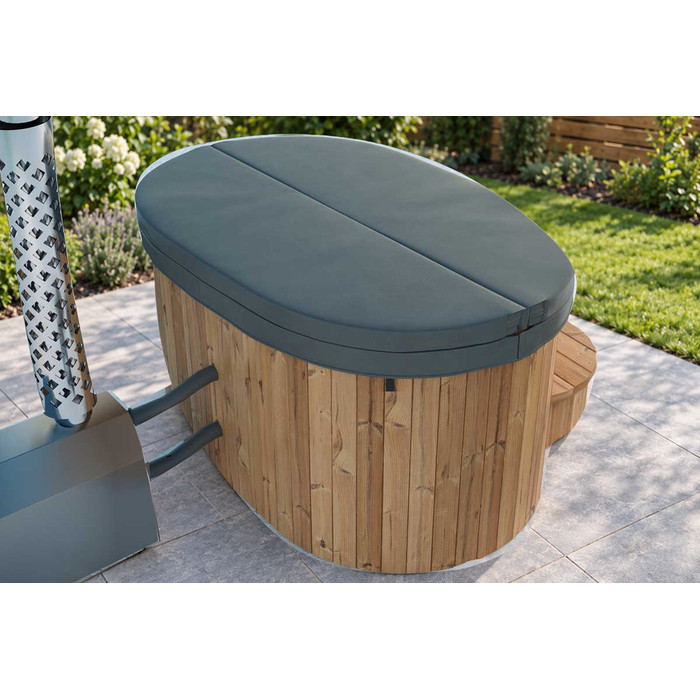
Pool-barrier rules are separate from resource consent. The Building Act’s residential-pool provisions and Building Code clause F9 regulate barriers around pools, and a spa or bathing product may fall within the legal definition of a pool. Do not decide from its marketing label, portability or apparent size. A narrow statutory pathway allows some qualifying small heated pools to use a compliant safety cover instead of a conventional barrier, but the legal definition and cover conditions matter. Ask the council’s building team whether the exact model is covered, what protective arrangement is required and whether the proposed design needs approval.
Request the manufacturer information needed to apply that test, such as water-surface measurements, side height, access or steps, and documents relating to the cover. The Aurora 10 product listing identifies a catalogue item; it does not establish that a cover is included or that an exception applies. If a barrier is required, ask about its design, gates and access. If you think the cover-based exception may apply, ask what evidence the council needs and how any inspection or record-keeping works. A building-consent exemption does not, by itself, remove a pool-barrier duty.
Council approval is separate from private permission
Council consent does not give you permission under a rental agreement or lease. If you are a tenant, contact the landlord before making a lasting change or arranging work. Describe the exact installation, including any fixing, excavation or alteration, rather than asking only whether you can put in a spa. Request written approval that covers the model, location, proposed work and any conditions. A landlord’s agreement does not replace building or planning approvals, and an exemption from council consent does not automatically satisfy tenancy terms. If you lease the land rather than own it, check the lease conditions and ask who must approve the proposal.
Unit-title owners should check the body corporate’s operational rules and obtain its approval where the proposal affects common property, shared services or rules requiring approval. A cross-lease, leasehold title, easement or covenant may also limit changes, even when the property is privately owned. Check the title and relevant agreements, then ask the body corporate manager or lessor who must approve, what plans or information are required, and whether approval has conditions. These decisions sit outside the council consent process. Neither body corporate permission nor landlord consent can determine whether public-law requirements apply.
Prepare site plans and product information
Make the enquiry specific enough for an officer to assess one proposal, rather than a general idea. Prepare the property address and a measured site plan showing the boundaries, existing home and other structures, proposed tub position, and any planned barrier, deck, enclosure or shelter. Include dimensions and distances relevant to the rules being checked. Describe the work you intend to do, including whether you will alter an existing structure. If you are considering more than one location, mark each one separately; an answer for one position should not automatically be carried over to another. Label the plan clearly so the council can tell which version it is assessing.
For the product, request a current specification sheet and any relevant installation or pool-safety documents from the seller or manufacturer. An enquiry naming the Bloomcabin Hot Tub Cove 2 listing should still include verified information if the council needs it: overall dimensions, water-surface area, side height, and relevant access or cover details. Catalogue names and numerical model labels are not technical data. Mark which facts are confirmed and which are outstanding, then ask whether anything else is needed to assess the proposal. If a missing fact determines whether an exemption or barrier arrangement applies, pause and obtain it rather than filling the gap with a guess.
Ask council questions that produce a usable answer
Send the information pack to the building and planning teams, and ask separate, answerable questions. For building work, ask whether the tub or any associated work needs building consent and, if not, which exemption applies. For pool safety, ask whether the legal pool definition applies and what barrier or cover conditions must be met. For planning, ask whether the intended location and related structures are permitted under district and any relevant regional rules, or whether resource consent is required. Also ask whether any applications are separate and what documents are needed for each. A list of specific questions is less likely to leave a barrier or planning issue hidden behind a broad query about whether you can install a hot tub.
Include the exact address, site plan and supplier documents, and say if you are still comparing models. The Haven 6 model information can help identify the item under discussion, but it does not answer the council’s legal tests. Ask whether the reply is informal guidance or a formal consent or decision, and what process is available if there is still uncertainty. Check that the response addresses each question: an answer about the tub itself may leave associated structures or pool barriers unresolved. If the reply refers to an exemption or plan provision, ask which part of your proposal it covers and what conditions apply.
If consent is required, settle the scope before ordering
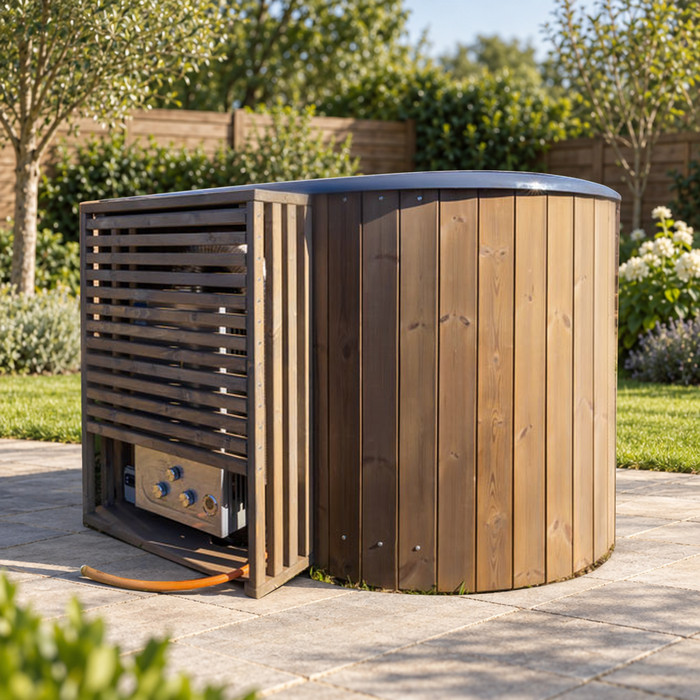
If the council identifies a building-consent or resource-consent requirement, ask what information must be included and which parts of the proposal the application needs to cover. Describe the actual model, location and associated work; a general application for a hot tub may not address a deck, barrier, shelter or other structure. Ask whether a design professional or additional site information is needed, and check how any conditions relate to the plans being submitted. Do not begin work that requires consent until the relevant consent is granted. If a supplier or installer is handling an application, confirm in writing who is responsible for it and what is included.
Compare any proposed alternative before lodging an application or placing an order. A council’s assessment is based on the information it receives, so changing the model, moving the tub or altering access and barrier details can affect the answer. When discussing Bloomcabin Hot Tub Fjord 8 product details with the supplier, request the documents the council needs. Ask the council whether a revised proposal needs further review or a new application. Keep formal consents, approved drawings and conditions together, and check that any private approvals refer to the same version. Resolve this while the choice is still flexible, rather than after delivery arrangements have been made.
Keep every permission tied to the final proposal
Before committing to a model or order, record the outcome of each separate check: building consent or exemption; district-plan status and any resource consent; pool-barrier or cover obligations; and private lease, tenancy or body corporate approval. Note the conditions and the drawings or product information each response refers to, along with any expiry date that applies. A written finding that one approval is not required does not replace another approval, a barrier duty or a contractual permission. If the council has asked you to submit an application, treat that requirement as unresolved until the formal approval is issued.
Keep the chosen product and site proposal aligned with that record. For example, refer to the Aurora 10 model page as the item you are discussing, then attach confirmed dimensions, relevant cover documents, the marked site plan and the council’s written response. Check that every private approval also refers to the same model, location and work. If you choose a different tub or position, send the changed details to the council and any private approver before proceeding. That final comparison helps ensure the separate decisions all relate to the installation you actually plan to carry out.
Common questions
Can I install a portable hot tub without building consent?
Possibly, but portability alone is not an exemption. The council needs to assess the actual work, any associated structures and whether a Building Act Schedule 1 exemption applies. Pool-barrier duties and planning rules are separate, so ask about each rather than relying on a single answer.
Does every hot tub need a pool fence?
Do not assume that a fence is always required, or that no barrier is needed. A hot tub may fall within the legal definition of a pool, and a narrow cover-based exception applies to some qualifying small heated pools. Ask the council to assess the confirmed dimensions, access and cover information for your model.
If building consent is not needed, can I skip resource consent?
No. Building consent and resource consent are separate checks. Work may be exempt from building consent but still need resource consent if it does not meet an applicable district or regional plan rule. Ask the relevant council teams about both.
Can I install a hot tub in a rental or unit-title property?
Check private permissions as well as council requirements. Ask the landlord or lessor for written approval where needed, and check body corporate rules if you own a unit title property or the proposal affects common property. Those approvals do not replace council consent.
What should I send to the council?
Provide the exact address, a site plan, the proposed location and associated work, and current information for the exact model. Include relevant dimensions, access and cover details, then ask separately about building consent, pool barriers and planning rules. Ask what further documents the council needs.
There is no universal yes-or-no answer for a hot tub in New Zealand. Get the building, planning and pool-barrier answers from the relevant council teams, then settle any landlord, lease or body corporate conditions. Keep each written response tied to the exact model, location and work you intend to carry out. When all permissions refer to the same proposal, you can make your decision with fewer unresolved approval questions.
