
Setting up a garden shed art studio: light, surfaces and ventilation
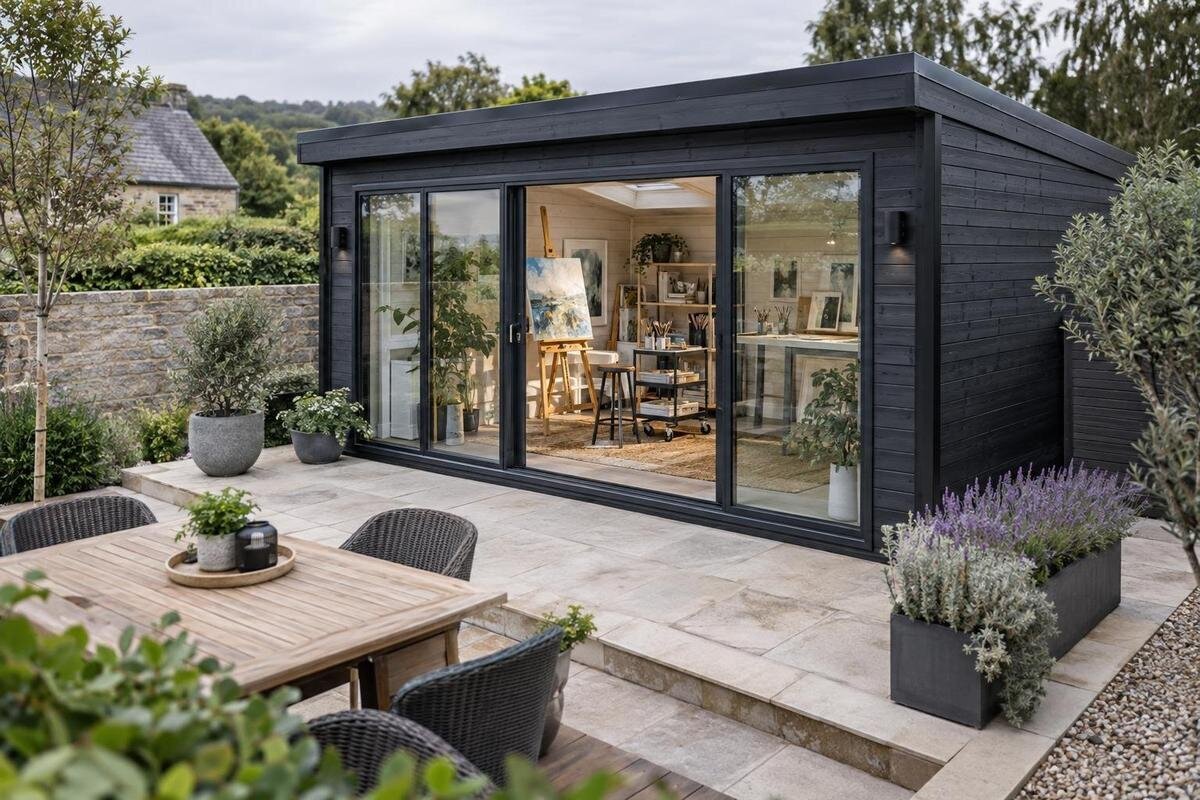
Garden shed studio guide
A garden shed can become a practical art studio when its position, openings and interior surfaces suit the work you actually do. Daylight, lamps and ventilation all affect where you can place an easel or bench; the best-looking building is not automatically the easiest one to use. This guide helps you turn your practice into a clear buying brief, compare a shed’s real features with that brief and plan the finishing details before you order.
Before you order 1
List the work you will actually do
Start with a short list of activities rather than a general idea of a studio. Watercolour at a table, a standing canvas, printmaking and small-scale model work ask for different reach, movement and cleaning. Note the largest board or canvas, whether you sit or stand, where wet pieces need to rest and which tasks require walking around the work. For an easel, allow for its working position as well as its folded footprint; for table work, include the chair and the space needed to turn or load paper. Add recurring jobs such as rinsing brushes or trimming paper, because they need access without crossing the main painting area. This list becomes the brief you use to compare buildings.
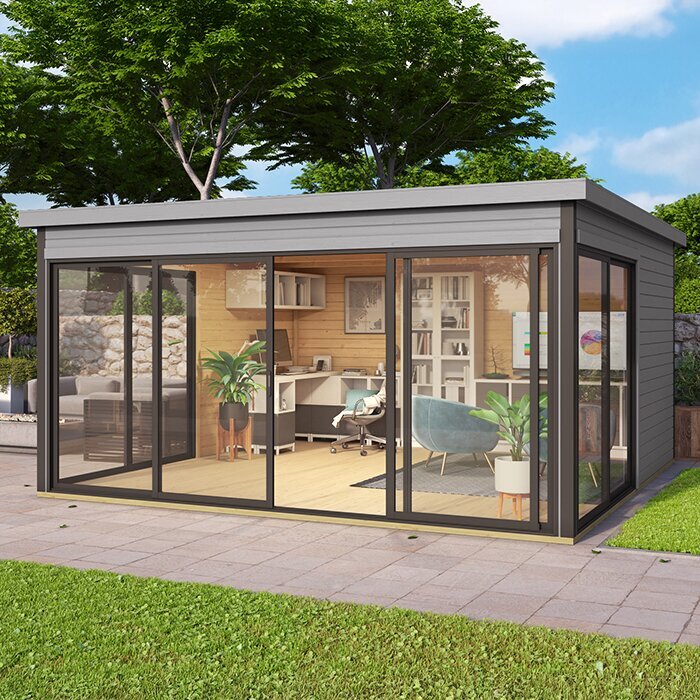
Sketch the proposed layout to scale, or mark it out on the ground, including the door swing, worktop, easel and a clear route between them. Mark likely daylight and task-light positions before deciding where the main bench goes; a window behind you may cast a shadow across the work. Compare listings by internal floor area and usable wall positions, not only outside footprint. For example, keep the Verdana 1 garden shed listing in the comparison set only while checking the exact model’s measurements, opening positions, floor details and what is included. Leave room to pull out a chair and carry a finished piece through the doorway. If a detail is missing or unclear, ask before ordering.
Assess daylight at the proposed site
Daylight is useful for many art tasks, but it changes with orientation, season, cloud and nearby trees or buildings. In New Zealand, the midday sun is generally towards the north, although its height and path shift through the year; a north-facing side can receive stronger direct light, but it is not automatically the best studio position. A roofline, hedge or neighbouring structure may alter the light, and morning and afternoon conditions differ. Visit the proposed spot at the hours you expect to work, and note bright patches as well as deeper shade. Check again in another season if possible, and observe the light at working height rather than only on the ground.
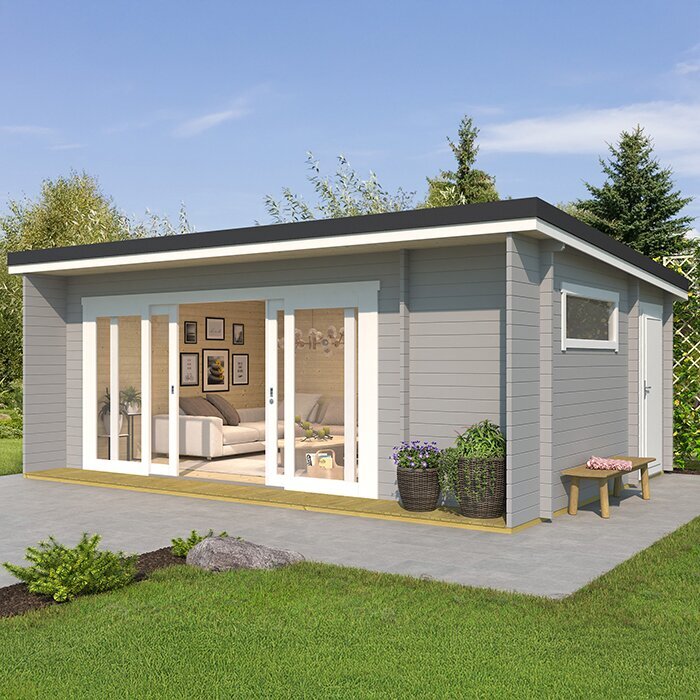
Think about the work angle as well as the compass direction. Side daylight can make a surface easier to see than a window directly in front of or behind the work, but your dominant hand, easel angle and type of mark-making affect shadows. If possible, set up a table or easel in the intended position and see whether your arm shades the area you need. When comparing the Verdana 2 product page with other options, do not infer useful daylight from a model name or marketing image; check the exact opening layout and whether the shed can be oriented as planned on your site. If opening details are unclear, ask for them before selecting the building.
Before you order 2
Manage direct sun and glare
More glazing may brighten a studio, but direct sun can make parts of a painting too bright, create reflections or change markedly as the day passes. Look at where sun patches land on the easel and worktop, not just whether the room looks bright from the doorway. Arrange the main work surface so you are not facing a bright opening, and consider adjustable shading so you can choose between open daylight and softer light. Test how a blind or curtain changes the appearance of colours; a strongly coloured covering can tint the light, while a closed blind may remove useful daylight. This is a configuration question to consider before buying.
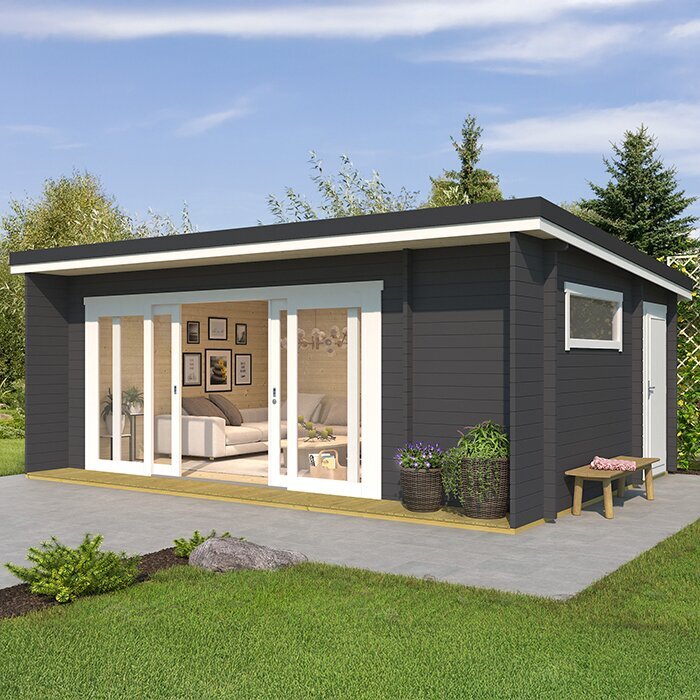
Plan for reference images and finished work as well as the surface you paint on. A display wall opposite a window may receive glare, while a dark or saturated wall can influence how adjacent colours appear. A neutral, matte backing board gives you a repeatable place to compare work without repainting the whole interior. If you are weighing up the Durano garden shed listing, verify what glazing, openings and shade options are actually included or available for the selected configuration; do not rely on the product name or an image to answer those questions. If you expect to add an opening or external shade, ask the supplier or a qualified builder whether the proposed change is suitable before proceeding.
Plan consistent task lighting
Daylight alone will not cover every session. Plan layers of artificial light: even general illumination for moving around, plus a movable task light for close work or a particular surface. Position a lamp so it does not reflect off glossy paper, wet paint or a glazed frame, and check that your own hand does not block it. For work where colour judgement matters, compare the light source’s stated colour-rendering information and colour appearance rather than choosing by brightness alone. Try to keep the light consistent across the area where you compare colours; pools of markedly different light can make the same colour look different.
Decide where a lamp or fitting can go while comparing shed layouts, including a stable place for a lamp stand and a route for its lead that avoids the work area. Do not assume a garden shed includes studio-ready lighting or electrical outlets; confirm the exact included items and plan any new wiring or fixed fittings with a qualified electrician. A plug-in lamp still needs a practical position and an appropriate power supply. Treat the Veltor 1 page as a product to assess against those needs, not as evidence that a light or socket is supplied. If the details do not state these points, get clarification before making electrical plans.
Before you order 3
Match work surfaces to your materials
Worktops should match the media and tools you use. For drawing or cutting, look for a steady, flat surface that supports the full sheet or board; for painting, plan for splashes and cleaning rather than trying to protect an irreplaceable tabletop after the fact. A removable mat or sacrificial board can make a shared bench easier to reset, as long as it suits the material and task. Check the bench depth and height against the way you sit or stand, and allow room to rotate or lay out a piece. If equipment needs clamping, confirm that the worktop you plan to use can suit it rather than assuming a decorative shelf will do.
Floor details matter because drips, dust and repeated wiping affect a wider area than the bench. Confirm whether a floor is supplied, how it is finished and whether that surface suits the cleaning and equipment you expect; a listing photo does not establish whether it is sealed or suitable for wet work. A compatible removable covering may protect it, but it should not trap moisture beneath it or make the floor slippery. Before comparing the Orello 1 garden shed page, check the exact floor and interior details with the seller, and ask whether your planned surfaces can be added without changing the structure.
Separate clean and messy work areas
One surface rarely serves every stage well. If the footprint allows, keep a clean drawing or assembly area separate from a paint, glue or printmaking zone. A cutting mat, washable cover or replaceable board can reduce transfer of colour and residue; choose it to suit the material rather than assuming one coating will tolerate every product. Keep a clear landing place for wet pieces so they do not end up under fresh paper or on the floor. Think through the order of work, from preparing a support to cleaning tools, and place surfaces accordingly. This is one way to judge whether the shed’s usable width is practical, not just whether the bench fits.
Wall surfaces affect both display and daily work. A pinboard or removable rail can hold references near the easel, while a plain, neutral panel makes it easier to compare colours. Leave windows and vents unobstructed, and avoid fixing items until you know how the wall is built and which fastening methods are suitable. When comparing the Modano 1 listing, check available interior details and usable wall space rather than assuming a photograph shows the arrangement you can create. If you plan to add shelves, rails or panels, ask the supplier or a qualified builder how to do so without compromising the building.
Before you order 4
Check how the shed can be ventilated
Ventilation is a purchase criterion, not simply a window-count question. Natural airflow depends on the location and size of openings, whether they can be used at the same time, wind direction and nearby obstacles. A single opening may help air a room, but it does not guarantee a dependable flow through a busy workspace. Check how the planned bench and display areas leave openings accessible, and whether a door can stay open when you need air without exposing work to rain, dust, insects or unwanted views. Use the precise opening details for the chosen model, rather than counting every visible panel in a product image as an opening.
Consider how you will air the studio while actually working, not only when it is empty. Leaving a door open may be impractical in rain or when wet work needs protection, so decide whether the opening arrangement suits your usual sessions; do not assume a pictured window or vent comes as standard. With the Timber Garden Shed M page, verify which openings are included, where they are placed and whether options differ by configuration. If your plan needs a new vent or cut-out, check with the supplier or a qualified builder first, since modifying a wall or roof can affect the building and its weather protection.
Plan separately for fumes and dust
Some media require more than everyday airing. Solvent-based products, sprays, adhesives and certain finishing materials can release vapours; sanding, dry pigments and similar processes can create dust. Read each product label and safety data sheet for ventilation directions, and make those directions part of your studio brief before choosing a shed. Do not treat an open door or a small window as proof that fumes are adequately controlled, and do not use a material in the room if its instructions cannot be met there. Requirements depend on the materials, quantities and work method, so do not base the decision on room size alone.
For work that calls for local extraction or controlled air movement, get advice from a qualified ventilation professional before ordering or altering the building. They can assess the process, equipment and proposed space together; a generic fan or a different window position cannot be assumed to provide the required solution. Ask what needs to remain clear around an extraction point and whether changes to the building are appropriate, rather than improvising a system from online advice. Use the Wooden Garden Shed S listing as a name to investigate, not as evidence that a particular process is suitable; confirm relevant openings and modification limits for the exact version with the supplier.
Before you order 5
Consider moisture and changing conditions
Conditions vary between sites, and a garden shed may experience greater temperature and moisture changes than an indoor room. Some papers, canvases, timber panels and art materials are sensitive to damp or sudden shifts, so inspect the position for shade, wet ground, wind-driven rain and signs of condensation before deciding where the studio will sit. Check the chosen shed’s stated weather protection and details about the floor, walls and openings; a garden-use label alone does not establish suitability for sensitive materials. Keep work off the floor and allow wet pieces to dry without blocking the ventilation you need.
If you need steadier conditions for paper, finished work or materials, ask the retailer or a builder what the proposed structure can reasonably provide and whether insulation, lining or moisture management can be added. Treat each addition as part of the buying decision: lining can reduce usable interior space, and new vents or fixed equipment need appropriate professional review. Air movement helps wet work dry, but it is not the same thing as warmth or humidity control. Adjustable shading may also limit direct sun on displayed work; verify conditions at the actual site instead of relying on a product photograph.
Confirm the specification before ordering
Before placing an order, compare the exact model and configuration against your layout. Confirm the internal dimensions and height, door opening and required clearance, the location and size of any glazing or vents, floor inclusion and finish, wall and roof details, and which fittings are included or optional. A category name or product photograph does not establish these details. If something is missing or ambiguous, ask the seller for a written answer; do not build your art-studio plan around an assumed window, electrical point, floor or finish. Keep the replies with your notes so the final arrangement matches the order.
Delivery and assembly also affect whether the studio can go where the light works best. Check the access route and space needed for positioning and assembly, then ask who provides the base or other preparation and what the selected kit requires. Confirm whether any planned alteration, such as adding a window, power or extractor, must be agreed before assembly, and have structural or electrical work assessed by the appropriate professional. Ask what is included in delivery and whether the assembly plan allows you to orient the openings as intended. These checks help avoid a building that fits the garden on paper but cannot support the light, surfaces and airflow you need.
Frequently asked questions
Should I choose a north-facing site for my garden shed art studio?
Not automatically. In New Zealand the midday sun is generally towards the north, but shade from trees, buildings and the shed itself can change the light at your site. Check the spot at the times you plan to work, then consider whether you can manage direct sun with your layout or adjustable shading.
Can daylight be the only light source in an art studio?
Daylight changes with the weather and time of day, so it may not provide consistent light for every session. Plan general lighting for moving around and a task light for close work. Check the light source’s colour information if judging colour accurately matters to your practice.
What work surface suits painting?
It depends on your materials and process. A flat, steady bench gives you a dependable base, while a compatible removable cover or sacrificial board can make cleaning easier. Confirm the shed’s floor details too; a product image does not show whether a floor is suitable for your work.
Is an open door enough ventilation when using solvents or sprays?
Do not assume it is. Follow the product label and safety data sheet, and plan the room around their ventilation directions. If your work needs local extraction or controlled airflow, get advice from a qualified ventilation professional before choosing or modifying a shed.
What should I check before ordering a shed for an art studio?
Compare your layout with the exact model’s internal dimensions, openings, floor details and included fittings. Check how it can be positioned on your site, what delivery and assembly require, and whether any planned changes need professional assessment. Ask for clarification wherever the specifications are incomplete.
A practical garden shed art studio starts with a clear picture of your work, then matches the site and the building to it. Let daylight inform the layout, add task lighting you can control, choose surfaces that suit your materials and treat ventilation as a requirement tied to the process. Before ordering, confirm the exact dimensions, openings, floor details and included fittings. When those decisions are made together, the studio is more likely to support your work without forcing avoidable compromises.
