
Garden shed foundations on clay soil: questions to ask your installer
Garden shed planning
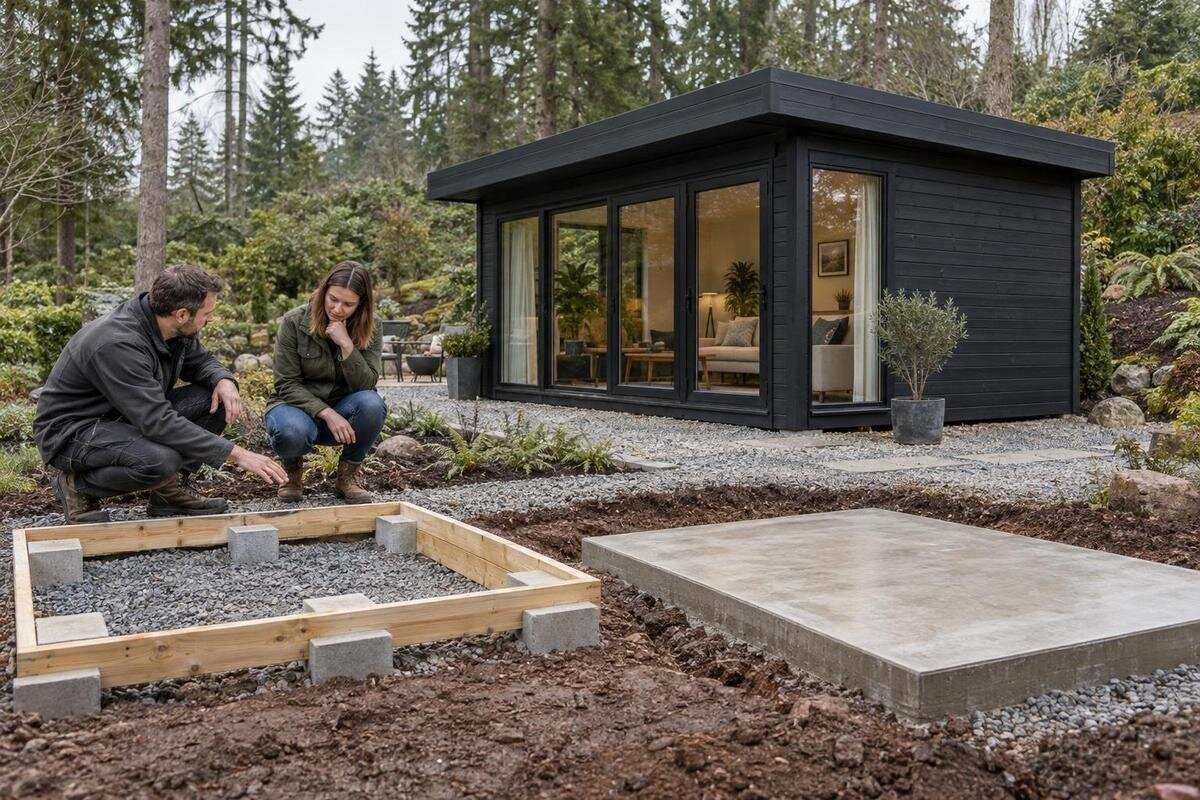
Clay soil does not point to one automatic foundation choice. Before you order a garden shed, ask the installer how the proposed site will be assessed, which foundation options fit the exact model and ground conditions, and what preparation, water management and fixings are included. The useful answer is a reasoned proposal for your footprint, not a general rule about clay.
Why clay soil needs a site-specific assessment
Clay soil covers a wide range of ground conditions; it is not one predictable foundation problem. Firmness, drainage and response to wet and dry periods vary with the soil and with what has happened on the site. A garden may include old fill, buried trenches or disturbed patches, so the surface can hide differences below. Ask the installer what they will assess at the exact shed footprint, what information they will use and what would lead them to seek a more detailed investigation. If an initial visit is limited to visible conditions, ask what remains uncertain. A nearby shed can be a useful conversation starter, but adjoining ground may have been altered differently; another owner's base does not prove the same option will suit your site.
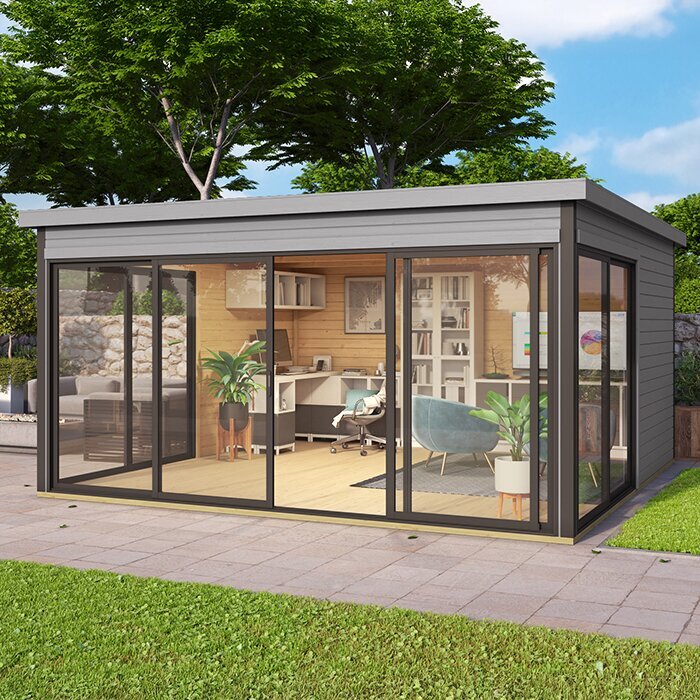
Raise this before placing an order. A listing such as the Verdana 1 garden shed identifies the model you have in mind, but its name and photos cannot determine the right foundation. Ask the supplier for the installation instructions and base requirements for the precise version, then have the installer explain how they apply to your ground. Make sure the quote identifies the model, position and basis for its recommendation. If you change the model, footprint or intended use, confirm whether the foundation plan still fits rather than assuming the original answer carries over. That keeps your product shortlist connected to the site assessment from the outset.
What will the installer assess on site?
Ask what a site assessment actually covers rather than accepting the phrase “we've looked at it”. Will the installer inspect the proposed footprint, ask about site history and note visible changes in the ground or water behaviour? What can they conclude from that visit, and what remains uncertain? Tell them about previous landscaping, extensions, filled areas, buried services you know of or recurring wet patches; these are observations, not a soil diagnosis. If excavation or imported fill is suspected, mention it before the price and foundation choice are fixed, as the installer may need more information to assess the area. Plans or photos may help explain its history, but ask whether an on-site visit is still needed.
When discussing the Verdana 2 garden shed, make sure the assessment and quote refer to that exact model and intended position, not simply to a generic “shed base”. Ask whether the installer will record what they inspected, which documents they relied on and what assumptions remain. If the ground history or condition is outside their expertise, ask whether a suitably qualified geotechnical professional should provide advice before a foundation is specified. Clarify who arranges that input and which decisions must wait. This gives you a clearer basis for comparing installers and helps distinguish an informal look from a fuller investigation.
How the shed's intended use affects the discussion
Describe how you plan to use the shed: for occasional storage, frequent access or regular tasks, for example. Those needs help define what you are buying, but they do not establish the structure's capacity or the right foundation. Ask the supplier which floor, support and fixing requirements apply to the exact model, then have the installer confirm whether your intended use changes anything they need to allow for. If you expect to store particularly heavy equipment or make changes later, raise that before choosing the foundation. Do not rely on a guess based on a product photo or on a similar shed elsewhere.
When comparing the Durano garden shed, or another candidate, check the published footprint and installation requirements for the version you mean to buy. Ask the installer to price for that model and your stated use rather than for a placeholder size. If you are considering optional components or the final position changes, confirm whether this affects the base specification, access or fixing arrangement. Where the supplier's documents do not answer a suitability question, ask the supplier or installer to clarify it in writing before you order. That keeps the choice of shed and its foundation requirements aligned without assuming that similar-looking buildings have identical instructions.
Which foundation options should be compared?
Ask the installer to set out options that are allowed by the exact product instructions. Depending on the site findings and the model, they might discuss a prepared granular base, a concrete base or another support system. These are examples to compare, not recommendations for clay. For each proposal, ask which ground conditions it assumes and why it matches the shed's base and fixing requirements. Check whether more site information is needed before you commit. A material name alone—gravel, concrete or something else—does not explain whether a solution fits your footprint, and an option should not be chosen just because it is familiar from another job.
Use a shortlist such as the Veltor garden shed as a reason to request the relevant product instructions, then have the installer compare options against those requirements. Ask what differs in preparation, site access, project scope, maintenance responsibilities and interaction with water management. You do not need to calculate a foundation; ask for the practical reason behind the recommendation and whether alternatives have been considered. If two quotes propose different approaches, ask each installer to state the assumptions behind theirs. Comparing the reasoning and the work included is more useful than judging by the headline material or price alone.
What ground preparation is included?
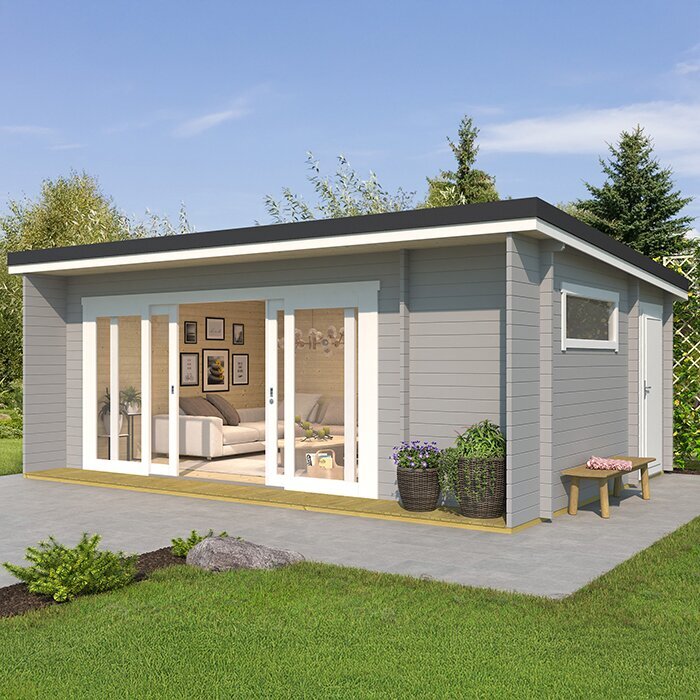
Foundation quotes can cover very different amounts of ground preparation. Ask whether yours includes removing vegetation or unsuitable surface material, any excavation or imported material, preparing the working area, dealing with excavated spoil and reinstating disturbed access areas. These are questions about scope, not instructions to carry out the work yourself. On a clay site, the installer should explain what preparation they have allowed for and what they cannot confirm until work begins. Ask what “ready for the shed” means in the quote, including who will check the completed base against the selected product's requirements.
For a chosen product such as the Orello garden shed, make sure the quote identifies which preparation belongs to the installer, which tasks are yours and what is excluded. Clarify who supplies materials, removes spoil and protects paths or garden areas, and whether access affects the proposed work. If you are expected to provide a completed base, request the acceptance criteria and the timing for checking it before delivery or assembly is arranged. Agree how a change in ground conditions will be raised, priced and approved. A line marked “base included” is not enough if preparation, disposal or responsibility for checking the finished work remains unclear.
How will water be managed around the shed?
Clay can allow water to move through the ground slowly, although actual drainage depends on the whole site. Ask the installer how they have considered surface runoff at the proposed footprint and where rainwater from the shed's roof is intended to go. Find out whether the proposal relies on separate work, an outlet or a soakage area that is not included in the quote. This separates foundation construction from wider drainage work. If an additional system is recommended, ask who designs and completes it, and whether any part needs separate confirmation with a relevant professional or authority.
When reviewing the Modano garden shed, refer to the exact product and proposed location in the water-management discussion; do not assume the same plan suits every model or part of the yard. Ask how the installer has considered water moving towards the shed as well as water leaving it, and how the proposal fits the selected foundation. If the answer is simply “we'll sort the drainage”, clarify what work that includes and where the water will go. Check whether anything needs ongoing attention, such as keeping an outlet clear, and who is responsible. The aim is a defined proposal, not a promise that clay soil will stay dry.
How will the footprint and access be set out?
Agree the precise position and footprint before the foundation is set out. Ask how the installer will use the chosen model's dimensions and whether the proposed area shows signs of previous filling, excavation or other ground changes that need a closer look. Discuss space for doors to open, access to the shed and room for planned maintenance. A small change of position may bring a different area of ground into the work, so ask whether a new footprint needs reassessing. This is a siting decision as well as a product-selection detail; settle it before the foundation quote is treated as final.
For the Timber garden shed M, as with any shortlisted model, have the written quote identify which footprint and position it covers. Confirm practical access for bringing materials in and removing spoil; restricted access can affect the work included, so raise it before the price is set. Ask where the finished base will sit in relation to the surrounding ground and the shed's entry, and have the installer explain any relevant allowance in the product instructions. This is not about choosing a universal height or tolerance. It is about making sure the quoted foundation matches the intended installation and the area you can actually use.
How will the shed be secured to the base?
Ask exactly how the garden shed will be connected to its foundation. The fixing method needs to be compatible with both the proposed base and the manufacturer's instructions for the chosen model; do not assume that the same fixings or details apply to every support type. Find out who supplies the fixings, who installs them and who confirms compatibility if someone else provides the base. On clay, ask how the installer has taken account of the ground conditions they assessed, and what instructions or other information support their explanation. A general promise to “secure it properly” leaves too much unstated for comparing quotes.
If you are considering the Wooden garden shed S, ask the supplier for its relevant installation information before the fixing plan is agreed. Clarify what happens if ground encountered during preparation differs from the assumptions: will the installer explain the finding, propose a revised solution and seek approval before extra work? Record who decides whether further professional advice is needed, and how the completed connection will be documented. If one contractor builds the base and another assembles the shed, make sure each accepts the handover conditions in advance. Otherwise, responsibility for a mismatch may be unclear when the work is under way.
What should the quote include?
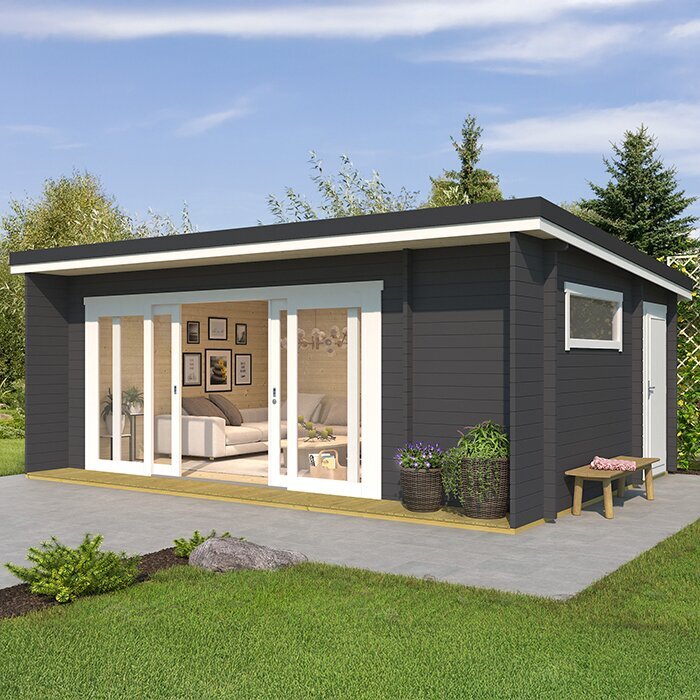
A useful quotation should make the foundation decision clear, not bury it in a single amount. Ask it to identify the selected base type, the assessment behind it, the model and position, preparation, materials, water-management work, fixings, spoil removal and installation. Check whether the price includes clearing the work area and dealing with disturbed access, or whether those tasks are outside the scope. This does not require a technical drawing for every garden shed; it does require enough detail to understand what the installer has agreed to deliver and what remains uncertain or excluded.
Before comparing quotes, ask each installer to price the same model, footprint and scope. Clarify assumptions about access, existing fill, water handling, a base you may provide and any tasks you will do. Ask how changes will be explained and approved if preparation reveals different conditions, and whether additional professional advice is treated separately. Check that each quote names the same product rather than relying on an assumed standard size. A lower headline price is not directly comparable with one that includes more preparation or spoil removal. A written schedule of inclusions, exclusions, responsibilities and possible extra work gives you a fairer basis for deciding.
What should be confirmed before ordering?
Before confirming the order, get the foundation decision and its limits in writing. The record should identify the exact shed model, intended footprint, chosen foundation approach, assessment carried out, relevant manufacturer instructions and assumptions about existing ground. It should also state what is still unknown and what would prompt a different recommendation. This matters if the price depends on the ground being as described or on a separate base being ready. Ask who is responsible for confirming that the completed foundation meets the shed's requirements, particularly if the supplier, installer and groundwork contractor are different people.
Agree the order and work sequence with everyone involved: when the site needs to be accessible, when the base will be checked, and what must be confirmed before the shed is delivered or assembled. Do not treat a verbal “all sorted” as confirmation of matters that affect the order or extra work. Ask for a clear process if the ground is wetter, softer or otherwise different from what was assumed, including who can approve a change and how you will receive the revised scope. With those points recorded, you can judge the purchase against the shed you want and the foundation plan actually proposed, rather than a generic promise.
Frequently asked questions
Does every clay site need a concrete base?
No. The word clay on its own does not establish which foundation is suitable. Ground conditions, the chosen shed and its installation requirements all matter. Ask the installer why they recommend a particular option and what site information supports it, rather than relying on a rule that every clay site needs concrete.
Can I judge the ground by how dry it looks?
Not reliably. The surface you see during one visit may not show what lies below or how water behaves at other times. Tell the installer what you have observed, including any recurring wet areas or previous groundworks, but ask them to explain what can and cannot be concluded from those observations.
What information should I give the installer?
Share the exact shed model you are considering, its intended position and use, and any site history you know about, such as landscaping, fill or earlier excavation. Mention changes you have noticed in the ground or water behaviour. These details help the installer identify what to assess; they are not a substitute for a site-specific professional assessment.
Should I order the shed before agreeing on the foundation?
Identify the exact model early enough to get its installation requirements, then coordinate the foundation decision with the installer before committing to work. Ask whether the recommendation depends on a site visit or further advice, and whether changing the model or footprint would alter the plan. Confirm ordering and installation timing with the people involved.
What if the ground differs from the quote assumptions?
Ask the installer to explain what has changed, what they recommend now and whether further professional advice is needed. Before authorising extra work, agree in writing on the revised scope, cost and responsibilities. A clear process for unexpected conditions is more useful than a quote that leaves changes to be sorted out on site.
On clay soil, the important choice is not a generic “clay base”; it is a foundation plan grounded in the actual shed, its footprint and the site information available. A useful installer discussion leaves you knowing what was assessed, why an option was recommended, how preparation and water management are scoped, and who approves changes if conditions differ. That gives you a sounder basis for comparing quotes and committing to an order without assuming every clay site behaves alike.
