
Garden Shed or Storage Shed: What’s the Difference?
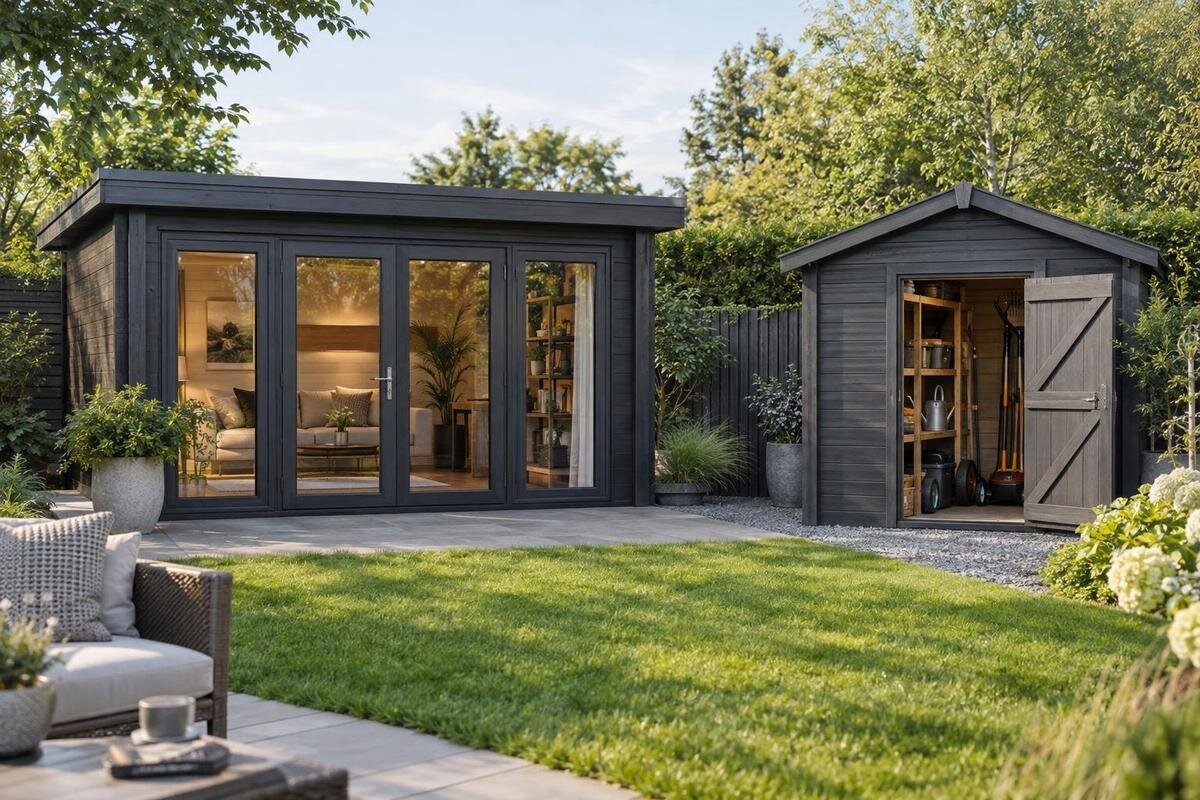
Garden shed buying guide
On a listing, garden shed and storage shed can describe overlapping kinds of outdoor buildings. The useful difference is the job you expect the building to do: keep tools and gear organised, provide room for a regular hobby, or handle both. That purpose changes the layout, access, comfort and upkeep worth considering before you buy. This guide compares those priorities so you can assess the actual product details rather than relying on the name.
The main difference is how you plan to use it
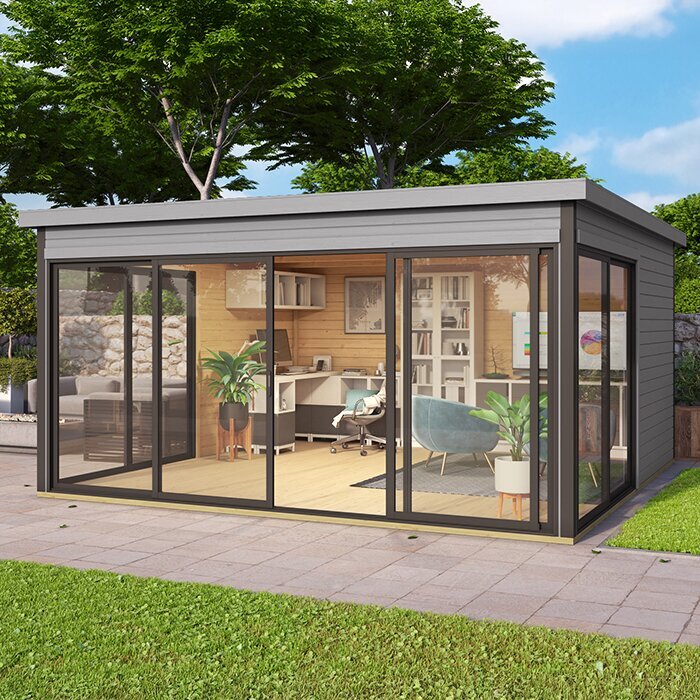
There is no universal product boundary between a garden shed and a storage shed. In everyday listings, a storage shed is usually described by its job: keeping garden tools, outdoor gear, potting supplies or household overflow together and out of the way. A garden shed can do that too, but the phrase may also describe a building intended for potting, repairs, craft work or a quiet place to sit. Sellers do not always use the names consistently, so the wording is a clue to the intended role rather than a dependable specification. Start with the activities and belongings that will be there most often, rather than an idealised future use. That approach makes the comparison less about terminology and more about the demands the building will need to meet.
The practical distinction is what you need from the space. For storage, priorities are likely to include access to frequently used items, room for the largest equipment and a way to keep belongings organised. For a hobby or place to relax, you may also need room to work or sit, suitable light and enough clear floor area to move comfortably. Neither purpose is inherently better, and the label does not establish build quality or suitability. A timber building, for example, might be considered for either role; its stated details still matter.
Match the shed to your regular routine
Think about how you will use the building in an ordinary week, not just what you hope to put in it eventually. Write down the items you want to store, how often you need them and whether you will carry them in and out together. A mower or long-handled tools create different access needs from boxes of seasonal decorations. If the shed is mainly for storage, decide which items need to be within easy reach and which can sit further back. This makes it easier to judge whether a layout will work in practice. Group the list by frequency of use and size, then identify any item that must be removed before another can be reached. That simple exercise can reveal an inconvenient arrangement before it becomes part of daily use.
A mixed-use shed needs a clear boundary between the working area and stored belongings. A potting bench, repair surface or chair takes up space even when it is not in use; shelves and equipment can make that space harder to reach. Consider whether the hobby can happen without moving stored items each time, and whether tools can be put away without blocking the working area. When weighing up a candidate such as the Verdana 1 garden shed, use your routine and item list to assess the actual product details, rather than assuming the name tells you how the space is arranged.
Plan around usable floor space
The outside footprint is not the same as the clear floor area inside. Walls, posts or other features can reduce the room available for shelves, a bench or larger equipment. Check whether listed measurements are external or internal, and look for a plan that explains where measurements are taken. For storage, think about the space needed to reach items at the back without shifting everything in front. For a hobby area, allow room for the activity itself and for moving around it, rather than counting only the bench or chair. Think about height as well as floor space: tall tools and stacked boxes need suitable storage positions, but should not make routine access awkward. Include proposed shelving in the plan from the outset instead of treating it as space that appears for free.
A simple sketch can expose space conflicts before you order. Mark the building’s footprint on a plan, then add the outline of the largest objects, proposed shelving and any work surface. Leave a usable route between the door and the items you need most often. If you are comparing the Verdana 2 listing, use any published dimensions or plans as the basis for that sketch; do not infer the internal space from a product name or a photograph. If a dimension is not clear, ask the seller what it measures before deciding that your layout will fit.
Check how you will get in and out
The doorway can determine whether a shed is practical for the things you intend to store. Compare the clear opening with the widest or tallest item you expect to carry through, and think about the angle needed to turn it inside. If a door opens outwards, allow room for its movement; if the opening is configured differently, check how that affects access and the interior layout. Also consider whether you will be carrying pots, tools or materials in both hands. A convenient route matters for a storage shed just as much as for a space used for regular activities. Trace the whole route, including gates, paths, corners and any changes in level between the storage area and where items are used. An otherwise suitable doorway is less helpful if the approach makes bulky equipment difficult to manoeuvre.
For a hobby space, openings can also affect daylight and how connected the interior feels to the garden. Those benefits depend on the actual design, not on the category name or an image. If a plan is available for the Durano spacious garden shed, compare its stated openings and measurements with the way you expect to move items and use the room. Check which features are included in the exact option you are considering, and avoid assuming that a product photograph shows every detail of the supplied building.
Comfort depends on the specified building
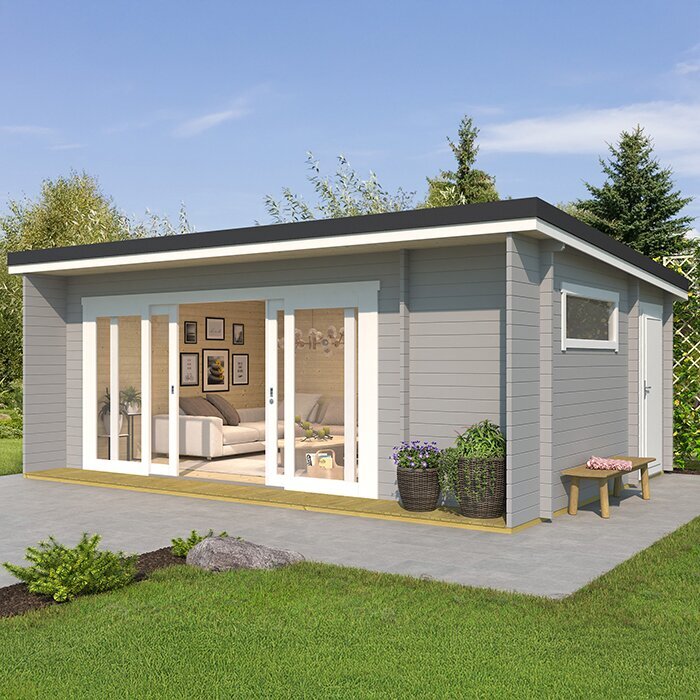
A shed used briefly to collect a spade has different comfort needs from one where you plan to spend regular time. A hobby or relaxation space may call for more attention to light, ventilation, weather protection and the surface underfoot. These are separate considerations: a timber finish or garden-oriented name does not, on its own, confirm how the building performs or what activities it is designed to support. Consider when and how often you will use it, and be realistic about whether the intended setup is occasional pottering or a regular workspace. Consider conditions at the times you expect to use the space, including darker days or periods of wet weather. A room that is acceptable for occasional storage may feel very different when you intend to remain there to complete a task.
Read the product description for details of the walls, roof, floor, windows and any ventilation or lining, and note what is not stated. Ask whether a feature is included in the option you would order or would need to be added separately. Before treating the Veltor 1 as a hobby space, for instance, assess the published information against your planned use rather than relying on its name. If the building needs a significant fit-out or professional advice to meet that use, factor that into your decision.
Timber choice affects ongoing care
Material can influence the look and maintenance of an outdoor building, but it does not by itself decide whether the building is for storage or hobbies. If you are considering timber, check what material and finish the product details actually specify, and read the care advice provided by the manufacturer. Do not assume that all wooden sheds have the same treatment, surface finish or upkeep needs. The intended location and exposure to sun, rain and wind can also affect the care you may need to plan for. Think about whether you will be able to inspect and maintain the less accessible sides after the building is in place. Planning access now can make it easier to follow the care guidance later.
Compare the care requirements with the time and effort you are prepared to put into ownership. Look for clear information about any treatment supplied, whether further finishing is needed and how the building should be maintained. The Orello 1 is one named option you can assess against those questions; its name alone is not a substitute for material or maintenance details. If the description does not explain what you need to know, ask before ordering rather than budgeting on an assumption about the timber or its finish.
Allow for the site, delivery route and access
Check the available site against the building’s external dimensions, then consider the space needed to reach the doors and carry out routine upkeep. A shed that fits on paper may still be awkward if there is no clear route for moving equipment in or out. Think about how the location relates to the activity: a hobby space may need to be convenient to reach, while a storage shed is more useful when you can get to the things it holds without obstruction. Site access is part of the choice, not just an installation detail. Also consider how the position affects surrounding paths, planting and the everyday use of the garden. Avoid committing to a location until you can picture opening the shed, carrying items to it and moving past it without creating a persistent pinch point.
Ask how the building will be delivered and whether its components can reach the intended location along your access route. Confirm what site preparation is expected, and seek advice from a suitably qualified professional if you are unsure about the base or other site requirements. For a model such as Modano 1, use the dimensions stated for the exact option to compare its footprint with your site, rather than estimating from a photo. Check with the relevant parties about any requirements that apply to your property if that is a concern.
Compare the full cost of ownership
A useful comparison goes beyond the building’s purchase price. Put together the likely costs of delivery, site preparation, assembly and any fit-out you need, such as shelves, a work surface or storage hooks. These items may or may not be included, so look for an explicit list rather than assuming they come with the building. If you are choosing a hobby space, include the cost of making it work for that activity; if storage is the priority, consider what organisation will make the contents accessible. Include ongoing care and the materials it may require in your own budget, based on the stated maintenance guidance. Small organisational purchases can also affect the final setup, particularly where a compact shed must store many different items.
Compare options on the same basis and keep the distinction between confirmed inclusions and possible extras clear. When considering the Timber Garden Shed M, for example, record only the price and inclusions explicitly shown when you view the product page, then check what other costs your plan would involve. Do not treat an unstated service as included or assume that a lower initial price means a lower overall cost. A simple written comparison helps reveal where two apparently similar choices differ in what you need to organise.
Read product details before placing an order
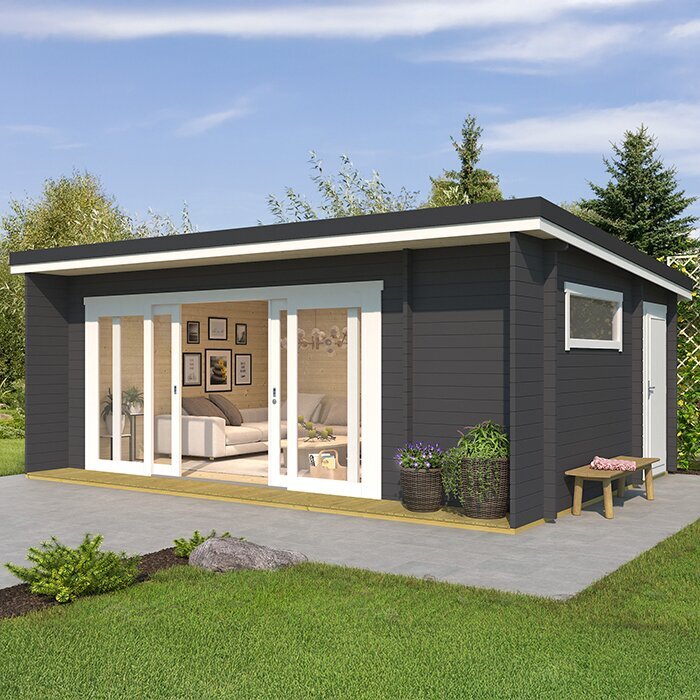
Use product descriptions to compare the points that matter to your intended use: external and internal measurements, materials, openings, stated features and what is included in the package. Note the exact model and configuration, because photographs and broad category descriptions may not show every supplied component. If details are missing or unclear, ask for clarification before you make a decision. A side-by-side comparison is more useful when it records both the stated information and any unanswered questions, rather than filling gaps with assumptions. Keep your comparison in the same order for every option so that omissions are obvious. Separating confirmed information from questions you still need answered helps prevent a feature from being mistakenly carried over from a different model or configuration.
Ordering considerations include delivery arrangements, access for unloading, assembly responsibilities and what to do if a package arrives with a problem. Confirm the current terms for the exact item and delivery location; do not infer them from another listing or from a general description. The Wooden Garden Shed S page can be assessed in the same way as any product option: distinguish what the page explicitly confirms from what you still need to ask. That leaves you with a clearer picture of the purchase and fewer surprises when it is time to prepare the site.
Choose by priority when one shed must do both
If the building has to provide both storage and a place for hobbies, decide which role takes priority when space is tight. For a storage-led choice, make sure the main equipment fits and can be reached without dismantling the whole arrangement. For a hobby-led choice, reserve room for the activity and consider where materials and tools will go when you finish. If both uses matter equally, check that one does not routinely block the other. A clear division of floor space can help, but only if the actual dimensions allow it. Test the proposed division against a typical task, such as bringing in equipment, setting up the activity and packing it away again. If that sequence requires repeated shifting of stored items, the plan may need more clear space or a different priority.
Before buying, write a short brief covering the main use, largest items, access needs, desired comfort and the upkeep you are willing to manage. Compare each option against that brief and separate essential features from preferences. A garden-shed or storage-shed label can help you find relevant listings, but it cannot settle whether a particular building suits your plans. The better choice is the one whose stated details fit the way you will use it, with enough room and access to make that use practical.
Frequently asked questions
Are a garden shed and a storage shed different product types?
Not necessarily. The terms are often used for overlapping outdoor buildings, and the wording varies between sellers. A storage shed is generally presented for storing items; a garden shed may be intended for storage, hobbies or both. Compare the stated features and intended uses rather than relying on the label.
Can I use a storage shed for a hobby?
Possibly, if the space and specified features suit the activity. Consider the room needed for your equipment, how you will move around it, and whether the listed light, ventilation and weather protection are appropriate. A storage-focused description alone does not confirm that the building will be comfortable for regular use.
Does a timber garden shed come ready for year-round use?
Timber alone does not tell you how comfortable or weather-resistant a particular building will be. Look for the product’s stated construction details and care requirements, and check what is included. If you plan to use it regularly as a workspace, confirm that the specified design suits that purpose.
What should I measure before buying?
Compare the available site with the building’s external footprint, then check the usable internal space and the clear opening for doors. Measure your largest item and consider its route from the delivery point to the shed. Allow room to open doors and reach anything you store or use inside.
Which is better for a small garden?
Neither type is automatically better. A storage-only building may meet your needs with a simpler layout, while a hobby space needs room for both the activity and movement around it. Decide which use matters most, then compare the actual footprint, access and stated features of suitable options.
The distinction is less about two fixed product types than about what you need the space to do. A shed chosen for storage should make its contents manageable; one intended for hobbies or relaxing needs room and specified features that support that use. When a building must do both, be clear about which requirements are essential. That gives you a practical basis for comparing options and choosing a shed that suits your plans.
