
Can a Garden Shed Be Used for Overnight Stays? What to Check First
Garden shed planning
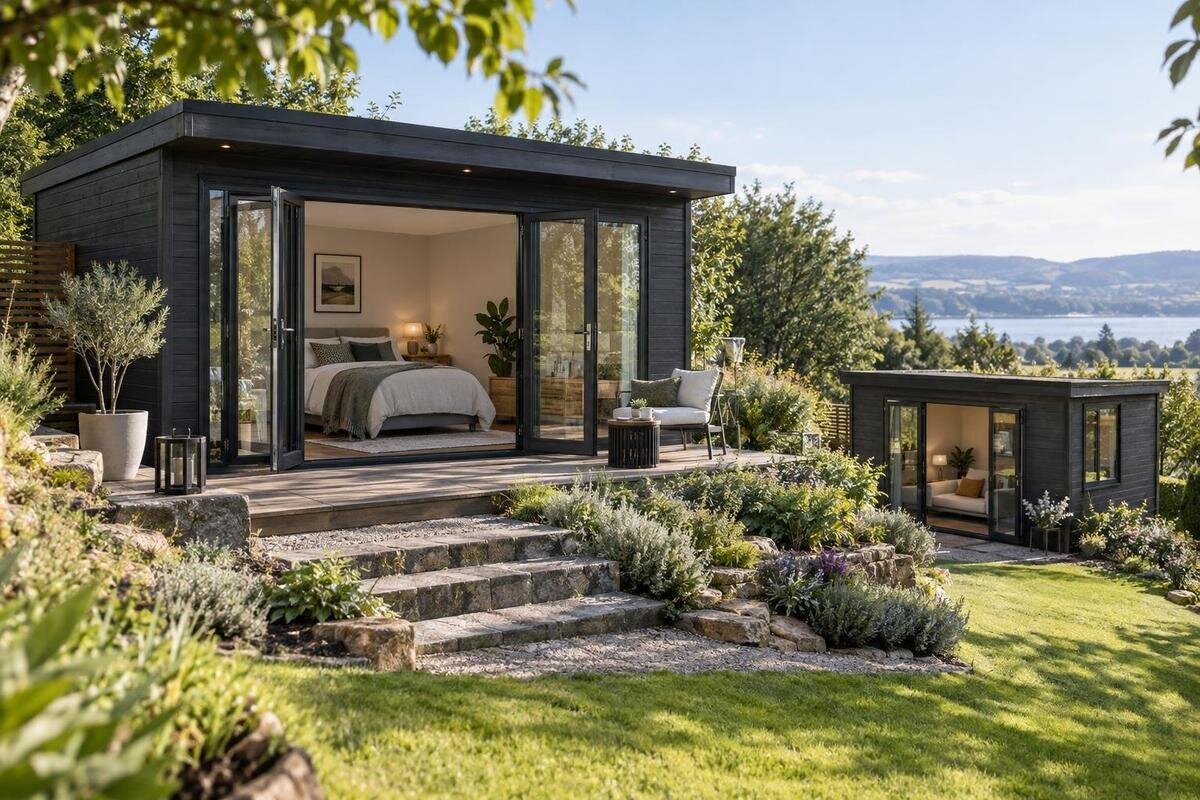
Sleeping in a garden shed may seem like a simple way to make room for a guest, but a building sold as a shed is not automatically cleared for overnight use. Before ordering, define how it will be occupied, ask your local council which planning and building requirements apply at the property, then assess safety, weather protection and services against that use. The answer depends on the address and the proposal; neither a product name nor a neighbour’s arrangement settles it for you.
Define what you mean by an overnight stay
First decide what the stay actually means: a one-off night for a visitor, several weekends a year, or regular sleeping accommodation. Note how many people would use it, whether the same people would return, which seasons are involved and whether anyone would stay independently of the main house. Frequency may be relevant, but it is not a shortcut to a yes or no. Explain the real pattern to the council rather than using a softer label such as storage or occasional use. A building intended for sleeping brings different practical questions from one used only to store tools. Also consider whether the arrangement could change over time. A spare room for an occasional guest may become a regular place to sleep, particularly during holidays or family visits. Identifying that possibility early makes it easier to ask useful questions about the intended use rather than revisiting the process after purchase.
Be specific about duration and facilities as well. Would visitors use the bathroom and kitchen in the house, or would the shed have a toilet, shower, sink, cooking appliance or heating? Is the proposal for occasional guests, or do you expect it to be occupied often? You need not finalise every design choice before making an enquiry, but broad phrases can conceal facts that affect the advice. A clear description helps council staff, an insurer and qualified advisers consider one consistent proposal instead of responding to a generic label such as garden room. Write it down so you can use the same description in each conversation.
Ask your local council about the proposed use
Contact the local council responsible for the property with the proposed overnight use, not just a general question about putting up a garden shed. Ask which local planning requirements and approvals need to be considered at that address, and whether sleeping there changes what you need to check. The answer may depend on the site and the arrangement, so guidance about another property or a shed used for storage is not enough. If you rent, share ownership or live in a managed development, find out who else needs to consider the proposal before you order; council guidance does not settle private permissions.
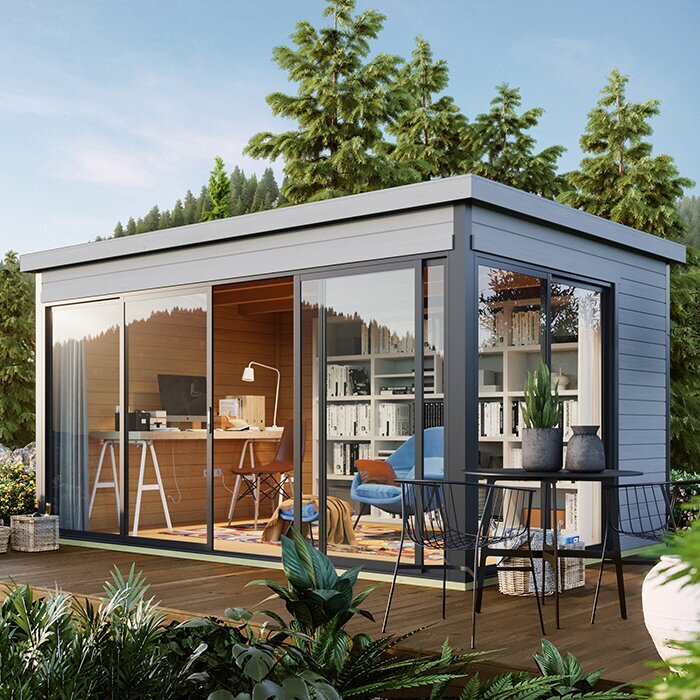
Give the council a concise brief: the address, intended number and pattern of occupants, proposed building, location and planned services. Include the exact model identifier if you have shortlisted one; the Verdana 1 garden shed listing can help identify the product you mean, but its title does not confirm its size, approval or suitability for overnight stays. Ask what documents the council needs to provide a useful response, and keep any written reply with your purchase notes. If an answer is unclear, ask a specific follow-up rather than interpreting silence as approval.
Check whether building consent is needed
Ask directly whether building consent is needed for the proposed building and its intended overnight use. Also ask whether the answer would change if you added a bathroom, cooking area, heating, electrical work or other alterations. Do not infer the answer from a shed’s small size, a seller’s description, a neighbour’s building or a general comment about where it may be placed. Requirements can depend on the actual proposal and the rules that apply; the council can direct you to the right process for your property. If you receive a conditional answer, get the conditions and next steps explained before treating it as settled. Record the date of the advice, the proposal you described and the name or reference number provided. This gives you a clear record if the design, location or planned facilities later change and you need to confirm whether the earlier guidance still applies.
Keep questions about the site and questions about building work clear, even if you raise them in the same enquiry. Ask whether you need a building professional or a qualified trade to advise on the proposed work, and what information they will need. An online product page can identify a candidate, but it cannot establish that the building has consent or is suitable for sleeping. For example, the Verdana 2 product page identifies a listing, not an approved use or compliance. Find out what documents a council or adviser will rely on before deciding whether to buy.
Prepare accurate information before seeking advice
A useful enquiry is precise enough to be assessed without pretending the design is final. Request available written details from the supplier, such as overall and internal dimensions, roof, wall and floor information, door and window positions, installation requirements and any stated limitations. Do not guess missing details from a product photo or model name. Explain the proposed location and what services, if any, you expect to connect. If the council needs a plan or technical evidence, ask what form it should take and whether an appropriate professional should prepare it.
State whether the shed would be occupied throughout the year, only overnight, or in particular seasons, and whether users would need cooking, bathing, a toilet, heating or electricity. If a shortlisted design is identified in a listing, quote its exact name and ask the supplier for any missing specifications; the Durano garden shed page is an identifier, not a substitute for those details. Keep your description consistent when speaking with the council, insurer, supplier and tradespeople. Advice based on storage-only use may not help if your actual plan is to accommodate people overnight.
Check that there is practical room to sleep
The outside footprint is not the same as the usable sleeping area. Confirm internal measurements with the supplier, then plan around the bed you intend to use, bedding, storage and space to get in and out. Allow for the route to the door and any windows you may need to reach; furniture that fits on paper can still leave an awkward or obstructed room. If more than one person may stay, plan for the actual occupancy rather than using a single-person layout as a guide. Consider where bags and clothing will go so they do not end up in the way. Mark the proposed furniture on a simple scaled sketch, including door swings and any fixed items. It can reveal conflicts between the bed, access route and storage before you commit to a particular layout or assume that a larger-looking exterior will provide enough clear floor space.
Ask for information that may not be clear in a photograph, including internal height where relevant, opening positions, ventilation provision, floor inclusion and restrictions on alterations. Compare possible designs against the same written checklist. the Veltor 1 listing is one product page you could identify in your comparison, but its name and images do not tell you the room capacity or whether overnight use is allowed. If useful information is missing, request it before ordering and give it to the council or a building professional when asking about the intended use.
Look beyond weather protection claims
Shelter from a quick shower is not the only weather consideration for a room where someone will sleep. Ask what documented information is available about the roof, walls and floor, how openings are treated, and the conditions for which the building is described. Check whether a floor is included and how the supplier says moisture should be managed. Do not assume a product image answers these questions. If the shed would be used in different seasons, discuss the proposal with a qualified building professional rather than assuming a general garden-shed description promises year-round comfort. Consider the particular site as well: exposure to wind-driven rain, ground moisture, nearby trees and the route from the house can all affect how the finished space is experienced. Raise these site conditions when seeking professional advice rather than relying only on a general product description.
Ventilation and condensation are also worth discussing for an enclosed sleeping space. Ask about the ventilation provided, the effect of any proposed insulation or lining, and how the finished room is intended to dry out. Changes after delivery may affect how the building performs, so seek advice before altering it. No performance detail is verified by a model name. the Orello 1 product listing can be considered as an identified option, but thermal performance, water resistance and materials need to be checked in its documentation. Have uncertain details reviewed before buying for overnight use.
Plan safe access and emergency arrangements
Think through how someone would reach the shed at night and leave it in an emergency. Consider the route from the house, the ground surface, changes in level, lighting and how the door opens. Check that furniture, bedding or bags would not block the exit. Imagine a visitor who does not know the property, and consider how they could call for help or be reached. These are practical checks, but the completed arrangement also needs to be assessed against any requirements that apply to the intended use. Ask the council or a qualified building professional which requirements are relevant and what evidence is needed. Include ordinary arrival and departure in the review, not only an emergency. A path that is manageable in daylight may be difficult in rain or darkness, and loose surfaces, steps or gates can be especially inconvenient for a guest carrying luggage. Resolve practical access issues in the overall site plan.
Raise means of escape, alarms, fire-safety design and heating with an appropriate adviser before treating the shed as accommodation. Do not choose or alter alarms, exits, electrical equipment or heaters based only on a product image or online article; the right approach depends on the proposal and applicable requirements. If you are comparing listings, identify the exact item—the Modano 1 page is a model name to refer to—then ask whether proposed changes can be properly assessed. The listing itself is not a fire-safety assessment.
Decide how essential services will work
List the services people would need: power, lighting, heating, water, a toilet, a shower and waste-water arrangements. Add cooking facilities or internet if they are part of the plan. An overnight space may be inconvenient without some facilities, but providing them is not simply a matter of adding them later. Check what is appropriate at the property and what design, approvals or trade work may be involved. Ask the local council about relevant requirements, and speak with suitably qualified electrical, plumbing or drainage professionals before planning connections. Do not assume a garden shed can be serviced in the same way as the house. Separate what is essential for your planned stays from what would simply be convenient. This helps you describe the proposal accurately and avoid allowing for future facilities only after the building, location and access arrangements have already been decided.
Decide whether guests would use facilities in the main home, and whether the route and access would work for the people staying there. If you plan to add services, have the proposed connections and building information reviewed by the relevant professional; product photos do not show whether a particular connection is possible. the Garden Shed M listing identifies a product, not a services package or a suitability claim for plumbing or electrical work. Ask the supplier about documented provisions and restrictions, and ask tradespeople what they would need before advising or quoting.
Check property permissions and insurance
Council requirements are not the only matters to resolve. If you rent, share ownership or live in a managed development, ask the landlord, co-owner or body corporate whether they need to consider your proposal before you spend money on a building. Review any relevant property documents you already have and seek independent advice if their effect is unclear. Do not treat a council response as permission from every other party. Tell your insurer in writing how the shed would be used and ask whether overnight stays could affect cover for the building, the people staying there or a future claim.
Consider privacy, noise, outdoor lighting and visitors arriving after dark, especially if homes are close together or access is shared. These practical issues do not replace formal checks, but they can affect whether the arrangement works for everyone. Keep replies from the council, owner, insurer and advisers with your notes. If a listing is on your shortlist, the Garden Shed S page gives you a model name to use in correspondence, not an answer about property permissions, insurance or neighbour concerns. Make sure the people whose agreement is needed understand the intended overnight arrangement.
Set a clear purchase checkpoint
Before ordering, make sure you can describe the proposed use, understand which council questions remain and know whether consent or other approvals may be needed. If an answer is conditional, record what needs to change or what further evidence is required. Do not assume that buying a shed will resolve a later question about its placement or use. If additional design work, service connections or safety measures may be necessary, get suitable advice and understand the scope before deciding whether the product you have shortlisted is still appropriate.
Compare the supplier’s written information with the requirements you have been given: exact model, overall and internal dimensions, included components, stated materials or performance, installation information and any limitations. Ask whether proposed alterations affect the supplier’s guidance. Check the order terms, assembly responsibilities and what options you would have if the proposal could not proceed; do not assume particular return arrangements. If the council or an adviser needs more information, pause and obtain it. The outcome may be a different building designed for sleeping, a revised proposal or no separate overnight space.
Frequently asked questions
Can I assume a garden shed is allowed for overnight stays?
No. The answer can depend on the property, the building and how you plan to use it. Ask your local council about the specific proposal before ordering.
Does staying only occasionally mean I do not need to check?
Do not rely on frequency alone. Explain how often people would stay and ask the council whether that affects the requirements for your situation.
What information should I give the council?
Describe the address, intended occupants and pattern of stays, the proposed building and location, and any planned services. Include known product details and ask what else the council needs.
Is a weatherproof garden shed suitable for sleeping?
That description alone does not establish suitability. Ask for documented information about the building, then check weather protection, ventilation, safe access and any relevant requirements with qualified advisers.
Should I order while I am waiting for an answer?
It is safer to resolve the main council, property, safety and service questions first. Otherwise, you could buy a building that does not suit the intended use or needs changes you have not planned for.
Treat overnight use as a deciding requirement, not an afterthought. A council response based on an accurate proposal, together with advice on safety, services and the supplier’s written information, gives you a sounder basis for deciding whether a shortlisted shed works, needs redesign or should not be purchased. Resolve any conditions before ordering rather than assuming that placing a bed inside makes a garden shed suitable accommodation.
