
Garden Shed Privacy Without Losing Natural Light
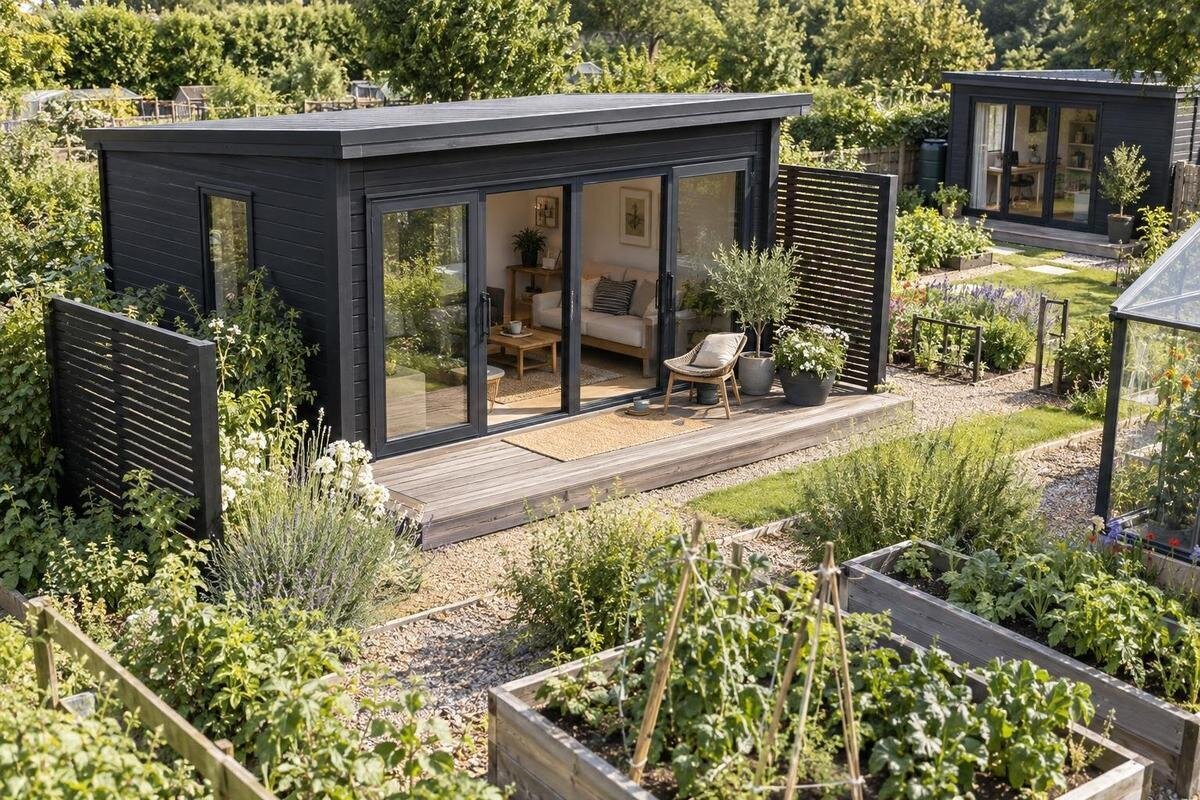
GARDEN SHED PRIVACY GUIDE
A garden shed can feel private without having every opening covered, but the balance depends on the views around the site and on the glazing and screening actually offered. Start by identifying who can see in and from which angle. Then compare window position, privacy glazing, external screens, planting and adjustable internal coverings as separate choices. Some reduce the view while retaining daylight; others give you flexibility but block light when closed. This guide focuses on choosing and ordering a shed configuration that suits those trade-offs, rather than assuming a product photograph shows what is included.
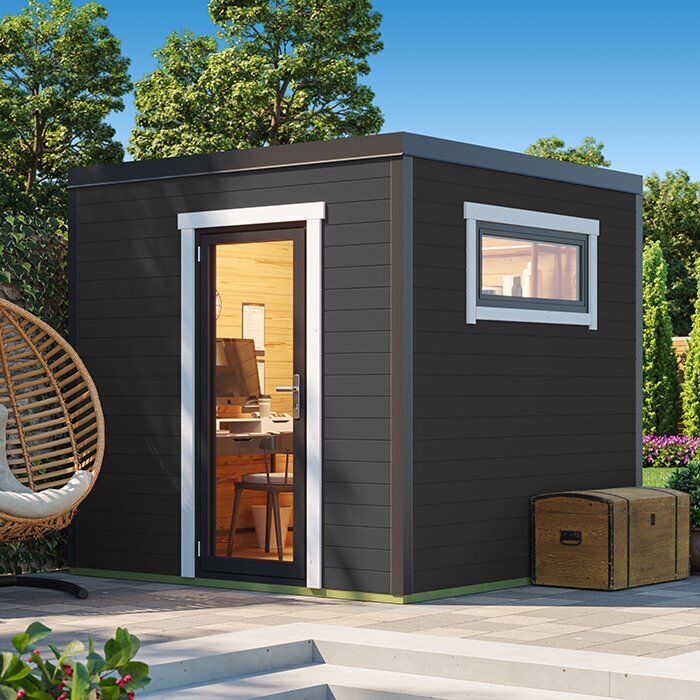
Before you order 1
Define the privacy you need
Decide what needs privacy before choosing a window or screen. A work or hobby area may need protection from direct views when you are seated, while stored items may matter more when the door is open. Consider whether you need privacy across the whole room or only from one angle, and whether it matters throughout the day or at particular times. This is visual privacy, not sound insulation or security, so do not expect glazing or planting to solve those separate concerns. A clear brief can help you avoid darkening every side of the shed when only one sightline is troublesome.
Visit the proposed site from the places people might actually look in: a neighbouring window, shared path, driveway or your own garden. If you cannot observe directly, use a plan and note likely sightlines rather than assuming a fence will block them. Check from seated and standing positions inside, and include the doorway if it will often be open. Repeat the check at different times of day and, if possible, when nearby trees are in leaf and out of leaf. At night, a lit interior may be easier to see through clear glazing, so include that situation in your privacy brief. Note the distance and height of each viewpoint as well. A close path at ground level may call for a different solution from a more distant upstairs window. Also consider regular and occasional visitors, such as people using a side access or arriving at a parking area. This record gives you a useful basis for deciding which views genuinely need treatment and which do not.
Map the sightlines around the shed
Sketch the proposed footprint and mark nearby buildings, paths, fences, trees and neighbouring windows. Add the direction from which daylight reaches the site, then note where you would like windows and doors to go. This helps distinguish a direct view into the room from a less intrusive view across the garden. It also shows whether moving an opening to another wall could help, or whether that would create a new sightline from a different direction. A site sketch need not be a technical plan; its purpose is to make the privacy and daylight trade-offs visible before you compare configurations.
If a listing such as the Verdana 1 garden shed page is on your shortlist, use a published plan, where available, to check the openings in the exact configuration you are considering. Do not infer window positions from a product name or a photograph: images may illustrate a particular view or option without showing what is included. Compare the listed details with your site sketch, and ask the supplier for clarification if the plan does not show the glazing or opening locations you need to assess.
Before you order 2
Choose window positions with both views in mind
A window on a wall facing away from the main viewing point may preserve an outward view while reducing the direct view into the shed. A higher or offset opening can also change what passers-by see, but it is not automatically private: nearby elevated windows may still look in. Consider where you will be sitting or standing, and whether the window gives a useful view of the garden without revealing the area you want to keep private. Check other openings too, including doors, because a second clear view across the room can undo the privacy gained by changing one window.
Window size and position affect both the amount of visible glazing and the daylight entering the room. A smaller or higher opening may limit some views, but nearby trees or structures could also reduce the sky it can see. When comparing a listing such as the Verdana 2 garden shed page, look for the plan and configuration details rather than assuming a particular window arrangement. Ask which positions are available for the version you would order, and compare them against your site notes before deciding whether a separate screen or covering will still be needed.
Compare clear and privacy glazing
Clear glazing preserves an unobstructed view, but it can also leave the interior visible from outside. Translucent, patterned or obscure glazing may soften direct views while still admitting daylight; it will not provide the same clear outlook, and the amount of light and visual privacy varies by product. Avoid assuming that reflective or so-called one-way glass will keep the room private in every condition. Its effect can change with the difference between indoor and outdoor light, so it is not a dependable substitute for a covering when privacy matters after dark. Consider which parts of the room need an outward view and which mainly need daylight. It may be more useful to retain clear glazing where the garden view is welcome and use an obscuring treatment only on the pane facing the troublesome sightline. Look at samples or installed examples from both sides where possible, because a treatment that looks acceptable indoors may still reveal shapes or movement from outside.
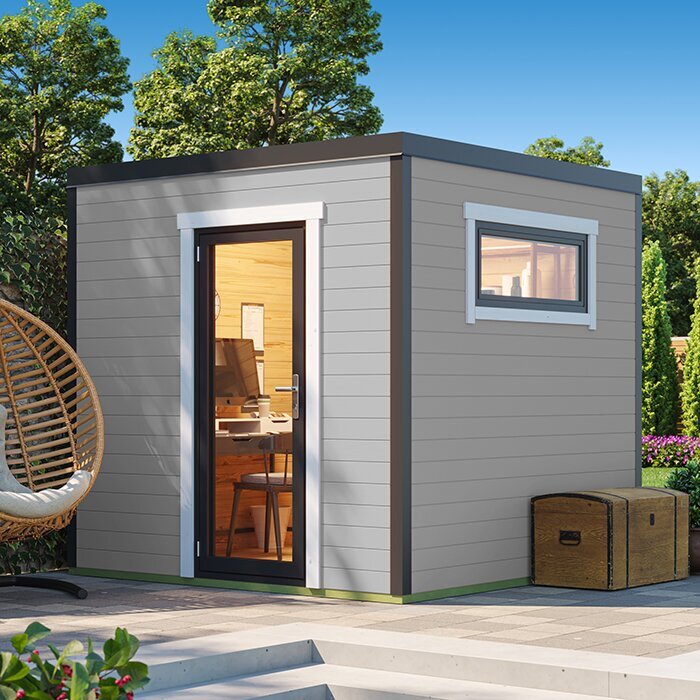
Ask what glazing is available for the exact shed configuration, what is included in the quoted specification, and whether any alternative is an option rather than a standard feature. A sample or manufacturer information can help you judge how much detail remains visible from close range and from further away. For the Durano garden shed listing, as with any product page, check the stated glazing details rather than reading them into the name or image. If evening privacy is important, ask how the chosen pane behaves when the interior is brighter than outside.
Before you order 3
Use external screening without covering every pane
An external screen can interrupt a specific sightline while leaving part of the window open to daylight. Its position matters: a screen placed across the whole pane may block more light than one that shields only the view from a path or neighbouring window. Open slats or a trellis can leave gaps, but those gaps may still allow a view from some angles. Check the proposed arrangement from the viewpoints you recorded, rather than judging it only from inside. A screen may also change the outlook, so consider whether you want to see through it from the shed.
Before planning a screen attached to the shed, ask whether the supplier or a qualified installer considers the proposed fixings and location suitable for that structure. Do not assume that cladding or a wall is designed to take an added screen. A separate screen may also need professional advice about its support and exposure to site conditions. If you are considering the Veltor 1 garden shed page, use the available product details to identify what still needs confirming; the page name alone cannot establish whether a particular screen or fixing is suitable.
Add adjustable privacy inside
A blind or curtain gives you control over when a window is covered, which can be useful if privacy matters only at certain times. The trade-off is that a closed covering reduces the daylight and view through that opening. Film can be another option for some panes, but it is not automatically suitable for every type of glazing. Check the glass manufacturer’s guidance before applying film, and consider whether you would be comfortable with a less clear view even when nobody is looking in. Treat these as possible additions, not as features included with a shed unless the supplier confirms that.
Think about how you will use the covering in practice: whether it can be opened easily during the day, whether it needs to remain closed after dark, and whether it will interfere with access to the window or door. For a page such as the Orello 1 garden shed listing, confirm what glazing and fittings are actually specified before choosing an after-market covering. If you want privacy without routinely losing daylight, compare an adjustable blind with a more targeted external screen instead of relying on a permanent opaque treatment.
Before you order 4
Plan planting for its mature size
Plants can soften a view into a shed, but their screening changes as they grow and through the seasons. Deciduous planting may provide less privacy when its leaves fall; evergreen planting retains foliage but can still cast shade. Consider the mature height and spread, the distance from the window and the time it may take to form a screen. A young plant will not provide immediate privacy, so do not base the first year’s plan on the coverage it might offer later. If privacy is needed straight away, consider a temporary or adjustable measure as well.
Allow room for growth and maintenance, and check that the planting will not obstruct a doorway, path or window you want to use. Trees and tall shrubs can change the daylight reaching the shed as they mature, so consider their future canopy as well as their present size. Use the confirmed footprint and opening positions for a listing such as the Modano 1 garden shed page when placing planting on your sketch. Where mature dimensions or suitable spacing are uncertain, ask a knowledgeable local gardener rather than guessing from a young plant.
Check how openings relate to the interior
Privacy depends partly on what is visible through an opening, not just on the window itself. If visitors can see straight across the room, consider whether a different window position or interior arrangement would break that view. A shelf or stored items may screen part of the room, but a tall obstruction can also reduce daylight or make the space feel more closed in. Keep doors and any other glazed openings in the picture: a private window on one wall may still leave a direct view through the entrance or across the room from another opening.
Compare the confirmed plan with the way you expect to use the shed, including where you will sit and what you want to keep out of sight. More than one opening can bring daylight from different directions, but each one also creates another view to assess. The Timber Garden Shed M listing is one page to review for stated configuration details, not proof of a particular interior layout. Use the exact plan for your chosen version, and check whether any proposed arrangement relies on an option that has not been confirmed.
Before you order 5
Confirm the exact configuration before ordering
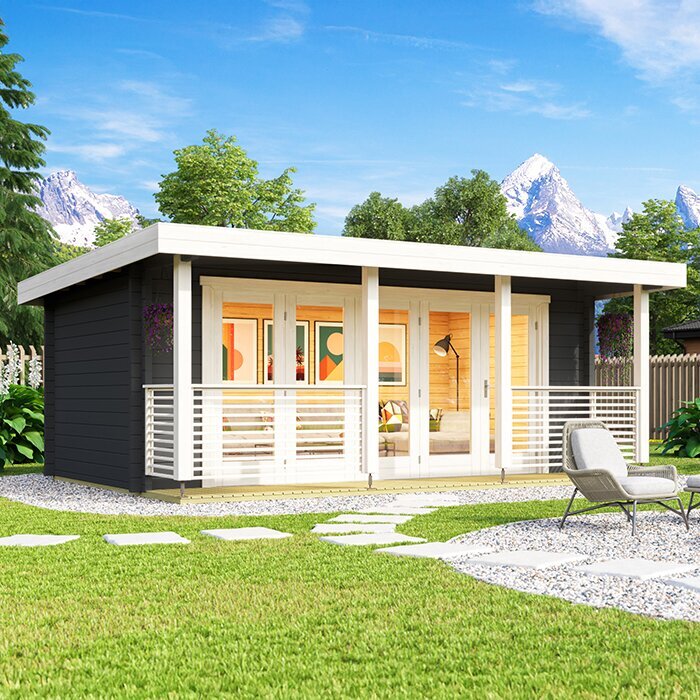
Compare listings using the details that affect privacy: the shed’s confirmed footprint, the position and type of each opening, the glazing specified and any available alternatives. Check what is included and what is an optional extra, rather than assuming that a photographed blind, screen or pane comes with the order. For example, use the Wooden Garden Shed S listing as a page to inspect for published details, then ask the supplier about anything important that is missing or unclear. A clear answer is more useful than trying to infer a feature from a model label.
Before placing an order, confirm the chosen configuration in writing, including any agreed changes to openings or glazing. Ask whether a proposed screen or covering is compatible with the supplied structure and whether the supplier has care guidance for it. Check delivery access and assembly arrangements against the intended position so that the plan remains practical on site. If a privacy solution depends on altering the shed or attaching something to it, seek advice from the supplier or a qualified installer before committing to that change.
Test the privacy plan on site
A simple mock-up can reveal problems that are easy to miss on a plan. Mark the proposed footprint and window positions on the ground, then check the likely views from inside and from the surrounding viewpoints. A temporary piece of cardboard over part of an existing window can help you compare a more open view with a more screened one. Repeat the check at different times of day, and include the doorway if it will often be open. If you can, review the position again when nearby trees have different levels of foliage.
Use the results to choose the least obstructive measure that addresses the actual view. That might be a different opening position, confirmed privacy glazing, a targeted screen, planting or an adjustable indoor covering; combining two modest measures may suit the site better than blocking every pane. Compare your preferred approach with the final product details and confirm that any required option is available. Keep a note of which measure addresses each sightline, so a later change to the layout does not accidentally reopen a view you had solved. If several people will use the shed, check that the proposed balance of privacy and outlook works for their usual activities too. The aim is a shed that feels private in the situations that matter while still admitting the daylight you wanted to keep.
Frequently asked questions
Will frosted glazing keep a garden shed private?
It can soften direct views while allowing daylight through, but the result depends on the particular glass and the viewing angle. Ask for details or a sample, and consider how the glazing looks from outside when the shed is lit after dark.
Are high windows always more private?
No. A higher window may reduce views from a path or garden, but it could still face a neighbouring upper-storey window. Check sightlines from the actual surrounding viewpoints and consider whether the window position will admit useful daylight.
Can an external screen preserve natural light?
It may, if it interrupts the direct sightline without covering the whole window. The screen’s position, gaps and density affect both the view and daylight, so test the arrangement from likely viewpoints before settling on it.
Will planting provide privacy all year?
That depends on the plants and the season. Deciduous plants can lose their screening when their leaves fall, while evergreen plants still need time and space to grow. Allow for their mature size and the shade they may cast.
What should I confirm before ordering a garden shed?
Check the drawing for the exact configuration, opening positions and glazing, and ask which options or coverings are included. Also confirm whether a proposed screen is suitable for the structure, and check delivery access and assembly arrangements.
Good garden shed privacy comes from matching the openings and screening to real sightlines, not automatically covering every window. Check views from the site, compare the daylight trade-offs and confirm the exact configuration before ordering. If the solution depends on a screen or a change to the shed, get the supplier or a qualified installer to confirm it is suitable. That leaves you with a practical plan for a more private space that still makes use of natural light.
