
Garden Shed Project Timeline: From Site Preparation to First Use
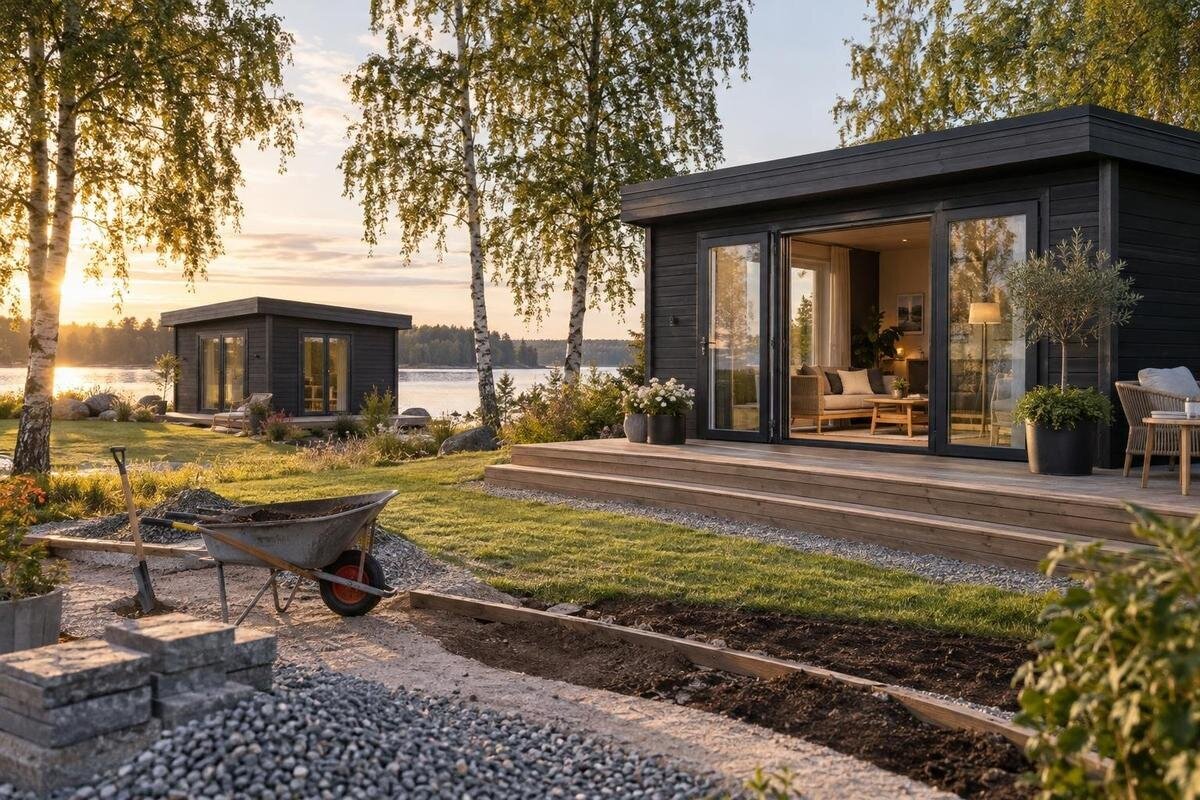
GARDEN SHED PROJECT GUIDE
Getting a garden shed from idea to first use is a chain of decisions, not just an assembly day. The site, chosen model, base, delivery route and installation all need to line up; a change in one can affect the next. A useful garden shed project timeline is therefore a sequence of confirmed handovers, not a promise of a fixed number of days. This guide follows those stages in order, from early site checks through first use. Use the supplier's current product information and advice from suitable local professionals for details that depend on the shed or property, and keep dates flexible until the main dependencies are clear.
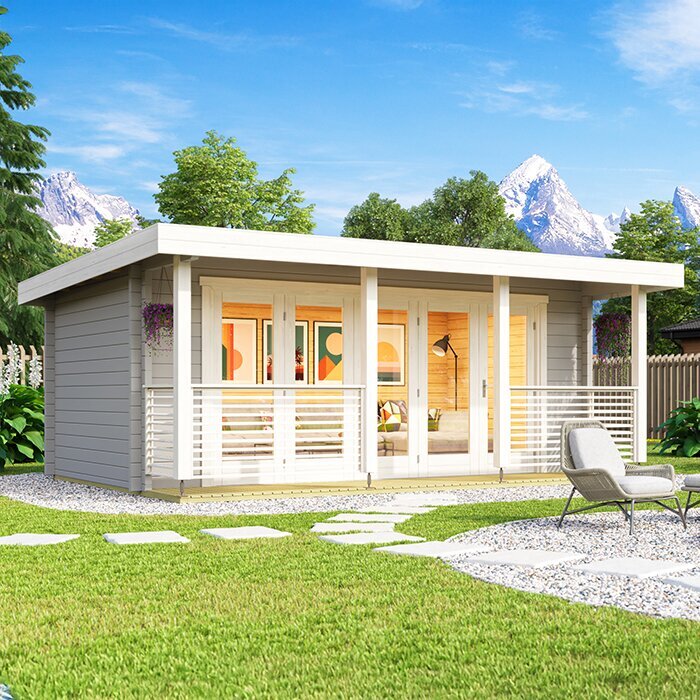
Build the timeline around confirmed handovers
A garden shed project has several handovers, so start the timeline with decisions that affect later work rather than an assumed delivery date. Write down what the shed will store, where it will sit, who will prepare the base, who will receive the order and who will assemble it. Those choices are linked: the selected model sets the footprint to confirm, site conditions affect the base plan, and the route to the final spot affects delivery. Treat dates as provisional until these details and any relevant local checks have answers. This helps avoid a trade working from an old measurement or a delivery arriving before the site is ready.
Break the work into milestones: site assessment; property checks; model selection; base planning; ordering and delivery booking; site preparation; receipt and inspection; assembly; and first-use checks. For each, note who is responsible, what counts as complete and what the next person needs. A base may look finished, for example, but the person assembling the shed may still need to confirm it meets the chosen product's instructions. Track supplier lead times, council responses, trade availability and weather as dependencies rather than fixed durations. Leave a buffer between milestones where a delay could affect access or booked work, and update later dates when a confirmed detail changes.
Define the shed's purpose and required space
Start by listing the shed's contents and how you will use them, rather than choosing a model from an image. Note the largest items, how often each is accessed and whether anything needs a clear route in and out. Allow room to move around and retrieve stored items, not just space for them to fit. Include any shelving or work surface you expect to add, and consider whether one area needs to stay clear. This use brief gives you a practical basis for comparing internal space, openings and layout. If the shed may need to serve more than one purpose, write down which requirements are essential now and which are optional.
Compare external dimensions with usable internal space and the area available on site; they answer different questions. Check the position of openings, any floor or base information, supplied components, finish requirements and care notes for the exact item. For instance, the Verdana 1 garden shed is a candidate to assess, not evidence by itself of a particular size or included feature. Save the current product information and share it with whoever is advising on the base or assembly, so everyone is working from the same model. If a diagram shows measurements, clarify which are external, internal or clearance measurements before marking out the site. Don't estimate dimensions from a photograph.
Check the site and delivery route
Walk from the likely delivery drop-off point to the proposed site, including the narrowest part of the route. Check gates, corners, steps, overhead obstructions, slopes and space to turn or carry packages. Ask the supplier what access a delivery vehicle and any unloading arrangement need; a truck may not reach the shed's final position. Consider where goods could be placed temporarily if they need to be moved from the drop-off point, and how that area will be kept clear. These checks are easier before ordering than on delivery day. Record pinch points in a site sketch and share them with the supplier if access looks restricted.
At the proposed spot, note uneven ground, soft or wet areas, slopes, drainage paths, tree roots and any known underground services. These observations help you ask better questions, but they are not a foundation design. A suitable builder or other qualified adviser may need to assess the ground before you settle on a base, particularly where conditions are uncertain. When assessing the Verdana 2 garden shed, use its exact listed footprint and any stated clearance needs; do not rely on the model name or product image. Record what you don't know for follow-up instead of treating a dry visit as proof that the site will always be suitable.
Resolve property checks before ground work
Before ordering materials or confirming installation, find out whether anything about the property, site or intended use needs to be checked with another party. Requirements can depend on local circumstances, so ask the local council for current guidance rather than assuming a small garden shed is automatically free of conditions. If the property is rented, shared or managed, speak to the owner or responsible manager as well, and check any relevant property documents available to you. Keep advice, conditions and follow-up questions in the project file alongside the proposed location and model details. That gives an installer a consistent brief and can prevent work being done on a location that later needs reconsideration.
Give the person answering your question the exact product information, intended use and proposed position. If the Durano garden shed is on your shortlist, use its current listing to identify the item; its name does not tell you what checks apply to your property. Ask what must be settled before ground work, whether a site feature needs professional assessment, and who is responsible for each follow-up. Where buried services, uncertain ground or nearby structures may be relevant, contact the service provider or an appropriately qualified professional rather than making assumptions. Check whether advice still applies if you change the model or proposed location. Close open questions before dates become commitments.
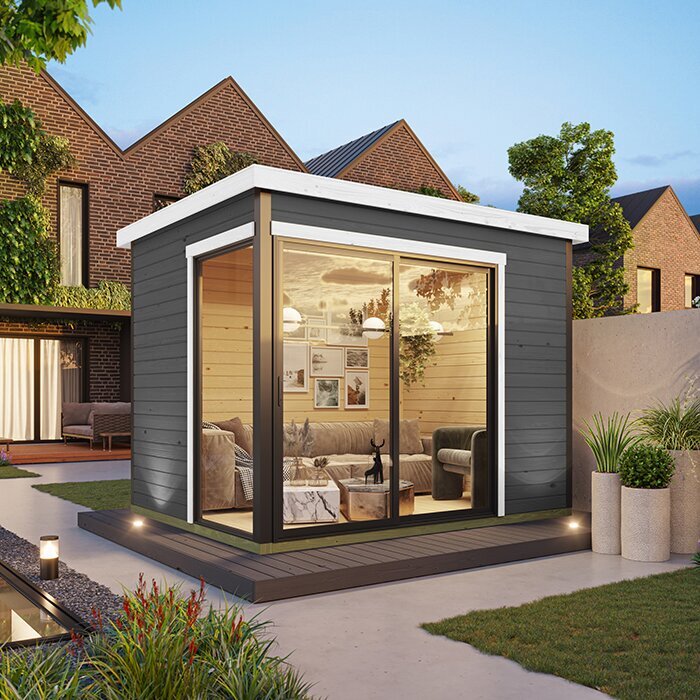
Compare the exact model details
Once the site is viable, compare each model against the same written checklist. Confirm the exact external measurements and usable internal space, the openings and material information, any stated finish or care needs, and what components are included. Check whether a floor, fixings, roof covering or other parts are included or are separate decisions; don't infer this from a styled photo. Read any stated assembly and base requirements, and note details that affect the footprint, access or future upkeep. If two options look similar, compare their actual item descriptions and documentation rather than treating their names or photographs as specifications. Ask the seller to explain unclear inclusions before comparing totals.
Write down the full project scope before you order: the shed, separately chosen components, base work, delivery, assembly and any manufacturer-specified finishing. Check current price, availability, estimated dispatch or delivery window, payment conditions and cancellation terms in the seller's information; don't assume they are the same across items or remain unchanged. For example, review the exact Veltor 1 garden shed listing and ask the seller about anything that is unclear. Confirm which parts of the work are yours, the supplier's or the installer's, then save the response with the order. A written scope helps with budgeting and handovers, and prevents an optional component being mistaken for something supplied.
Prepare the base to the chosen shed's requirements
Choose a base approach only after the exact model and its requirements are known. The base must meet the product's stated instructions and be suitable for the site conditions; a photograph, a neighbour's shed or a generic online diagram cannot establish either point. Ask the supplier for model-specific information, then discuss the location and ground with an appropriately qualified builder or installer. Existing paving, slope, drainage, soil and access for the work can all affect what a professional recommends. This timeline is not a design for a concrete slab, ground screws or another foundation type; those decisions need product-specific and site-specific advice. Put the agreed requirements in writing before work begins.
Agree who will clear the site, carry out the base work, check completion and tell the delivery or assembly team that the area is ready. Ask what the installer needs to see before starting, and whether the base needs to be checked by the person responsible for the shed. Use the current product details for the Orello 1 garden shed to identify the candidate, then obtain applicable instructions rather than inferring requirements from its title. Do not pour or alter a base until measurements, service locations and professional advice are settled. If the model or its position changes after planning, pause and recheck the base and delivery arrangements; a change can affect the handover.
Place the order and coordinate delivery
Place the order when the model, site checks, base plan and intended delivery method are sufficiently settled. Before confirming, verify the exact item and configuration, what is included, the current supply terms and the delivery estimate. Ask what happens if access is restricted or the planned date has to move, and whether assembly is included or must be arranged separately. Don't assume a delivery driver will carry components to the final position or that a seller-provided date includes installation. Keep the order confirmation, product information and contact details together, then share the relevant documents with the person preparing the base and the person receiving the shipment.
Book delivery around the site's readiness, not simply the date you hope to use the shed. Ask how much notice the supplier needs, what vehicle access and unloading arrangements are expected, where packages may be left, and what to do if the base or access route is not ready. For the Modano 1 garden shed, refer to the exact product and order information when confirming arrangements; do not infer shipping dimensions or handling needs from its name. Set a date only after the receiving area and responsible person are agreed. If weather or trade schedules could disrupt preparation, ask in advance how rescheduling works and leave room between base completion and delivery.
Prepare for delivery and inspect the goods
Before delivery, clear the agreed route and receiving area, check that the base work is complete to the agreed requirements, and decide where packages can be stored if assembly will not happen straight away. Arrange for someone to receive the order and compare package labels with the order documents. If goods will be left away from their final position, agree the handling and storage plan in advance; avoid moving heavy or awkward packs without suitable people and equipment. Contact the supplier before dispatch if the site is not ready, instead of assuming the driver can wait, carry the goods further or return. Keep access clear for the people doing the work.
Inspect the packaging and contents against the supplied packing list and instructions. Record visible damage or missing items, and report them through the seller's stated process. Keep labels, paperwork and photographs until questions are resolved; if essential parts or instructions are missing or unclear, don't press ahead with assembly. Store components as directed by the manufacturer, especially if there is a gap before construction. Keep the order record beside the details for the Timber garden shed M so the delivery is checked against the item actually purchased, not a different model or an online photograph. If a discrepancy appears, get advice before altering affected components in a way that could make the issue harder to resolve.
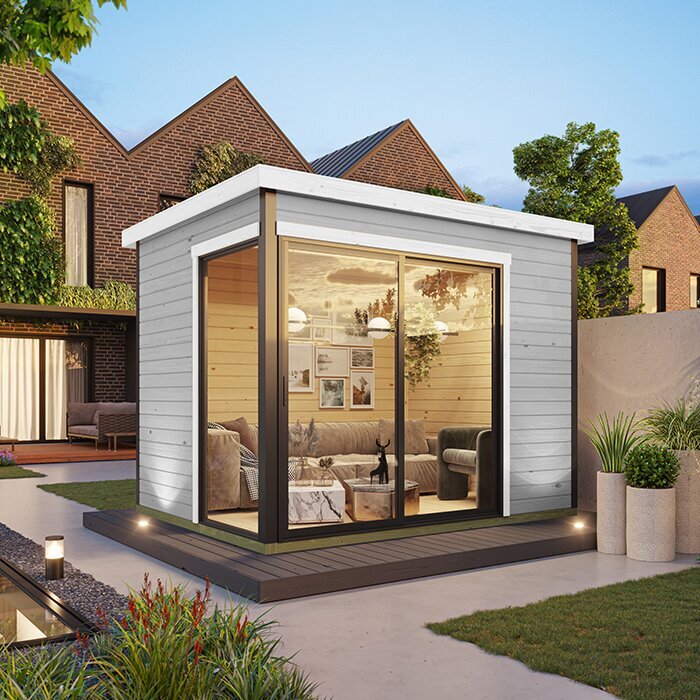
Arrange assembly around the product instructions
Choose who will assemble the shed before delivery. If you plan to hire an installer, confirm what the quote covers, whether the base must be ready first, what access and working space are needed, and who will resolve missing or damaged parts. If you are doing the work yourself, read the model-specific instructions in advance and check that you can provide the tools, help and work area they call for. Ask the supplier if the instructions leave a practical question unanswered. Don't assume a particular model is a one-person job or that all garden sheds follow the same assembly sequence. Coordinate the installer's attendance with delivery inspection, so a parts issue is identified before booked work begins.
Set the time allowance around the actual instructions and the people doing the work, not a generic online estimate. Keep the work area clear, follow the manufacturer's sequence and use the specified fixing and restraint details; refer changes to the structure or attachment to a qualified professional. For the Wooden garden shed S, confirm that the instructions provided with your order identify the exact model before assembly starts. If weather, a base concern or a parts query interrupts the work, pause at an appropriate point and get advice rather than improvising a repair. Arrange another visit if the interruption prevents a safe or complete handover.
Complete final checks before first use
Before storing anything, work through the installation instructions and any handover checklist. Confirm that the shed has been assembled and secured as specified, and that any fitted doors or windows operate as intended. Check that no damage or missing component remains unresolved, and ask the installer whether adjustment, finishing or another task is still required. Keep instructions, product details and receipts together; those records help identify the right care advice or replacement part later. If you are responsible for the final check, use the manufacturer's requirements rather than inventing a test or assuming appearance alone proves completion. Clarify any concern before putting valuable contents away.
Treat first use as a practical trial, not just the moment the boxes are emptied. Put the planned contents in place gradually and see whether the access and layout work for the way you use them. Rearrange items that block the route or are awkward to reach, while following the product's guidance for storage and any fittings you add. Use model-specific advice for cleaning, finishes and ongoing checks, and get confirmation before adding shelving, services or structural changes not covered by that advice. If water collects around the base, a component does not operate properly or something appears out of line, seek advice before treating the problem as normal.
Frequently asked questions
How long does a garden shed project take?
There is no reliable single duration. Council or property checks, supplier lead times, ground work, installer availability and weather can all affect the schedule. Ask each supplier or trade for current estimates, then leave flexibility between base completion, delivery and assembly.
Can I order before the base is ready?
An order can sometimes be placed before the base is finished, but first confirm the chosen model's requirements, delivery estimate and any storage conditions with the seller. Keep delivery and assembly dates flexible until the base and access route are ready.
What should I confirm before booking delivery?
Check the vehicle access and unloading arrangements, where the goods can be left, who will receive them and whether the base and route will be ready. Ask the supplier how to reschedule if site preparation is delayed.
Do I need a professional to assess the site?
That depends on the property and the proposed base. If the ground is uncertain, sloped or wet, or buried services may be nearby, ask an appropriately qualified professional. Use the chosen product's instructions rather than relying on a generic foundation example.
What needs to happen before I use the shed?
Follow the model-specific installation instructions and any handover checklist. Confirm that assembly and securing are complete, fitted doors or windows work as intended, and any outstanding issues are resolved. Check the care guidance before adding fittings or storing items.
A reliable garden shed timeline comes from clearing uncertainties in the right order: settle the intended use and exact model, check the property and base plan, align delivery with a ready site, then assemble and complete the final checks. The calendar follows those decisions; it cannot replace them. Keep product information and order details with each handover, and revise dates when a required check or site condition changes. That way, first use begins with the shed, access and setup considered together, rather than with a delivery that forces rushed choices.
