
Garden Shed Roof Insulation: Space, Ventilation and Moisture
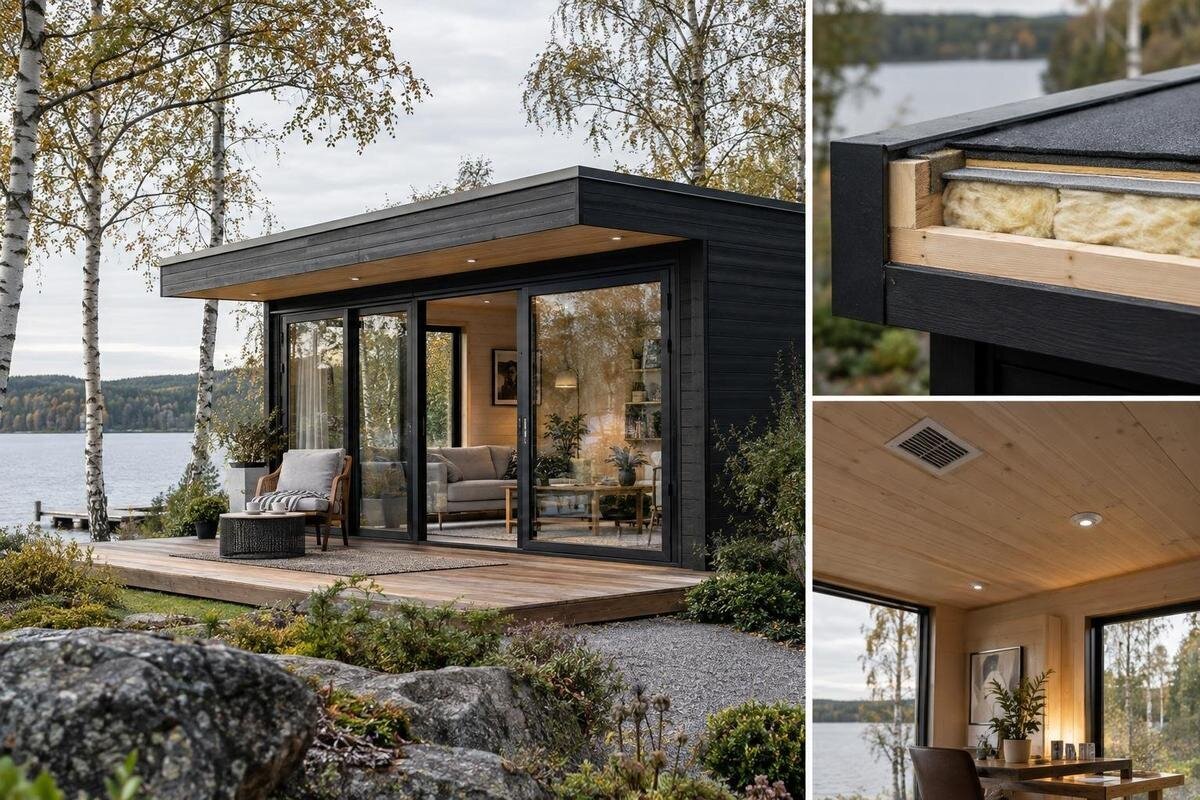
Garden shed roof planning
Garden shed roof insulation is not just a choice between material types. The roof needs enough room for the added build-up, a ventilation approach suited to its construction, and a way to manage moisture without hiding existing faults. Those points matter whether you are choosing a shed with future insulation in mind or planning work on one you already own. Before ordering a product or booking an installer, establish what the roof is made of, how much usable height will remain, and what conditions you want the shed to support.
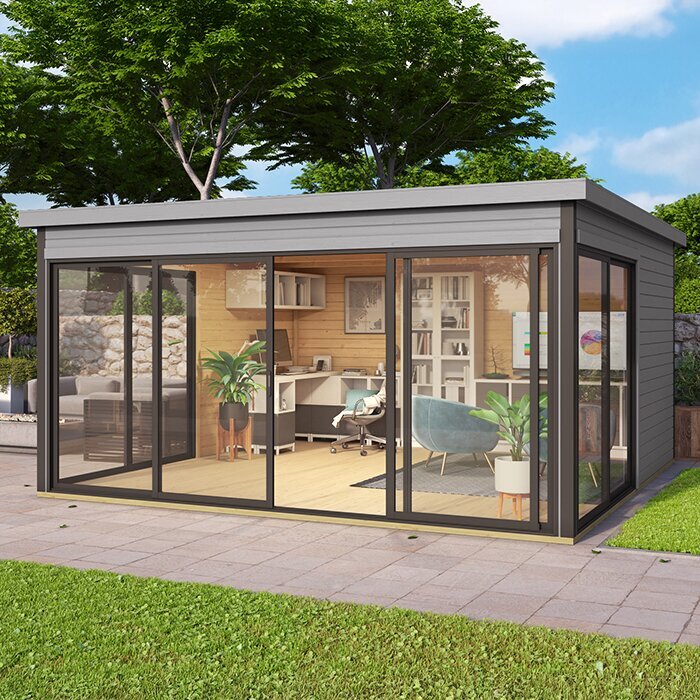
Decide what roof insulation needs to achieve
Begin by defining what you want roof insulation to change. A shed used mainly for dry storage has a different brief from one occupied regularly for hobbies or desk work, and from a space holding items that need more stable conditions. Insulation slows heat transfer through the roof, but it does not produce heat, remove humidity or regulate the whole building. If the walls, floor, doors and windows remain uninsulated or leaky, the interior can still respond quickly to outdoor conditions. Treat roof insulation as one part of a comfort plan, not as a purchase that turns any garden shed into a stable indoor room. Roof-only work may still be worthwhile; its limits simply need to be clear.
Write down the practical aim before comparing insulation products or shed listings: reduce heat entering through a sun-exposed roof, limit heat escaping through it in cooler weather, or make time spent inside more comfortable. These aims are not interchangeable, and none is guaranteed by roof work alone. Note how often the shed will be occupied, whether people or activities bring moisture indoors, and whether you expect to heat or cool it. If stored items are the priority, be clear about the conditions they need rather than assuming insulation will keep them within a particular range. This brief helps you ask whether roof-only insulation matches the use, or whether other parts of the enclosure need consideration.
Identify the roof build-up before choosing materials
Find out how the roof is assembled before choosing an insulation product. One shed roof may have a covering and supporting frame with the underside exposed; another may include a lining or a cavity. The appearance of the roof from outside does not tell you where all its layers sit. Their position affects whether an added layer can fit, whether there is room for a ventilation path, and how moisture can dry. For an existing shed, establish what is actually there before covering it. For a new purchase, request the drawing or assembly information for the exact model and any selected roof option. A section drawing is particularly useful because it shows the relationship between the roof and the space inside more clearly than a perspective image.
Use the product listing as a starting point, not proof of suitability. For the Verdana 1 garden shed listing, look for explicit information about roof construction and the inside face; ask the seller if it is missing or unclear. Confirm what the standard roof package includes, whether an internal lining is supplied or optional, and whether the assembly guidance addresses later insulation. A model name or promotional image cannot establish those details. Keep any reply with your order notes and tie it to the exact model and options, so later planning is based on the shed you are actually buying rather than an assumption about similar-looking products.
Allow for lost headroom and storage clearance
Allow for build-up depth, not just the insulation label. If insulation and a lining sit below the roof structure, they can reduce usable height; a different position in the assembly may have a different effect. The amount depends on the complete design, so do not estimate it from a material name alone. A sloping roof also gives different clearance at the ridge and lower edges, while a nearly flat profile raises other questions about available space. Measure the points that matter for standing, shelving and long items, and compare them with internal dimensions rather than relying on the shed's outside height. These are the shed insulation space requirements that shape day-to-day use.
Before buying, map where people will stand, where tall storage or tools will go, and whether doors or cupboards can still open freely beneath the planned lining. Keep any designed roof openings and surfaces needing inspection in mind; a storage layout should not obstruct them. On the Verdana 2 product page, use only stated internal dimensions and roof measurements, and ask which figures are external if that is not clear. If the listing has no useful section drawing, ask whether one is available or have the installer measure the assembled shed before specifying the build-up. If headroom is a deciding factor, record the minimum clearance you need at the points where you will actually use the space.
Treat roof ventilation as part of the design
Garden shed roof ventilation is a design question, not simply a matter of adding openings. Ventilation in the occupied shed and airflow within a roof cavity are different: opening a door may change the room air but does not necessarily provide the route intended for the roof assembly. Some constructions rely on a defined air path; others use a different moisture-control approach. Adding insulation or a lining can change the arrangement, especially if it covers a gap or opening. Do not fill a space or block a vent unless the roof design has been checked, and do not assume that adding more vents is automatically better. The right answer depends on the exact build-up.
Ask the supplier or installer to explain how the particular roof is intended to manage ventilation, where any designed route runs, and whether the proposed insulation will preserve it. The page for the Durano garden shed is useful only where it states relevant roof details; if these are absent, request documentation rather than inferring from a product photo. When comparing models, treat ventilation information as part of the roof specification, not as a minor extra. A qualified professional can explain whether a planned change suits that construction and what information is still needed before you order materials. Keep that answer with the model details so it can be checked against the option you buy.
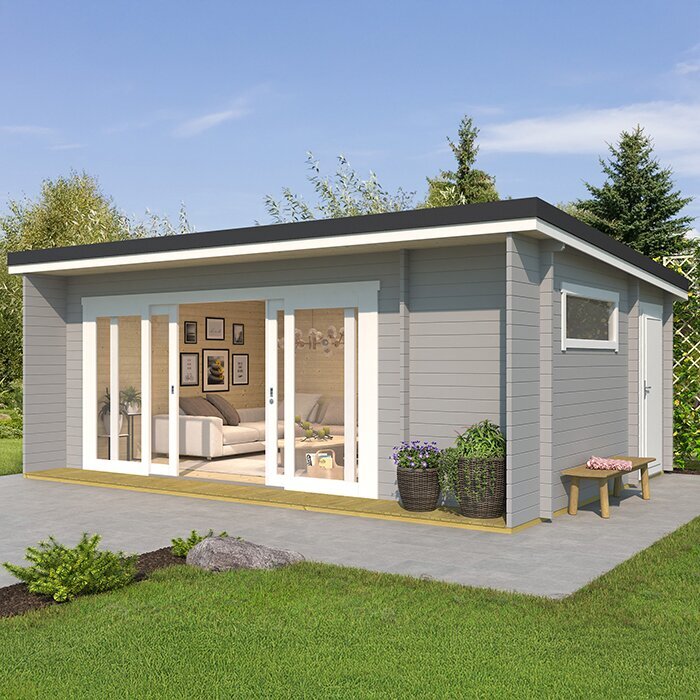
Manage leaks, condensation and indoor moisture
Moisture can come from outside or inside. Rain getting through the roof is a leak problem; humid air meeting a cooler roof surface can produce condensation. Wet gear, damp timber, stored garden materials and regular occupancy may add moisture indoors, while weather and the roof layers affect how the assembly dries. Insulation changes the temperature pattern through the roof, so its effect on condensation depends on the complete assembly and the way the shed is used. It is not accurate to treat insulation as an automatic cause or cure. Garden shed moisture management means considering water entry, indoor moisture and the roof's drying route together.
Before installing anything that will hide the underside, look for signs needing investigation, such as water marks, persistent dampness, staining or a musty smell. These signs do not identify the cause, but they are a reason to pause and have the roof assessed. Repair water entry and establish that materials are dry before enclosing them; insulation does not fix a leak or dry damp timber. If considering the Veltor 1 listing, ask for explicit roof information instead of inferring moisture performance from the name or image. For an existing shed, its actual condition matters more than a general description of what roof insulation can do.
Choose materials only when the roof build-up is clear
Choose a material only after the roof build-up and intended use are understood. Products vary in form, thickness, handling and the way they fit around framing, but the central buying question is whether the proposed material is compatible with this roof and any required ventilation or moisture-control layers. A product that fits a visible gap may still be wrong for the complete assembly. Avoid choosing on thickness or a broad performance claim alone; the relevant detail is how the material is intended to work with the roof covering, frame and internal finish. Match the supplier's technical information to the exact roof, and get advice from a building professional where compatibility is uncertain.
When reviewing the Orello 1 garden shed listing, separate details about the overall product from information specifically about its roof. A description of one part of a shed does not establish how the roof is built. Ask for the assembly instructions and any stated restrictions before ordering insulation or a lining. If the shed is already assembled, ask a suitable installer to assess it rather than assuming a standard product can be added without affecting airflow or drying. The useful comparison is between complete, compatible roof assemblies, not isolated material claims. If no reliable roof information is available, settle that question before buying materials.
Ask roof-specific questions before ordering a shed
If you are choosing a shed with a later insulation project in mind, ask roof questions before placing the order. Confirm which roofing components are included, whether an internal lining is supplied or optional, and what the maker provides about framing and ventilation. Ask whether the assembly guidance addresses the kind of alteration you have in mind and what an installer would need to review before advising on it. This matters if you are comparing options by internal height or fitting a shed into a restricted space: a later build-up can affect usable clearance, and the product as ordered may not include every layer you expect. Treat future insulation as a requirement to discuss, not an assumed feature.
Use the Modano 1 listing as a prompt to inspect exact documents for any candidate, not as evidence of a particular roof feature. If an essential point is absent, ask the retailer or manufacturer for written clarification before purchase, including what is included in the selected package and what is not. Keep the answer attached to the model name and chosen options; a general reply about garden sheds may not apply to every version. If roof insulation is central to your choice, resolve roof details before committing rather than assuming they can be worked out after assembly. This makes a like-for-like comparison possible.
Compare dimensions and inclusions across product listings
Compare listings on a like-for-like basis. Check whether heights and widths refer to the exterior or usable interior, whether a roof drawing shows the underside, and whether any roof or ceiling component is included or optional. A sloping profile may provide useful headroom at the centre but less at the edges, so a single overall height does not describe the space available. Product photographs can help you recognise a model, but cannot confirm roof layers, ventilation paths or internal clearances. Record unanswered points alongside each candidate. That keeps appearance and broad descriptions from outweighing a roof constraint that could affect insulation plans after the shed is assembled.
On a page such as the timber garden shed M page, use only the specifications and documents actually published for that model. Compare its stated roof information with the same details for other candidates; if roof construction, internal dimensions or an included lining are not stated, mark them as unknown and ask. Do not infer that two sheds share a roof design because their photos look alike, or that a general material description applies to every part. Before ordering, check that the product name, chosen configuration and documents in your notes all refer to the same option. This matching step prevents assumptions being carried from one listing to another.
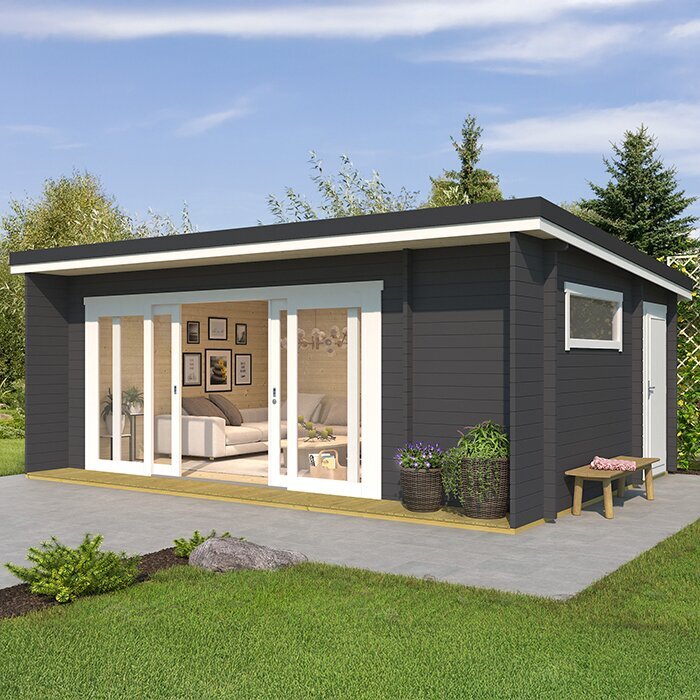
Know when a roof needs professional assessment
Bring in a qualified building or roofing professional when roof layers are unknown, water marks recur, the framing appears damaged, or the proposed insulation could alter a ventilation route or conceal much of the structure. The same applies if the seller cannot explain whether the roof accommodates the planned build-up. Ask what they need to inspect before giving advice; hidden layers and actual condition may matter as much as the product description. A general online guide cannot determine a specific roof's suitability. This is a point to resolve before ordering material, not by guessing a thickness or filling whichever space is visible from inside.
If information on the wooden garden shed S listing leaves the roof construction unclear, pass the exact model documents to the professional rather than assuming a standard design. Ask them to explain the proposed assembly, how it manages ventilation and moisture, how much headroom it uses, and whether roof-only insulation is likely to meet your stated aim. Request a written scope that separates documented product features from recommendations for the alteration. That gives you a sounder basis for comparing quotes and deciding whether to buy the shed as listed or look for an option whose roof information is clearer.
Plan for future roof inspection and repairs
Plan future inspection before an added layer makes roof surfaces harder to see. Ask how the covering, framing, ventilation openings and any moisture-sensitive parts can be checked and maintained after the work; do not assume a lining can simply be removed for access. Keep intended access points in the layout and ask the installer to explain what signs would justify a follow-up assessment. The appropriate maintenance approach depends on the roof covering and assembly, so the answer should refer to your shed rather than a generic schedule. Do not create a storage arrangement that makes the roof difficult to inspect safely.
Before ordering insulation, keep a record of the model, roof assembly information, dimensions, selected materials and installer recommendations. Note any ventilation route or inspection access that the completed work must preserve. This record helps distinguish the supplied shed from later alterations and gives someone assessing a leak or repair a clearer starting point. If a key detail remains unknown, pause the material purchase until it is resolved; otherwise a product may fit the apparent gap but not the roof system. Good records are a practical part of planning the work, not just paperwork for the day it is installed.
Frequently asked questions
Can I insulate only a garden shed roof?
It may be possible, but whether roof-only insulation suits your aim depends on the whole shed. Uninsulated or leaky walls, floors, doors and windows still affect indoor conditions. Ask a building professional whether the roof alone is a sensible scope for your intended use.
Will roof insulation prevent garden shed condensation?
Not by itself. Condensation depends on moisture inside the shed, roof temperatures, the construction and how the roof dries. Insulation changes the temperature pattern but is not a cure for leaks or damp materials. Have recurring moisture or staining assessed before covering the roof underside.
How much headroom will roof insulation use?
There is no single amount. The effect depends on where the insulation and any lining sit within the roof assembly. A sloping roof can also have very different clearances at the centre and edges. Check internal dimensions and a roof section for the exact shed before planning the finished layout.
Does every insulated shed roof need ventilation?
There is no universal answer: roof assemblies manage airflow and moisture in different ways. Find out whether the particular design has a ventilation route and whether the proposed build-up preserves it. Do not block an existing opening or add vents based only on a general assumption.
What should I confirm before ordering a shed for later insulation?
Ask for roof construction information and assembly guidance for the exact model and options. Confirm what roofing and internal components are included, check internal height and clearances, and ask how ventilation is intended to work. If the roof details are unclear, seek professional advice before committing to insulation materials.
A sound roof-insulation decision accounts for the actual roof, the space you will lose and the way the assembly manages ventilation and moisture. If the roof layers or drying approach are unclear, resolve that before ordering materials or covering the underside. That keeps the choice grounded in the shed's intended use, usable headroom and documented construction rather than a product description in isolation.
