
How to ventilate a garden shed while keeping insects out
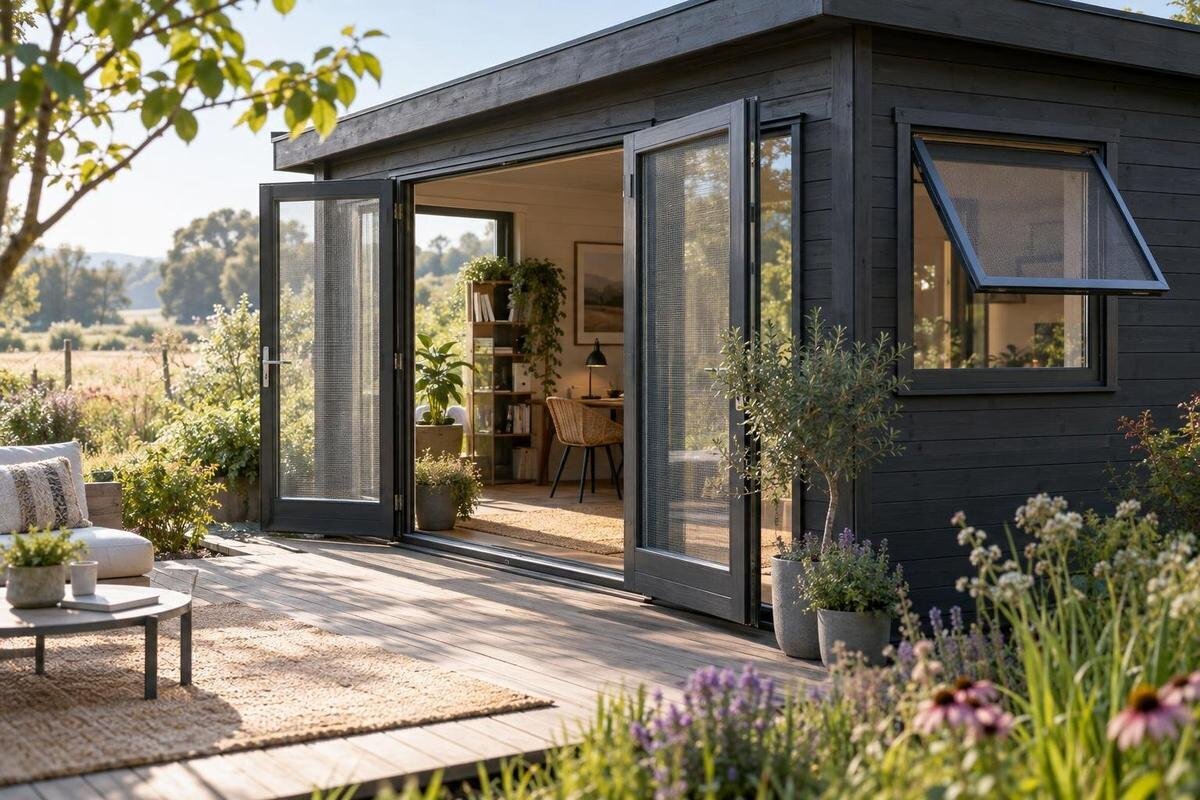
Garden shed ventilation
Good garden shed ventilation depends on two things working together: a clear route for air and screens that make entry harder for insects. Adding openings without planning their position can leave stagnant corners or create unscreened access points. First decide what the shed will hold and how you use its doors; then check the airflow path, the mesh and the gaps around every opening. This guide covers what to verify when choosing a shed, what to ask before making alterations, and how to keep screening effective over time.
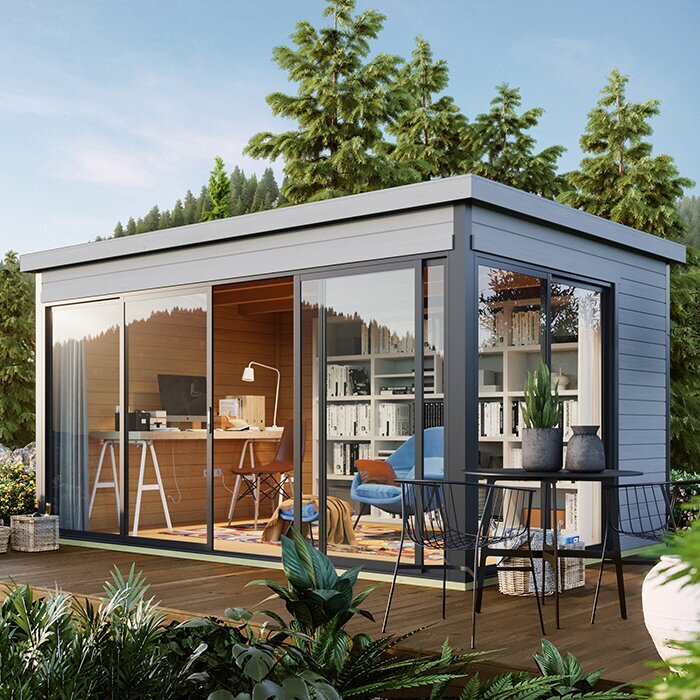
Define what the shed needs to ventilate
Begin with how you will use the shed, rather than a vent count. A space for dry tools and occasional access has different requirements from one that regularly holds wet equipment, potting supplies or odour-producing items. Note how many people spend time inside, how long the door stays shut, and whether anything needs protection from dust or small insects. Also consider how often gear will be carried in and out: frequent access can leave the doorway open, so vents alone may not address the main route insects use. A clear use brief lets you ask for suitable ventilation without treating “more openings” as automatically better.
Write a short priority list before comparing options: air movement with the doors shut, screened openings, comfortable access and a way to inspect or replace mesh. Decide which are essential and which would simply be convenient. When reviewing the Verdana 1 garden shed listing, use the product information as a starting point: confirm which ventilation openings are documented, whether screens are included or separate, and what the manufacturer permits. A model name or photograph cannot establish these details. If a key answer is missing, ask for the relevant drawing or written clarification. This is more useful than assuming every shed can be adapted.
Plan a clear route for air
Air needs a route through the shed: an inlet and a separate outlet, with both left clear. Openings close together can exchange air in the same local area while a corner gets little movement. A common layout is to separate inlet and outlet across the space and, where the design allows, at different heights. That may encourage circulation, but the result depends on the shed, the site and outside conditions; it is not a guarantee. Think about the position of shelves and tall equipment as well. Sketch the intended storage layout, since it can interrupt an airflow route even when the vent itself is unobstructed.
Ask whether the intended route remains available when the doors and windows are closed and the screens are fitted. A door you usually keep locked is not a dependable air inlet, and a mesh covering changes the usable opening compared with a bare cut-out. For the Verdana 2 garden shed listing, check the documented vent positions and, if stated, the clear opening once screened; otherwise ask the supplier. Compare the route and its details, not simply the number of vents. If a workbench or shelving will sit against an opening, include that in the question. The usable path should not rely on moving stored gear each time.
Choose mesh to suit the insects and the airflow
Choose mesh for the insects you want to exclude, not just because a screen is labelled “insect mesh”. There is a trade-off: a finer weave can better exclude smaller insects, but may restrict air more than a more open weave. Ask a screen supplier what aperture suits the problem you have and how much airflow the selected material allows. If you cannot identify the insects, avoid guessing from a generic product description. The screen should cover the full opening, including its edges and corners; a suitable weave does not help if insects can pass around the frame.
Check how the screen is held in place, whether it can be removed for cleaning or replacement, and whether its frame suits the vent shape. A loose panel can pull away; mesh that is difficult to access may be neglected or damaged during maintenance. Use the Durano garden shed listing as a prompt to ask which, if any, screens are specified, what they cover and whether the proposed mesh is part of the supplied product or a separate addition. Ask for details on each opening, not just a general “screened” description. Do not infer screening from glazing, a large opening or a product photograph.
Check gaps beyond the vents
A vent is only one possible entrance. Inspect the door perimeter and threshold, window frames, joints between panels, and any routes for cables or pipes. Also check the floor edge and roofline where the design has gaps. You do not need to seal every intended opening: identify which points provide airflow and screen those, then address accidental gaps without blocking a designed vent or drainage route. Insects can get past the main mesh if there is a gap at a frame. Make a whole-perimeter check part of the plan rather than treating the vent as the only place worth screening.
Ask how panels and frames meet once assembled, and whether the assembly instructions identify openings that must stay clear. For the Veltor 1 garden shed listing, the useful question is what the documentation says about joins, vents and approved ways to fit a screen—not whether the exterior looks closed in a picture. Use compatible seals or screening only where appropriate; an indiscriminate strip of sealant can obstruct drainage or a ventilation path. If a gap involves a structural joint or an unfamiliar service opening, ask the manufacturer or an experienced installer before filling or cutting it.

Include doors and windows in the plan
Doors and windows affect both airflow and how often an opening is left exposed. Think through the actual routine: carrying tools or using the shed while bringing equipment in and out can mean the main door stays open longer than expected. A separate screened door may help only if it can be closed easily and does not obstruct access. Check which way any door or window swings or slides, the clear passage needed for stored equipment, and whether a screen can operate without catching on the threshold, shelving or nearby objects. Do not assume an insect screen is included or compatible just because the shed has an opening.
Before you order, ask which openings accept a screen, whether it is supplied or a separately specified option, and how the panel is secured when the door is used. Check how the arrangement affects clear access, not only the closed position. For the Orello 1 garden shed listing, use the same questions as for any other option; the product identity alone says nothing about screen type or fit. If your routine involves frequent trips in and out, consider whether the screened boundary is straightforward to close, rather than relying on everyone to remember an awkward extra step.
Check the site and nearby obstructions
Air movement changes with the surroundings, so assess the proposed site as well as the building. A fence, hedge, wheelie bin or later shelving can block an opening; wind exposure and rain can also affect whether you feel able to leave a vent open. There is no single compass direction that suits every yard. Observe the likely conditions at the intended position and check where openings would face in relation to boundaries and obstacles. Leave room to keep each vent clear after the shed is stocked. If the site is particularly exposed or sheltered, mention that when asking whether the proposed ventilation arrangement is suitable.
Use a site sketch showing boundaries, nearby structures, doors and intended storage when checking a product plan. For the Modano 1 garden shed listing, verify the documented opening locations with the supplier rather than guessing from an image, then consider whether those openings would remain accessible at your chosen spot. Avoid placing boxes or garden gear directly in front of them. If the suggested position means a vent must stay shut to limit wind-driven rain, ask about an alternative arrangement before committing; do not assume that adding an unscreened hole is the answer.
Get advice before changing the shed
If a shed has too little airflow for your intended use, do not assume that cutting a new hole is a straightforward fix. A wall, roof or panel may contribute to the structure or weather seal, and an alteration can affect both. Check the manufacturer’s instructions before changing it; where the design is unclear, get advice from a qualified building professional. If natural airflow cannot meet the stated need, ask whether the shed is compatible with an additional vent or a powered system. A qualified professional can assess the appropriate arrangement and installation; this guide does not provide electrical instructions or calculations.
During purchase, distinguish vents included in the design from vents or fans that might be added later. Ask whether an addition is approved, where its inlet and outlet would be, how screening is fitted, and whether the whole airflow route still works when the door is shut. The timber garden shed M listing is a place to check the product information and frame those questions, not proof of a particular ventilation feature. Get the answer before planning a cut-out or buying separate equipment; an accessory that physically fits may still be unsuitable for the intended airflow or weather exposure.
Use storage habits to support screening
A screen reduces one route into the shed; it cannot prevent entry through a door left open, a torn edge or an unprotected gap. Storage habits matter too. Keep food, seed or other contents that may attract insects in closed containers, remove plant waste and spilled material, and avoid leaving these near the doorway. These steps complement screening rather than replacing ventilation. Do not rely on fine mesh as a barrier for every pest, and remember that insect mesh is not a security barrier. If the contents require a specific environment or protection standard, confirm that separately instead of expecting a ventilated shed to provide it.
Plan where equipment will sit so long handles, boxes and sharp-edged tools do not press against mesh or cover a vent. Consider whether frequent movement could snag an exposed screen, and ask about a protected installation or replaceable frame if one is documented. When reviewing the wooden garden shed S listing, ask what screening arrangements are specified and how they are maintained; do not infer an insect-proof interior from the product name. This storage check also helps avoid choosing a position that is easy to ventilate on paper but awkward to keep clear.
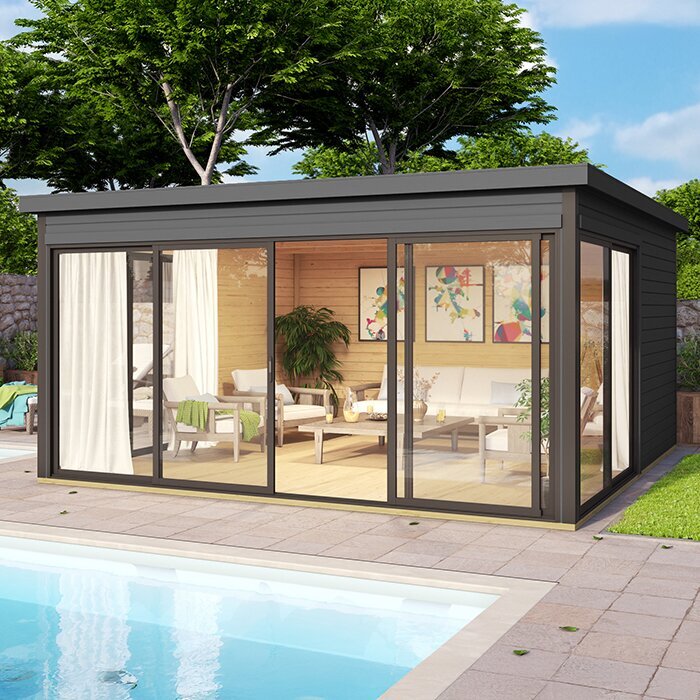
Inspect and maintain the screens
Make a brief inspection part of ordinary shed upkeep. Look over the mesh for tears, stretched sections, loose edges and gaps between the frame and opening; check that doors and windows still close against their screens after repeated use. Clear leaves, cobwebs and dust from the vent face without pushing debris into the mesh. A blocked or damaged screen can reduce airflow as well as weaken insect exclusion. Check more often after rough weather, building work or moving bulky equipment, since a frame may be shifted or knocked during those activities.
Use the screen and shed maker’s care instructions for cleaning and replacement; aggressive brushing or an unsuitable cleaner could damage some materials. Repair or replace a panel with compatible mesh and refit its edges, rather than covering the vent with an improvised solid patch. After any repair, confirm that air can still pass and that no gap has been left around the perimeter. Include the door threshold and any screened window in the same inspection. A simple record of what was repaired and when can help you spot recurring snags or areas that need a sturdier fit.
Compare ventilation details before ordering
Before placing an order, compare the information for each candidate in a small checklist: where air enters and leaves, what area remains open once screening is fitted, which screens are included, what mesh is recommended for your target insect, and how the edges are fixed. Check whether these details appear in the product specifications or assembly material; do not estimate ventilation from an illustration or count openings alone. If the documentation gives only a general statement such as “ventilated”, ask what that means when the doors are shut. Clear answers make it easier to compare products on the same basis.
Confirm separately how screen frames fit with the shed’s doors, windows and assembly sequence, and whether replacement mesh can be obtained or fitted later. If any feature is optional, establish what is and is not part of the order before checkout; do not assume it is included because it appears in a photograph. Keep a copy of the instructions for assembly and upkeep, and confirm who should approve any modification. If a seller cannot clarify a key opening, screen or alteration question, wait until you have information that matches your intended use. That can help avoid an unplanned cut-out that may not be suitable.
Frequently asked questions
Will insect mesh stop every bug from entering a garden shed?
No screen can guarantee that insects will never get in. Mesh only covers the opening it is fitted to, and gaps, torn edges or an open door leave other routes. Choose a weave suited to the insects you want to deter, fit the edges securely and check the rest of the shed for gaps.
Where should ventilation openings go?
Plan a separate route for air to enter and leave, with both openings clear of stored items. Spacing them apart, and at different heights where the design allows, may encourage airflow. The best arrangement depends on the shed and its site, so check the maker’s guidance rather than relying on a universal vent position.
Can I add a vent to an existing garden shed?
Check the manufacturer’s instructions before cutting into a wall, roof or panel. An alteration could affect the shed’s structure or weather seal. If the instructions do not clearly approve the change, ask the manufacturer or a qualified building professional about a suitable option.
Does insect mesh reduce airflow?
It can. A finer weave may exclude smaller insects more effectively, but can restrict airflow more than a more open mesh. Ask a screen supplier about the weave needed for your target insects and check that the ventilation plan accounts for the mesh being fitted.
How often should I check the screens?
Inspect them as part of routine shed upkeep, and after rough weather, building work or moving bulky equipment. Look for tears, loose edges, blocked mesh and doors that no longer close properly. Follow the maker’s guidance for cleaning and replacing a screen.
Effective insect-conscious ventilation is a joined-up design choice: air needs a clear way in and out, every intended opening needs a well-fitted screen, and doors and accidental gaps need equal attention. For a new shed, verify those details in the product information and assembly guidance before ordering; for an existing one, get approval before cutting or altering its panels. Once in use, keep openings clear and check mesh for wear. That gives you a practical airflow plan without relying on screens alone.
