
Garden Sheds, Summerhouses or Log Cabins: What Do the Names Mean?
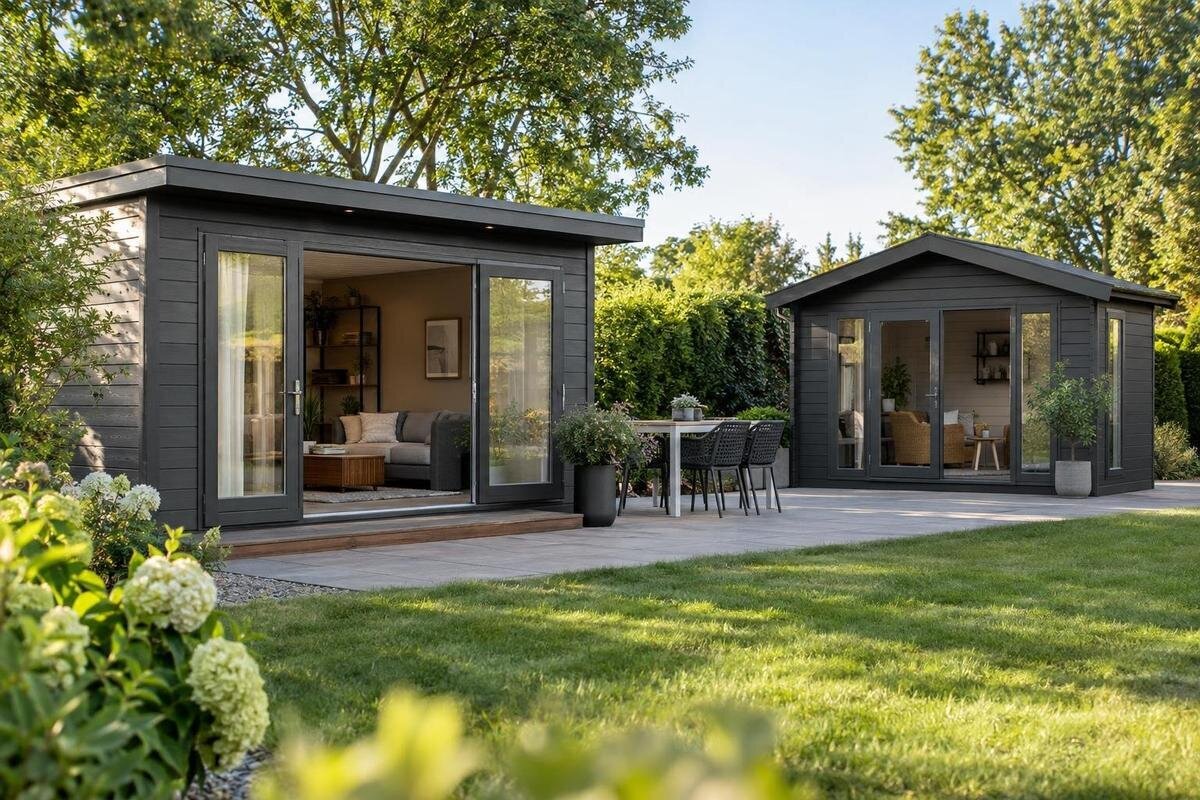
Garden-building guide
Garden shed, summerhouse and log cabin can all describe buildings in a garden, but each term tends to point to a different aspect: broad category, leisure use or cabin-style construction. Retailers do not always use these names in the same way, so a title alone cannot settle what a particular building is made for. This guide explains the usual meanings and shows how to read a listing before choosing.
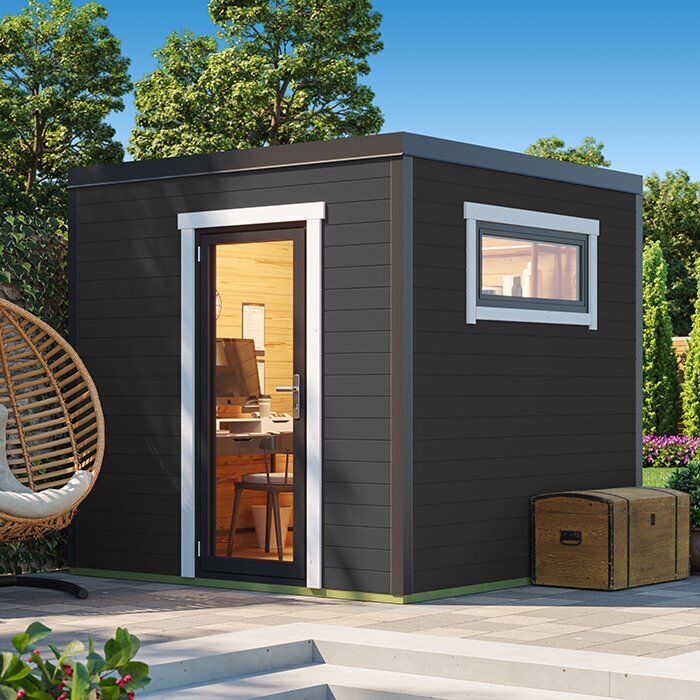
Why garden-building names vary
Garden shed, summerhouse and log cabin are common descriptions, but they do not form a universal three-part classification. A seller may name a building by its broad category, likely activity, appearance or construction; another seller may group a similar building differently. The words help explain how an item is presented, but they do not replace a specification. A listing titled Wooden Garden Shed S shows how a product title can combine a general building label with a model identifier. That wording identifies a particular catalogue item, not a glossary entry that defines every garden shed or every wooden building. This matters when comparing products from different sellers, because shared labels do not guarantee shared designs or specifications.
The labels tend to answer different questions. ‘Garden shed’ commonly names a practical building category; ‘summerhouse’ suggests a place for relaxed time in the garden; ‘log cabin’ points more towards a cabin-like style or construction. The categories can overlap: a leisure building might use log-style walls yet be sold in a garden-shed range. Note the category and intended use separately when planning, then ask what the building is designed and specified to do. That avoids assuming dimensions, materials, glazing, insulation or year-round suitability from the title. A retailer’s detailed description may answer those points, but only if it states them clearly.
What a garden shed usually means
In everyday use, a garden shed is an enclosed outbuilding associated with storing garden tools, equipment and other belongings, or carrying out practical tasks. In a product catalogue, though, garden shed may be a broad category rather than a precise description of one standard shape. It can also be a navigation label that helps shoppers browse. What a retailer groups under it can vary, and product titles may include extra words about style or intended use. A simple utility building and a more designed garden structure may both sit under the same heading. The category tells you how the seller has grouped an item, not the full range of activities it is suited to.
An example is the Verdana 1 garden shed listing: its label is one point to compare with the written description, not a complete answer about function. If you want an enclosed place for equipment, check the stated dimensions, layout, access and included fittings. If you have another purpose in mind, look for explicit confirmation that the building is designed for it. The product name alone cannot tell you whether a floor, particular fittings or a specific level of weather protection is included. In your own notes, record both the category and intended use, so the broad label does not replace the details that matter to you.
What a summerhouse usually suggests
Summerhouse usually suggests a garden building intended for leisure: somewhere to sit, read, talk, entertain or take in a view of the garden. Compared with the word shed, it foregrounds the activity or atmosphere more than the retailer’s product category. A seller may use it for a structure with a garden-facing appearance, but the term alone does not guarantee a particular window arrangement, size, degree of openness or interior finish. Retailers may use the word broadly, too, so treat it as a clue to the intended experience rather than a complete description. The written product details still determine what the building includes.
The word summer does not mean a building is usable only in summer, but neither does the name establish that it is comfortable or suitable in every season. It says nothing by itself about insulation, heating, ventilation, glazing performance or whether sleeping or regular occupancy is appropriate. If you expect to use the space beyond warm-weather relaxation, identify the features you need and look for them in the written specification. Ask about anything important that is missing. If your planned use moves beyond occasional garden leisure, check what applies to your property with the local council or a qualified professional; do not treat a leisure label as approval or performance evidence.
What ‘log cabin’ usually describes
Log cabin usually brings construction or architectural style to mind rather than one fixed activity. For garden buildings, it often suggests a timber structure with log-style wall elements or an overall cabin-like form. The phrase is not enough to identify the exact wall system: sellers can use it differently, and a cabin appearance does not show how the walls are made. A log cabin may be intended for leisure, work or storage; the name does not set its use. Compared with summerhouse, the phrase tends to emphasise what the building looks like or how it is built, though both labels can apply to the same item.
If the log-cabin description matters to your choice, look for a clear account of materials and construction rather than relying on the title or photo. Check which components are timber, how the walls are assembled, and whether the stated floor, roof and finish match what you expect. A log-cabin label alone does not confirm a particular wall thickness, insulation level, structural performance or all-season use. If the specification uses a construction term you cannot interpret, ask the seller what it means for that product. For site-specific or structural questions, seek advice from a qualified professional rather than trying to deduce the answer from the category name.
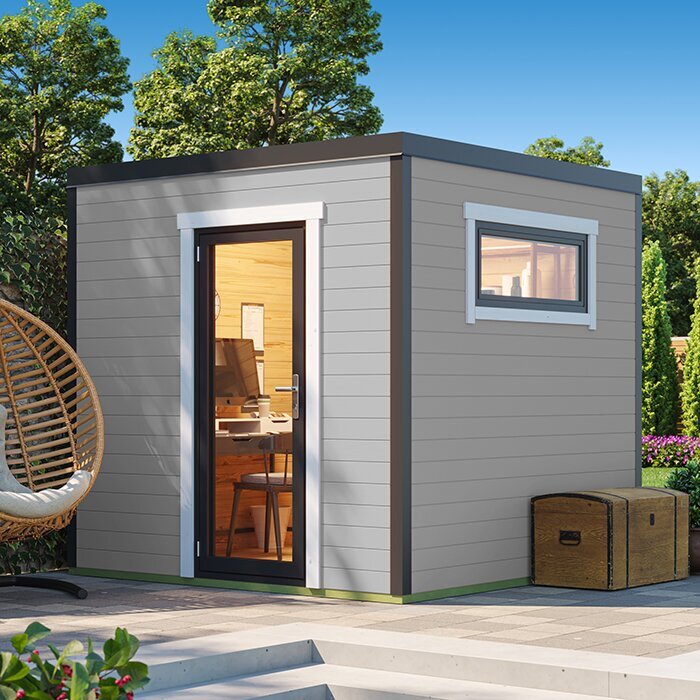
How the three terms overlap
These are not necessarily three competing designs. The labels work on different axes: garden shed often serves as a category; summerhouse foregrounds leisure; log cabin usually points to a cabin style or building method. One garden building can fit more than one description, and a retailer may choose one label for browsing even if another captures a buyer’s intended use. That does not automatically make the listing misleading; it means you need to separate category, purpose and construction when comparing options. If you describe a product using two terms, make sure each is supported by the product details, not just by its appearance.
The Verdana 2 listing is a named catalogue item, which is a reminder that a model name and a category label operate at different levels. A seller might place an item under garden sheds while a buyer wonders whether it could serve as a summerhouse; the page needs to provide evidence for the intended use rather than leave the buyer to infer it from the title. When two products have different headline terms, compare their written dimensions, materials, openings, inclusions and stated purpose. Do not assume that log cabin means more space, comfort or durability, or that summerhouse guarantees those qualities. Each is a different kind of clue, not a rating.
How layout and appearance shape the impression
Layout and visible features can explain the impression a name creates. A building with broad windows, a glazed front or a doorway facing the garden may look more leisure-oriented; a more enclosed appearance may be marketed as a utility building. These are clues to design, not proof of what is included or how a building performs. A photograph can show a door or window but cannot confirm exact measurements, materials, glazing specification, insulation, security or privacy. Use images to understand the overall form, then find relevant facts in the written product details. Check whether the view shown represents the version or options you are considering.
Even a descriptive word in a title needs checking. the Durano spacious garden shed listing uses a size-suggesting adjective in its product name, but that adjective is not a floor plan or usable-area measurement. Compare the stated external and internal dimensions, overall height and doorway clearance with the space and movement you need. Look at where doors and windows are shown, and check whether a pictured item or finish is included or is only an illustration. The same rule applies to words such as compact, premium or contemporary: they can help identify a model, but they are too broad to stand in for measurable facts.
What construction wording can and cannot tell you
Words such as wooden, timber, solid timber and log cabin can appear close together, but they are not interchangeable descriptions of a complete building. A term may name a material, one component, a finish or an overall style; a headline may not show which. When timber matters, check which parts use it and how the wall system is described. When log cabin matters, look for information about how wall sections join and whether the stated construction matches what you mean by a cabin. Avoid inferring wall thickness, strength or maintenance needs from a broad product label. Care can depend on the specified material and finish, not just the category name.
Keep model identity separate from verified construction details. Veltor 1 is a model name, not by itself an answer to questions about materials, wall assembly or finish. Use the specification, assembly information and product documentation to check those points; if details are missing or use terms you cannot interpret, ask for an explanation before ordering. This is particularly useful when comparing a shed, a summerhouse and a log cabin: category labels and photographs may look similar even where the stated construction differs. Names cannot fill gaps in technical information, so note which facts are confirmed and which still need clarification.
How to read a garden-building listing
A useful product page separates an appealing title from information you can compare. Check whether it gives overall dimensions and a plan, describes wall and roof construction, states what floor or fittings are included, and identifies options that may need to be purchased separately. Look for assembly instructions, care guidance and the terms that apply to ordering and delivery. If a specification uses an unfamiliar term, find out precisely what it refers to instead of treating it as a synonym for a more familiar label. A written answer is more useful than an inference from a photograph, especially when a particular feature affects your choice.
Use the Orello 1 garden shed listing as a page to read, not as evidence about what every product contains. Record the exact model and any option you are considering, then match each requirement to a statement in the current listing or written confirmation. If your distinction between a shed and a summerhouse depends on glazing, check the stated glazing and openings; if it depends on a log-cabin build, check the wall description. This turns a vague name comparison into a comparison of specific features. Similar-looking titles do not mean equivalent products, so note any unanswered question before you decide.
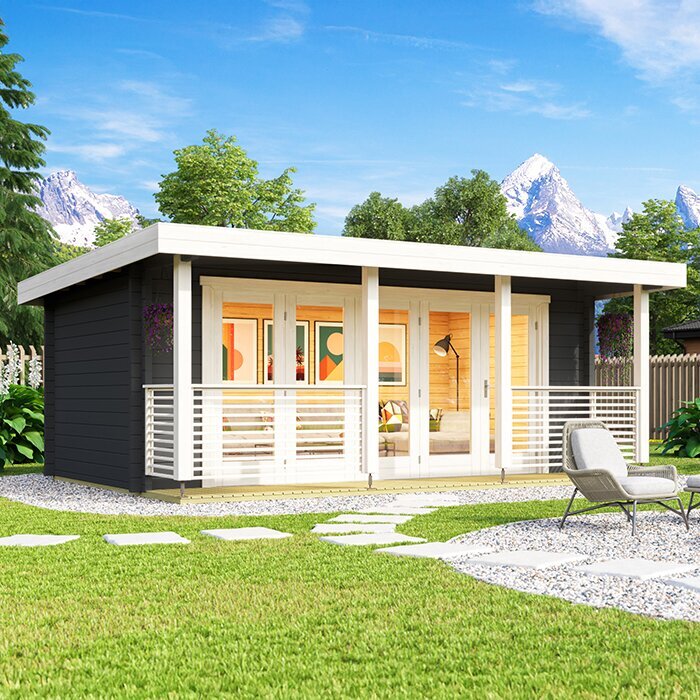
Checks to make before ordering
Before ordering, define the use in ordinary terms: storing equipment, working on a hobby or spending time in the garden. Identify the features needed for that activity, then check that the published dimensions, access and construction details address them. Confirm that the measurements fit the space available, including room to bring components in and carry out assembly as described; do not guess from a model name. Read the instructions for base or site preparation. If the site, ground conditions or proposed building work raise technical questions, speak with a qualified professional, and check with the local council where requirements may apply.
A page such as the Modano 1 garden shed page is a starting point for checking information, not a recommendation for a particular purpose. Review the current written description, exact dimensions and included items, any assembly requirements and the ordering terms before placing an order. Separate what is confirmed from what is not stated; if a feature is essential, ask for specific written clarification. This matters when you are considering a summerhouse or log cabin based on a product listed under a different category. The label should not be the only evidence that the building will suit your planned use.
What the label means after purchase
The name still has limits after the building arrives. A summerhouse label does not mean furniture is included or that the building will maintain a particular indoor temperature; log cabin does not set a care schedule; garden shed does not define how the interior must be arranged. Ownership depends on the supplied construction, finish, instructions and use. Keep assembly and care documents, note any agreed options, and follow product-specific maintenance guidance rather than applying assumptions about all timber or all garden buildings. Thinking about day-to-day use also helps: consider what you will bring inside and how often you expect to use the space.
Keep the listing and any written answers for the Timber Garden Shed M listing, or for the model you choose, so you can refer back to its stated scope, options and care instructions. If your plans change—for example, from occasional leisure to a more demanding or extended use—recheck suitability with the maker or seller instead of assuming the original category covers it. Where the change raises questions about technical performance or requirements for your property, seek appropriate advice. The term helps describe the product; documented details are what guide your expectations during purchase and ownership.
Frequently asked questions
Are a garden shed and a summerhouse the same thing?
Not necessarily. Garden shed is often a broad product category or a practical-building label, while summerhouse suggests a place for leisure. One building could be described both ways. Read the stated purpose and product details rather than assuming the terms mark sharply separated designs.
Does ‘log cabin’ guarantee that the walls are made from logs?
No. The phrase often suggests a timber or cabin-style build, but sellers may use it differently. Check the stated wall materials and construction method; do not infer a particular wall arrangement, thickness or insulation from the name alone.
Does summerhouse mean a building can only be used in summer?
No. The name does not set a season of use, but it also does not confirm comfort or suitability in every season. Check the product information for the features you need and ask about anything important that is not stated.
Can a garden shed be used as a summerhouse?
The names can overlap, but a category label alone cannot confirm that a particular building suits leisure use. Check its dimensions, layout, construction and stated intended purpose. If these details do not answer your question, ask the seller for specific clarification.
What should I check when ordering a garden building?
Begin with the intended use, then check the written dimensions, construction, included items, assembly information and ordering terms. Confirm any feature that matters but is not clearly described, and check with the local council or a qualified professional if you have site-specific questions.
Use the three names as clues, not strict boxes: shed points broadly to a category, summerhouse to leisure, and log cabin to style or construction. The useful choice is the building whose confirmed details match how you intend to use it, not simply the label that sounds closest. Compare the written information, and get clarification about any feature that matters but is not stated.
