
Glazing options for aluminium greenhouses
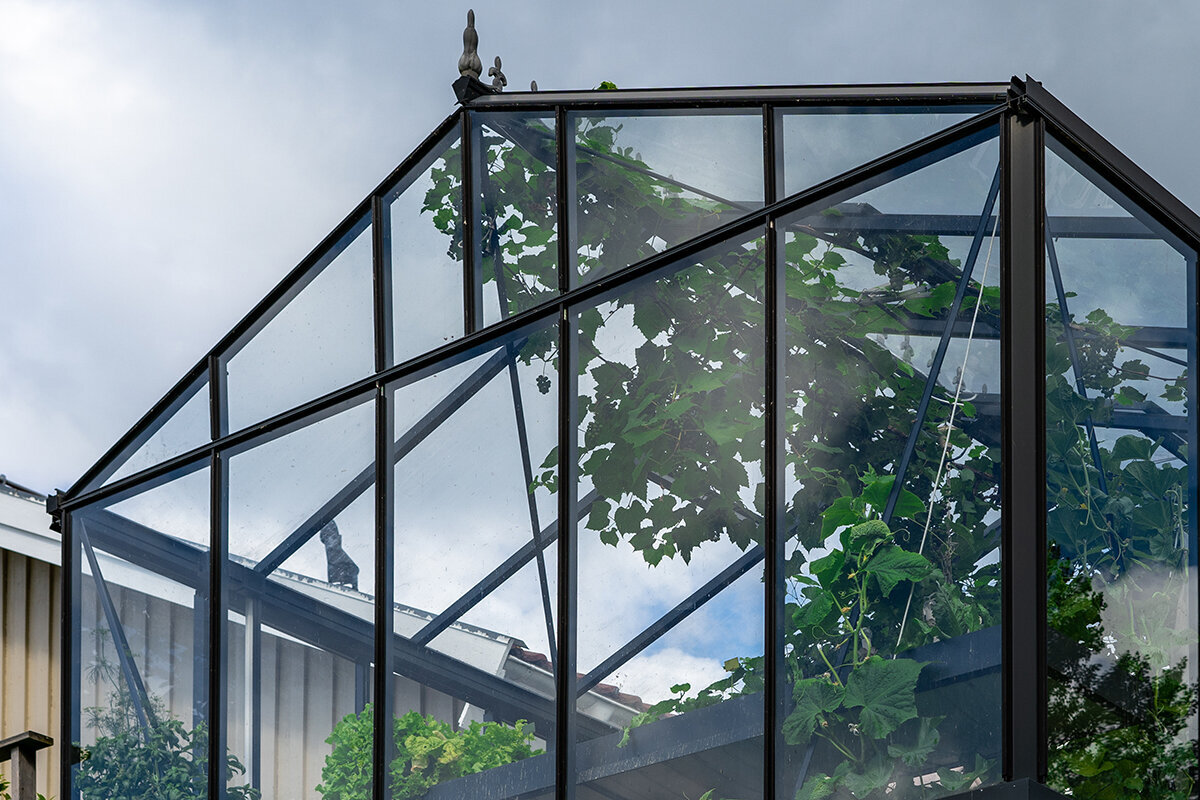
Choosing the right glazing for your aluminium greenhouse: a complete guide
When selecting glazing for an aluminium greenhouse, consider how each material can influence the growth and wellbeing of your plants. It is an important decision because the glazing directly affects temperature, humidity and the overall growing environment inside your greenhouse. This guide explores the benefits of polycarbonate, toughened safety glass, self-cleaning glass and reflective film, helping you choose according to your own gardening needs.
Polycarbonate: durability and insulation
Polycarbonate is one of the most popular greenhouse glazing materials. This highly durable, lightweight material offers many benefits for both new and experienced gardeners. Polycarbonate sheets are available in single-wall and multiwall versions, both of which provide excellent insulation and strong thermal performance. One key advantage is polycarbonate’s ability to retain heat, which is important for creating a stable environment for plants, especially during cooler months. The multiwall construction traps air between its layers, producing an insulating effect that helps keep temperatures inside the greenhouse more consistent.
Another advantage of polycarbonate is its impact resistance. It is much stronger than glass and can withstand heavy impacts from hail or debris without breaking. That makes it well suited to areas exposed to demanding weather conditions. Polycarbonate also provides effective light transmission, allowing sufficient sunlight to reach plants while blocking harmful UV rays. This UV protection can help prevent plant damage, supporting healthy growth throughout the year.
Polycarbonate is also available with UV-protected surfaces that extend the material’s service life while shielding plants from harmful rays. This protection helps maintain favourable growing conditions by limiting the damaging effects of strong sun, so plants can thrive in a safer, more controlled environment.
Toughened safety glass: clarity and light transmission
Toughened safety glass is another popular glazing choice for greenhouses. Known for its strength and durability, it provides excellent clarity and transparency. One of its main advantages is the ability to admit maximum sunlight to your plants. Greater light transmission supports photosynthesis, which can encourage stronger plant growth and higher yields. This makes toughened safety glass an excellent option for gardeners seeking to maximise light quality in their greenhouse.
Toughened glass is also exceptionally strong and resistant to breakage. Should it break, it fragments into small, blunt pieces rather than sharp shards, making it safer than ordinary glass. This characteristic is valuable in greenhouse settings where accidental knocks or impacts can occur. Toughened glass is also resistant to thermal stress, meaning it can cope with the temperature changes common in a greenhouse without readily cracking or breaking.
Although toughened safety glass offers excellent light transmission, it is less insulating than polycarbonate. A greenhouse glazed with toughened glass may therefore need additional heating or ventilation to maintain favourable growing conditions, particularly where temperatures vary widely.
Self-cleaning glass: less maintenance, lasting clarity
Self-cleaning glass is an innovative glazing option offering convenience and lower-maintenance benefits. This type of toughened glass has a special coating that repels dirt, dust and water, making the greenhouse easier to keep clean. The coating works through a photocatalytic reaction, breaking down organic dirt and deposits when exposed to sunlight. This process helps reduce the build-up of grime on the surface, lowering the need for frequent cleaning and maintenance.
The self-cleaning feature is particularly useful for greenhouses in locations with frequent rain or high levels of dust. Rather than manually cleaning the glass every few weeks, the coating helps it remain clear and transparent with minimal effort. This not only saves time, but also helps ensure plants receive as much light as possible, which supports healthy growth.
It is important to remember, however, that self-cleaning glass is not a completely maintenance-free solution. While it reduces how often cleaning is needed, you may still need to wipe the glass occasionally to remove stubborn dirt or deposits. Self-cleaning glass can also cost more than standard toughened glass, so consider your budget before deciding.
Reflective film: maximising sunlight and heat retention
Reflective film is a distinctive glazing option designed to reflect sunlight, optimise light distribution and retain warmth in the greenhouse. It is often used in greenhouses located in places with limited sunshine or cooler conditions, where maximising available light and warmth matters. The reflective surface helps direct sunlight towards plants, so they can receive enough light for photosynthesis even during winter.
Reflective film can be particularly useful for extending the growing season and supporting healthy plant growth year-round. By reflecting light back into the greenhouse, it increases overall light intensity, which is especially helpful for plants that need high light levels to thrive. Better light distribution can also help maintain a more stable greenhouse temperature, improving overall plant health and productivity.
There are, however, points to consider when using reflective film. Because it reflects sunlight, some plants may become more sensitive to intense light, particularly varieties that prefer shade or indirect conditions. Reflective film may therefore not suit every plant, especially delicate plants that are prone to sun scorch or overheating.
Making the right choice for your greenhouse
The best glazing option for an aluminium greenhouse depends on several factors, including your local climate, the plants you intend to grow and your maintenance preferences. Polycarbonate provides strong insulation and durability, making it an excellent choice for cooler conditions. Toughened safety glass, by contrast, delivers excellent clarity and light transmission for gardeners who want to maximise sunlight. Self-cleaning glass offers convenience and less maintenance, while reflective film can suit areas with limited sunshine or cooler conditions where retaining warmth is important.
Ultimately, the right greenhouse glazing depends on your specific gardening requirements. Whether you prioritise durability, light transmission, easy maintenance or greater sunlight reflection, each glazing material has distinct benefits that can improve your greenhouse environment and efficiency. Consider carefully which factors matter most to you, so you can make an informed choice and enjoy a greenhouse that performs well for many years.
