
Grow fresh food all year round
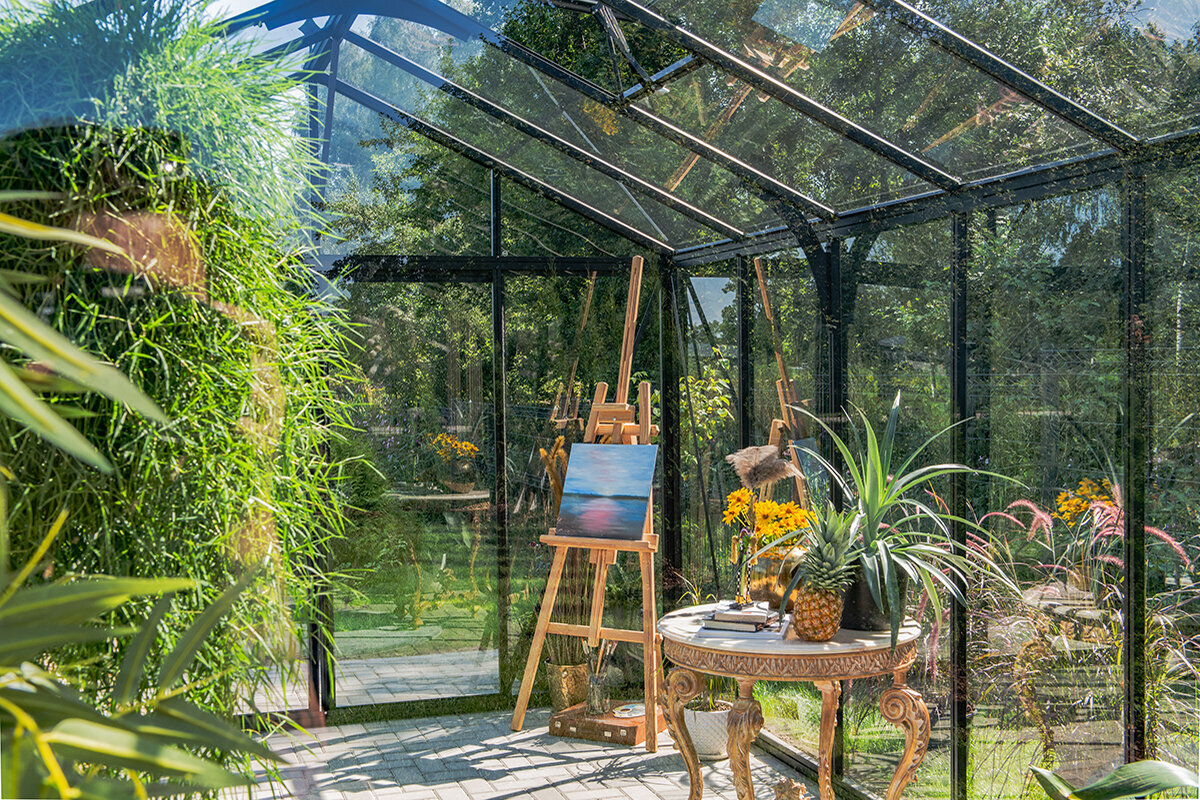
Grow fresh food all year round: a greenhouse garden calendar
Many home gardeners in New Zealand know the challenge: summer harvests can pass quickly, while cooler months slow the garden down. Yet with a quality aluminium greenhouse you can harvest beyond the outdoor season. Thoughtful planning and a sturdy glass greenhouse from Bloomcabin make year-round gardening rewarding, from crisp winter spinach to sweet summer tomatoes.
This detailed greenhouse calendar explains month by month how to get more from your greenhouse. It also shows why an aluminium greenhouse suits New Zealand gardens, combining quality, style and practical function. Adjust sowing dates for your region, elevation and greenhouse conditions.
Why an aluminium greenhouse is a smart choice
Anyone in New Zealand looking to buy a greenhouse should consider durability and stability. Timber can decay, steel can rust and plastic can become brittle. An aluminium greenhouse remains dimensionally stable, corrosion-resistant and easy to care for over many years. This is particularly valuable where frost, rain and changing temperatures are common.
Every Bloomcabin glass greenhouse has a robust aluminium frame and 4 mm toughened safety glass. The glass admits plentiful sunlight, retains warmth and shelters plants from wind, rain and snow. This creates a stable microclimate where vegetables, herbs and flowers can thrive through the year. For gardeners seeking the best greenhouse for year-round growing, Bloomcabin is an excellent option.
The Bloomcabin garden calendar: fresh harvests each month
January: summer care and harvesting
January is a time for harvesting and regular care. Clean the glass to make the most of daylight, and check vents, irrigation and shading. In a well-insulated aluminium greenhouse you can sow hardy crops for cooler months, including spring onions, leeks, cabbage and kale. With gentle extra warmth, such as a heat mat, seeds germinate reliably.
February: fresh greens and next plantings
In February, the greenhouse remains productive as autumn planning begins. Days are still long and sunlight can be strong. Sow spinach, lamb's lettuce, rocket or radishes for later harvests; parsley and chives also grow well. Ventilate well on sunny days so moisture does not build up. Many Bloomcabin reviews praise automatic window openers, which can be fitted to selected models for a balanced climate.
March: starting the autumn season
March marks an important seasonal change. Sow cool-season crops and start seedlings for protected growing. In a well-ventilated glass greenhouse , young plants develop strongly. Check regularly for aphids and other pests, and maintain steady air circulation to help prevent mould.
April: growth and early harvests
April brings fresh growth in protected beds. Early salads and herbs may be ready to pick, while tomatoes and courgettes can be moved into larger pots where warmth allows. As days vary, open windows when needed to avoid overheating. The safety glass in Bloomcabin greenhouses spreads light evenly and helps protect plants from scorching.
May: flowering and pollination
May can still be rewarding in a greenhouse. Where warmth and daylight are sufficient, some plants flower and set fruit. Tomatoes, cucumbers and capsicums may benefit from gentle hand pollination when insects are scarce. Keep soil evenly moist and use organic fertiliser according to its New Zealand label. In a Bloomcabin aluminium greenhouse , temperatures remain more stable during changeable weather, ideal for sensitive varieties.
June: winter growing
June is winter in New Zealand, but protected growing can continue. Ventilate briefly on bright days and close up again before evening. Regular watering remains important, although plants need less than in summer. Spinach, leafy greens, herbs and hardy vegetables can still provide worthwhile harvests. Many greenhouse tests suggest glass greenhouses offer steadier temperatures than plastic alternatives, a key benefit of Bloomcabin construction.
July: harvest and resowing
July is a productive time for cool-season crops. Pick fresh vegetables and herbs whenever they are ready. It is also worth sowing new crops for spring, such as spinach, silverbeet, carrots or beetroot. Rotating crops helps maintain fertile soil and reduce pests. The stable aluminium structure can support shelves or hanging pots, making the most of available space.
August: care and a second planting
In August, prepare the greenhouse for spring. Remove finished plants, loosen the soil and add compost. Sow quick-growing salads and Asian leafy greens for the coming season. The aluminium greenhouse from Bloomcabin needs little maintenance: no painting, rust or warping, for lasting comfort.
September: a second spring
September begins the new spring growing phase. While outdoor temperatures can still be cool, the greenhouse feels pleasantly mild. Continue harvesting leafy greens as young salads and herbs grow strongly. Remove any shading so the increasing spring sun brings more light inside. In a well-insulated glass greenhouse from Bloomcabin, warmth is retained overnight.
October: preparing for summer
October is the time to move into the warm-season cycle. Plant tomatoes, capsicums, cucumbers and other summer crops as conditions allow. Garlic, onions or spinach can still be grown in suitable spaces. The close glass structure and sealed frame system of a Bloomcabin greenhouse retain warmth and offer dependable frost protection. Gardeners planning ahead choose the best greenhouse for year-round gardening.
November: fresh growth in warmth
Gardening does not need to slow down in November. Tomatoes, herbs and salads flourish in the protected climate. Ventilate on sunny days to prevent excess humidity. A small heater or thermal store, such as water containers, can add warmth at night when required. Many gardeners mention in a Bloomcabin review that they harvest fresh vegetables well into the season, a clear advantage of quality glass greenhouses.
December: abundance and planning
December brings summer abundance to the garden, and the greenhouse stays busy. Harvest fresh vegetables, monitor watering and plan succession sowings. Use quieter moments for cleaning, maintenance and planning the next garden year. A walk through your glass greenhouse on a bright summer morning can bring a satisfying sense of calm, something many Bloomcabin customers highlight in their reviews .
Tips for successful greenhouse gardening
A balanced climate is central to success. For many common greenhouse crops, aim for temperatures between 18 and 25 °C, provide sufficient ventilation and avoid waterlogging. Automatic window openers, fans and drip-irrigation systems make care much easier. Clean the glass regularly to use sunlight effectively. An aluminium greenhouse from Bloomcabin brings these features together for reliable results in every season.
Bloomcabin reviews: why gardeners choose glass and aluminium
In each Bloomcabin review , similar strengths are mentioned: durable materials, elegant design and consistent results. Unlike basic plastic structures, a Bloomcabin glass greenhouse remains clear, stable and weather-resistant for years. It is both a practical workspace and an attractive garden feature.
Whether the compact Classic, spacious Oasis or elegant Orangerie model, each offers professional quality for home gardeners. Explore the complete range at Bloomcabin.com/nz and find the greenhouse that suits your garden.
Fresh, sustainable and independent – 365 days a year
A greenhouse offers more than vegetable growing; it adds everyday quality of life. With a Bloomcabin aluminium greenhouse you can plant, harvest and enjoy home-grown produce on all 365 days of the year. Whether it is fresh herbs in winter or sun-ripened tomatoes in summer, enjoying your own vegetables in every season is a genuine pleasure.
If you want to buy a greenhouse that combines durability, design and function, Bloomcabin is the right choice. It brings together quality, aesthetics and sustainability for New Zealand gardens.
Visit Bloomcabin.com/nz to discover aluminium and glass greenhouses for New Zealand.
