
Growing Tomatoes in a Greenhouse – Tips & Guide | Bloomcabin NZ
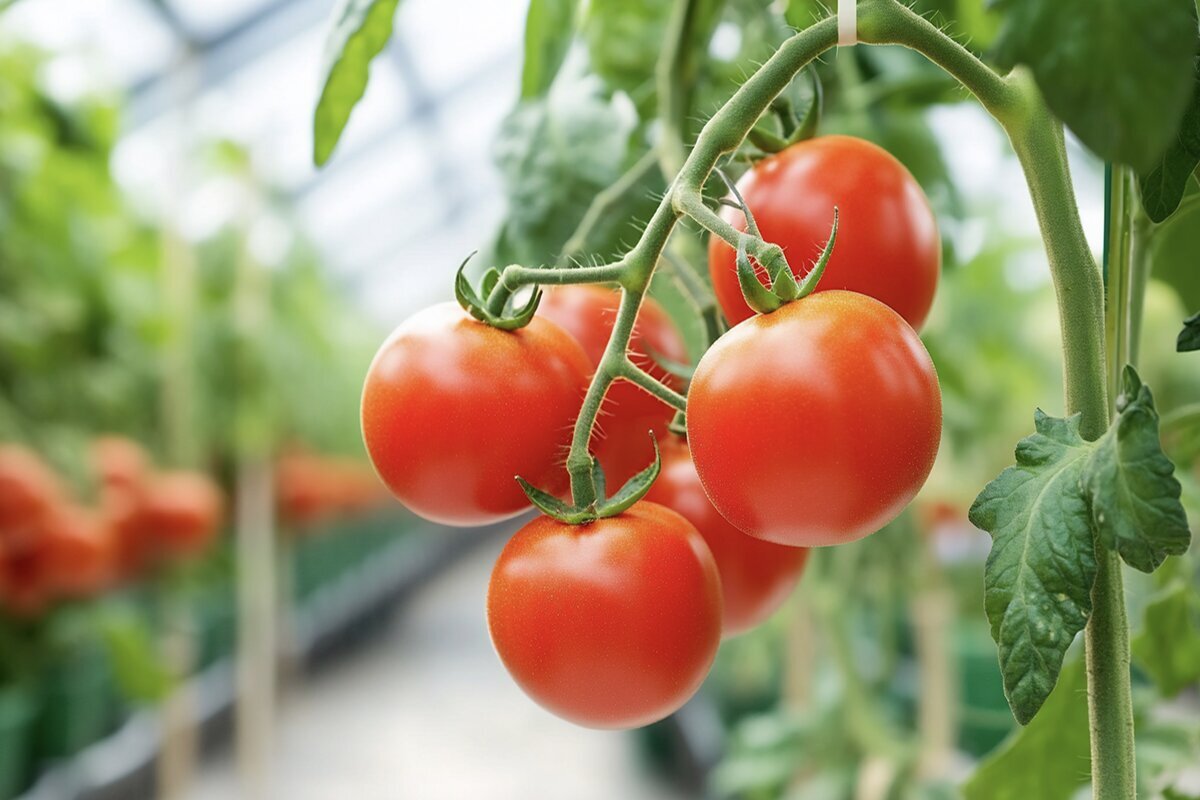
Growing Tomatoes in a Greenhouse – A Complete Guide for NZ Gardeners
Growing tomatoes under cover is one of the most rewarding ways to produce fresh, flavoursome vegetables at home. The right greenhouse lets you start earlier, harvest for longer and protect plants from changeable weather. This guide takes you through successful tomato growing step by step – and explains why a Bloomcabin aluminium greenhouse with polycarbonate panels offers an ideal growing environment.
Why grow tomatoes in a greenhouse?
New Zealand weather can be unpredictable, especially in spring and autumn. A greenhouse brings valuable benefits for tomato growers:
- Longer season – sow earlier and keep harvesting later.
- Stable microclimate – tomatoes thrive with steady temperatures and fewer sharp changes.
- Protection from rain, wind and pests – helping prevent disease and physical damage.
- Better yields and fuller flavour – through balanced light, warmth and moisture.
There is another advantage: a greenhouse not only extends the season, but also gives you greater control over each growing stage, from sowing through to harvest.
10 tips for successful greenhouse tomatoes
1. Choose the right variety
For greenhouse growing, consider tall indeterminate varieties, which keep producing fruit. Options to consider include:
- Sungold – a sweet orange cherry tomato that crops early.
- Gardener’s Delight – hardy, reliable and great for beginners.
- Moneymaker – a proven, productive standard variety.
- San Marzano – fleshy, low in seeds and ideal for sauces.
For smaller greenhouses or containers, choose bush tomatoes (determinate varieties) such as Roma or Balconi Red, which stay more compact.
2. Use nutrient-rich soil
Tomatoes are hungry plants and need loose, humus-rich soil that holds water well. Mix garden soil with compost, sand and, if needed, perlite for improved aeration. A pH of 6.0 to 6.8 is also important.
3. Plant out at the right time
Depending on your region, start seedlings indoors from late winter. Move young plants into the greenhouse once nights consistently stay above 10 °C – often by mid-spring, depending on local conditions. Earlier planting is possible with added frost protection, such as horticultural fleece.
4. Support and maintain plants
Tomatoes need structure and regular care:
- Support plants with bamboo canes, tomato spirals or strings.
- Regularly remove side shoots to keep each plant upright.
- Remove lower leaves once they yellow to improve airflow.
These steps encourage fruiting and help prevent disease.
5. Encourage pollination
Pollinating insects are often scarce in a greenhouse. Help by hand:
- Gently shake flower trusses in the morning.
- Or use a soft brush or electric toothbrush.
Regular pollination supports even fruit set.
6. Water consistently
Consistent watering is essential:
- Water early in the morning, directly at the roots.
- Avoid wet leaves to reduce fungal risk.
- Ideally install drip irrigation for even moisture.
Irregular watering can cause blossom-end rot or split fruit.
7. Feed correctly
Tomatoes need plenty of potassium for fruiting. From first flowering:
- Feed every 10–14 days with tomato fertiliser.
- Alternatively, use nettle or comfrey feed.
Avoid overfeeding, which produces leaves rather than fruit.
8. Monitor temperature and humidity
Tomatoes grow best at:
- Day: 21–26 °C
- Night: above 13 °C
- Humidity: 60–70%
Excess humidity encourages mould. Ensure good ventilation and, if needed, air movement with fans.
9. Spot diseases and pests
Check plants regularly for:
- Aphids – especially on young shoots
- Whiteflies – beneath leaves
- Grey mould – particularly in humid conditions
- Powdery mildew – white coatings on leaves
Possible controls include sticky traps and biological methods. Before using neem oil, follow the product’s New Zealand label and food-crop precautions.
10. Harvest at the right time
Tomatoes should be fully coloured but still firm. Daily checks pay off: regular picking encourages more fruit and prevents overripening.
Common problems and solutions
| Problem | Cause | Solution |
|---|---|---|
| Blossom-end rot | Calcium deficiency, uneven watering | Water regularly; use calcium products |
| Distorted leaves | Heat stress, incorrect feeding | Provide shade; adjust feeding |
| Grey mould | High humidity, poor air circulation | Ventilate more; remove affected parts |
| Yellow leaves | Nutrient shortage or overwatering | Feed evenly; avoid waterlogging |
Why a Bloomcabin greenhouse suits tomatoes
Bloomcabin aluminium greenhouses with polycarbonate panels combine strength, light transmission and weather protection for tomato growing. They suit keen home gardeners who want support through New Zealand’s varied growing conditions.
Robust, maintenance-free construction
Non-rusting aluminium profiles, straightforward assembly and capacity for high wind and snow loads deliver dependable performance over many years.
Quality polycarbonate panels
- UV-resistant and shatterproof
- Diffused light helps prevent sun scorch
- Strong insulation helps retain warmth during temperature changes
Smart ventilation options
Every model includes roof vents, with automatic openers available. This helps keep the greenhouse climate in a suitable range.
Flexible for every garden
From a city garden to a townhouse or rural property, Bloomcabin offers sizes and models for different needs.
Start growing and harvest your own tomatoes
A Bloomcabin greenhouse creates an excellent setting for tomatoes that are flavourful, healthy and productive.
Explore our aluminium greenhouse range now – ideal for home gardeners across New Zealand.
Bloomcabin – where quality, function and garden style come together.
