
Growing Watermelons Successfully in a Greenhouse
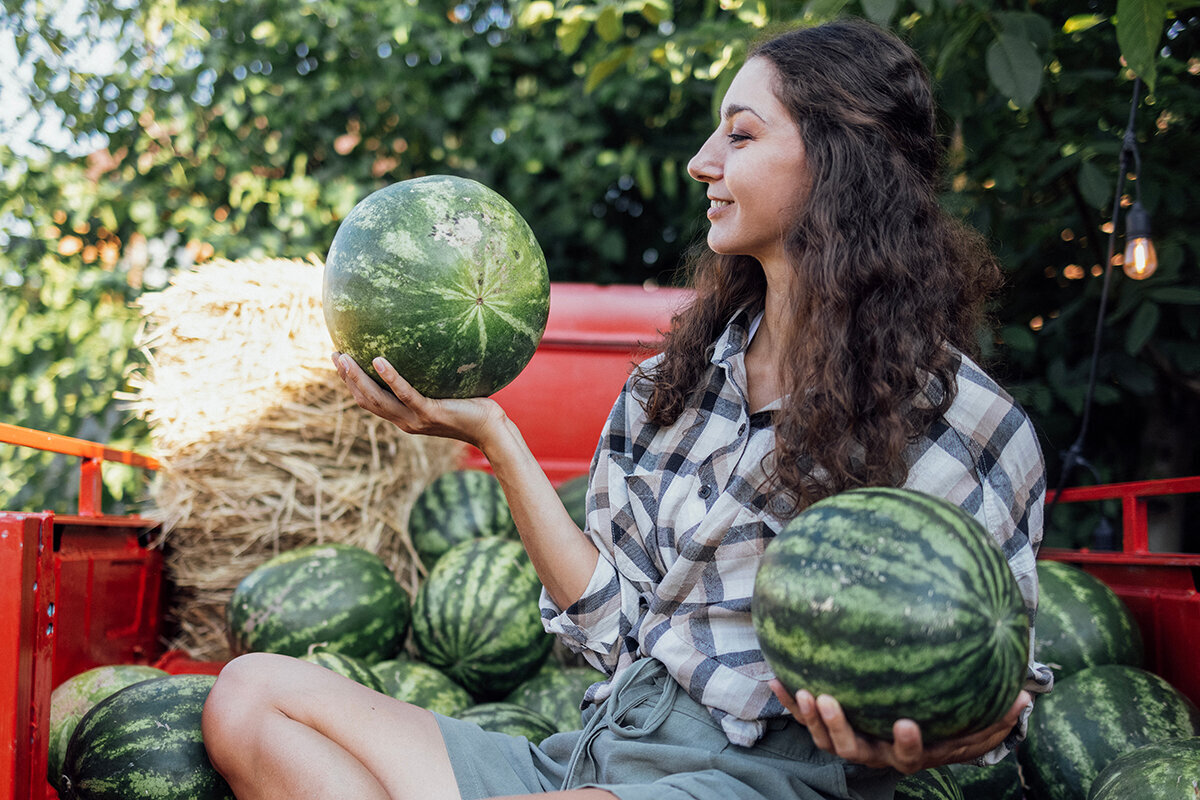
Greenhouse growing · New Zealand · a weighty summer crop
Grow watermelons successfully in a greenhouse
Space. Warmth. Support. A greenhouse watermelon is not simply a vine enjoying warmer weather. It is a sprawling summer crop with heavy fruit and little tolerance for erratic watering. Plan its route before it takes over the house.
1 One vigorous vine for a small greenhouse area
Your first decision is not the variety, but the space available.
Watermelons thrive under cover when beds, reachable fruit, clear doors, a safe working path and enough airflow to dry foliage are planned together.
In a smaller home greenhouse, one carefully trained plant is often more productive than several tangled vines. Reserve a genuine working path and a clear route for shoots first. Then decide whether fruit will rest on the bed or be carried by an independent structure. Useful planning foundations come from the Classic aluminium greenhouse . Consider not only external dimensions, but bed width, access, doors, windows and everyday freedom of movement.
For a heat-loving crop occupying the greenhouse from late spring into late summer, a Classic aluminium greenhouse provides a clear spatial foundation: long beds, a continuous central path, effective roof ventilation and room to work around each developing fruit.
In New Zealand, greenhouse growing brings different challenges depending on region and site. In cooler southern areas, elevated districts or gardens with a short growing season, it provides root-zone warmth and extends the ripening window. In sunny, sheltered urban gardens or during summer heat, preventing heat build-up and keeping foliage dry becomes the greater task. Treat the house as a climate you can manage, not a guarantee of ideal conditions. Watch soil and night temperatures, open doors and roof vents early, and retain enough clear space to respond to changing local weather.
01 / Roots need a reliable start
Raise seedlings briefly. Plant thoughtfully.
01
Sow warm and separately
Watermelon seeds respond to warmth, not impatience. In many unheated New Zealand greenhouses, September to October can be a suitable sowing period. Sow each seed separately in a sufficiently large pot of loose, clean, well-draining seed-raising mix. Keep pots warm and very bright. Even moisture supports germination, but surplus water must drain away reliably from the outset.
02
Keep young plants compact and strong
After emergence, plants need abundant light, moderate moisture and enough spacing to stop leaves overlapping. Watermelons dislike root disturbance and gain nothing from producing long vines while still in pots. Aim for a firm, compact young plant, not an impressive houseplant already weakened before planting out.
03
Wait for the bed, not the calendar
Plant only once the greenhouse soil feels properly warm and frost is no longer likely. Timing varies considerably across New Zealand, so local microclimate, night temperatures and the greenhouse’s heat retention remain decisive. Acclimatise plants to the site during the day. Cold soil, draughts and sharp temperature changes slow growth more than an early planting date helps.
02 / Ground growing or vertical training?
Choose the load path before tying the first shoot.
A watermelon vine can be guided, but must never be treated like a weightless climber. Fruit size, bed area, access and the confirmed load capacity of the intended structure all matter. Dramatic greenery beneath the roof is not reason enough to suspend heavy fruit overhead.
A / Ground growing
For larger fruit and uncomplicated support
Guide the vine across a warm mulched bed or along a clean edge. Place every developing melon on a dry board, brick or airy practical support. This keeps the skin away from damp soil while the full fruit weight rests safely below.
- Choose this method for larger varieties, uncertain load capacity or a first attempt at greenhouse growing.
- Allow a generous vine route along the bed and direct vines in broad curves rather than sharp turns.
- Keep every fruit reachable; you should never need to step over vines to water or ventilate.
B / Vertical training
For compact varieties and a separate load-bearing structure
Train a vigorous main shoot loosely upwards on plant twine or a separate trellis. Give every enlarging fruit a broad sling early. This saves ground area and improves visibility, but works only where the structure can safely carry the load independently of the plant.
- Choose compact, early-ripening mini or small-fruited varieties.
- Use a stable frame suited to the expected load—never glazing, roof vents, gutters or lightweight frame sections as improvised supports.
- Keep foliage away from glazing so leaves neither overheat nor trap persistently humid air.
Space plan for a greenhouse area
ROOT BED
CLEAR PATH
VINE ROUTE
FRUIT ACCESS
The greenhouse must remain functional despite this expansive crop. Watermelons are easiest to maintain in a layout that protects a clear work path and keeps doors and windows usable without constantly brushing foliage. Plan a deep bed, unobstructed passage and fruit at a comfortable reach. Further structural guidance is available in the Classic aluminium greenhouse . It supplements crop planning with guidance on ventilation, weather protection and an indoor climate that is easier to control.
Measure from the genuinely usable edge of the bed, not merely from the greenhouse wall. A vine can be redirected gently later, but a blocked door, inaccessible dripper or melon hidden beneath dense foliage becomes a care problem for weeks. If there is no secure place to inspect fruit, pollinate flowers or operate a window handle, reduce the planting plan before planting. Fewer vines often mean not less harvest, but better cared-for fruit that ripens more reliably.
03 / The fruit-sling workshop
Fruit weight needs a deliberately planned load path.
A growing watermelon can become heavy enough to tear a vine or bend an improvised support. A sling is therefore not decoration. It spreads pressure over a broad area and transfers the weight to two secure fixing points on a load-bearing structure.
Make the hammock from broad, soft, clean and preferably quick-drying material. A sturdy net, soft fabric piece or purpose-made fruit sling can hold the melon securely. Avoid thin string, wire, cable ties and tight knots against the skin. Fit the support while fruit is small, leave room for growth, and inspect its position and fixings at least weekly.
For vertical growing, assess the greenhouse frame’s load capacity separately from the fruit support. Never assume an elegant roof brace is automatically suitable for hanging loads. If uncertain, keep fruit low on a clean support or use independent stable internal posts and cross-members.
Load path of the sling
FRUIT
BROAD SLING
LOAD-BEARING STRUCTURE
Safety warning: Never attach a fruit sling to roof vents, glazing bars, gutters or components not expressly designed for extra loads. Recheck knots, clips, hangers and tension after rapid fruit growth, strong winds and work around windows.
04 / Pollination is a transfer, not a hope
Recognise flowers. Move fresh pollen. Select fruit deliberately.
A closed greenhouse changes pollination. Bees and other pollinators may enter through widely opened doors, but harvest planning should not depend on this alone. Watermelons carry separate male and female flowers. Behind a female flower is a small swollen miniature fruit; the male flower grows on a slender stem and supplies pollen.
Morning01 OPEN FLOWER
Identify02 MALE FLOWER
Transfer03 FRESH POLLEN
Check04 FRUIT SWELLS
Check newly opened flowers in the morning, when pollen is fresh and the female flower is receptive. With a small, clean, soft brush, collect pollen from the centre of a male flower and gently apply it to the stigma of a female flower open at the same time. Alternatively, use the male flower itself with care. If the fruitlet swells evenly over the next few days, pollination succeeded. Remove yellowing, stalled or markedly misshapen fruitlets early.
Note on seedless varieties: Seedless watermelons also need pollination. They require pollen from a suitable polliniser variety for fruit set. Follow the seed supplier’s instructions and do not plant a seedless variety without the specified pollen donor.
Note on fruit numbers: Once fruit is visibly growing, select the strongest and most accessible fruitlets rather than asking the plant to carry everything. One fixed number is not right for every variety and location. Root room, light, temperature, leaf area, fruit weight and summer length determine the load possible. In a small greenhouse, limiting fruit is often the more reliable route to ripeness and flavour. Remove weak, damaged, misshapen or poorly positioned fruit early and cleanly.
05 / Controlled water, not constant worry
Adjust watering to weather and crop stage.
Watermelons need plenty of water while leaf mass and fruit are growing. Quality suffers, however, when roots repeatedly swing between drought stress and saturation. Drip irrigation is a calm, precise tool: it delivers water to soil rather than leaves, keeps paths drier and makes controlled adjustments easier.
Check moisture beneath mulch and several centimetres into the soil instead of judging only the dry surface. Lighter soil may need smaller, more frequent applications. With heavier soil, water more slowly and allow air back into the root zone. Adapt the rhythm to actual heat, plant size and drainage, not a rigid daily timer.
As rain does not reach the greenhouse bed, observation must form part of the watering system. Check drippers at the beginning and end of every line, especially after cleaning a filter or changing a timer. Uneven supply soon resembles a mysterious plant issue when one side of the bed simply receives less water. Record run-time changes alongside pronounced hot spells, cool nights and visible fruit growth. These notes provide a better basis for the next weather change than watering by feel. A standard litre figure is rarely useful: soil, weather and development stage decide.
Water needs by crop stage
Establishment
Even
Flowering
Steady
Fruit growth
Highest
Final ripening
Measured
Avoid swings between drought and flooding. Water stress during flowering can reduce fruit set and encourage irregular fruit. A sudden heavy watering after drought raises the risk of splitting and loss of quality during ripening. Reduce irrigation only gradually towards the end. Never let the plant wilt in an attempt to create more sweetness.
06 / Manage sun and weather
Vent early. Shade thoughtfully. Keep foliage as dry as possible.
Watermelons love warmth, but productive temperatures can be exceeded very quickly in a closed glasshouse. On clear days, open doors and roof vents before heat builds and leaves wilt. If heat peaks occur regularly, external or spaced shading, good cross-ventilation and a morning inspection routine work better than a late emergency response.
Humidity is the quieter half of climate management. Dense foliage, wet paths, overhead watering and doors kept closed late into the evening encourage leaf disease. Water at soil level, remove badly damaged leaves with clean tools, keep fruit off wet surfaces and vent moist air whenever conditions allow. Find configuration basics in the Classic aluminium greenhouse . It also treats windows, doors and ventilation options as parts of a manageable greenhouse climate.
Do not close the greenhouse during a heatwave merely because watermelons love warmth. Protection from hot, still air matters more then than holding every degree of heat. Conversely, a sudden cool night or wet spell can justify closing earlier, followed by careful ventilation next morning. New Zealand summers vary widely by region; the aim is not perfectly constant temperature. Create a sufficiently stable root and leaf environment where growth, pollination and ripening continue without extremes. Retain warmth overnight without trapping humidity for days.
Field guide / diagnose before acting
Leaves wilt at midday and recover by evening Check temperature and root-zone moisture first. Hot, dry air can temporarily overwhelm water uptake; do not automatically add fertiliser or large volumes of water.
Flowers drop or fruitlets shrivel Possible causes include incomplete pollination, water stress, insufficient light, intense heat or excessive nitrogen. Hand-pollinate in the morning and observe conditions over several days.
White powdery patches on leaves Powdery mildew is likely. Improve airflow, remove severely affected tissue and avoid wet foliage. Use crop-protection products only where the New Zealand label permits that crop and purpose, and follow its directions exactly.
Aphids, spider mites or sticky young shoots Inspect leaf undersides, shoot tips and flower areas regularly. First reduce an early infestation mechanically, remove badly damaged plant parts and create drier foliage conditions. Seek local advice if required.
Fruit splits or develops watery patches Check watering consistency and nitrogen supply. Strong growth fluctuations late in development are more likely than a plant that is simply too weak.
07 / Recognise ripeness rather than guessing
Use several signals. Treat individual tricks critically.
Watermelons do not become sweeter after harvest. Record the hand-pollination date and know the approximate maturity period of your chosen variety. Temperature, light, variety and plant health alter the actual schedule. Check fruit more closely once the expected harvest window approaches.
Useful clue
Nearby tendril
Compare
Skin finish
For ground-grown fruit
Ground spot
Never alone
Sound
Nearby tendril: The tendril nearest the fruit stem often turns brown and dry as ripeness increases. It is a valuable clue, but stress can dry tendrils early. Never assess it in isolation.
Skin finish: In many varieties, ripe fruit loses its hard shine and looks duller. Compare its surface with younger fruit on the same plant rather than relying on memory alone.
Ground spot: For fruit resting on a bed, the underside usually changes from pale or whitish to cream or yellow. A suspended fruit has no meaningful ground spot, so do not use this clue for vertically trained melons.
Sound: A deep, dull sound can fit the picture of ripeness, but is subjective and far from foolproof. Use tapping only alongside crop age, the nearby tendril, skin finish and fruit feel.
Harvest cleanly: Cut the stem with clean secateurs rather than twisting fruit from the vine. Lift and carry the melon from underneath with both hands; bruising shortens storage life. Do not leave harvested fruit in direct sun. Refrigerate a cut watermelon immediately and use it promptly. Whole fruit is best stored away from strongly ethylene-producing apples, bananas and tomatoes.
Planning appendix
Greenhouse watermelon FAQ
Which watermelon varieties suit a greenhouse?+
Choose a variety to suit the intended training method. Early-ripening, compact and small-fruited types are especially practical for New Zealand summers and vertical growing. Standard-sized or heavy melons rest more safely on the ground. Alongside maturity time, always consider expected fruit weight and genuinely available area.
How many watermelon plants fit in a home greenhouse?+
That depends on bed length, root room, access and training method. Fewer plants are usually the better choice. In a small greenhouse, a single consistently trained vine can make sense. Never sacrifice the work path, door area or ventilation zone simply to fit another plant.
Do I need to hand-pollinate watermelons in a greenhouse?+
You should at least be able to monitor pollination. Where insects visit reliably through open doors and windows, hand work is not always needed. If visits are sparse, transfer fresh morning pollen from a male to a newly opened female flower. Seedless varieties also need a suitable polliniser.
Can I hang watermelons from the greenhouse roof?+
Only if a separate construction suitable for the expected fruit load is in place. Do not hang melons from roof vents, glazing bars, gutters or light frame profiles. Plant twine guides a vine but does not replace safe fruit support. When in doubt, ground growing on a dry support is the lower-risk choice.
Why are my watermelons not sweet?+
Flavour comes from enough light and warmth, healthy leaf area, even water and correct harvest timing. Cold roots, disease, heavy shade, drought stress or late flooding can reduce quality. Fruit is also often harvested too early. Use several ripeness signs together.
Should I prune watermelon vines in a greenhouse?+
Prune sparingly. Remove damaged, diseased or very badly placed shoots and direct vines along their planned route. Heavy routine leaf removal reduces the leaf area that produces sugar for fruit. Deliberately selecting good fruitlets is usually more useful than aggressive pruning.
Sources and further reading
Technical background for crop planning
These expert sources underpin the guidance on heat needs, protected growing, variety selection, pollination, watering and ripeness. Observation in your own greenhouse remains essential: variety, soil, microclimate and the actual weather pattern call for tailored decisions.
- Bavarian State Institute for Viticulture and Horticulture – Hydroponic watermelon growing
- LWG Veitshöchheim – 2024 protected soilless melon growing trial
- Hortipendium – Commercial watermelon production
- University of Minnesota Extension – Growing melons in the home garden
- University of Minnesota Extension – Harvesting and storing melons
- University of Minnesota Extension – Pollination requirements for food crops
A better melon season starts before sowing
Plan the structure before the vine takes over the space.
Give the crop a proper bed, clear path, dependable ventilation and a support plan that respects fruit weight. The result is not merely more growing space, but a calmer, clearer greenhouse that is easier to manage through a New Zealand summer.
Classic aluminium greenhouseWhen configuring your greenhouse, consider usable bed area, sufficient height, easily reached doors and effective roof ventilation. The key is being able to add irrigation, shading and safe crop support later without improvising access or load-bearing structure.
