
Heating a Garden Shed for Occasional Use: Options to Consider
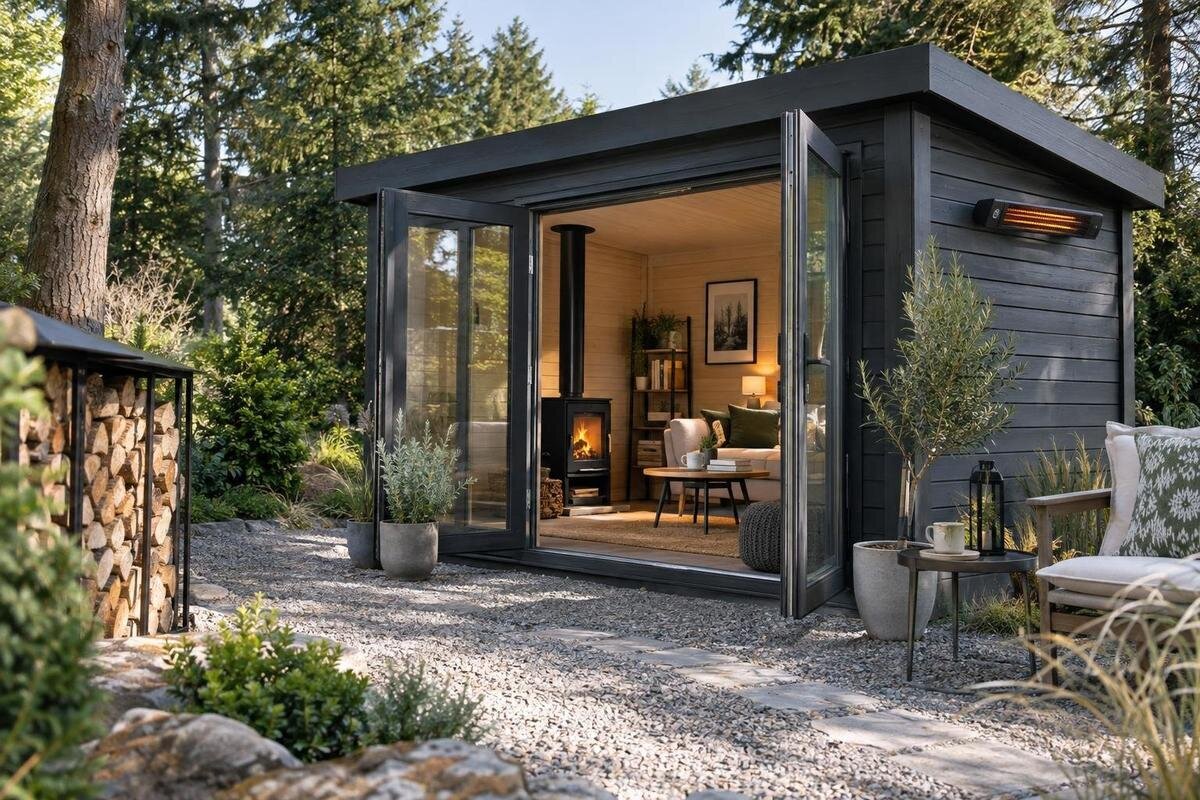
Garden shed planning
Heating a garden shed that you use only now and then is a different planning problem from keeping a room warm all day. The right choice depends on how long each visit lasts, how cold the building gets between visits, how well it holds heat and what power is available. A quick heat source may suit a short task, while longer sessions may justify improving the building envelope or considering a different system. This guide compares those factors so you can choose the shed and heating plan together, rather than buying a heater before checking the space.
Before you buy 1
Define the use before choosing a heater
Write down how often you expect to use the garden shed, the usual length of a visit and what you do there. A ten-minute job retrieving tools, a short hobby session and several hours at a workbench have different comfort needs, even if they happen in the same building. Note whether visits are planned or spontaneous and whether one person or several need warmth. If visits are seasonal, include the colder times you expect to use it rather than planning around a mild afternoon. This makes occasional use a real pattern, not a vague label. A brief task may not need every surface and all the air warmed; longer seated work usually calls for a more even environment.
Set a comfort goal in everyday terms: warm enough to concentrate, comfortable while moving around, or simply less cold than outdoors. Then decide what needs warming: a small work area, the whole shed, or both. Someone sitting still can feel cold even after the air has started to warm, while a person moving between shelves may value broader coverage. Also consider how often the door will be opened, since frequent entry can affect how comfortable the space feels. If the shed stores items with temperature limits, check their maker’s guidance separately; a comfortable room for people is not automatically suitable storage. These details help rule out heaters that solve the wrong problem.
Consider how quickly the shed needs to warm up
An occasional-use shed may have cooled fully since your last visit, so warm-up time matters alongside how comfortable it becomes later. Cold walls, floors and furnishings can continue to feel cool after the air starts warming. A heater that has a quick effect nearby may not make the whole room comfortable at the same pace; gaps, insulation, glazing and layout all affect the result. Compare how a heater feels on arrival with how it performs during a longer stay, rather than relying only on a headline power figure. That figure alone does not tell you how quickly a particular shed will feel warm.
If you need warmth as soon as you arrive, a responsive heat source or warmth directed at one occupied area may be more useful than heating the whole room for a short time. If you can arrive early, a planned warm-up could be convenient, but only when the heater’s instructions and controls allow that mode of operation. Do not treat a timer, app or remote control as permission to leave equipment running unattended. For a few typical visits, note how long it takes to reach acceptable comfort and how long you stay. That real pattern is more useful than guessing from a room’s name or a product title.
Before you buy 2
Check insulation and draughts before sizing the heater
Find out what insulation is included in the building and what is optional or would need to be added. Ask separately about the walls, roof, floor, doors and windows: an insulated wall does not establish that the other parts are insulated too. Look for gaps around openings and places where draughts can enter, but do not seal a shed so tightly that its needed ventilation is blocked. The floor matters when you stand or sit for a long time, and glazing can affect heat loss as well as daylight. Treat insulation and weather sealing as part of the heater decision, not an afterthought.
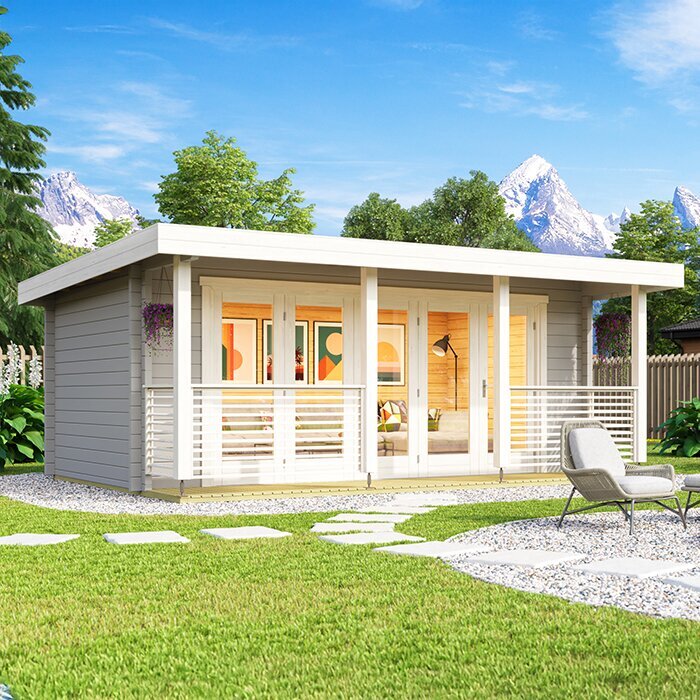
Use published product information rather than a model name to make this assessment. On the Verdana 1 listing, look for explicit details about insulation, the floor, roof, doors and windows; if a point is not stated, ask before assuming it is included. A product name or image cannot tell you the construction of every wall or whether a separate lining is provided. If you plan to add insulation later, check whether the work affects usable space, access or assembly, and ask the supplier or a suitable building professional about any practical implications. A heater chosen around unverified assumptions can leave you with a cold space or unnecessary expense.
Compare heating options with your visit pattern
Portable electric fan heaters can bring warmth into the immediate area quickly, though moving air and fan noise may not suit every task. Radiant electric heaters direct warmth towards people or objects in their path, so they may suit a defined seating or work spot; they do not make every part of a room equally warm. Panel or convector heaters warm the surrounding air and may suit a longer stay where broader coverage matters. A heat pump is another option to compare if use is more frequent or whole-room heating is wanted, but purchase and installation costs, controls and operating patterns need checking. These are different trade-offs, not a universal ranking.
Also consider what happens between visits: whether the heater will be stored away, fixed in position or used only while someone is present. A heater fuelled by gas or another combustible fuel raises separate questions about exhaust, moisture, ventilation and fire safety; use one only in the exact setting permitted by its manufacturer and follow the instructions. Equipment intended for outdoor use is not a substitute for an indoor heater. When assessing the building, the Verdana 2 product page is one listing to check for stated room dimensions, openings and insulation details before deciding which heating approach might fit. Confirm anything that is not clearly specified.
Before you buy 3
Check the power supply before settling on electric heating
Find out what electrical supply the chosen heater needs before relying on an existing power point. Note where the heater would sit, what else may be running at the same time and whether you are considering a fixed installation. The number of visible power points does not tell you whether a circuit can support a particular load. Avoid basing the plan on improvised wiring or a long run of leads; a lead is not a substitute for assessing the supply. A qualified electrician can check what is suitable and identify work to arrange before the shed is in use. If reliable power cannot be provided, that changes the shortlist and expected set-up cost.
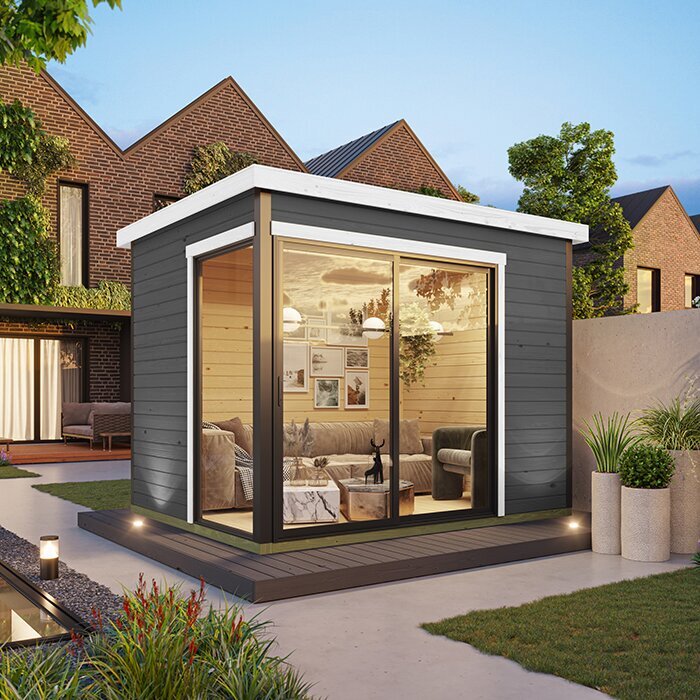
Coordinate the building and electrical plans rather than treating them as separate purchases. For a candidate such as the Durano product page, use only confirmed dimensions and opening positions when thinking about a power-point location or fixed heater; a page title cannot confirm how the site is wired. Ask what the shed package includes and whether wiring, lighting or power points are part of it, then confirm proposed electrical work with an electrician. The route from the existing supply, exposure to the weather and access for installation may affect what is practical. Do not assume a plug-in appliance is suitable simply because a power point is nearby.
Plan a safe position for the heater
Plan the heater’s position around the clearances in its instructions, not just around the nearest available corner. Keep the path to the door clear and allow room for normal activities, such as moving a chair, tools or garden supplies. A heater should not sit where it can be knocked over, covered by clothing or blocked by furniture; keep combustible items away as directed by the appliance manufacturer. Choose a stable, dry position, and make sure a fixed unit is installed as specified. Mark a proposed location on a simple layout before buying, then check whether the shed can accommodate it without making the space awkward to use.
Supervision is another part of the choice. Check whether the heater may be left on while you step out, whether a timer or thermostat is permitted, and what its instructions say about storage, cleaning and faults. A control feature does not remove the need to use the appliance as directed. Consider children, pets and stored materials when choosing between a portable or fixed arrangement. Before committing to the Veltor 1 product page as a building option, check any available room dimensions and opening positions, then see whether a safe heater location fits the confirmed layout. If relevant details are missing, ask the supplier rather than guessing.
Before you buy 4
Allow for ventilation and moisture
Heating and ventilation need to be considered together. Closing every gap may reduce draughts, but the shed still needs appropriate air exchange for the way it is used; opening a door or window can also let heat escape. People, damp coats and wet gardening equipment add moisture, which can settle on cold surfaces. Plan how the space will be aired after use and whether wet items will be brought inside, rather than assuming a heater will dry everything safely. If condensation appears, look for a moisture source and review ventilation and insulation instead of simply turning the heater higher.
Electric heating does not remove moisture from the room, and a fuel-burning appliance may bring additional ventilation and exhaust concerns. Check the manufacturer’s guidance for the exact appliance and setting; if requirements are unclear, get qualified advice rather than improvising ventilation. For any candidate building, including the Orello 1 listing, look for stated information about windows, vents and permitted use, then ask if the listing does not explain it. Do not infer an airflow path from an image or model name. This matters particularly when visits involve wet gear, several people or a heater intended to operate for a longer period.
Compare running costs with the full set-up cost
Estimate running use from the heater’s published power or energy-use information, the likely hours per visit, how often you expect to go there and your electricity tariff. A warm-up period can mean a short visit uses more energy per hour of comfortable time than you expect, while thermostat-controlled equipment may cycle rather than run continuously. Treat any estimate as a guide, not a promise of a bill: weather, insulation, controls and habits all affect use. If the rating or likely usage is uncertain, ask the retailer or an electrician how to interpret it. Compare a realistic cost per visit as well as an annual total.
Set-up costs include more than the heater: the building, any insulation or sealing work, electrical assessment or installation, and any base or assembly costs that apply. For the Modano 1 product page, separate any price and inclusions explicitly shown from costs you need to confirm elsewhere; do not assume heating equipment, insulation or wiring is part of the package. Ask which work is optional, which must be completed before use and who is responsible for it. A lower purchase figure may require more work later, while a higher figure is not automatically better value. Compare the complete arrangement with how often you expect to use it.
Before you buy 5
Check the site and ordering details
Before ordering, make sure the intended site can accommodate the building and the way it will be delivered and assembled. Measure the available area and consider access through gates, along paths and around existing structures; allow working space for assembly and for doors to open. Confirm the supplier’s stated base or ground requirements, and seek suitable building advice if site conditions are uncertain. A location close to power may be convenient, but it must still allow safe access and any necessary installation. This check can prevent ordering a shed that fits on paper but is difficult to place or use.
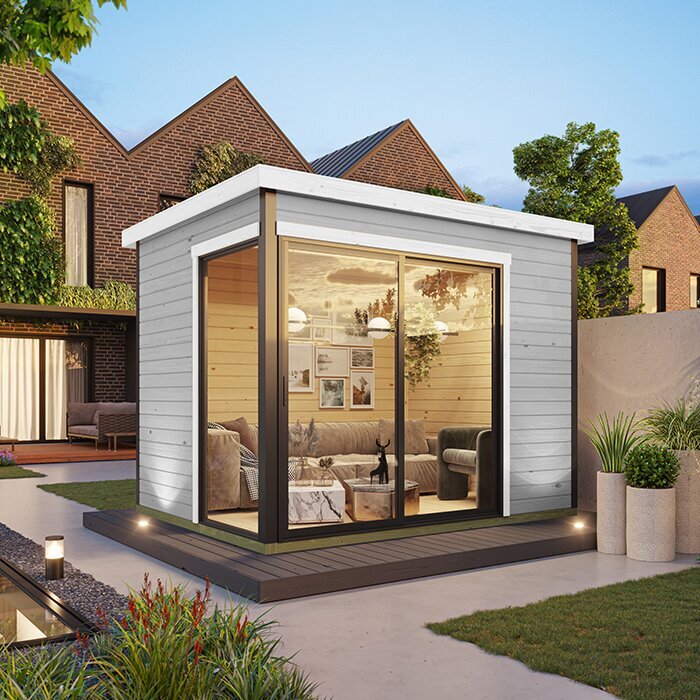
Read the actual ordering and assembly information for the Timber Garden Shed M listing before confirming a purchase. Verify what is included, whether a base or assembly is extra, what access or preparation is expected, and which product documents apply. If information is unclear, have the supplier confirm it in writing; a model name is not a specification. Arrange any electrical assessment or fixed-heater installation with qualified tradespeople at a suitable point in the project, once the final position and layout are known. Do not assume delivery, assembly or other terms beyond those stated for the particular order.
Use a shortlist to bring the decisions together
Put two or three possible sheds and heating plans in a simple comparison table. For each, record the confirmed internal space, construction and insulation details, openings, ventilation, heater type, power arrangements, purchase and set-up costs, and the visit pattern it needs to serve. Mark unknowns as questions instead of filling gaps with assumptions. With the Wooden Garden Shed S listing, for example, check the published information against the same criteria you use for every other option; the model label alone does not show its insulation or heating suitability. This makes differences visible and gives you a clear set of questions before ordering.
Choose the combination that meets your actual use with the fewest unresolved compromises. A brief visit focused on one work area may call for a different approach from several hours spent sitting in the shed; a draughty, uninsulated building may need attention before a heater can deliver the comfort you expect. If power, safe clearances, ventilation or installation requirements remain unclear, pause the heater decision until they are checked. You do not have to buy the shed and heater as one package, but planning them together helps avoid paying for a system that does not suit the space or the way you use it.
Frequently asked questions
What is the best heater for a garden shed used occasionally?
There is no single best option. For a brief visit focused on one area, consider whether localised warmth will be enough. For longer stays or a wider area, compare heaters that suit whole-room use. In every case, check the appliance instructions, power requirements and the shed’s insulation before choosing.
Should I insulate a garden shed before adding a heater?
First find out what insulation and draught sealing the building already has, including the roof, floor, walls and openings. If the shed loses heat quickly, improvements may be worth considering before buying a larger heater. Keep ventilation in mind too, and confirm which features are included rather than assuming.
Can I leave a shed heater running before I arrive?
Only do so if the heater’s instructions expressly allow the planned timer or unattended operation, and the installation is suitable. A remote control or timer does not by itself make unattended use appropriate. If the instructions are unclear, ask the manufacturer or a qualified professional.
How can I estimate the running cost?
Compare the heater’s published power or energy-use information with your likely hours of use, number of visits and electricity tariff. Treat the result as an estimate: warm-up time, insulation, weather and thermostat operation all affect actual use.
Do I need an electrician to heat a garden shed?
Ask a qualified electrician to assess the supply if you are considering fixed heating, adding power or using an existing circuit you are unsure about. The presence of a nearby power point does not confirm that it is suitable for a particular heater.
The useful choice is not simply the heater with the biggest headline figure. Treat the garden shed and its heating as one decision: confirm how well the room holds heat, what power is available and how quickly you need comfort, then compare the full set-up and likely pattern of use. That gives you a more realistic basis for choosing between warming one area, heating a wider space or improving the building before investing in a system.
