
Hot Tub Features Worth Paying For—and Which You May Not Need
Hot tub buying guide
An extra feature is worth paying for only if it improves the way you will actually use a spa pool. A longer list cannot tell you whether the controls suit your household, a jet arrangement matches your comfort preferences or lighting will be used often. Compare each function with a recurring need, then check what is included, what is optional and what evidence supports any performance claim. This guide offers a way to compare Cove 2, Haven 6, Fjord 8 and Aurora 10, rather than a ranking based on model specifications.
How you expect to use your hot tub
Begin with the occasions you can picture repeating: a quiet soak after work, shared time with family or friends, or use by people who prefer different settings. This is not a promise about exact frequency; it helps separate features that would support your ordinary routine from ones that might interest you only on the first few visits. Note who will use the hot tub and what matters to each person, such as straightforward operation, a particular kind of water movement or a calmer atmosphere. These are personal priorities, not universal requirements. If household preferences differ, record them separately rather than assuming everyone wants the same upgrade.
Then describe the moment when a feature would help. Would you adjust a control on most visits, use lighting regularly, or benefit from a filtration function that the specification clearly explains? A feature deserves consideration when you can name its likely use without building an imaginary routine around it. Ask what you would notice if the option were missing, and how often. A rare celebration may be a genuine priority, but it should be an intentional one. Also remember that digits in a model name are not proof of a particular seat count, capacity, layout or feature. Compare options against your planned use, not the impression created by a label.
Separate practical functions from personal preferences
A practical feature may make routine operation easier, simplify a repeated task or provide a clearly described function. A personal upgrade may change the look or feel, with value depending on individual taste. Neither kind is automatically worth more. A feature can be well documented and still be of little value to your household; a simple preference can matter if it shapes every visit. This distinction is more useful than relying on labels such as basic, premium or deluxe. A benefit may be real but marginal: easing a minor inconvenience for an occasional user is different from making a repeated task simpler for everyone.
Use three questions for each item: how often will you use it, who will benefit, and what does it change in practice? Then classify it as a need, a preferred comfort choice or an indulgence you can comfortably skip. Keep safety provisions and essential water-care functions outside that discretionary list; they are not a way to trim the price. When reviewing the Cove 2 product listing, keep your personal priorities beside the documented features rather than combining them into a single wish list. For example, a preference for simple operation is your requirement; the particular control offered is the product detail to assess against it. This distinction lets you compare different ways of meeting the same need without treating one advertised feature as the only possible solution.
Controls and everyday ease of use
Controls affect how you interact with a hot tub, so convenience depends on clarity as much as on the number of settings. If a current specification lists a touch panel, remote control, app or timer, ask exactly which functions it operates and whether it is included or optional. Don’t assume a digital feature offers a particular schedule, remote access or compatibility. A broad label such as smart control does not explain what you can do with it. Look for a plain-language description of the tasks, not a list of interface terms. Consider who will operate the controls and whether the layout will feel straightforward to them.
An upgrade may be worthwhile if several people will use its documented functions often, or if the simpler alternative makes routine adjustments awkward. It may add little if one straightforward setting suits the household and extra menus would rarely be opened. When reviewing the Haven 6 product page, compare the standard controls with any listed alternatives by following the same imagined task from beginning to end. Identify what you would select, what you would adjust and how you would know the change had been made. Check what remains available through the main control if an optional app or remote is not used, and whether the function depends on another component. The useful comparison is the effort involved in an ordinary adjustment, rather than how many interfaces appear on the feature list.
Jet placement, adjustment and comfort
Jet count alone is a poor shortcut for comfort. The number does not tell you where jets are placed, whether their direction or intensity can be adjusted, or whether the resulting sensation suits the people who will use the spa pool. Those details should come from an accurate specification or, if available, a demonstration of the actual configuration—not from a larger number or broad massage language. If people have different preferences, look for evidence of the available adjustments rather than assuming a control or option exists. Comfort is subjective, so a feature that appeals to one user may not matter to another.
Paying extra can make sense when a documented jet configuration matches a consistent preference and the added function is clearly different from the standard arrangement. It is harder to justify when the only stated advantage is more jets, or nobody can explain what the upgrade changes. When considering the Fjord 8 model listing, separate the configuration you want from the headline count. If you prefer gentle water movement, for example, your question is whether the documented arrangement can provide the adjustment you want, not whether it has the largest number. Give each regular user a chance to describe their preference rather than averaging everyone’s wishes into one vague request for comfort. Treat any promise of health or therapeutic benefit separately; don’t choose a hot tub on an unsupported health claim.
Lighting and atmosphere
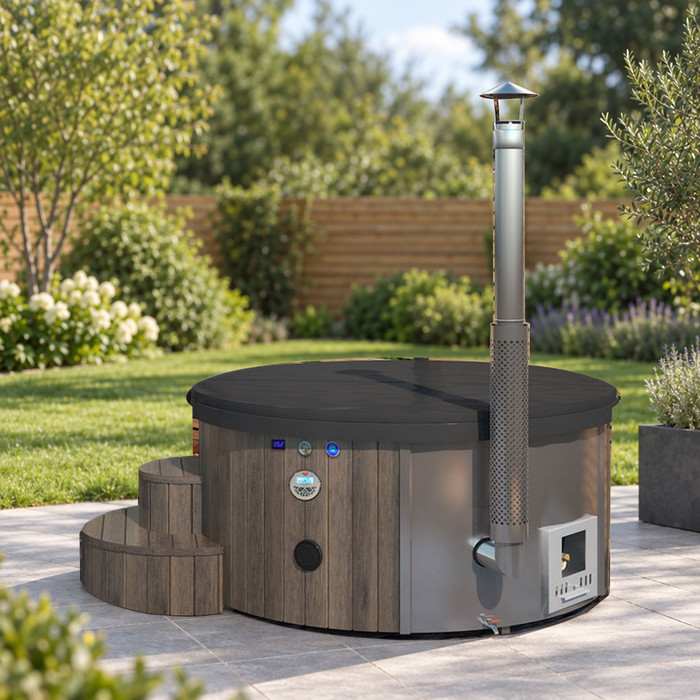
Lighting is often about atmosphere, but the term can describe different features. A listing might specify interior, exterior, coloured or adjustable lighting; unless the exact option is documented, don’t assume its location, colour choices or controls. Ask whether it creates the look you want, whether it can be adjusted as described and whether it is standard or an extra. Product photography can help you picture the appearance, but it cannot confirm the lighting equipment or its settings. Think about when you expect to use the spa pool and whether the stated lighting would make those occasions more enjoyable.
If a particular ambience will improve many of your usual visits, a documented lighting option may be a worthwhile personal upgrade. If you prefer a plain appearance, mostly use the tub in daylight or rarely change decorative lighting elsewhere at home, the extra may add little. When reading Aurora 10’s product listing, identify the lighting effect you would actually choose rather than valuing every available mode equally. A household that wants one consistent look has a different priority from someone who enjoys changing colours or effects. Ask what the upgrade adds beyond the standard lighting and whether that difference is what appeals to you. Decorative lighting remains a personal choice, not a substitute for safety provisions.
Filtration and water-care features need clear evidence
Filtration and water-care descriptions deserve a different test from decorative options. Don’t assume an add-on replaces the system or care process required for the product; first establish what the standard arrangement is and what the optional feature actually changes. A phrase such as enhanced filtration should be backed by an exact description of the function and evidence for any performance claim. If the effect remains unclear, there is no sound basis for paying more. Keep the distinction between an essential water-care function and an optional convenience feature clear when comparing configurations.
Ask whether an option automates a task, changes the filtration approach or adds a separate monitoring function. Those are different benefits and should not be bundled under a broad label. For Bloomcabin Hot Tub Cove 2, as for any shortlisted model, compare the standard arrangement with the proposed option before judging the extra’s value. Describe the difference in ordinary terms: what would you do differently, what information would you receive, or what documented performance would change? This is a feature-value comparison, not a reason to assume that care tasks disappear. Note the source and date of each description so you are not comparing an old page with a different configuration. If the option’s benefit cannot be separated from the baseline system, leave its value undecided.
Convenience features for shared use
A convenience feature should make sense to the people who will actually operate it. In a shared household, consider whether everyone will use the function or whether one person would need to manage it for the others. Ask each regular user to describe how they would complete the relevant task using the documented controls or option. This is a practical way to distinguish an improvement everyone understands from an extra that only its keenest supporter values. It also separates the appeal of trying something new from the benefit of using it repeatedly. Use the product description to establish the available functions and restrictions rather than assuming every option in a general brochure applies to every configuration.
When assessing Bloomcabin Hot Tub Haven 6, consider a normal visit by each intended user, not just the person choosing the model. Would the proposed option make a familiar task easier for that person, or introduce a choice they would rather avoid? If it is useful to all intended users on most visits and its operation is clear, paying extra may be reasonable. If only one person values it, that can still be a valid preference, but agree how much weight it should carry in the purchase. An occasional pleasure does not have to be ruled out; it simply belongs in a different category from an everyday convenience. Check any dependency on another feature before deciding that the option offers the simplicity you want.
When an upgrade adds little value
An upgrade may add little when its appeal comes mainly from novelty, a premium label or the idea that more choice is automatically better. Count how often you will use the function, not how many lines it adds to a product page. A feature you cannot explain in your own words is hard to value; ask what changes in operation or experience compared with the standard configuration. If the answer remains broad, treat its benefit as unproven rather than filling the gap with optimistic assumptions. A longer list is not evidence that a model better suits your routine.
Look for overlap, too. Two options may appear to solve the same inconvenience, or one may depend on an item you do not plan to choose; check the documented compatibility before comparing the additional cost. Apply this test when reviewing Bloomcabin Hot Tub Fjord 8: would removing one discretionary option leave your main priorities satisfied? If so, decide whether the remaining difference is worth paying for in its own right. This helps distinguish a useful combination from a collection of extras chosen because they were presented together. When the benefit is small, limited to a rare occasion or described only with an unsupported performance phrase, skipping it is sensible. That judgement concerns the feature’s value to you, not the model’s overall quality.
Compare Cove 2, Haven 6, Fjord 8 and Aurora 10
Use the same rows for all four models: controls, jet configuration, lighting, filtration or water-care functions, and any other option you are considering. For every row, write the exact feature, whether it is standard, optional, unavailable or not stated, and what source confirms it. Mark unknown information as unknown; a blank is not evidence that a function is present or absent. The available product records identify Cove 2, Haven 6, Fjord 8 and Aurora 10, but provide no feature details, option compatibility or evidence for performance claims. Your comparison therefore needs those details before it can support a model-by-model feature ranking.
Don’t read the digits in model names as seating or capacity specifications, or infer jets, controls or lighting from a photograph. Once you have current New Zealand documentation for each exact configuration, compare only the functions that matter to your list. Include Bloomcabin Hot Tub Aurora 10 on the same basis as the other three models, using the same priorities rather than changing your criteria to favour a longer feature list. Where one model combines several extras, distinguish the one you want from the others that happen to come with it. Consider any higher price against the confirmed additional functions you value and how often you expect to use them. Leave unimportant differences visible in the comparison, but don’t let them decide the result.
What to confirm before paying extra
Get a clear description of the upgrade for the exact model and configuration you are considering. Confirm its function, whether it is standard or optional, which other options it needs, and whether the performance claim has evidence beyond a label. Check current New Zealand specifications rather than relying on an old screenshot, image, model number or general brochure. If a detail is missing or ambiguous, ask for it to be clarified before treating the upgrade as part of your comparison. This is especially important when two descriptions use similar names for different functions.
Then check that the choice matches your priorities: a recurring practical benefit or a preference you know you enjoy, not a feature bought because it appears on a checklist. Keep safety provisions and essential water-care requirements separate from optional comfort or ambience upgrades. If an option cannot be described precisely or its compatibility is unknown, don’t guess. Mark it unresolved and choose among features you can verify, or wait until the relevant information is available. The best-value configuration need not have the most extras; it is the one whose documented functions matter to you.
Frequently asked questions
Are more jets always worth paying for?
No. A count alone does not describe placement, adjustability or the sensation produced. Compare the documented configuration with your comfort preferences, and ask for evidence behind any performance claim. More jets do not, by themselves, establish a better fit or a health benefit.
Is an app or remote control upgrade worth it?
It can be useful if it operates functions you expect to use regularly and makes them easier to manage. Before paying extra, confirm exactly what it controls, whether it is optional and what other components or conditions it depends on. Don’t assume a label such as smart control tells you what it does.
Should I pay extra for lighting?
That depends on whether the documented lighting suits the atmosphere you want and how often you expect to use it. Ask what type of lighting is included and what the upgrade changes. Treat decorative lighting as a personal preference, not as a substitute for safety provisions.
Is filtration an optional extra?
Don’t assume that an advertised filtration upgrade replaces the system or water-care process required for a spa pool. First confirm the standard arrangement, then ask what the option changes and what evidence supports any performance claim. Essential water-care and safety provisions should not be treated as discretionary extras.
Can model numbers tell me a hot tub’s capacity or features?
No. Model names and numbers identify a product; they do not prove its seating capacity, controls, jets, lighting or other specifications. Check current documentation for the exact model and configuration, and mark anything not stated as unknown rather than guessing.
The best-value choice is not automatically the hot tub with the longest feature list. It is the model whose documented functions address the way you expect to use it. Treat each upgrade as a specific benefit to weigh against your routine, keep safety and essential water-care provisions out of the optional tally, and pay extra only for comfort or convenience you can explain and expect to use.
