
Hot Tubs in Warmer Weather: Shade, Covers and Water Care
Seasonal planning
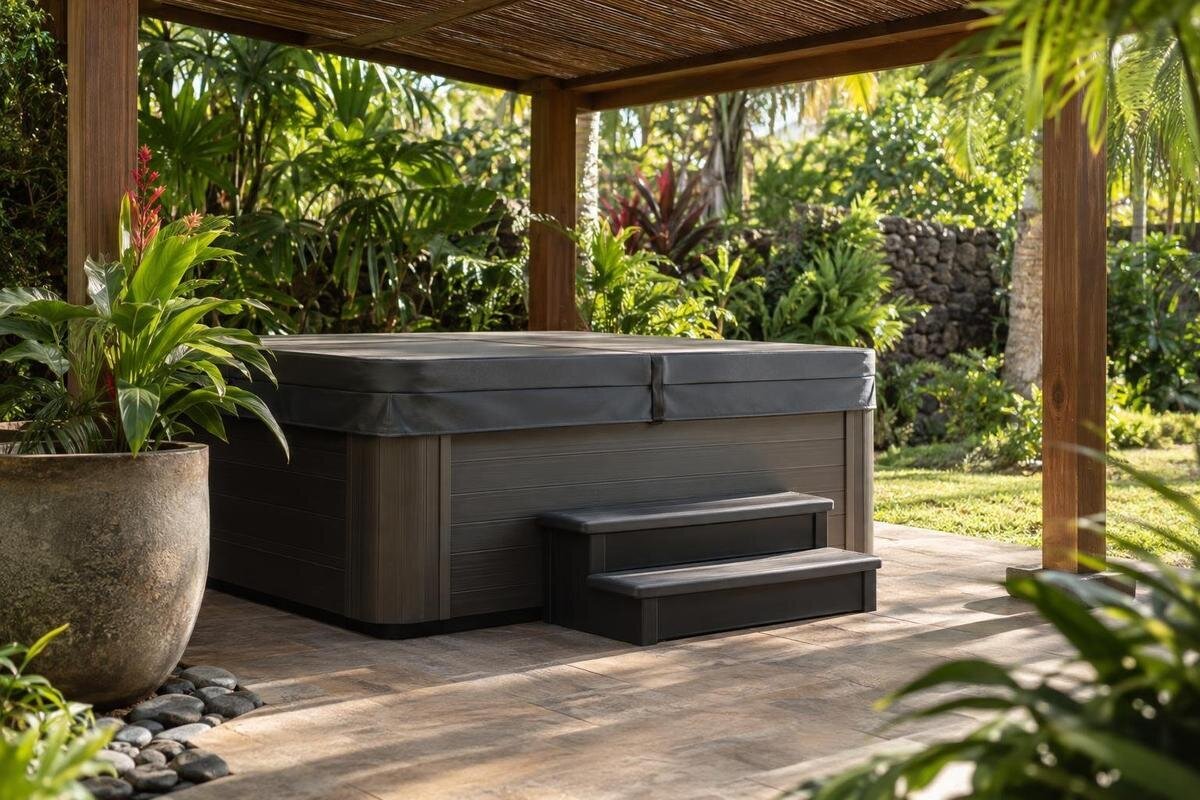
Warmer weather can change when an outdoor hot tub feels inviting and how a sunny or sheltered position works, but it does not create one set of conditions across New Zealand. Weather varies between locations and seasons, and a single property can receive very different sun in the morning and late afternoon. Whether you already own a tub or are planning to buy one, focus on the conditions at your site: when you expect to bathe, where the sun falls then, how shade affects access and cover use, and what the exact model’s manufacturer says about operating conditions and water care.
01
Plan around your local weather and bathing times
Plan for the conditions at your own property rather than assuming a New Zealand summer is consistently hot. Sun, wind, shelter and seasonal weather vary from site to site, and even one garden can feel quite different at lunchtime and after sunset. The useful question is not simply whether an outdoor hot tub can be used in warmer weather. It is whether the location, the hours you expect to bathe and the care routine for the chosen model fit together. A sunny afternoon and a cooler evening may call for different expectations from the same outdoor setting. Owners can revisit these questions as conditions shift; prospective buyers can raise them before deciding where a tub could go.
Write down likely bathing windows, such as after work, during the day at weekends or in the evening, and consider more than one season. A spot that is pleasant in spring may receive a different pattern of sun later in the year; one shaded around lunchtime might be exposed in the late afternoon. Include whether you expect to use the tub during warm spells, cooler evenings or both, since the same setting needs to work for the times you actually choose. This outline is a planning aid, not a promise about future weather or a reason to change the maker’s operating guidance. It also stops one unusually warm afternoon from becoming the basis for a year-round decision.
Map sunlight at your likely bathing times
Visit the proposed position at the times you are most likely to bathe. Record whether the whole footprint, or only part of it, is in direct sun, and note when a building, tree, fence or landform begins to shade it. A few phone photos taken from the same viewpoint, paired with the time, can be more useful than trying to remember the afternoon later. Check the route to the tub as well as the water area: an exposed path or nearby place to sit may matter to comfort even when the tub itself is shaded. If your first visit is unusually cloudy, repeat the observation on a clearer day.
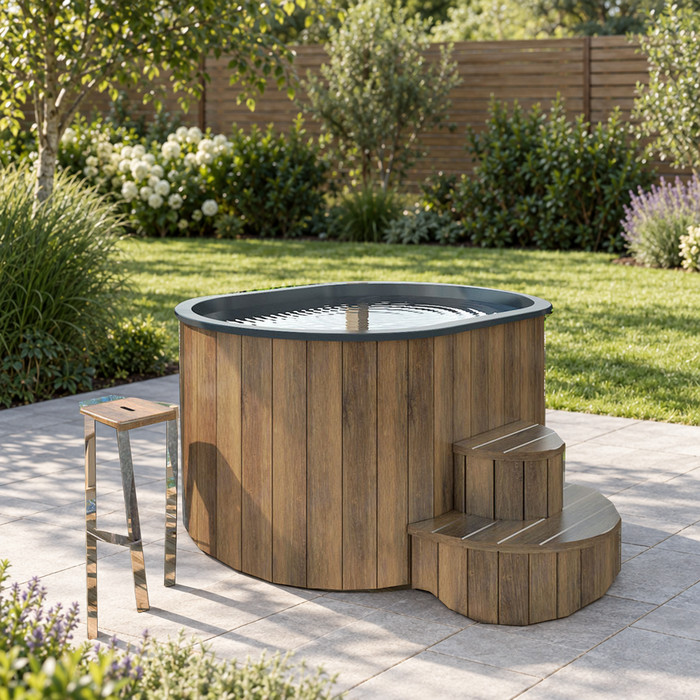
Sun patterns change with the season and the growth of nearby trees, so one visit cannot represent the whole year. Keep a basic sun map for the intended bathing periods, marking shade over the tub, the cover’s resting area and the entry route. If your shortlist includes Bloomcabin Hot Tub Cove 2, keep product identity separate from site assessment: its catalogue name cannot show how sunny a particular corner of your property will be. Site observations and verified product details answer different questions, and you need both before fixing the layout.
02
Decide how much direct sun suits the site
Direct sun is a question of comfort and exposure, not a dependable way to set water temperature. Sunlight can warm exposed surfaces and may affect how the bathing area feels, but the result varies with the time, weather, shade and the rest of the setup. Do not plan on sunlight keeping water at a chosen temperature, or assume that shade alone will make it comfortable. Think about glare, how long the area is exposed and whether the spot will still suit you as the sun moves. Use the manufacturer’s instructions for operating conditions and any adjustments; do not improvise settings to compensate for a sunny position.
A visit around your likely bathing time can tell you more than looking at the garden at midday. Stand where the tub and access route are proposed, and consider whether you would prefer an open sky, filtered light or overhead shade. When reviewing Bloomcabin Hot Tub Haven 6, treat the model name and product image as identification, not evidence of how it will respond to a particular site’s sunshine. Ask the seller for documented model details and operating guidance, then weigh those against your own observations. A shade choice should respond to the place and your routine, not an assumption about the model.
Choose shade that works with the whole layout
Existing eaves, established trees, a freestanding umbrella, a canopy or a shade sail can all change how much sun reaches a spot, but no option suits every layout. Check where each casts shade at the hours you expect to bathe, rather than judging by its position at one time of day. A fixed structure may shade the tub in the afternoon but leave the route exposed, while a movable option may offer flexibility as the sun shifts. Trees can also change their shade over the year. Note what is already on the site and how its shadow falls before choosing an additional feature.
Before settling on permanent or portable shade, get the actual tub footprint and the manufacturer’s information on required clearances and access. For a model such as Bloomcabin Hot Tub Fjord 8, request those details rather than using the name or a product photograph to plan the surrounding layout. Ask a suitable installer to confirm that a proposed shade arrangement works for the exact installation, without blocking access needed for the tub. Do not assume a garden canopy or other structure is approved for use with a particular model; verify compatibility for the site and equipment.
03
Keep the route and service access clear
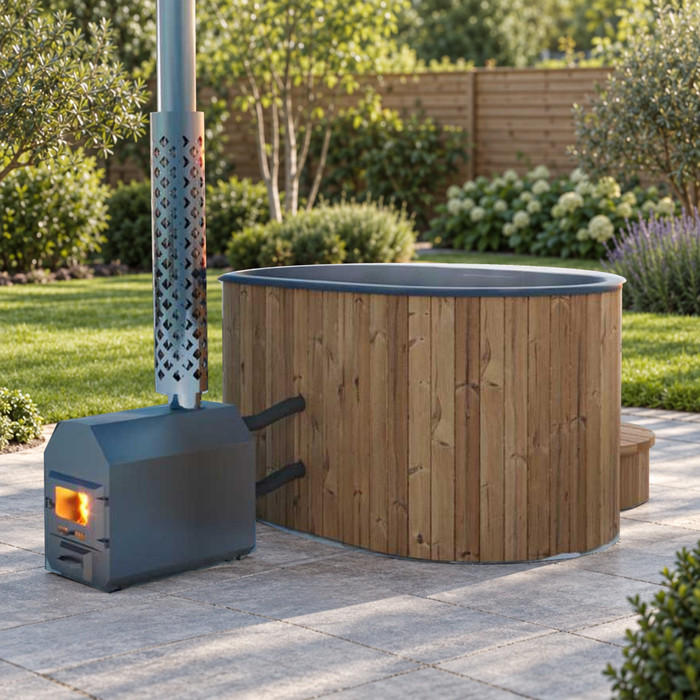
Once you have verified the dimensions, mark the proposed footprint on the ground. Add the route you will use to reach the tub and the space needed to move its cover as described by the maker. This can expose a practical problem early: a tub may fit in a sunny corner on paper, yet leave too little room to pass comfortably or handle the cover. Consider where furniture, planters and shade supports will sit, and whether they narrow the approach at the times you plan to use the tub. Base the sketch on confirmed measurements, not a rough estimate from a product photo.
Also check that shade posts, screens or planting will not obstruct the model’s controls or any service points. The required access can differ by product, so ask the supplier or installer what needs to remain reachable rather than guessing from the outside. If you are assessing Bloomcabin Hot Tub Aurora 10, request its actual footprint and access information before deciding where shade or furniture can go. A layout that works in daylight should still leave a clear, practical route when you are using the tub later in the day. Keep the plan focused on access as well as sun.
Use the cover according to the model’s instructions
Warm weather is not a universal instruction to leave a cover off, keep it on or change how the hot tub operates. Find the guidance for the exact model and check how the cover should be positioned during normal operation, between bathing sessions and whenever the tub is not in use. Look for any model-specific advice about unusually warm conditions or operating limits. If the manual does not answer a question, ask the manufacturer or supplier before changing your routine. Avoid copying a procedure intended for another model; similar-looking covers or tubs do not establish that the instructions are interchangeable.
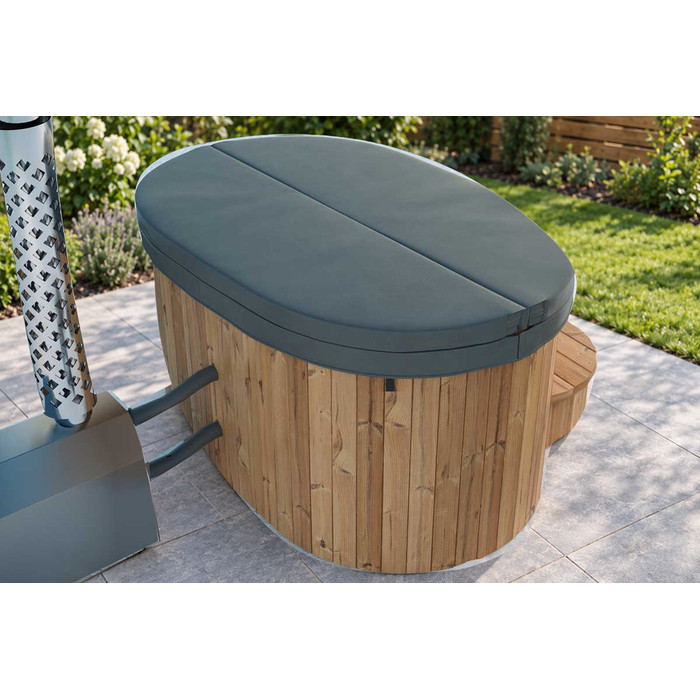
For the Cove 2 listing, confirm what equipment is included rather than assuming a cover comes with the tub. Ask which cover, if supplied, is intended for that model and request its use and handling instructions. A product photograph cannot confirm what is included or how the cover should be operated. If you already own the tub, check the model information on your documents before following advice found online. The point is not to make a cover choice based on the weather alone, but to use the cover as its manufacturer specifies for that particular setup.
04
Check how shade interacts with cover handling
Shade planning should account for the tub both covered and uncovered. The sun moves, so a covered tub may be shaded while the place where the cover rests during bathing is exposed, or the reverse may be true. Note both positions on your sun map. Before choosing a shade arrangement, work out where the cover moves and whether that path remains clear. Do not assume that shade over the water also protects the cover, or that a cover can be left in any position without affecting the way the equipment is used. Follow the instructions for the exact cover and tub.
If you are looking at the Haven 6 product page, use it as a starting point for questions, not as proof that a particular cover or handling accessory is included. Ask the seller what is supplied, whether any cover-handling accessory is available for that exact model and whether it suits the planned layout. Confirm how the cover is meant to be moved and where it can be placed during bathing. These details matter when shade supports or other garden features are close to the tub; they should be settled before the layout is fixed.
Get water-care advice for the exact model
Do not apply a generic summer treatment schedule or assume that warmer weather always requires the same change. Water-care instructions depend on the guidance for the exact model and its fitted equipment. When asking the manufacturer or supplier for advice, describe the site conditions you have observed, including direct sun, the usual bathing times and how often the tub is used. Ask whether the maker recommends any change to testing or care in those conditions, and which instructions apply. Do not change treatment amounts, products or timing on the basis of a general online tip; use the model-specific directions.
If you are considering the Fjord 8, request the current water-care guidance that applies to it and ask where to find the instructions after purchase. Check what the maker says about testing, permitted products and what to do if a result is outside its stated guidance. Keep any advice tied to the exact system rather than assuming that another tub uses the same routine. If the supplied instructions do not address your question about sun or warm conditions, ask the manufacturer or supplier for clarification instead of creating a new schedule.
05
Record seasonal changes rather than guessing
A simple record can help you see whether a change in weather coincides with a different bathing routine or water-care result. Note the date, the conditions at the tub, how much sun the area received and whether the cover was used as directed. Record water checks and any actions taken according to the maker’s instructions, without adding your own treatment rules. This is not a substitute for the prescribed testing method; it is a way to keep useful context together. If the same question returns during a warmer spell, the notes can help you explain the situation clearly when seeking model-specific advice.
When the tub is uncovered, the surrounding environment can also affect what reaches the water. Wind may carry leaves, pollen or dust into the area, while weather can change quickly even after a sunny period. Use the cover as instructed and follow the manufacturer’s directions if you notice a change in the water. Do not judge water care by appearance alone or respond with an unverified treatment. If the manual does not explain what to do in the circumstances you are seeing, contact the supplier or manufacturer for advice that applies to your model.
Confirm the details before choosing a hot tub
Before committing to a model, ask for the current local product information and the manufacturer’s instructions. Confirm the actual dimensions, what equipment is included, whether a cover is supplied, and what space is needed to use it. Ask about the model’s operating guidance for your expected site conditions, the required access around the tub and the water-care instructions. If you are considering shade or another accessory, ask whether it is available and compatible with the exact model and layout. These questions help you distinguish verified features from assumptions based on names, photographs or general advice.
For the Aurora 10 listing, confirm the model’s details directly with the seller rather than reading a number in the name as a seating or capacity specification. Use the same checks for every model you compare, and keep the site assessment separate from product claims: your sunlight observations describe your property, while the manufacturer’s documents describe the tub. When both are clear, you can judge whether the proposed shade, cover routine and water-care guidance suit the way you expect to use the hot tub.
Frequently asked questions
Can I leave the cover off on a hot day?
There is no single cover rule that applies to every model. Follow the instructions for your exact hot tub, including when to fit or remove the cover during normal use and operation. If they do not address unusually warm conditions, ask the manufacturer or supplier rather than guessing.
Will shade keep the water cooler?
Shade reduces direct sun on the area it covers, but it cannot guarantee a particular water temperature. Sun, weather and the hot tub’s own setup all matter. Treat shade as a way to manage exposure and comfort, not as a temperature control.
Does every hot tub come with a cover?
Do not assume that it does. Check the current local product details and ask the seller to confirm what is included, which cover is intended for the model and how it should be used.
Do I need a different water-care routine in summer?
Do not apply a generic summer schedule or change treatment amounts by guesswork. Ask for the water-care instructions for the exact model and whether the maker advises any changes for your site conditions or pattern of use.
How should I check sun exposure at my property?
Observe the proposed spot at the times you expect to bathe, noting shadows over the tub, cover area and access route. Repeat the check at different times of year; one visit cannot show the full seasonal pattern.
A practical warm-weather setup is less about eliminating sunshine than matching the site to the way you will use the tub. Observe when sun reaches the water, cover area and access route; decide on shade only after checking the full layout; and follow the exact model’s instructions for the cover and water care. That approach leaves room for New Zealand’s changing local conditions without relying on a one-size-fits-all summer rule.
