
How Long Does a Hot Tub Take to Heat Up?
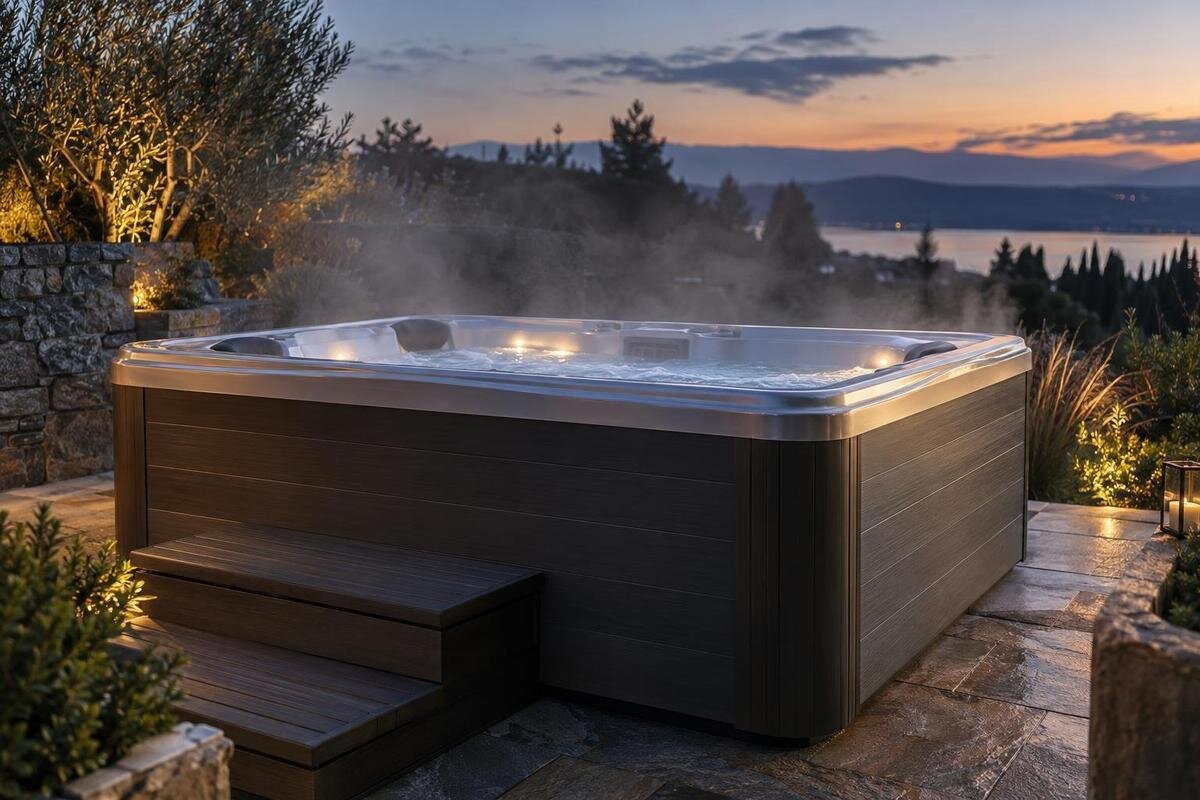
Hot tub heating guide
Hot tub heat-up time depends on the exact model and the conditions, not just the heater. Starting water temperature, fill volume, outdoor heat loss and the assumptions behind a published figure all matter. A generic number can therefore be misleading. To plan a soak, match manufacturer guidance to your actual starting point and ask for model-specific data where it is missing.
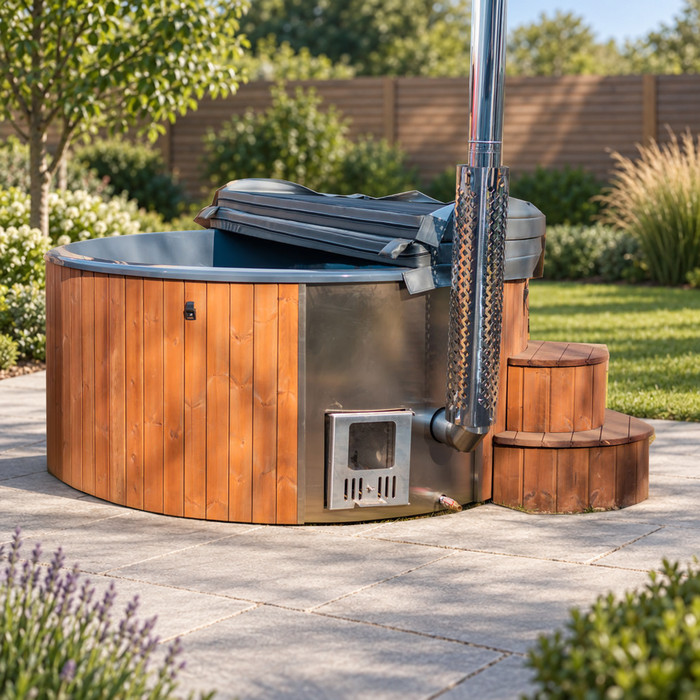
Why there is no single hot tub heat-up time
Hot tub heat-up times are conditional, not universal. A figure quoted for one model or test may assume a particular starting water temperature, fill level, target temperature, outdoor air temperature and cover arrangement. Change any of those and the result can shift. A test in mild, sheltered conditions will not necessarily describe an exposed site on a cooler, windy evening. The clock might also start after filling, rather than include time spent filling the tub, or refer to one exact model configuration. Unless the figure explains these boundaries, it is too vague to use as a schedule for a planned soak.
Treat a published duration as a reference for its stated setup, not a promise for every owner. Even the same model can take a different amount of time when the incoming water is colder, the fill is larger or outdoor conditions draw away more heat. A figure for a different configuration may not apply to the version you are considering, and generic estimates from other hot tubs are weaker still. Ask which exact model and conditions the number refers to. If those details are missing, don’t create a precise answer by guessing; request a model-specific estimate instead.
Starting water temperature determines how much heating is needed
The most useful starting fact is the water’s actual temperature when heating begins. Water that starts closer to the selected target needs less heating than colder water, all else being equal. This is why owners can report different heat-up times for the same model without either account being wrong. A manufacturer’s published figure may assume a particular starting temperature, so check that assumption rather than treating the duration as a universal baseline. Outdoor air temperature matters to heat loss, but it does not tell you the temperature of the water in a filled tub. Use the reading method described in the operating instructions.
The target matters as well: a figure for one target cannot automatically be used for another. Choose a target within the manufacturer’s guidance, then compare it with the stated end temperature for any published heating time. If water has been sitting in the tub before heating starts, check its actual temperature rather than relying on the weather forecast or the time since filling. The estimate may also count from the moment the heater is switched on, not from the beginning of filling or setup. Clarify that point before planning around a stated duration.
Water volume and heater output work together
Water volume and heater performance need to be considered together. For the same temperature rise, a larger quantity of water generally takes longer to heat than a smaller quantity, while useful heater output influences the pace. The relevant volume is the amount at the manufacturer’s stated fill level, not the tub’s outer size or a number in its product name. When considering Bloomcabin Hot Tub Cove 2, ask for the operating water volume and the heating information for that same fill level. Keep those details together in your comparison notes: a heating figure based on one volume should not be paired with a capacity quoted for a different purpose. If the listing gives several volume figures, ask which one applies to the published heating result. This helps you understand what quantity of water the estimate actually covers without making assumptions from the model name.
Look for a manufacturer-stated heating time or temperature-rise rate for the exact model and configuration. A heater’s headline or input rating, if provided, is not by itself a promise of how quickly it will warm the water. The figure may not describe heat delivered to the water, and it does not account for volume or heat lost outdoors. Avoid converting a power rating into hours yourself. When comparing information, check that the output and water-volume figures refer to the same model version, and that the heating claim identifies the conditions under which it was measured.
Outdoor conditions and heat retention affect the estimate
An outdoor tub loses heat to its surroundings while it is warming. The air temperature, wind exposure and how sheltered the site is can all affect how closely your experience matches a manufacturer’s test. Rain and other changes in the weather may also make a test result less applicable. Conditions can vary around New Zealand and between sites, so a figure measured in a controlled or protected setting should not be treated as a guaranteed time for every garden. When asking for an estimate, describe the conditions where the tub will be used rather than relying on a general seasonal label.
The cover arrangement matters because it can change heat loss, but use only the cover and heating procedure specified for your exact model. Check whether the manufacturer permits the cover to remain on while heating and whether the published figure assumes it is on or off. Opening the tub, adding cooler water or interrupting heating can also change the time. If you are considering Bloomcabin Hot Tub Haven 6, describe your proposed location when asking how a quoted estimate applies. Mention whether the area is open to the wind or sheltered, and ask which conditions the estimate assumes. Keep the cover arrangement alongside the weather details in your notes, so you can distinguish a comparable test from one carried out in a substantially different setting.
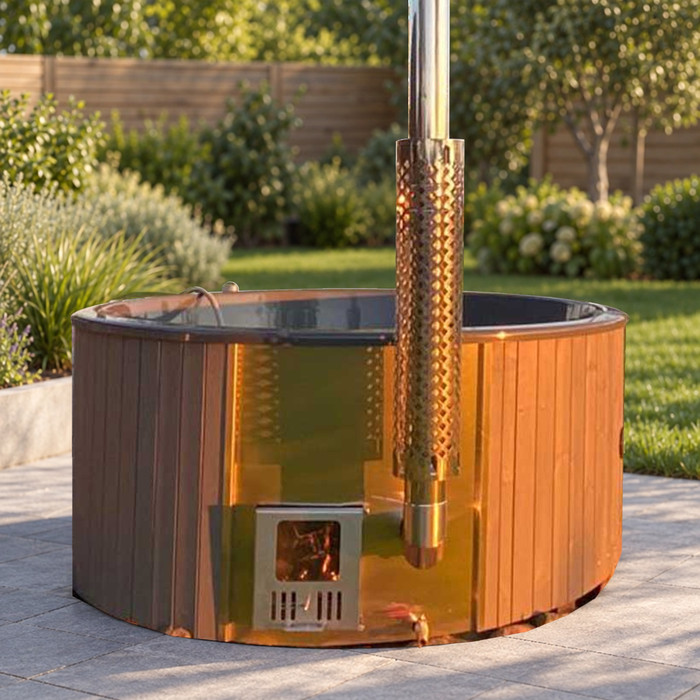
Heating a fresh fill versus reheating existing water
A fresh fill and a reheat should not be treated as the same job. Fresh water may start at a lower or higher temperature depending on its source and conditions, while water already in the tub may still be warm or may have cooled. For the same tub and target, water that is already closer to the target needs less heating than water that starts further away. The label fresh fill does not supply the missing temperature information: check the actual starting point and the quantity of water being heated.
If the manufacturer provides separate guidance for a full fill, a top-up or reheating water already in the tub, use the figure that matches your situation. When asking about Bloomcabin Hot Tub Fjord 8, explain which of these you expect to do most often. For example, planning a soak after refilling calls for different information from planning one when the water is already close to the target. Ask for the starting temperature behind each estimate rather than accepting the labels ‘fresh fill’ and ‘reheat’ as complete descriptions. Don’t assume a model can maintain water at a chosen temperature, or that its controls work a particular way, without checking the instructions. Follow the manufacturer’s separate water-care and operating guidance before bathing; reaching a temperature is not the only possible readiness check.
How to read a manufacturer’s heat-up figure
A useful manufacturer figure identifies the exact model and states the conditions behind the claim. Check for the starting and target water temperatures, fill amount, outdoor temperature, cover use and how heating was operated. For Bloomcabin Hot Tub Aurora 10, request the relevant manufacturer information or a supplier explanation that includes those details. Read the qualifying text beside the headline figure, including any table headings or notes: that is where the scope of an estimate may be explained. Keep the conditions with the figure when saving it for later, rather than copying only the number of hours. Also distinguish a measured test result from an estimate supplied for your proposed use. Both need context, but they describe different things. If the wording does not make that distinction clear, ask what the figure represents before using it to plan a session.
A published temperature-rise rate can help with planning when its units and test conditions are clear. Check whether it describes an average, a particular part of the heating process or a result under fixed conditions; don’t assume it will remain unchanged in every situation. A stated duration also needs a start point: it may begin once the tub is full and heating, rather than include preparation. If the instructions do not cover your starting temperature or use pattern, ask the manufacturer or supplier how to interpret the figure. Treat any estimate as conditional, not an exact appointment time.
Planning heat-up time for an evening soak
For a planned evening soak, work back from the time you want the water to be ready, using a model-specific estimate that matches your starting temperature and conditions. If you are reviewing the Cove 2 product listing, consider whether the confirmed heating routine would fit the time you normally have available before an evening session. Separate filling and preparation from the heating interval if the published figure excludes them. Otherwise, a heating estimate can look as though it covers the whole wait when it describes only part of it. Leave a margin for changes in weather, setup and actual performance rather than scheduling right up against the quoted duration. There is no universal margin to add: use relevant guidance and your experience of the tub. Check the water as directed by the manufacturer instead of relying only on elapsed time.
If short-notice use matters, ask how the tub is intended to be operated between sessions and whether the manufacturer provides guidance for maintaining water temperature or reheating it after a period of cooling. Water that has been kept near the target is a different starting point from a fresh, cooler fill, so the two timelines should not be confused. A broad claim that a tub heats quickly does not show whether it suits spontaneous use. Compare the documented routine with your own plans, including how often you expect to fill, reheat or wait for the water to reach the selected target.
Questions to ask the supplier about timing
When contacting a supplier, identify the exact model and describe the situation you need to plan for: a full fill or a reheat, the approximate starting water temperature, the intended target and the site’s usual outdoor conditions. You can refer to the Haven 6 catalogue entry to make clear which product your enquiry concerns. State any details you do not yet know rather than filling the gaps with assumptions. Ask whether the manufacturer publishes a heat-up duration or rise rate, and what fill volume, cover arrangement and operating conditions it assumes. It also helps to explain your timing requirement directly: for example, whether you want to heat after work for that evening or can prepare earlier in the day. That gives the supplier a specific routine to discuss, rather than an open-ended request for the fastest possible heating time.
Follow up if the answer is simply a number without context. Ask whether the clock starts after the tub is full, whether the estimate is for uninterrupted heating and whether it applies to the exact version being quoted. If the supplier has only a range, ask what conditions move the result towards either end. You can then compare like with like across models: a fresh-fill estimate should not be set beside a warm-start estimate as though they describe the same task. If no relevant figure is available, record that uncertainty instead of borrowing a duration from another tub.
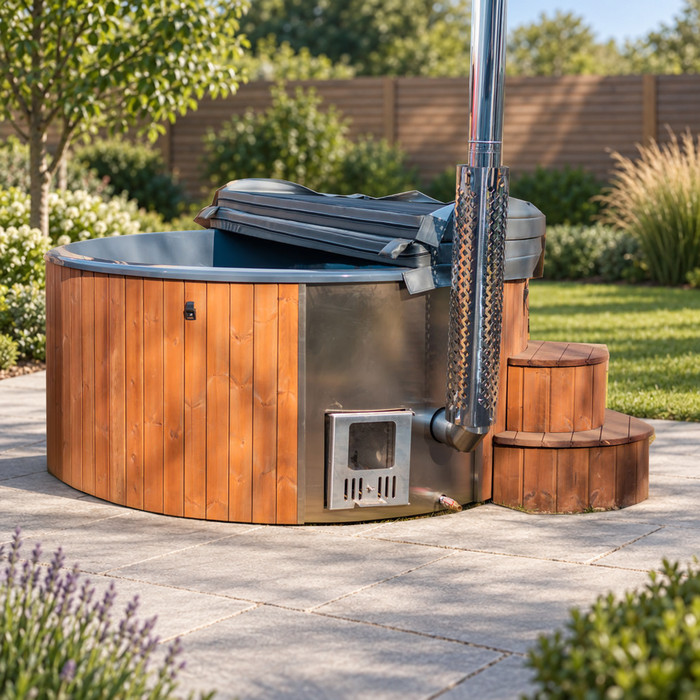
Use your first heat-up as a practical reference
Once you have your tub, a simple record of its first heating cycles can help with future planning. Note the model, when heating began, the starting water temperature, fill level and target used under the manufacturer’s instructions. If your tub is Fjord 8, you can save the Fjord 8 product details alongside those notes for reference. Record broad conditions such as shelter, cover use as directed and any interruption to heating. Keep the actual start and finish readings separate from your original estimate, so you can see what happened rather than overwrite the prediction with the result. A brief note about any top-up or pause will also help explain why one session differed from another. You do not need an elaborate log; the aim is to retain enough context to recognise which previous session offers a useful comparison.
Use those observations as a guide only when the next situation is similar. A result from mild, calm weather may not predict the time in colder or windier conditions, and a different starting temperature changes the comparison. Keep the method of checking the water consistent and follow the instructions for operation and readiness. If your experience is substantially different from a manufacturer’s stated performance under comparable conditions, contact the supplier or manufacturer rather than changing settings or procedures by guesswork. Your own notes improve planning, but they do not replace model-specific instructions.
Comparing model-specific heating times
When comparing tubs, put each model’s confirmed heating information alongside its stated water volume and test conditions. Include the Aurora 10 catalogue page in your shortlist if it is a model you are considering, then assess its timing information on the same basis as the alternatives. Digits or words in a product name do not establish seating, litres, heater output or heat-up time. A simple comparison can separate the model, quoted duration or rise rate, starting temperature, target and conditions into individual entries. Leave an entry marked as unknown where information is missing; an empty space is more useful than an assumption that makes the comparison look complete. If one model has a detailed test result and another has only a broad claim, recognise that difference in the available information rather than treating the shorter-sounding claim as proof of faster heating.
The most useful comparison is whether the documented heating routine fits how you plan to use the tub. Check whether each figure covers a fresh fill, a reheat or both; note the starting and target temperatures, fill volume, cover arrangement and outdoor conditions. Ask for a model-specific estimate if your likely use differs from the test. Where that information is unavailable, don’t assume the tub will be ready on a particular schedule. The uncertainty matters most if you expect to heat from a fresh fill for a fixed evening or want water available at short notice.
Frequently asked questions
Can I use a heat-up time published for a different hot tub?
Use it only as broad context, not as a schedule. The other model may have a different water volume, heater output or test setup. Look for a figure for your exact model and check its starting temperature, target and outdoor conditions.
Does a fresh fill always take longer to heat than existing water?
Not necessarily: the actual starting water temperature is what matters. Water that is already close to the target needs less heating than colder water, but a fresh fill’s temperature varies. Check the water and use a figure that matches the situation.
Can I work out the heating time from the heater’s power rating?
A power rating alone is not a reliable heat-up estimate. It may not describe the heat delivered to the water, and it says nothing by itself about fill volume or heat loss. Use a manufacturer-published time or rise rate with its test conditions.
Should I leave the cover on while the tub heats?
Follow the instructions for the exact model and cover. If the manufacturer says an approved cover can stay on during heating, follow that guidance. Check whether any published heating figure assumes the cover is on or off.
How far ahead should I start heating for an evening soak?
There is no dependable number of hours for every model and site. Use a model-specific estimate based on your starting water temperature and conditions, allow a margin, then follow the operating and water-care instructions before bathing.
There is no dependable heat-up time that fits every hot tub, fill and outdoor setting. Use a manufacturer figure for the exact model, check the test conditions against your actual water temperature and planned use, and allow for differences at your site. If the relevant figure is missing, ask the supplier rather than relying on a guess or a product name. That gives you a more realistic window for the soak you have planned.
