
How Much Does an Outdoor Hot Tub Cost in New Zealand?
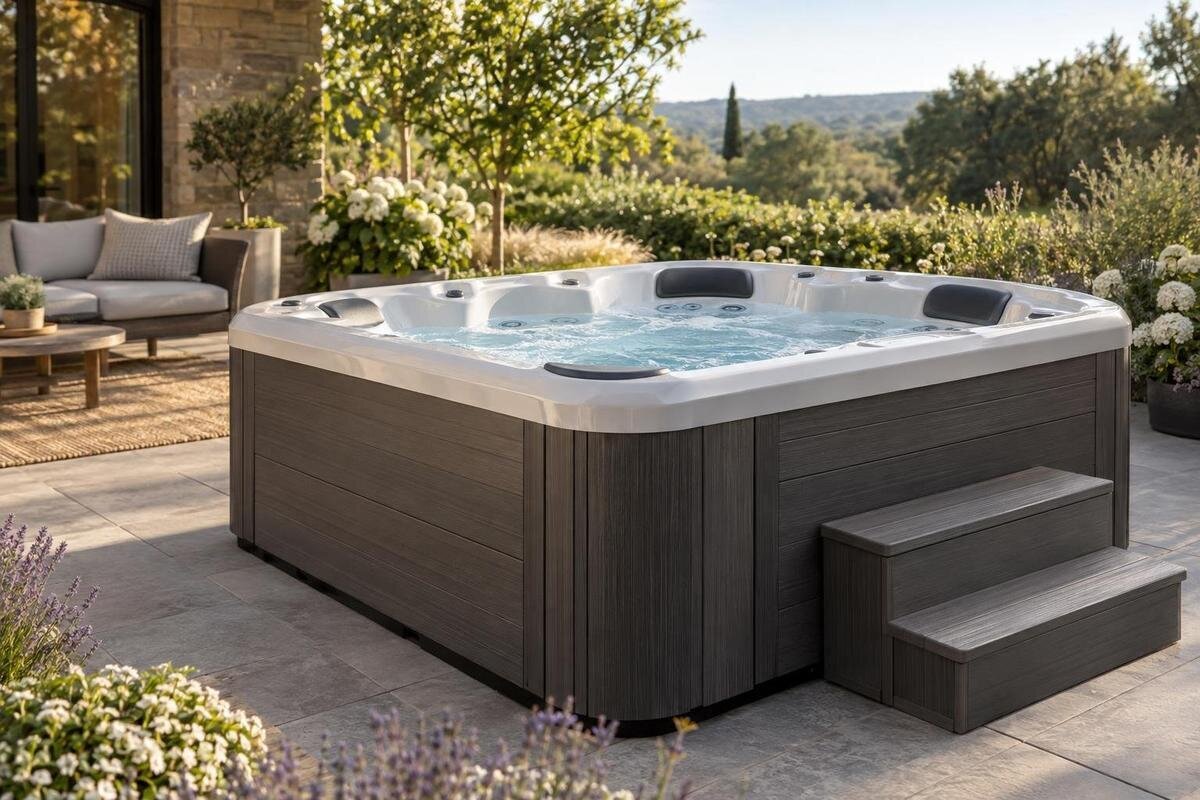
New Zealand hot tub costs
Outdoor hot tub prices in New Zealand are only useful when the amount, tax treatment and inclusions are clear. The product information available for this guide identifies four Bloomcabin models, but provides no current NZD prices, dated listings, GST wording, availability or confirmed package details. There is therefore no reliable price range or model ranking to publish. Use the method below to check each listing or quote on the same basis, then keep delivery, installation and ongoing costs separate unless the seller clearly combines them.
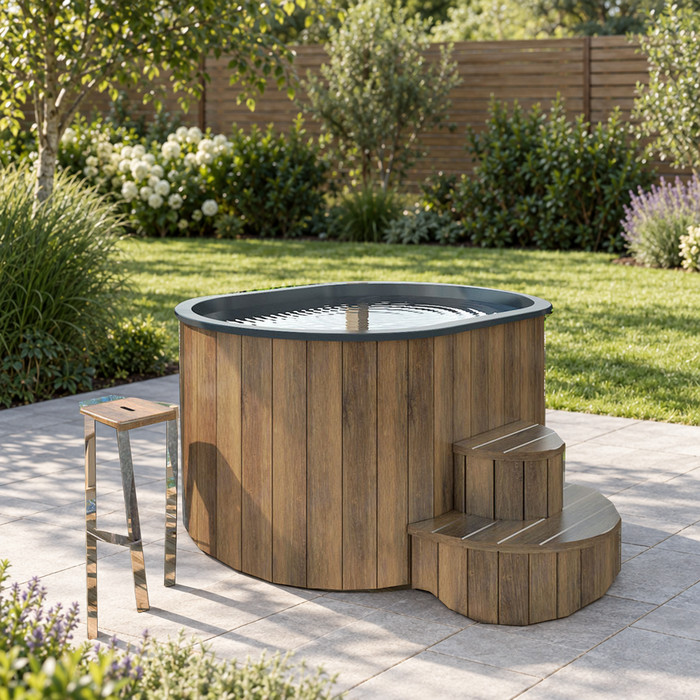
Why there is no reliable price range here
An advertised figure is useful only when you know when it applied and what it referred to. The product information available for this guide identifies Cove 2, Haven 6, Fjord 8 and Aurora 10, but provides no current New Zealand prices, sale status, availability or confirmed package contents. That is not enough evidence for a low-to-high comparison or a worked purchase total. Two amounts can look comparable even though one has different tax wording or includes a service the other excludes. An undated search result or old screenshot may also show an expired offer. A responsible comparison needs a date, currency and scope, not just a number beside a product name.
Before putting a figure in your budget, check the New Zealand listing on the day you compare it, note the amount and the wording around it, and save the page or written quote. If no price appears, request a current quote for the exact product rather than inferring a value from another model or an earlier offer. Record missing details as unconfirmed, not as “included”. That way, an unknown GST treatment, delivery fee or accessory does not quietly become part of your assumed total. The method here is intended to help you gather comparable evidence; it cannot replace a current seller price.
Define the tub purchase price
Decide what “purchase price” means in your comparison: the amount for the tub itself, or the price of a stated package that includes other products or services. Copy the item name and description exactly as shown. For example, create a row for the Bloomcabin Hot Tub Cove 2 listing and record only the price and inclusions that its current page or quote states. The model name alone does not establish what will be supplied. Keep options, fitting and other services outside the product subtotal unless the seller confirms that they are part of the quoted package. This stops a headline amount being mistaken for a delivered or ready-to-use total.
Write the currency and GST wording beside the amount, rather than leaving them in a separate note. If a listing states that its price is in NZD and says whether GST is included or excluded, copy that information as written. If either point is missing or unclear, mark it as unconfirmed and ask the seller to clarify it. Do not infer tax treatment from the website address or calculate it from an unstated basis. If the price applies to a particular variant or configuration, record that only when the listing or quote identifies it. A clear product subtotal makes later delivery and site-cost comparisons easier to follow.
Check delivery and included extras separately
Delivery may be included, charged separately, quoted later or limited to particular locations; the available product information does not confirm which applies to these models. Nor does a product name or photograph establish whether a cover, steps, water-care items or another accessory is supplied. For the Bloomcabin Hot Tub Haven 6, for example, keep any stated freight amount on its own line until you have confirmation of what the quote covers. Only combine it with the tub price when the seller clearly says the quoted total includes delivery for your order.
Ask for the delivery amount to be confirmed for your address, and check whether the quote describes any conditions or extra charges that could affect the total. Clarify where the delivery service ends: the handover point matters when deciding whether another separately priced service is needed. If the seller has not addressed access or delivery arrangements, do not fill the gap with an assumption based on another buyer’s quote. Give the seller the information they request about your property so the amount relates to your order. Ask which items are included and which are optional, then note the answer beside the relevant line. This is especially useful when comparing a product-only figure with a package quote: the larger number may cover more, but only a written description can establish that. Keep delivery separate from installation work unless the quote explicitly combines them.
What can explain a price difference?
A price gap can reflect different quoted scopes, product configurations, included items, delivery terms, tax wording or offer dates. These are possibilities to investigate, not explanations to assign automatically to any one model. A higher amount is not proof of a particular material, feature or performance level, and a lower one is not proof that an item has been left out. Check the exact listing or quote for evidence of what differs before using a reason to justify the gap. If the scope is identical and the seller has not explained the difference, record the amounts without inventing a cause.
For the Bloomcabin Hot Tub Fjord 8, compare the current stated amount with another quote only after matching the named product, package, currency, tax treatment and delivery scope. Check whether either figure is an offer and whether its date or conditions are stated. Do not treat an advertised saving as evidence of value unless the comparison price and offer terms are clear and current. The same approach applies to any model: use confirmed details to explain a difference, and leave the explanation blank when the evidence is missing.
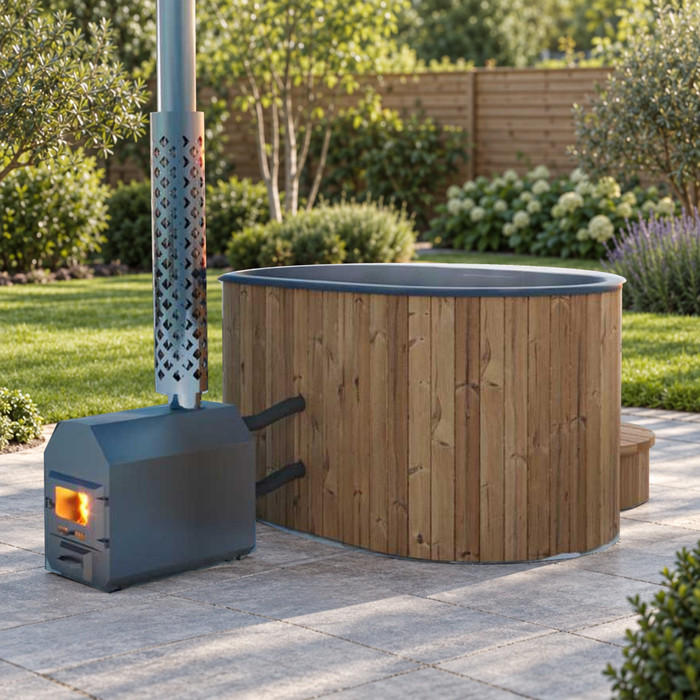
Comparing the four Bloomcabin models
The names Cove 2, Haven 6, Fjord 8 and Aurora 10 identify the four products in this comparison, but their numbers do not verify seating capacity, dimensions, features or price. Do not assume that a model with a larger number costs more, fits more people or includes more equipment. Use the exact product details stated by the seller for those questions, and keep them separate from the price check. The Bloomcabin Hot Tub Aurora 10 name, on its own, is not evidence of a particular capacity or a higher or lower purchase cost.
Give each model its own row so that an unknown price for one does not become an estimate based on another. Alongside the price comparison, keep a short list of the product requirements that matter to your purchase. Separate essential requirements from preferences: an optional feature should not carry the same weight as a confirmed requirement for your intended use or available space. Record the seller’s stated details against those requirements without converting missing information into a negative result. A blank field means you still need an answer, not that the product lacks the feature. This lets you assess price and suitability separately, then bring them together when deciding which models remain worth considering.
Build a like-for-like comparison
A simple comparison sheet can prevent small differences in wording from distorting your budget. For every quote, record the seller or listing, the date checked, exact product name, stated amount, currency and GST wording. Add separate fields for the package description, delivery, confirmed inclusions, exclusions, availability and any stated quote or offer validity. Use the Cove 2 product page as one place to check for current information, but copy only what it actually states; do not fill blank fields from the model name or an image.
Keep the original page or quote with your notes, so you can revisit the source if the figures change or a detail is disputed. Mark each field as confirmed, not stated or awaiting an answer instead of treating missing information as a zero cost. Compare totals only when the entries cover the same product scope and tax basis. If one figure includes a confirmed delivery charge while another does not, show both the product amounts and the separate delivery lines. That makes the difference visible without falsely suggesting that the tubs themselves have different prices.
Treat offers and quotes carefully
A sale price, a regular price and a written quote can refer to different dates or packages. If an offer is shown, record the wording, the date you saw it and any stated validity or availability conditions. If a regular price is also displayed, note whether it applies to the same product and inclusions. For the Haven 6 listing, check whether a current amount is shown and whether the page identifies it as an offer; do not assume a promotion, price reduction or stock status from the product identity alone.
When asking for a quote, request the exact model and package you are comparing, the total and its currency, GST treatment, delivery amount and any confirmed extras or exclusions. Ask how long the quoted amount applies, particularly if you need time to compare options. These details help distinguish a current, usable figure from an old listing or a preliminary estimate. Do not compare a “from” price with a fully specified quote as though they covered identical orders. Establish which selection the starting price covers and whether it matches the configuration you want. If an answer changes the scope, update the comparison sheet rather than retaining the earlier amount as if nothing had changed. Keep revised quotes clearly dated so that you do not accidentally combine an earlier product price with later package terms.
Keep installation and running costs outside the tub price
The tub purchase amount is only one part of an upfront budget. Depending on the property and the agreed scope, separate one-off costs could include delivery, site preparation, base work, access or lifting arrangements, and service connections. These are potential budget categories, not requirements for every site or model. The Fjord 8 product listing does not, by its name alone, confirm that any such work is included. Ask relevant providers for separate, site-specific figures and check whether the seller’s quote already includes an item before adding it to your total.
Recurring costs belong in a different part of the household budget. Electricity or other energy, water, water-care supplies and maintenance may matter over time, but they are not part of a one-off tub purchase figure unless a quote explicitly bundles an item. This guide does not provide model-specific running-cost estimates because the supplied information contains no verified consumption data or local price assumptions. For a useful decision, keep a purchase subtotal, a separate installation and delivery subtotal, and a recurring-cost estimate. That separation shows what you need to pay to acquire the tub without confusing it with future ownership expenses.
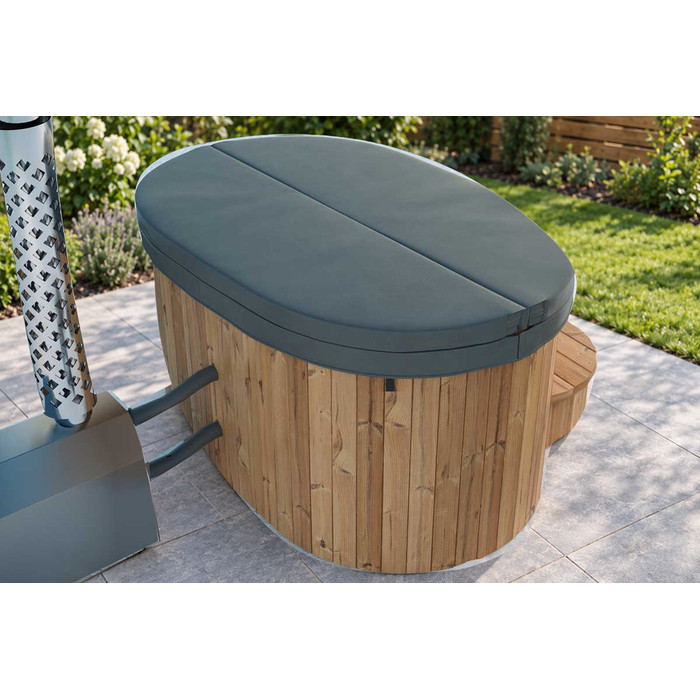
Turn a confirmed quote into an upfront budget
Once you have a current product amount, build the upfront figure from confirmed components: the tub price on its stated tax basis, plus any separately quoted delivery and one-off work you decide is necessary for your site, plus any extras you choose. For the Aurora 10 listing, use that same method only if a current amount and its scope are stated. If the tax wording is missing, get clarification before treating the amount as a firm subtotal. Do not add a cost simply because it appears on a general checklist; include it when it applies to your order and has been priced or clearly allowed for.
Check for double-counting before you settle on a total. If delivery is already included in a written package price, do not add the same delivery quote again. If a service provider’s figure already includes a particular site item, do not add a second allowance for it. Keep optional accessories and a personal contingency allowance separate from the seller’s price, and label them clearly so you can see what is confirmed and what is your own planning choice. An allowance is not a quote: note which uncertainty it is intended to cover, then replace it with the actual amount when that becomes available. Do not let a general contingency hide an entirely unpriced item. No worked dollar example is appropriate without current New Zealand price evidence; the useful result is a total built from your actual written figures.
Choose only from comparable, confirmed figures
Set a maximum amount for the tub purchase itself, then decide separately how much of your overall upfront budget remains for delivery and any site work that applies. This gives you a clear way to judge a written quote without letting an unknown installation cost disappear inside a product price. Keep your spending limit separate from the quoted subtotal: having money left below the limit does not establish that it will cover unpriced work. If a listing has no amount, or its inclusions and tax treatment are unclear, treat it as an incomplete comparison rather than a cheap option. You can compare the models for which you have sufficiently complete figures without waiting for all four, but leave unpriced models out of the ranking. Make clear which options the comparison actually covers.
Price is only one part of choosing a model. Use your list of essential requirements to rule out unsuitable options before weighing up optional features or package extras. When a quote exceeds your planned purchase budget, identify which parts of the package you would willingly remove and ask for a revised amount; do not subtract an assumed value for an included item. Equally, do not treat an accessory you would never buy separately as a reason to stretch your budget. Compare the revised package with the alternatives on the same basis, including delivery where confirmed. If none fits, reconsider the purchase budget or shortlist rather than disguising the gap with optimistic allowances. The aim is a suitable tub at an affordable, clearly understood upfront cost.
Frequently asked questions
Can I get a current NZD price for these hot tubs from this guide?
No. The product information available here identifies the four models but does not provide dated prices or current quote details. Check the New Zealand listing or request a written quote, then record its date, currency, GST wording and inclusions.
How can I tell whether GST is included?
Use the wording on the listing or quote. If it does not say whether GST is included or excluded, mark the treatment as unconfirmed and ask the seller to clarify it in writing before comparing totals.
Should I assume delivery is part of the purchase price?
No. Count delivery as included only when the current listing or quote says so. Otherwise, ask for a delivery amount for your location and keep it as a separate line in your budget.
Do the numbers in the model names tell me capacity or price?
No verified capacity or price information follows from a model name alone. Use stated product details and a current quote to assess each model; do not infer its size, features or price ranking from the number.
How should I compare a sale price with a regular price?
Record the date, offer wording, validity and exact package for each amount. Compare them only when they cover the same product and inclusions, and treat an earlier or undated regular price as unconfirmed.
A useful New Zealand hot tub budget is built from a current, dated amount and a clear account of what it covers, not from a guessed average or a model-name ranking. Once each quote uses the same tax basis and purchase scope, add only confirmed delivery and site-specific one-off costs. Keep any unresolved details visible; that is the difference between a realistic upfront budget and a figure that merely looks complete.
