
How Often Should You Change Hot Tub Water?
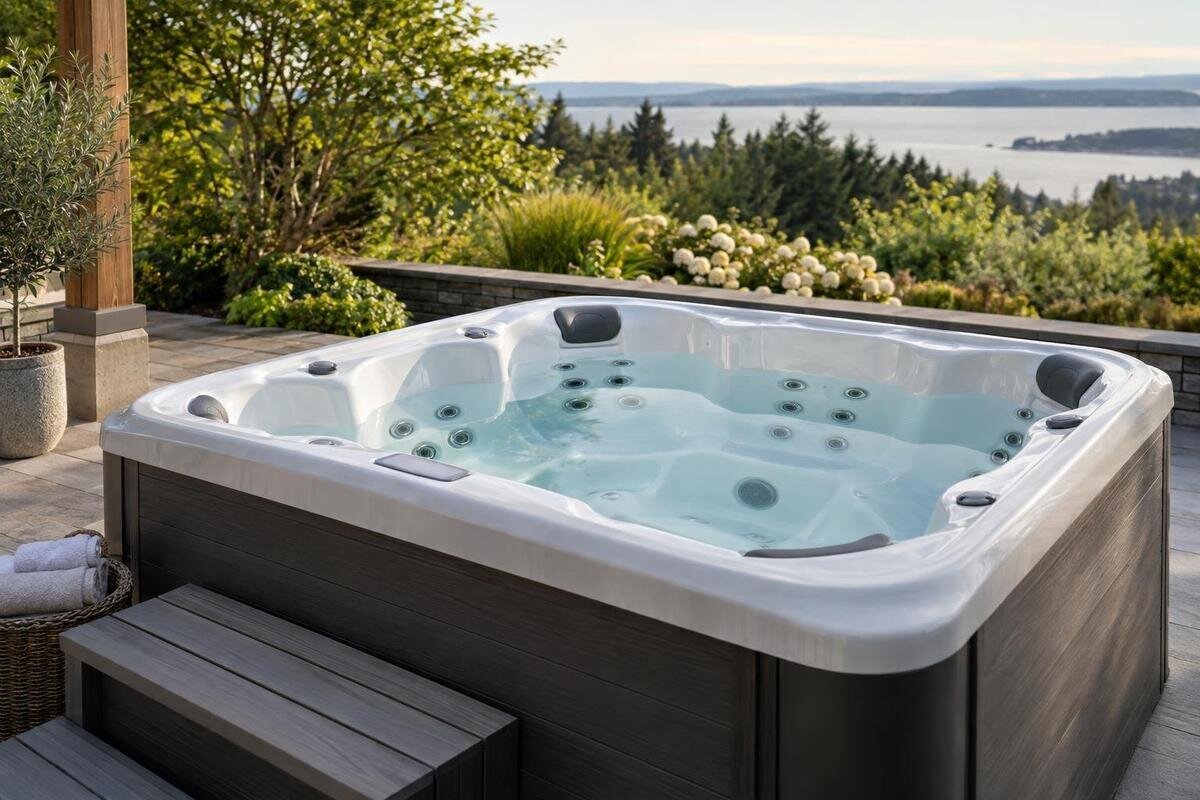
Hot tub water care
With an outdoor hot tub, there is no single water-change timetable that fits every owner. The answer depends on the current instructions for the exact model and water-care system, applied to the way the tub is used. A test result can guide care within those instructions, but it is not a stand-alone calendar for replacing all the water. This guide explains how to find the relevant guidance, what to record, and how to plan the drain and refill without borrowing another owner’s interval or guessing from a product name.
Is there a standard interval for changing hot tub water?
An exact number of weeks or months should not be treated as a universal rule. The instructions for one hot tub may be written around a particular water-care method and use pattern; another model may set different conditions. An owner’s routine is not reliable guidance for another tub, even if both look similar or are used in a similar way. Begin with the current manual for the exact model and follow the water-change schedule that applies to its specified system. If the manual gives a range or makes timing conditional, keep those qualifications rather than reducing them to a single date. That is more dependable than copying a neighbour’s calendar or an online post.
Keep a scheduled replacement separate from instructions to test the water or take another action within the care system. A test result may call for a response without meaning that all the water needs replacing. Equally, a result that appears acceptable does not cancel a replacement schedule unless the manufacturer says it does. If the documentation is unclear, ask the seller or manufacturer to explain how these instructions work together. When enquiring about Bloomcabin Hot Tub Cove 2, for example, ask which passage covers full water replacement and which covers routine water care. That distinction helps you understand what is due rather than treating every water-care instruction as a reason to drain.
How can use affect the water-change schedule?
Record how often the tub is used, how many people typically use it, whether use is short or extended, and whether there are long periods when it is unused. These details are not a home-made formula. They help you describe actual use against the assumptions in the manufacturer’s instructions. If the manual separates occasional from regular use, or gives conditions for heavier use, follow those definitions as written. If it does not, do not decide that a particular number of visits means you can extend or shorten the interval. A change in your routine is a reason to reread the relevant guidance or ask for clarification, not to invent a multiplier.
When comparing options, describe your expected use to the seller and ask which conditions in the instructions match it. For a model such as Bloomcabin Hot Tub Haven 6, explain whether you expect occasional use, regular use or a mixture, rather than asking only for a replacement date. Ask the seller to relate that description to the model’s written guidance without assuming a capacity or recommended number of users from its name. If your usage later falls outside the conditions described in the manual, the same description gives the manufacturer a clear basis for explaining how its guidance applies.
What can water-test results tell you?
A water test reports on the measures included in that test at the time the sample is taken. Interpret those results against the targets and instructions for your specified water-care system, using the test method described by its manufacturer. Record the result and any action the instructions direct you to take. This helps you understand the water-care history and gives a supplier useful information if you need help applying the guidance. Avoid substituting a target or test method from another system: similar-looking products or test strips do not establish that their instructions are interchangeable.
A test is not a complete history of the water, and it does not automatically tell you how much use has taken place or how long the water has been in the tub. It also cannot set a universal date for replacing all the water. A result outside the stated target is not automatically a drain-and-refill instruction unless your manufacturer’s guidance says so; a result within the target does not necessarily mean a scheduled replacement is no longer due. Treat test results as one part of the specified care process, alongside its separate water-change instructions. If the result or the next action is unclear, check the manual or ask the manufacturer instead of guessing.
Where can you find instructions for your exact model?
Start with the manual supplied for the specific hot tub, not a general spa pool article or instructions for a related model. Check that the product name and any model or version details match your tub. If you do not have the document, ask the seller or manufacturer for the current applicable copy. When requesting instructions for Bloomcabin Hot Tub Fjord 8, include any model or version details you have so the supplier can match the document to your tub. Also confirm that it covers the water-care system you intend to use; a matching product name alone does not resolve that question.
Look for the parts of the manual that address water care and draining or refilling. Note whether the water-change guidance gives a routine interval, depends on specified conditions, or refers you to another document. Keep the wording and any qualifications together: a sentence that appears to give a simple interval may be followed by conditions elsewhere in the instructions. Save a copy where you can find it, and write down the manual’s revision or date if shown. If two documents appear to conflict, ask the manufacturer which one applies to your exact model and system before relying on either.
Why does the specified water-care system matter?
Water-change instructions belong with the water-care method they are written for. That method may determine which tests and targets the manual refers to, and whether the schedule is linked to particular use conditions. Do not assume that guidance for one system can be applied to another, or that a change in method leaves the original schedule untouched. When considering Bloomcabin Hot Tub Aurora 10, for example, ask which water-care method the quoted schedule assumes. Keep that explanation with the relevant instructions so you can distinguish requirements for your chosen combination from advice about a different system.
If you are offered a choice of care methods, ask for the instructions for each proposed option before deciding. Find out which one the model’s water-change guidance assumes, and what documentation you would follow if the method changed later. Do not combine advice from separate protocols or adopt an internet recommendation simply because it uses familiar terminology. The practical question is whether you can obtain clear, complete instructions for the combination you plan to use. If the seller cannot explain which document applies, ask the manufacturer to confirm it before setting your own routine.
What should you record between water changes?
A simple log can make the instructions easier to apply without turning them into a formula. Record when the tub was filled or last had a full water change, how the tub has been used, and any test results the water-care system tells you to record. Note relevant changes in use and the actions you took under the manual. Keep the entries factual: dates, results and the wording of the instruction are more useful than a judgement such as “the water seems fine”. Follow the test kit’s directions for what to record, and do not add measurements or targets that the system does not ask you to use.
Review the log alongside the manual when deciding what guidance applies or when asking a supplier for help. It can show whether your current routine resembles the use pattern described in the instructions and help you explain what has changed. It cannot establish a replacement interval by itself, and a long run of similar test results should not be used to overrule a scheduled change unless the manufacturer permits that. Keep the record brief enough to maintain; it is there to support a clear conversation and consistent use of the model-specific directions, not to replace them.
How much work does draining and refilling involve?
The practical commitment depends on details you should verify for the exact model and property. Ask for the documented water volume rather than estimating it from the product name, then consider the water supply available at your site and the access needed to carry out the manufacturer’s process. A replacement can also affect your household’s use of water and may involve energy to bring the tub back into service. Those are cost variables, not fixed prices: local water and energy charges, the verified volume, any required supplies and whether you pay for assistance all matter. If comparing products, use confirmed figures and current local charges rather than a guess.
Allow enough time to follow the full instructions without rushing, and ask the seller to explain the model’s process before you buy. The manual may set out an order of work or direct owners to seek help for particular tasks; do not fill gaps with a generic step-by-step guide. For the Cove 2 drain-and-refill enquiry, ask what the owner is expected to do, which supplies are needed and where assistance is available if the procedure is unclear. Consider those answers alongside access at your property. This gives you a more practical picture of the work than a water-change interval alone, without assuming how long the process will take.
Where can you dispose of drained water?
Check where the water can go before draining, rather than choosing a destination once the process has begun. Do not assume that the nearest drain, garden or other outdoor area is suitable. Ask your local council or relevant water or wastewater provider what guidance applies at your address, and check the manufacturer’s instructions for the water-care system used in the tub. This avoids relying on a route that may not be appropriate for your property or the water-care products you have used. Advice from another household is not a reliable substitute, because your enquiry needs to address your own location and setup.
When you make that enquiry, have the tub’s verified volume and details of the water-care products or method you have used to hand, if known. If you are planning a purchase, identify the model, such as the Haven 6 hot tub, and explain that you are checking disposal arrangements before buying. Ask what further information the provider needs and which destination is acceptable at your address. Keep the answer with your water-change notes so you can refer to the conditions attached to it. If your manufacturer’s instructions and local advice seem to differ, ask the relevant provider or manufacturer to clarify the point before draining.
How do you compare water-change requirements before buying?
Compare the current instructions for each model using the same headings in your notes: water-care method, stated replacement schedule, use assumptions and any other conditions affecting timing. If an instruction refers to another document, include that information before drawing a conclusion. For an option on your shortlist, such as the Fjord 8 product page, keep your notes under the exact model name so you do not mix up requirements between products. Preserve any qualifications beside the interval they describe. Two schedules may look similar when reduced to a number, while the accompanying conditions make the ownership commitments different.
Then consider whether the documented commitment suits your household. Check the verified water volume, the water supply available at your property, the practical effort of following the instructions and the cost variables that apply locally. Ask whether the schedule assumes a particular use pattern and how to get clarification if your routine differs. Avoid ranking models as easier or harder to maintain unless the documents support that comparison. A clear written answer about the exact model and system is more useful than a vague promise of low upkeep, because it lets you judge the actual recurring work before you commit.
Clarifying the seller’s water-change advice
Use your conversation with the seller to resolve points you could not answer from the instructions, rather than simply asking how often to change the water again. If a schedule gives a range, ask how its stated conditions determine which part applies. If one passage discusses testing and another discusses replacement, ask the seller to explain their relationship without treating a test result as an automatic extension. When enquiring through the Aurora 10 product listing, identify the exact model and relevant passage in your question. A focused enquiry makes it easier to distinguish an explanation of the written guidance from a general suggestion.
Ask where to get help if a question remains unresolved, and how to obtain updated instructions if the guidance changes. Keep a written copy of any clarification with the manual, including which model, water-care method and use conditions the answer concerns. If the reply appears to contradict the instructions, ask which guidance applies rather than combining the two into your own schedule. Before purchase, check that the answers address the uncertainties you identified, not just a general promise of easy upkeep. The aim is a water-change routine you can understand and follow, with a clear contact for questions that arise during ownership.
Frequently asked questions
Is there a set number of months between water changes?
No single interval suits every hot tub and water-care system. Follow the current instructions for your exact model and the use conditions they specify. If the schedule is unclear, ask the manufacturer or seller for model-specific guidance rather than relying on another owner’s routine.
If my water-test results are within range, can I skip a water change?
A test result is not, by itself, permission to extend or cancel the replacement schedule. It reports on the measures included in that test at the time it was taken. Use the result as directed by your water-care instructions, and follow the separate water-change guidance unless the manufacturer says otherwise.
Does frequent use mean I should change the water sooner?
Use may be relevant where the manufacturer’s guidance sets conditions for different use patterns. Record how the tub is used, then check which instructions apply. Do not convert user numbers or visits into your own replacement formula.
Can I use another hot tub owner’s schedule?
Treat it as an anecdote, not a recommendation. The other tub may have different instructions, a different water-care system or a different use pattern. Check the current documentation for your exact model instead.
Where can I dispose of hot tub water in New Zealand?
Do not assume the nearest drain or outdoor area is suitable. Before draining, ask your local council or relevant water or wastewater provider what guidance applies at your address, and check the manufacturer’s instructions for the water-care system you use.
The reliable water-change schedule is the one documented for your exact hot tub and water-care system, applied to the use pattern the instructions describe. Use test results within that guidance, keep a brief record, and confirm any unclear points with the manufacturer or seller. Planning the refill and checking local disposal advice are part of the same decision, so the change is based on documented requirements rather than guesswork.
