
How often should you repaint a wooden garden shed?
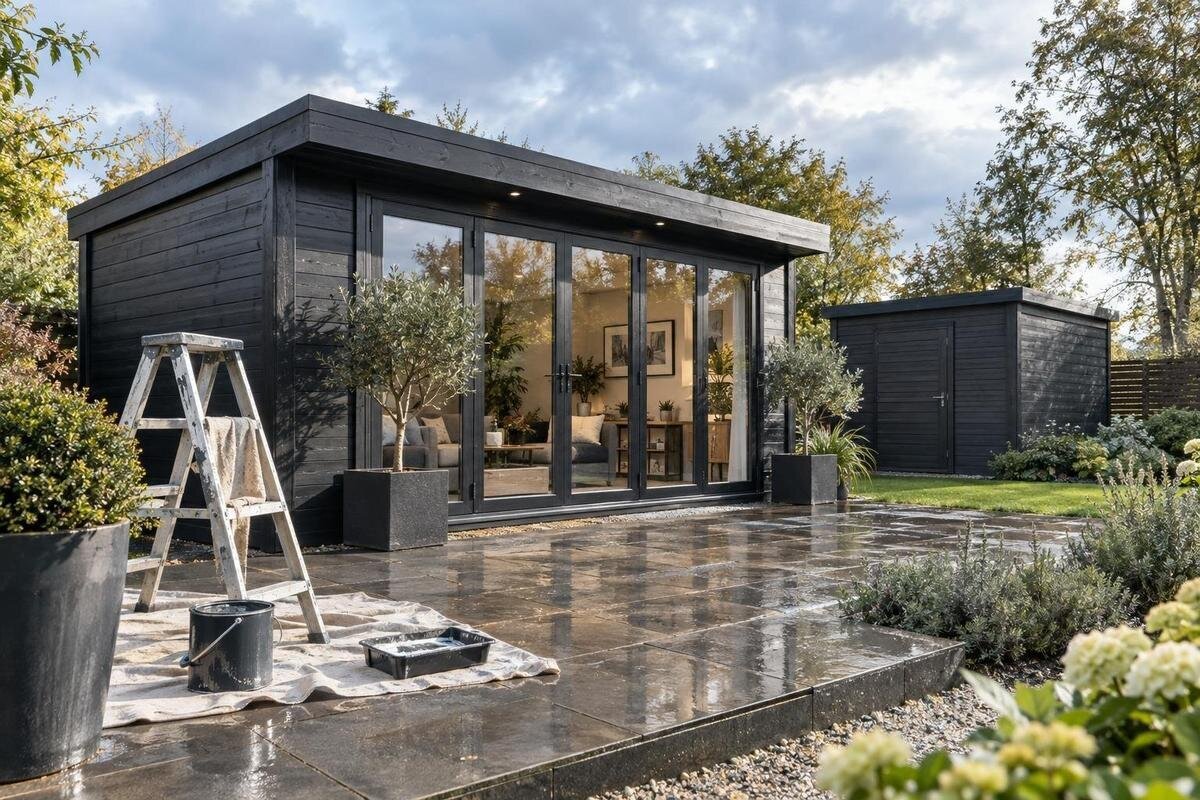
Garden shed maintenance
A wooden garden shed does not have a dependable repaint date that applies to every site and finish. Paint ages in response to its type, the condition of the timber and how much weather reaches each side; even one shed can have one wall in better shape than another. A practical plan is to inspect the exterior every year, note any changes and follow the guidance for the coating actually supplied. Repaint when the evidence points to it, rather than treating a particular birthday as a deadline.

01
There is no set repainting interval
Wooden garden sheds do not all need repainting at the same age. A coating’s life depends on the paint system, how the timber was prepared and coated, the surface beneath it, and how much sun, rain and wind reach it. Even two sheds in one garden may wear differently if one stands in an open spot and the other is sheltered. The quality and age of an earlier application matter too, but you may not know those details after moving into a property. A generic number of years is only a rough guide, not a dependable repaint date. Use the finish’s condition alongside its maker’s advice.
First identify what is on the timber. A wooden shed might have paint, stain, a clear finish or a factory-applied treatment; repainting is not automatically the right next step for every surface. Check purchase paperwork or ask the supplier which finish was provided and what maintenance instructions apply. If you are considering garden shed Verdana 1, treat the model name as an identifier only: confirm the supplied finish and care guidance before ordering. The name itself cannot establish the coating or its repaint interval. Getting those details now gives you a baseline for later inspections and avoids applying a schedule intended for a different finish.
Inspect the shed once a year
Make an exterior check at least once a year, choosing a time when you can see the surfaces clearly. Walk around all sides rather than judging the shed from its entrance. Look over wall boards, lower edges, corners, joints and the areas around doors and windows. Include sections hidden by stored items, plants or a nearby fence, checking them once they are accessible. Pay attention to edges where coatings meet joints as well as broad panels. A whole-shed view shows whether wear is isolated or spreading; a glance at one wall can miss a change elsewhere.
Write down the date, affected side and what you noticed; photos taken from roughly the same position make later comparisons easier. Check again sooner if you see fresh damage or a face is repeatedly wetted, rather than waiting for the next annual review. If your shortlist includes garden shed Verdana 2, request the supplied-finish details and maintenance instructions before purchase, then note what those instructions say to monitor. The yearly check is a practical baseline, not an instruction to repaint annually. A brief record also helps separate a new problem from marks that were already there.
02
Signs that paint needs attention
Peeling or flaking, cracks in the paint film, blisters and patches of exposed timber are clear prompts to investigate. Note whether a defect is one small chip or appears on several boards and faces. Look at corners and board ends too; narrow edge failures can be easy to miss from a distance. A single damaged area may be manageable as a local repair, depending on the coating instructions, while repeated lifting or broad bare patches point to a more extensive maintenance job. Do not paint over a defect just to hide it: first establish whether the surface is sound enough and whether the maker’s guidance permits a repair.
Fading may be mainly visual, while a broken or lifting film is a visible change in the coating; neither observation by itself sets a universal repaint date. A powdery residue or a surface that rubs away can also be worth checking against the paint maker’s guidance, but avoid relying on one symptom alone. Compare the area with dated photos and consider how much of the shed is affected. If you are assessing Durano, ask the seller what finish is supplied and where to find its care instructions; the model name does not tell you how its paint should be maintained. This keeps the decision tied to the actual finish.
Exposure affects how quickly paint wears
Exposure helps explain why one part of a shed can need attention earlier than another. Strong sun can fade an exposed face; wind-driven rain may leave another side wetter, while splashback from the ground or nearby watering can affect lower boards. Roof edges, overhanging cover, neighbouring buildings and trees all change the conditions around a wall. Shade may slow visible fading, but a sheltered spot is not automatically problem-free. These details are reasons to check particular areas carefully, not a formula that converts a site feature into a set number of repainting years.
During each inspection, note which faces are changing and whether the same corner or lower edge keeps showing problems. This helps separate general ageing from a recurring local exposure, such as water repeatedly reaching one area. A sheltered wall that remains sound may not show the same wear as a face in the open, but any repainting still needs to follow the coating instructions. If you are comparing Veltor 1, consider the intended location and ask for maintenance advice that matches the supplied finish; do not infer a repaint interval from the model name or a product photograph.

03
Find out what finish is on the timber
Use the coating maker’s written advice wherever possible, because it relates to a particular product rather than timber in general. Keep the label, invoice or care sheet and note the coating name, colour, application date if known and any recommended recoat guidance. If a shed arrived already coated, ask whether that finish is the complete exterior system or whether the supplier specifies an additional owner-applied stage. Avoid assuming one exterior paint can go over another simply because both are described as suitable for wood; compatibility depends on what is already on the surface. The instructions may distinguish routine inspection from a full repaint.
If paperwork is missing, ask the seller, shed maker or paint manufacturer to identify the existing finish before planning a new one. Share reliable details about previous products; where the surface is unknown, seek advice rather than guessing. Before ordering Orello 1, ask which parts have a supplied coating and whether the supplier specifies any further coating work. Keep the response with your purchase records. That gives you a specific starting point for future checks instead of an estimate drawn from another timber shed. Asking early is simpler than trying to identify an old coating after its label has been discarded.
A local touch-up is not the same as a full repaint
Not every chip means the whole exterior needs repainting. If the coating is intact elsewhere and the defect is small, a local repair may be enough, provided the maker allows it and you can use a compatible product. Match the colour and finish as closely as possible; a patch can remain visible even when the repair is suitable. Treat repeated peeling, widespread cracking or exposed timber across several sections differently: these signs may call for a broader repaint or investigation before another coat. The extent of the problem and the reason it appeared both matter.
Think about how much of the surface has changed and whether a defect returns, not just whether a mark is visible. One patch may be practical to address locally, while several failing areas can make work over a larger area more consistent; follow the paint maker’s advice for the existing system. If you prefer maintenance that can be handled as small touch-ups, ask about the supplied finish and repair guidance before ordering. For Modano 1, confirm those details with the seller rather than reading them into the model name. A repair plan can prevent unnecessary full repaints without encouraging you to ignore widespread wear.
04
Include repainting in the ownership budget
Repainting is easier to plan when you consider both time and practical cost. The amount of surface involved, its condition, access around the shed, materials needed and whether you hire someone all affect the work. A narrow touch-up and a full exterior repaint are different jobs, so avoid budgeting from a generic price or assuming all sheds require the same quantity of paint. If you are unsure how much of the surface needs attention, ask a painter to assess it and provide a quote that states which areas and repairs are included. That makes quotes easier to compare.
Include likely upkeep in your purchase comparison alongside the shed’s intended use and where it will sit. Ask what finish is supplied, when its maker recommends inspection or repainting, and whether ongoing products or professional work may be needed. For a candidate such as garden shed M, request those facts directly; its catalogue name does not establish the maintenance burden. A clear answer helps you judge whether the work fits your time and budget. It also avoids assuming that a particular model or price means less maintenance.
Choose a suitable time for the work
Choose a repainting window after an inspection shows work is needed, and use the coating instructions to decide when application conditions are suitable. Paint products can set their own limits for temperature, moisture, drying and time between coats, so a broad seasonal rule is not a substitute for the label. Leave enough time to complete the work as directed and allow the coating to dry before normal exposure. If directions are unclear or the existing finish is unknown, ask the coating maker or a painter rather than improvising. The product instructions matter more than choosing a particular month.
Plan around access as well as weather: clear a safe working area, consider whether items need to be moved out of the shed, and avoid squeezing the job into a short gap that could leave surfaces unfinished. If a face is difficult to reach or the work feels unsafe, arrange professional help. When considering shed S, ask for maintenance information early enough to plan future work; purchase timing cannot replace instructions for its actual finish. A realistic window leaves time to complete any maker-specified coats and drying periods.

05
Keep a record of inspections and repaints
After each inspection or repaint, add a short entry to a notebook or digital file. Include the date, which sides you checked, signs of wear, areas repaired and the name or label of the coating used. If you know the colour or application date, include those too; if not, mark the detail as unknown rather than filling it in from memory. Keep the manufacturer’s care sheet and any seller’s advice in the same place. These notes make it easier to follow product instructions and avoid repeating questions when several years have passed.
Photos are useful when they show the same faces and details over time. They can help you tell whether fading is stable, peeling is spreading or a repair has held, but they do not replace the coating maker’s maintenance guidance. If one side consistently deteriorates faster, note its position and surrounding conditions so you can ask a supplier or painter a more precise question. Keep the records with the shed if you move or sell; the next owner can then see what finish was used and when you last inspected it. A simple log is enough.
Investigate recurring timber damage before repainting
Paint can hide the signs of a timber problem without fixing its cause. If the coating repeatedly lifts at the same spot, or the timber looks split, distorted or persistently damp, pause before repainting. Water entering through a defect, repeated splashback or damaged boards may need attention first. The same applies if an area feels unusually soft or the surface continues to change despite maintenance; treat these as reasons to investigate, not a diagnosis of what is wrong. A new coat cannot restore damaged timber or resolve an underlying source of moisture.
For extensive deterioration or uncertainty about the timber beneath failing paint, ask a qualified building or timber professional to assess it before arranging a repaint. They can advise whether a repair is needed, what might be causing the recurring problem and whether the surface is suitable for a new coating. Addressing an underlying issue first can help prevent the same failure returning soon after fresh paint is applied. Once the cause has been resolved and the surface is suitable, return to the coating maker’s instructions and your inspection record to set a sensible maintenance plan.
Frequently asked questions
Is there a standard number of years between repaints?
No single interval applies to every wooden garden shed. The coating, how it was applied and the conditions around the shed all affect how quickly it wears. Check the paint maker’s instructions and inspect the finish at least once a year; use what you see to decide whether it is time to repaint.
Should I repaint as soon as the colour fades?
Not automatically. Colour can change while the paint film is still intact, so fading alone does not set a repaint date. Check for other changes, such as peeling, cracks or exposed timber, and compare the surface with the coating maker’s guidance. A record of earlier inspections can help you judge whether the finish is deteriorating.
What if my shed was stained or treated rather than painted?
First find out what finish is on the timber. Paint, stain, clear finishes and factory-applied treatments do not all have the same maintenance requirements, and paint may not be the right next coating. Check the original care instructions or ask the supplier or coating maker what is compatible before planning a repaint.
Do I need to repaint every wall at once?
Not necessarily. One side may show more wear than the others, and a small local repair may be appropriate if the rest of the finish is sound. Follow the coating instructions and consider whether a patch will match. Widespread or recurring wear may call for work over a larger area.
Can I just touch up a small peeling patch?
Possibly, but first check why the paint is peeling and whether the surface is suitable for a local repair. Use only a coating compatible with the existing finish, following the maker’s instructions. If peeling is widespread, returns in the same place or occurs over damaged timber, investigate the cause before repainting.
Put an exterior inspection in your diary once a year and record what you see. Repaint when the coating shows meaningful wear or its maker’s guidance calls for it, rather than because a set number of years has passed. If only one spot is failing, find out whether a local repair is appropriate; if deterioration recurs or the timber appears damaged, investigate before covering it. Knowing the supplied finish, the shed’s exposure and any previous work turns repainting from guesswork into a maintenance decision for the shed you actually own.
