
How to Care for a Hot Tub’s Wooden Exterior
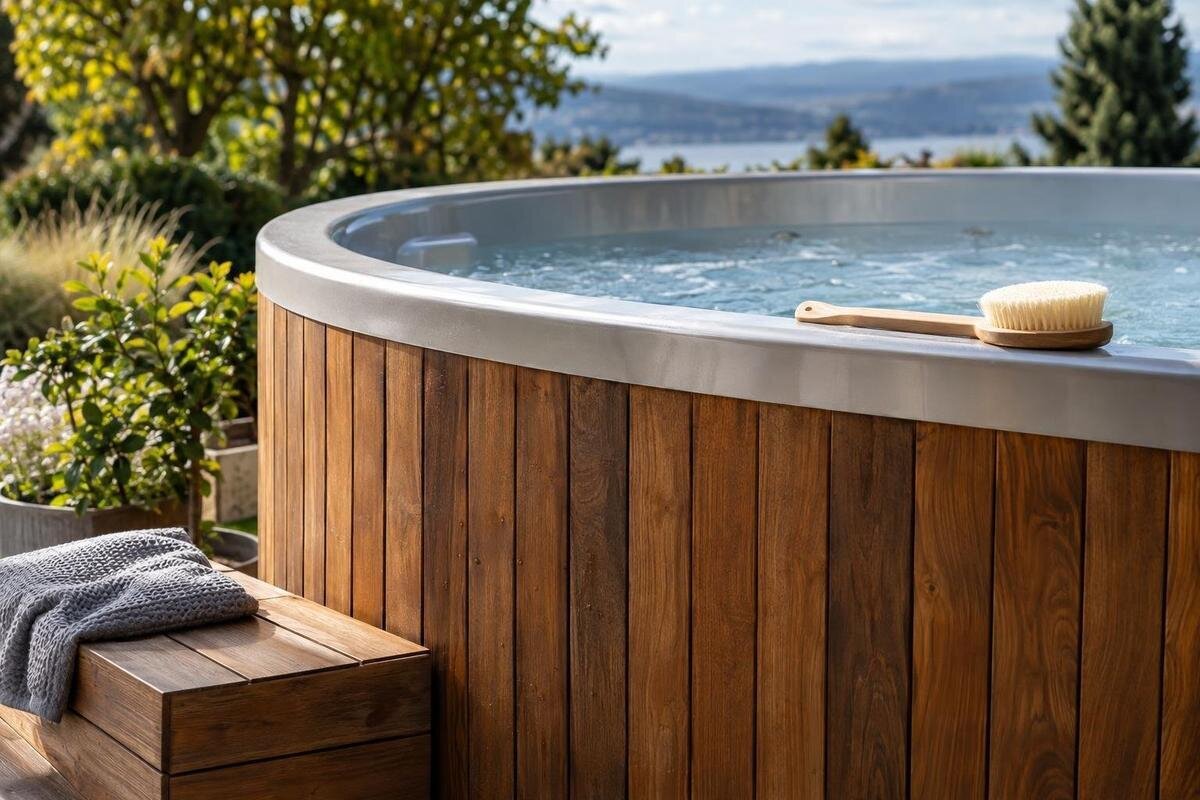
Exterior timber care
An outdoor hot tub’s wooden exterior needs care that matches its timber and existing finish; there is no single cleaner or protective treatment that suits every surface. Before washing or recoating, establish what the cladding is made from and what its manufacturer allows. Sun, wind-driven rain, shade and salt exposure can affect different sides of the same tub in different ways. This guide explains what to identify, what to look for and which maintenance details to request before buying.
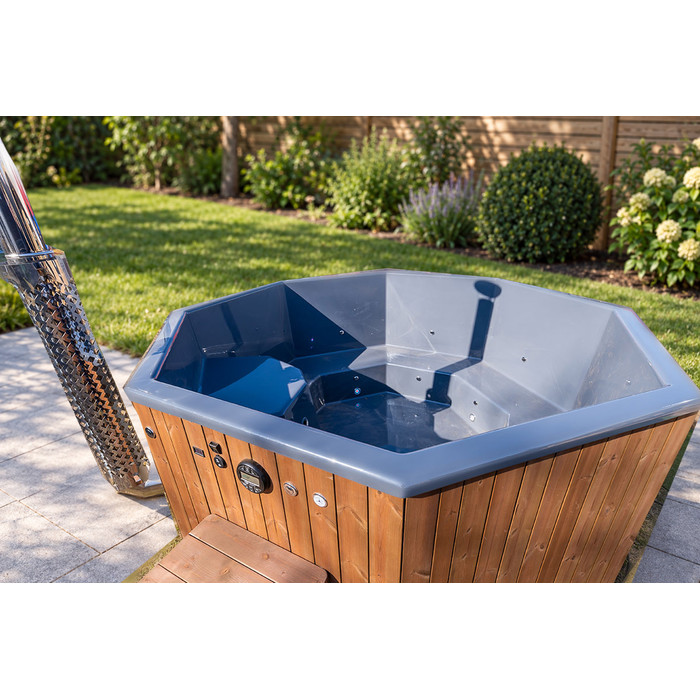
Identify the timber and its finish
Start by identifying the exact model and the surface you mean. The outer cladding is the visible layer around the tub; it is not necessarily the part that holds the water, and a wood-look surface may use a different material. A product name or photograph cannot confirm the timber species, coating or construction. Ask the supplier or manufacturer for a materials description and care instructions that match your particular version. If a guide says only “wood finish”, ask what timber and coating that phrase refers to rather than selecting a cleaner based on appearance.
Find out whether the surface is bare, oiled, stained, painted, clear-coated or finished another way. Factory coatings may also differ at edges, joints, cut ends or replacement panels, so ask whether the full exterior has the same finish. Note any work done by a previous owner and keep those details with the manual; colour and sheen alone are not reliable identifiers. For a model such as Bloomcabin Hot Tub Cove 2, request the material and finish information for the version you own or intend to buy. Record the timber description and coating separately, rather than using a colour name as the specification. If previous treatment is unknown, say so in your enquiry instead of guessing. This gives the supplier a clear distinction between the original finish and any later work, and helps you avoid choosing a care product on the basis of an incomplete description.
How the site affects exterior timber
Sunlight, wind-driven rain, shade and nearby vegetation can all influence how an exterior surface changes, but exposure depends on the actual site. A sunny, exposed face may weather differently from a sheltered side; a lower edge can stay damp if splashback or limited airflow keeps it wet. In coastal settings, airborne salt can settle on outside surfaces, while leaves and other garden debris may collect at joints. These are reasons to assess the position, not to assume that a particular part of New Zealand needs a fixed treatment or schedule.
Look at the tub’s surroundings before installation and note which sides receive direct sun, rain, wind or shade. Consider whether planting, a fence or a shelter could trap debris or restrict access for inspection. Sheltered placement does not mean the timber will never get wet: rain can blow in, and splash can reach lower panels. When considering the Aurora 10 product listing, make a separate site note for each side of the proposed position. Describe what you observe rather than simply calling the whole site sheltered or exposed. Note, for example, whether a lower edge remains wet after the surrounding area has dried, or whether leaves repeatedly gather against one side. These details make an exposure-related care enquiry more useful. They also help you judge whether you will be able to see and reach the areas that need attention without moving planting or other garden features each time.
What to check before cleaning
Before wetting the cladding or reaching for a household cleaner, find the model-specific instructions. Confirm which surface the guidance covers, whether it applies to your finish, and what tools and cleaning products are allowed. Check whether the manufacturer specifies a method for removing loose dirt, whether a rinse is required, and where any run-off should go. Exterior care is separate from water care, so do not treat a cleaner for the outside as suitable for the tub water or inner surfaces.
If the instructions are missing or unclear, ask the manufacturer or supplier before starting. Give them the model name, describe the finish if known, and send a clear photo of the area you want to clean. Ask whether you need to keep any openings or fittings dry and whether there are precautions for run-off reaching the tub. For example, identify Haven 6 accurately in an enquiry, but do not infer its exterior material or cleaning method from the model name. A specific answer is more useful than testing an unknown product on the whole surface.
Clean the exterior only as directed
Follow the manufacturer’s sequence rather than combining advice for decks, fences and hot tub cladding. Instructions may specify whether dry dusting or washing is appropriate, which cloth or brush to use, and whether the surface should be rinsed or left alone. Do not add a detergent, disinfectant or other chemical simply because it is commonly used outdoors. A method that suits one timber or coating may mark, soften or strip another.
Avoid improvising with pressure washers, abrasive scourers, bleach, solvents or strong household cleaners unless the model-specific guidance expressly permits them and explains how to use them. If a small test area is recommended, confirm where and how to do it; do not assume that a hidden spot is safe to treat. Keep the task limited to the exterior cladding, and take care not to let an unapproved product run into the tub. When reviewing the Fjord 8 product details, request a cleaning sequence that covers preparation through to completion, rather than just the name of a cleaner. Read that sequence before starting so you know which tools and products to have ready and which areas need protection. If the result differs from what the instructions describe, record what you used and what changed before seeking advice; do not try a succession of stronger products to remove the same mark.
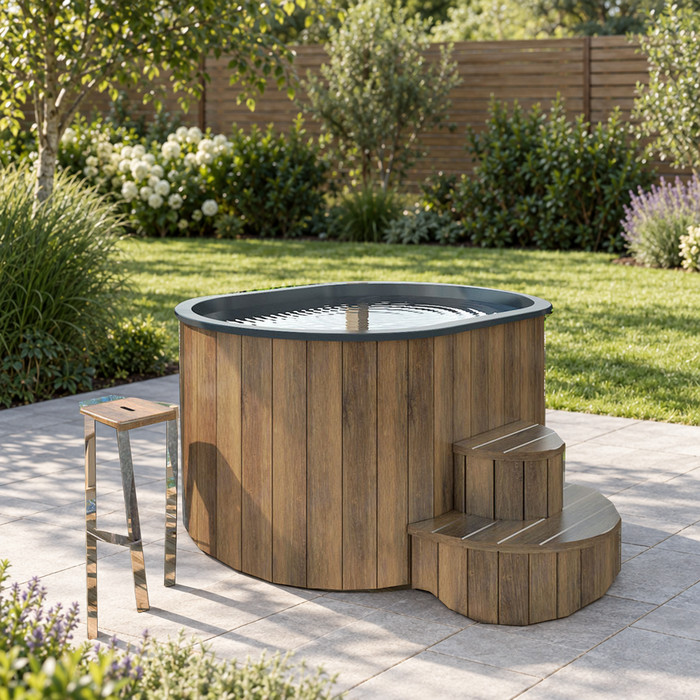
Recognise changes in the timber or coating
Inspect the accessible exterior for changes such as uneven fading, a loss of sheen, peeling or blistering coating, dark patches that persist, raised fibres, splits, swelling or edges that appear to lift. Check corners, lower edges, joints, cut ends and shaded areas as well as the broad panels; changes often show up first where water or debris gathers. A mark or colour change does not prove that the timber is damaged, and a visual check cannot identify its cause, but it gives you a useful record to discuss with the manufacturer.
Compare the same areas over time in similar light and take dated photos from a consistent distance. Note which side of the tub is affected and whether the change appeared after a period of strong sun, rain or other exposure. For an inspection record relating to the Cove 2 product page, include your own model details and photographs rather than using catalogue images as a condition baseline. An overall view can establish the location, while a closer view can show the particular edge, joint or patch you are monitoring. Describe what has changed in plain terms, such as a larger dark patch or a newly lifted edge, without diagnosing the cause. Keep observations of colour separate from observations of movement, cracking or peeling. This makes the record easier to compare at the next inspection and gives the person advising you more useful information than a general statement that the timber looks weathered.
Know when to ask for repair advice
Get advice if a panel moves, a fixing becomes loose or exposed, a split grows, an edge lifts, or the timber appears persistently damp or swollen. Peeling or flaking across an area may also need more than routine cleaning. These signs do not establish a particular fault, but they are a reason to pause before sanding, filling, sealing or recoating. Applying a new finish can conceal a change and make it harder to assess what is happening underneath.
Contact the manufacturer or supplier first and describe what you can see, where it is, and whether it has changed. Ask whether the issue is suitable for a surface-care specialist or needs attention from someone familiar with the tub. Do not pry off panels or alter fixings to investigate unless the manufacturer directs you to do so. For an enquiry about Bloomcabin Hot Tub Aurora 10, include the model details, an overall photograph and a close-up of the affected area. Mention any recent cleaning or coating work and identify the products used, if known. Ask which maintenance tasks should wait until the area has been assessed, rather than assuming that routine recoating can continue around it. Keep the response with your care record, including any distinction between cosmetic work and a repair. Neither a catalogue photograph nor the model name can establish whether the visible change is harmless.
Choose a cleaner for the confirmed finish
A cleaner’s label should match both the confirmed surface and the manufacturer’s instructions. “Suitable for exterior timber” is not enough if the product has not been approved for the existing coating. Ask whether the cleaner is compatible with the actual finish, what tools may be used with it, and whether it can affect colour or sheen. If the timber has been coated by a previous owner, tell the manufacturer; that layer may change which products are suitable.
Check the product directions for preparation, application, rinsing and disposal of run-off, but do not treat those directions as permission to use it on the tub. Where the manufacturer and product label appear to disagree, pause and ask for clarification. Compare the exact product name and intended use, not just the brand: a recommendation for one cleaner should not be read as approval for everything in the same range. Avoid choosing by scent or a broad “multi-purpose” claim. Before buying, make sure you understand the whole process, including any specified tools and residue-removal steps. If a direction is unclear, identify that step in your question rather than asking only whether the cleaner is suitable. Keep the answer with the product details so you can refer to the same instructions when it is time to clean again.
Check before applying a protective treatment
Do not assume that exterior timber needs a new coat of oil, stain or sealer. Some finishes may be intended to remain as they are; others may have a manufacturer-specified maintenance treatment. Applying a different product over an unknown coating can alter the appearance or complicate later care. In particular, a product sold for decks or fences is not automatically suitable for hot tub cladding just because both are outdoors.
Before purchasing a treatment, ask whether it is needed now, which product type is approved for the exact finish, and what preparation and application instructions apply. Clarify any directions about masking, run-off, drying or curing rather than guessing. Do not cover a split, loose panel or other damage with a fresh coating. If the Haven 6 product page is on your shortlist, include treatment requirements in your comparison of ongoing care. Separate the work needed to prepare the surface from the work of applying the treatment; a product name alone does not describe the full task. Ask whether the proposed treatment maintains the existing appearance or changes it, and whether the instructions cover later recoating. Record the approved product and process together. This helps you assess the commitment before buying supplies, rather than discovering halfway through that you have not allowed for a required preparation or drying stage.
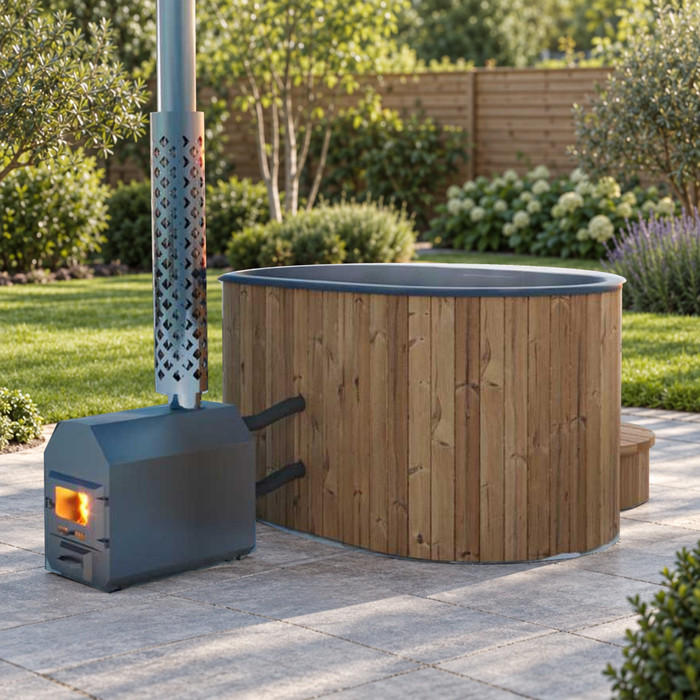
Use the manufacturer’s maintenance interval
Keep cleaning intervals separate from inspection and treatment intervals. The manufacturer may set them by time, by the condition of the surface, or by another model-specific instruction. Do not substitute a generic annual recoat rule or assume that more frequent treatment is safer. If the guide does not say how often to inspect or treat the exterior, ask for the interval that applies to your timber and finish, and whether the answer changes with your site exposure.
A simple maintenance record can help: note the date, the condition and location of any change, the instructions followed, and the name of any approved product used. Keep the product label and photos with the model’s manual. Give inspections, cleaning and treatment their own entries so a date for one task is not mistaken for completion of another. After cleaning, record what was done rather than just writing “maintenance completed”; this leaves a useful history if the finish later changes. You can also note the effects of a period of strong sun or wind-driven rain, without using that observation to change the treatment schedule yourself. If a visible change occurs between recommended treatments, seek advice rather than applying an extra coat by guesswork. Where advice changes the planned schedule, keep the revised instruction alongside the original guidance so the reason for the change remains clear.
Compare exterior care before buying
Ask for the exterior material, factory finish and model-specific care guide before choosing a hot tub. Find out which cleaner and tools are permitted, whether a protective treatment is required, how often inspection or treatment is recommended, and what signs call for repair advice. Ask whether the instructions apply to the exact version being sold. A product listing can help identify a model, but it should not replace written information about its materials and maintenance.
Compare ongoing care using the factors the manufacturer confirms: approved products, how often they are needed, whether the work requires a specialist, and whether you can reach all sides of the tub to inspect them. Your site’s sun, shade, rain and salt exposure may also affect the practical upkeep, so ask whether the guidance addresses those conditions. Record the answers alongside the Bloomcabin Hot Tub Fjord 8 product page if it is on your shortlist. Use the same questions for each model, and leave unanswered items marked as unknown rather than treating silence as a promise of low maintenance. Consider the whole task, including preparation, access and any specified drying time, instead of comparing only the number of treatments. This gives you a clearer view of how the care will fit your routine, without assuming that a model’s name, appearance or place in the range reveals its finish.
Frequently asked questions
Can I use decking oil on a hot tub exterior?
Not without confirming that the manufacturer approves it for the exact timber and existing finish. A product intended for outdoor timber is not automatically compatible with factory-applied coatings or with the tub’s exterior. Ask whether treatment is needed and which product type is suitable before applying anything.
Does fading mean the timber needs treatment?
Not necessarily. Fading can be a surface change, but appearance alone cannot establish the condition of the coating or the timber. Compare the area with the care guidance, note any peeling, cracking or swelling, and ask the manufacturer if you are unsure whether the change is cosmetic.
How often should I clean or recoat the exterior?
Use the interval given for your model and finish. Cleaning and recoating may have different schedules, and site exposure can affect upkeep. If the instructions do not give an interval, ask the manufacturer rather than adopting a generic annual schedule.
Is it safe to pressure-wash or bleach the timber?
Do not assume either method is suitable. Pressure, chemicals and scrubbing can affect timber or its coating, and the right approach depends on the surface. Use them only if the model-specific instructions explicitly allow them and explain how.
What should I do if I cannot identify the finish?
Pause before using a cleaner or treatment. Find the model details and any manual, take clear photos of the exterior, and ask the manufacturer or supplier to identify the timber and finish. If you can see loose panels, deep splits or other damage, describe that as well.
Good timber care starts with knowing what is on the outside of the tub. Match every cleaning or protective product to the confirmed timber and finish, and let the manufacturer’s instructions—not a generic calendar—set the maintenance interval. A brief record of exposure and surface changes helps you describe concerns clearly when seeking advice. For prospective buyers, those same care requirements provide a practical basis for comparing long-term upkeep as well as appearance.
