
How to choose an outdoor hot tub for your garden
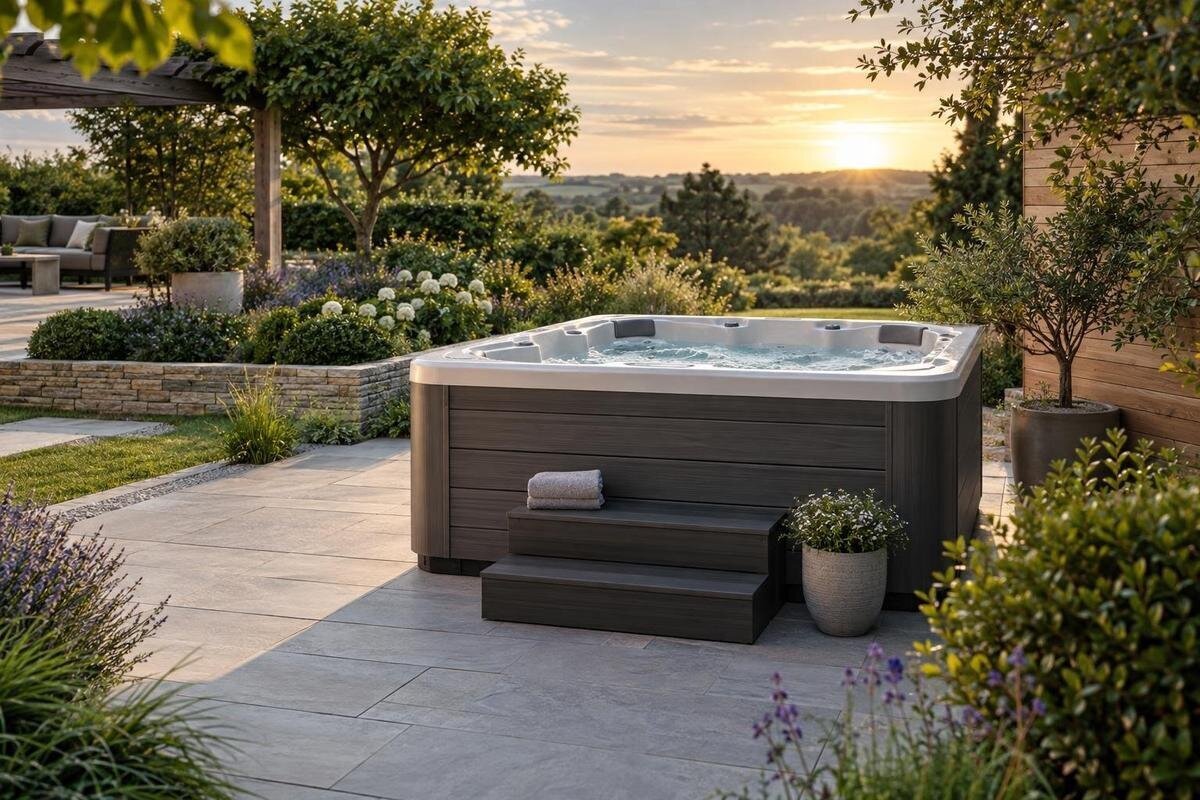
Garden hot tub buying guide
Choosing an outdoor hot tub is a balance between your everyday routine and the realities of your garden. Decide who will use it and how often, then check the available space, access route, site requirements and ongoing commitments. Keep preferences separate from must-haves. Before comparing the supplied Bloomcabin models, confirm the current specifications: a product name or image does not establish its capacity, dimensions, features or installation needs.
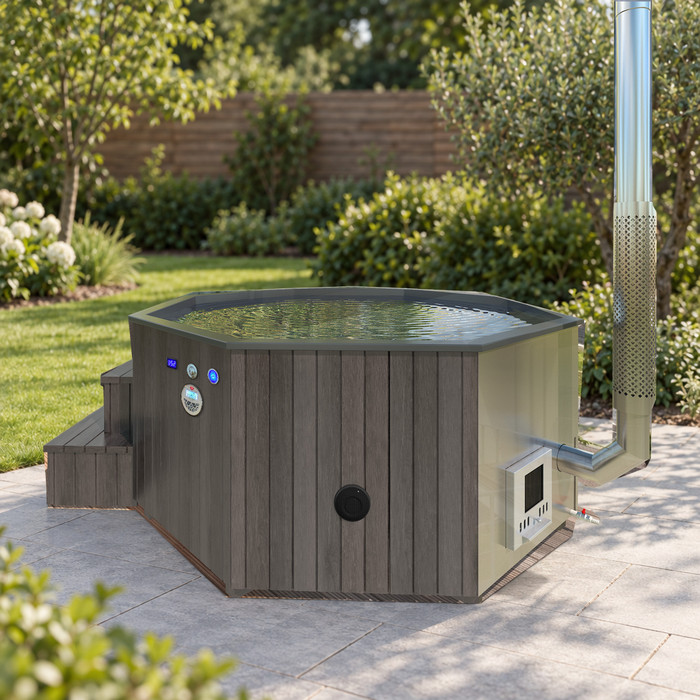
Begin with your usual routine
Picture a normal week rather than an ideal holiday weekend. Note who would use the tub, when it might be used, and whether sessions would be spontaneous or planned. A tub intended for a quiet end-of-day routine raises different priorities from one used mainly when friends or family visit. Frequency matters too: a set-up that suits frequent use may not justify its cost or upkeep for an occasional treat, while a complicated routine can become a burden if it is inconvenient. Write down how you are likely to use it, rather than the pattern you hope to adopt.
Think about the seasons as well. Will you want to use an outdoor tub mainly in summer, through colder months or throughout the year? Consider how sheltered the likely spot is and whether you are comfortable planning around the weather. Also think about the practical routine before and after use: how easily people can reach the tub, where towels and supplies will go, and whether you are willing to keep up with regular care. Describe an ordinary evening in enough detail to reveal any inconvenience: getting outside, preparing for use and putting things away afterwards. If that routine sounds awkward, identify what would need to change. This gives you a more useful starting point than a list of attractive features, because you can judge each option against how you would actually use it.
Account for everyone who will use it
Separate the people who would use the tub regularly from those who might join occasionally. Ask household members what matters to them, including how much room they want and what they would need from the seating arrangement. If visitors are part of the plan, decide how often that is likely to happen rather than treating every possible guest as a regular user. When considering the Bloomcabin Hot Tub Cove 2, compare its stated capacity and layout with these needs; the model number is not a seating-capacity claim. Record any differences within the household too. One person may prioritise space, while another may care more about the seating position. Keeping those preferences separate makes it easier to judge a model without assuming that everyone wants the same thing.
Compare the stated capacity and seating layout in the current product information with your usual group. A capacity figure is a starting point for comparison, not a guarantee that everyone will find a layout comfortable. Look for details about the arrangement and usable interior space, and ask the supplier if those details are not clear. Where you can view a model in person, use that opportunity to judge the space for yourself; do not assume that another model with a similar name or appearance will feel the same.
Check the garden and surroundings
Choose a possible location before falling in love with a particular model. Consider how much of the garden it would occupy and whether the tub would interfere with paths, doors, outdoor seating or other uses of the space. Once you have a model’s verified external dimensions, compare them with the location and allow for any access or working space specified by the supplier. A spot that looks generous in a photo may feel different once the full footprint and surrounding space are considered.
Think about the experience of using that spot, not just whether a tub can be placed there. You may prefer a position close to the house for convenience, or a more private area away from windows and neighbouring views. Consider how the chosen location relates to existing landscaping and the way people move through the garden. Look at it from the house and from the paths you use regularly, and consider what garden space you are willing to give up. If two locations seem possible, note the advantages and compromises of each rather than choosing on appearance alone. Raise any concerns about exposure or privacy with the supplier or installer alongside the model’s placement requirements. This helps you compare locations while there is still room to change your plan.
Plan access, delivery and installation
The route to the intended location can rule out an option even when the garden itself seems large enough. Walk from the likely delivery point to the spot and note gates, narrow sections, turns, steps, changes in level and overhead obstructions. Compare this route with the supplier’s delivery and handling requirements for the exact model and configuration. Product dimensions alone may not describe the space needed to move or install it, so ask what information the supplier needs to assess access before you commit.
Clarify who is responsible for each part of the installation and what must be arranged at your property. Ask whether site preparation, delivery, connections or other work are included, and which parts require separate planning or qualified trades. When reviewing the Bloomcabin Hot Tub Haven 6 product page, note the exact configuration you are considering so that questions about access and installation relate to the same option. Keep a simple record of the work involved, who would organise it and what remains unresolved. If delivery and installation are handled separately, ask where one service ends and the other begins. This helps you identify gaps in the arrangements before placing an order, rather than assuming that everything needed to get the tub into position is covered by a delivery quote.
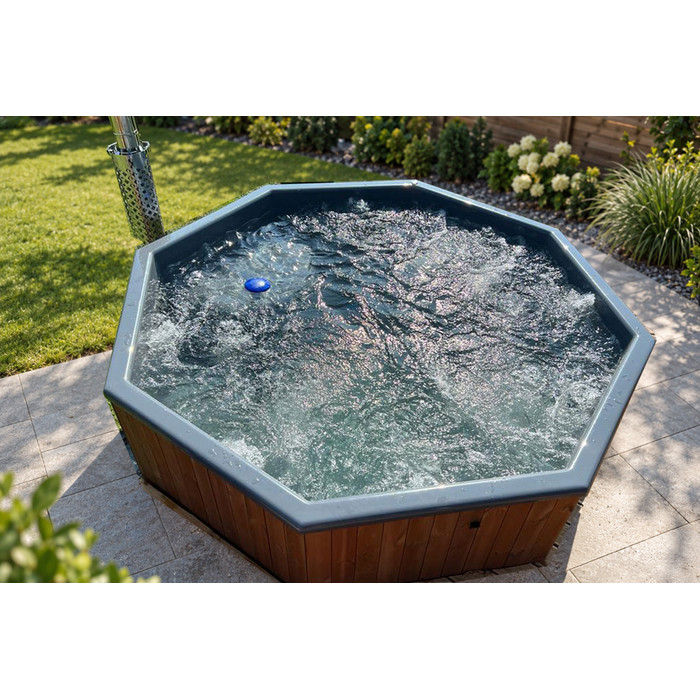
Separate must-haves from optional extras
Write a short list of requirements that would rule a model in or out. These might include a verified fit for your regular users, a location that meets the stated site requirements, a manageable access route and a total commitment within your budget. Then make a separate list of preferences, such as appearance or particular convenience features. Ranking the items helps when no option appears to meet every preference, and stops an attractive extra from distracting you from a practical constraint.
For every feature you are considering, check whether it is available for the exact model and configuration, whether it is included or optional, and whether it genuinely supports your routine. As you review the Bloomcabin Hot Tub Fjord 8 options, distinguish what you would use regularly from what simply looks appealing. Do not assume a feature is included because it appears in an image. Ask for confirmation where the description is unclear, and record any extra cost in the same comparison as the rest of the purchase. A useful test is to ask whether you would still shortlist the model without that feature. If the answer is yes, it is probably a preference rather than a requirement. That distinction gives you more flexibility when weighing up otherwise suitable choices.
Compare verified model details
Build a simple comparison using the same categories for every candidate. Check the exact model and configuration, stated capacity, seating layout, external dimensions, required clearances, heating arrangement and what is included. Add construction or material details only where the product information confirms them. This keeps comparisons focused on facts that affect your decision, rather than broad impressions. If an important detail is missing or unclear, mark it as unconfirmed instead of filling the gap with an assumption.
Use current specifications from the seller or manufacturer and check that each detail refers to the model you are actually considering. Review the Cove 2 product details against the same categories you use for the other candidates. Product photographs can help you recognise a design, but they do not verify dimensions, materials, capacity or included accessories. If descriptions differ between pages or options, ask which information applies to the configuration being quoted. Keep the answer with your comparison so you do not accidentally combine details from different versions. It also helps to separate a confirmed specification from your own judgement: the stated dimensions are one entry, while whether those dimensions suit your garden is another. This makes it easier to see why a candidate remains on the list or falls short.
Consider heating and water care
Check which heating arrangement is available for the exact configuration and what the property must provide. Your expected pattern of use, the seasons when you plan to use the tub and the available services at the site all matter to this comparison. Ask for model-specific information rather than estimating performance from the name or appearance. If you want to compare energy use, request the assumptions behind any estimate, since your own use and energy costs may differ. Do not treat an unverified heating option or performance claim as a reason to choose a model.
Water care is another part of everyday ownership. Find out what routine checks, cleaning and treatment the manufacturer specifies, what supplies are needed and how much time the routine is likely to take. If you are considering the Fjord 8 hot tub, ask for its care guidance alongside its heating information so you can assess the overall routine. Think about who in the household would take responsibility and whether they are comfortable with the tasks involved. Also ask how routine maintenance differs from occasional servicing, and where you would obtain help if something is unclear. You do not need to master every procedure before shortlisting, but you should understand the commitment well enough to compare it with your available time. If that commitment feels unrealistic, reconsider the option rather than assuming you will find time later.
Budget for purchase and ongoing costs
The purchase price is only one part of the financial decision. Depending on the model and your property, you may also need to account for delivery, site preparation, installation work, energy, water-care supplies and ongoing maintenance. For a candidate such as the Bloomcabin Hot Tub Aurora 10, request a quote for the configuration you would actually buy. Ask which items are included and which are separate, rather than comparing headline prices with different scopes. Keep optional extras apart from the essentials so you can see where there is room to adjust the total. If a cost is not yet known, leave it visibly unresolved rather than treating it as zero. A lower initial quote is only useful for comparison once you understand what it covers and what you would still need to arrange.
Make a realistic estimate using your intended frequency of use and local energy information, and mark any unknowns clearly. Running costs can vary with the selected heating arrangement, usage, site conditions and care routine, so avoid relying on a generic figure as if it were a promise. Ask the supplier for the basis of any model-specific estimate and compare assumptions across candidates. Keeping purchase, installation and ongoing costs on separate lines shows which uncertainty matters most and helps you decide whether to seek a more precise quote before choosing.
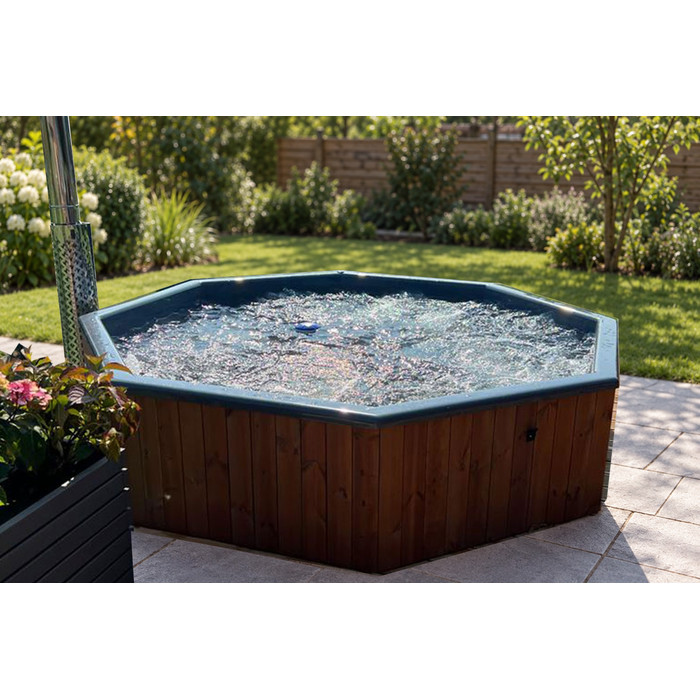
Confirm property-specific requirements
Before settling on a model, check whether there are property-specific matters that could affect its location or installation. Depending on where you live and the type of property, it may be sensible to ask your local council, landlord or property manager what applies. Do not assume that a set-up elsewhere in New Zealand is a reliable guide to your own circumstances. If you have a concern about access, neighbouring properties or the intended site, raise it early, while you can still adjust your shortlist.
For technical questions, ask the supplier what the chosen model requires and speak with appropriately qualified trades about any work at the property. This is particularly important where electrical connections, heating or fuel arrangements, or other services need to be considered. Use the Haven 6 model information to make clear which product and configuration you are discussing. Keep questions about the product separate from questions about the property: the supplier can explain the model’s requirements, while the relevant professional or authority can address the site-specific issue. Note any answer that could change the location, cost or feasibility of your plan. Resolve those points before ranking optional features, because a preferred model is only a useful candidate if its installation can be accommodated at your property.
Compare your final shortlist
Put each candidate into a comparison table and mark every requirement as confirmed, not suitable or still unknown. Compare Cove 2, Haven 6, Fjord 8 and the Aurora 10 listing using the same criteria, without treating their model numbers as capacities or a size ranking. Alongside each result, add a brief reason that relates to your needs: a confirmed garden fit, an acceptable care routine or an unresolved installation question, for example. This keeps the table useful rather than turning it into a collection of specifications with no clear bearing on your choice. Give your must-haves priority over the number of favourable entries. Several appealing extras should not outweigh one requirement that the model cannot meet, and an unanswered question should remain visible until you have enough information to decide.
Remove options that clearly conflict with a must-have, and follow up on unanswered questions before treating an uncertain detail as a match. Then compare the remaining models against the routine you described at the start: who will use the tub, where it can go, what work the site needs and what ownership involves. If two choices still look similar, return to your priorities and decide which trade-offs you would find easiest to live with. A well-founded choice is the model whose confirmed details fit both your everyday use and the practical limits of your garden.
Frequently asked questions
Can a hot tub model number tell me how many people it seats?
No. Treat the number as part of the model name, not a capacity claim. Check the current specifications for the stated capacity and seating layout, then consider whether the space and arrangement suit the people who will use it most often.
Should I choose a tub for the largest group I might host?
Not automatically. Separate your usual group from occasional visitors, then weigh the extra space against your garden, budget and likely upkeep. A larger stated capacity does not, by itself, show that a particular layout will feel comfortable to your group.
What should I check in the garden before shortlisting models?
Identify a possible location and check the available footprint, access around it and the route from the delivery point. Compare these with current model dimensions and the supplier’s site requirements; do not estimate from product photos.
How can I estimate ongoing costs without a quoted price?
Ask for model-specific information and make a separate estimate for energy, water-care products and maintenance. Use your own likely pattern of use and applicable utility information, and label any assumptions. A generic figure may not reflect your site or routine.
Who can confirm what my property needs for installation?
Ask the supplier what the selected model requires, then check property-specific questions with the relevant council or property manager and use appropriately qualified trades for technical work. Requirements can depend on the property and installation, so avoid relying on a neighbour’s set-up as proof.
A useful shortlist is based on confirmed details, not assumptions about a model name or an attractive photograph. When your routine, garden constraints, installation questions and ongoing commitments have all been considered, the remaining choices are easier to compare on their actual merits. If an important specification or site requirement is still uncertain, resolve that point before making it the deciding factor.
