
How to Plan Water Supply and Drainage for a Garden Hot Tub
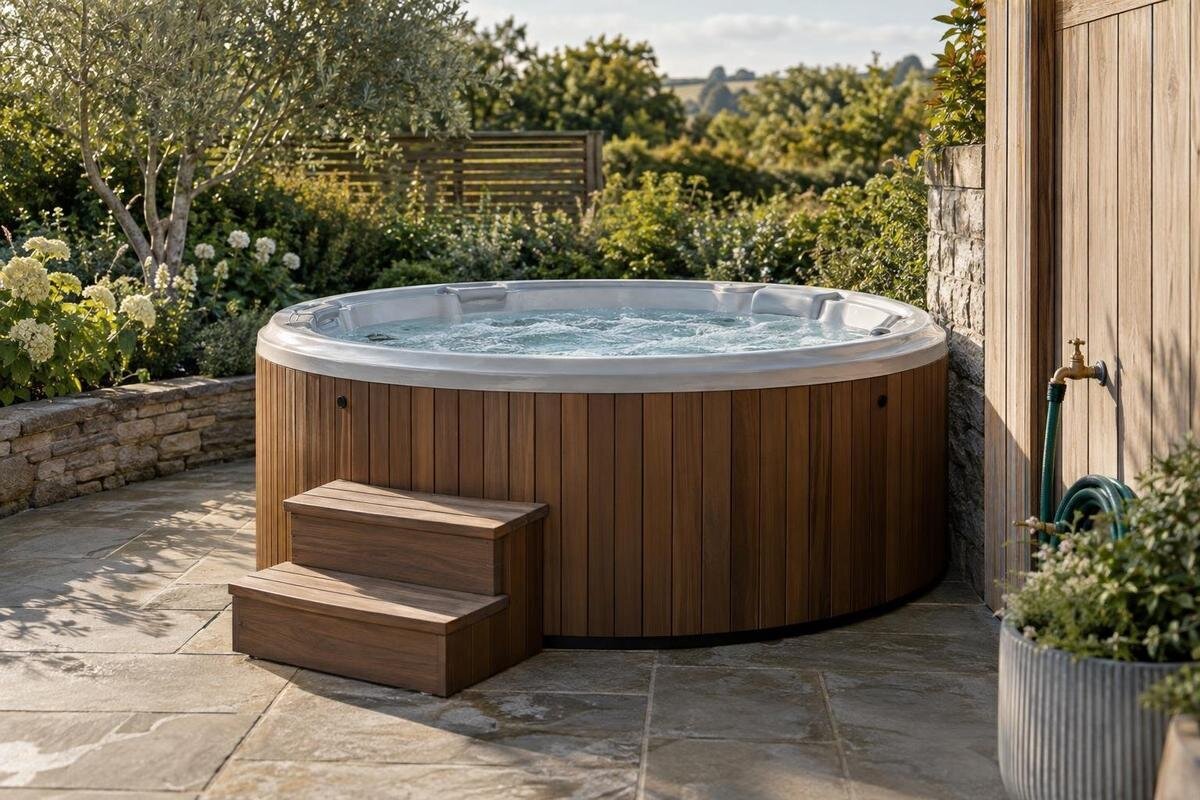
Garden hot tub planning
Before ordering a garden hot tub, map the full water journey: the source for the initial fill and later top-ups, then the route and destination for water when it is drained. A tap close to the proposed site solves only part of the problem. You also need the model’s current filling and drainage instructions, the water-care method and local confirmation that the proposed discharge is acceptable. Sort those details early so the product and any additional plumbing or drainage work are based on verified information, not guesswork.
Water sources and manufacturer requirements
List the water supplies available at the property: a town or mains-water tap, a storage tank, a bore, collected rainwater or a delivered supply. For each, ask the hot tub manufacturer whether it is suitable for the exact model and water-care system, and whether testing or preparation is needed. Clear water, a familiar household tap or a supplier’s description does not establish compatibility. If the supply is shared with household use, livestock or irrigation, include those demands in your assessment. For an intermittent or seasonal source, check what will be available when you plan to fill, not just the tank’s nominal capacity.
Obtain the model’s confirmed fill volume from current instructions or the supplier; don’t infer it from a product name, photograph or marketing shorthand. Ask whether that figure refers to the recommended fill level, then compare it with the source’s usable reserve. Allow for household needs and later top-ups as well as the initial fill. If you are considering Cove 2, request its current filling instructions and ask whether your proposed source is suitable. Get the volume and any source requirements in writing so you can assess the available supply before committing to that model or arranging a water delivery.
Access for filling and top-ups
Walk the whole route from the tap or other fill point to the proposed tub position. Measure the distance and note gates, steps, garden beds, paving, tight corners and places a hose might be pinched, crossed by vehicles or left in a walkway. Consider whether you can lay out and remove the hose without trampling plants, blocking regular access or creating a wet, slippery surface. If the route crosses a shared area or someone else’s land, obtain permission and agree how it will be managed. Keep the source tap reachable so you can control the fill without moving stored items or entering an awkward space.
Ask the supplier what connection the tub requires and whether a hose, adapter or other fitting is included; don’t assume a standard garden fitting will match. Estimate filling time using the manufacturer’s confirmed volume and the flow available at the intended tap. If you are considering Haven 6, request its fill-volume and connection details so you can assess the proposed hose route. Consider later top-ups too: a route that works once may be inconvenient if it repeatedly crosses a path or uses a connection that is difficult to reach. Check whether other household water use affects the supply at the times you expect to fill.
The tub’s filling and drainage connections
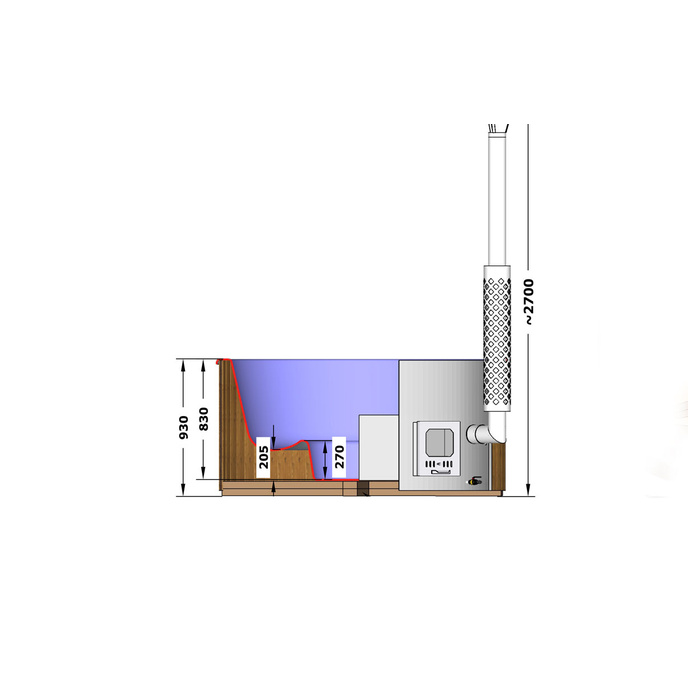
Get current, model-specific filling and drainage instructions before choosing fittings or deciding where a permanent service route should run. Ask for the filling method, drain outlet position and orientation, connector details, and any limits on hoses or other equipment. Confirm whether the manufacturer specifies gravity drainage, a pump or another method; don’t infer the answer from a photograph or another model’s manual. Request a current installation drawing if one is available. It gives an installer verified connection points to work from and helps avoid planning around a generic picture or an assumed outlet location.
Check which items come with the tub and which must be arranged separately. Establish from the manufacturer’s instructions whether a hose, adapter, pump, valve or connector is needed; don’t assume these are all required or included. Ask how the drain point will remain accessible once the tub is positioned and whether a particular orientation is needed to reach the agreed route. For Fjord 8, request the outlet position, connection details and specified drainage method together, so the supplier can clarify how they relate to your proposed layout. If the plan uses existing plumbing, have a qualified plumbing or drainage professional confirm compatibility before work begins.
Choosing an acceptable discharge destination
Name the proposed destination before working out how to get water there. A wastewater connection, an on-site wastewater system, land, a stormwater network and a waterway are different routes, not convenient alternatives to one another. Ask the local council or relevant wastewater service provider whether the exact destination is suitable for treated hot tub water at your address. Don’t assume that the nearest drain, street kerb, garden, soakage area or stream is acceptable because water appears to disperse there. If you’re unsure which service is responsible for the point you have in mind, describe it to the council and ask who should advise you.
Trace the route from the tub’s drain point all the way to the destination that has been confirmed. Note the distance, bends, changes in level and places where water could pool, erode soil, cross a path, affect planting or reach a neighbouring property. A simple site sketch with photographs is more useful than saying a drain is nearby: show the endpoint and the direction water would travel. Check the route against the manufacturer’s instructions, and ask a qualified drainage professional to assess any existing connection or difficult ground. Don’t rely on an improvised hose route when it is time to drain the tub.
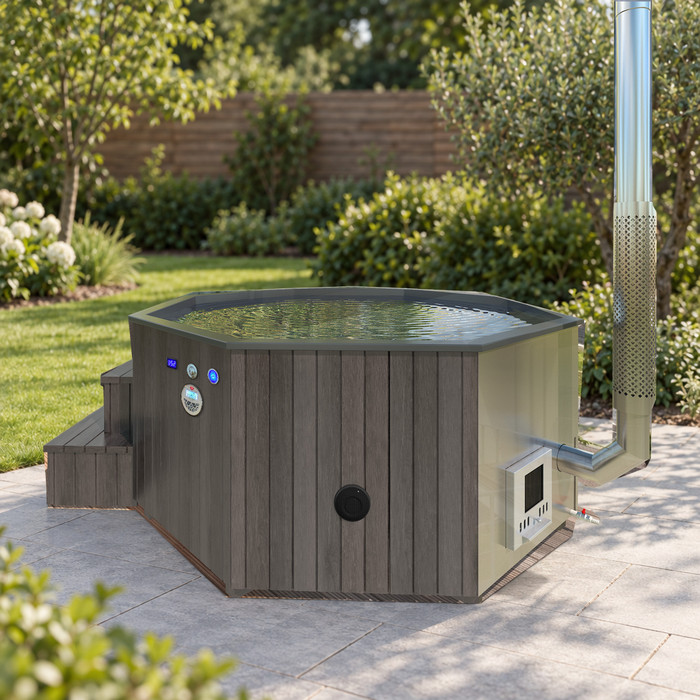
Water treatment and disposal
Tell the manufacturer and the person responsible for the proposed destination which water-care products you plan to use. Ask whether treatment residues affect where water may be discharged, whether it needs to be managed in a particular way before disposal, and whether the advice also covers filter-rinse or cleaning water. The answer may depend on the products and the location, so a general recommendation found online may not apply. Keep product names available so your enquiry is precise. Don’t release concentrated treatment products or cleaning water into a drain or onto land unless current instructions and local guidance confirm that route is acceptable.
Keep disposal advice with the water-care plan and revisit it if you change products or treatment methods. Don’t carry an old answer over to a changed setup without checking whether it still applies. If you are considering Aurora 10, request the latest water-care instructions and ask whether they specify disposal conditions for your intended treatment. This guide does not set treatment steps or water-change intervals; follow the manufacturer’s current guidance for those matters and separately confirm the destination. Record which treatment products and discharge route the advice covers, so anyone helping with drainage can understand what water is being handled and which conditions apply.
Local council and water supplier checks
Make separate enquiries about getting water in and disposing of it. Ask your water supplier whether current restrictions, metering arrangements or property-specific conditions affect the initial fill and later top-ups. For disposal, contact your local council or the organisation responsible for wastewater at your address. Describe the proposed destination, water source, treatment products and estimated volume from the selected model’s confirmed instructions. If the property uses an on-site wastewater system, or you are considering discharge to land or water, say so clearly; a different team may need to answer than the one handling a general question about drains.
Use direct, property-specific questions: Is this exact destination acceptable here? Does the treatment method change the answer? Are there conditions or approvals to resolve before work begins? If the person you contact cannot answer, who is the right authority or provider? New Zealand service arrangements vary by location, so advice about another property or another kind of discharge may not fit your situation. Keep written replies with the date, the team or provider, the model and the scenario you described. A written record helps keep the supplier and any trade professional working to the same plan. Recheck the advice if the model, treatment or destination changes.
Comparing models with confirmed water details
Once you know the likely source and have a discharge destination to check, compare shortlisted models using the same information list. Request the exact fill volume, any accepted-source or water-quality notes, outlet location and connection, manufacturer-specified draining method, required accessories and water-care information relevant to disposal. Ask for the current instruction document or a written answer, and mark what remains unknown. Check that the information applies to the exact model and version being offered. A like-for-like comparison shows whether each confirmed requirement fits your property; model numbers, photographs and product names are not substitutes for volume or connection specifications.
If Bloomcabin Hot Tub Cove 2 remains under consideration, compare its confirmed details with the same list for every other tub on your shortlist. Record whether each model fits the available water supply, proposed hose route and accepted discharge arrangement, and identify any extra equipment or work it would need. Treat a missing figure or unclear outlet instruction as an open question, not an assumption. If a confirmed connection differs from your plan, revisit the proposed position or additional work before ordering permanent pipework. Keep the supplier’s model-specific clarifications alongside the comparison so you can distinguish a resolved requirement from one that still needs an answer.
Budgeting for water and drainage work
Budget for the whole water arrangement, not just the tub and a hose. Possible costs include water for the confirmed fill volume, supply or delivery charges where relevant, compatible hoses and fittings if they are not supplied, manufacturer-specified draining equipment, and plumbing or drainage work. A metered supply or local wastewater service may also affect what you pay; ask the provider how its charges apply rather than using a generic online estimate. None of these items is automatically required or included in every setup. Separate confirmed requirements from possibilities, and allow for work needed to make the agreed route practical.
Ask the supplier to itemise what is included for the selected model and what the owner must arrange. When reviewing the Haven 6 product page, note any questions about supplied fittings or equipment to include in that enquiry. Give a qualified plumber or drainage professional the exact manual and proposed destination, then request a quote that states which work and parts it covers. Confirm who will source components, arrange any necessary approvals, complete the work and keep the drain outlet accessible after positioning. Comparing quotes against the same confirmed scope makes it easier to identify omissions rather than treating different totals as prices for the same work.
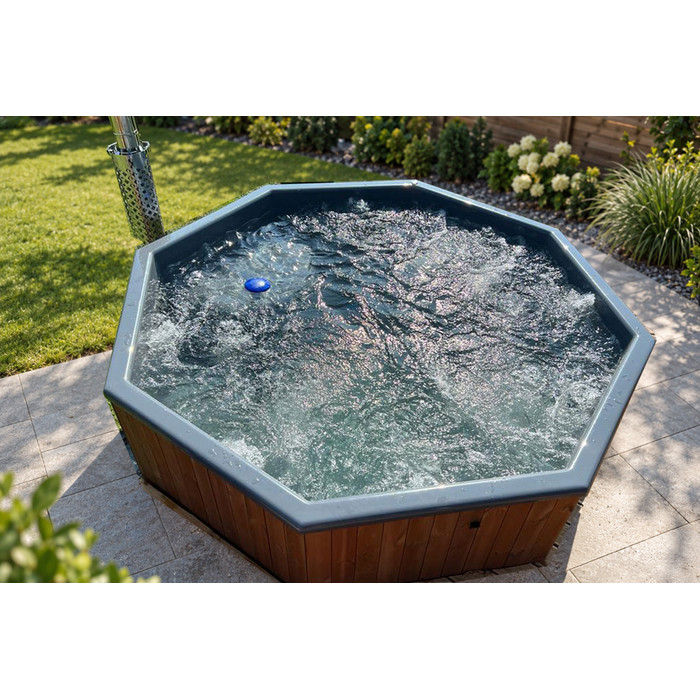
Coordinating connections with the final position
Put confirmed details on a simple site plan before fixing the final position or any permanent connection. Mark the source, practical hose path, tub’s verified fill and drain points, agreed discharge destination and route constraints. Send the plan and the exact model’s current documents to the supplier and, where needed, your plumber or drainage professional. Ask whether the intended orientation leaves the connection points accessible and whether the manufacturer specifies space around them. Don’t cover a connection or build around a guessed outlet location: a small position change can alter hose reach and the route to the agreed destination.
Arrange agreed work and confirm the required fittings before the tub arrives, rather than after its outlet is difficult to reach. Coordinate with the supplier and tradesperson so they use the same model documents and route plan. If you have selected the model shown in the Fjord 8 product listing, ask the supplier to confirm its drain outlet orientation and what must be ready on site. Record who is responsible for each preparation task and resolve any differences between the site plan and the connection instructions before work proceeds. This is water and drainage planning; check delivery access and other installation needs separately.
If no acceptable discharge route is available
If no destination has been confirmed, pause rather than letting water run to the nearest drain, onto a lawn or towards a boundary. Ask the council or service provider what alternative route, if any, is acceptable for your address and treatment method. If someone suggests a connection, pump or holding arrangement, confirm that it is compatible with the model’s current instructions and have the relevant qualified professional assess it. Equipment can move water, but it does not by itself make a destination suitable. Keep permanent drainage work on hold until the destination question is resolved.
Possible choices include revising the route, reconsidering the tub’s position, arranging a confirmed connection or choosing a product whose documented drainage arrangement better fits the property. Assess how each option would affect access to both the water source and the discharge destination, rather than solving one problem while leaving the other unresolved. If considering Bloomcabin Hot Tub Aurora 10, compare its documented drainage arrangement with the constraint you are trying to resolve, then confirm the revised destination locally. Ask the supplier about any manufacturer-approved alternative method rather than assuming one is supplied. If there is no practical, accepted arrangement, postpone or change the purchase plan instead of improvising after installation.
Common questions
Can I fill a hot tub from a rainwater tank or bore?
Possibly, but don’t assume the water is suitable. Ask the manufacturer whether that source is acceptable for the exact model and water-care system, and whether testing or preparation is needed. Check the source has enough usable water for the fill without compromising household or other essential use.
Can I drain hot tub water onto the garden?
Only if the manufacturer’s water-care guidance and the relevant local authority confirm that the treated water and proposed discharge are suitable for your property. Garden soil, stormwater and wastewater routes are not interchangeable. Check before draining rather than relying on general advice.
Can I use a stormwater drain?
Don’t assume so. Ask your council or relevant service provider about the exact drain and the treatment used, and clarify whether it is a stormwater or wastewater route. A visible inlet does not establish that it is an acceptable destination for hot tub water.
Are hoses and drain fittings included?
Confirm this with the supplier for the exact model. Ask which filling and drainage items are supplied, what connectors or method the current instructions specify, and whether you need to source anything separately. A product name or photograph does not confirm what is included.
How much will filling and drainage cost?
It depends on the confirmed fill volume, water charges or delivery, fittings and any plumbing or drainage work. Ask your water supplier about applicable charges and request trade quotes against the model’s instructions and an accepted discharge plan. Don’t estimate capacity from a model number.
Good water planning covers both directions and makes clear who has confirmed each part. Once the source, model-specific instructions, fittings, local discharge destination and any additional work are settled, you can compare products on what will actually work at your property. If the model, treatment products or outlet route changes before installation, check the affected advice again rather than carrying an old assumption forward.
