
Inflatable vs Hard-Shell Spa Pools: Which Suits Long-Term Use?
Outdoor spa pool ownership
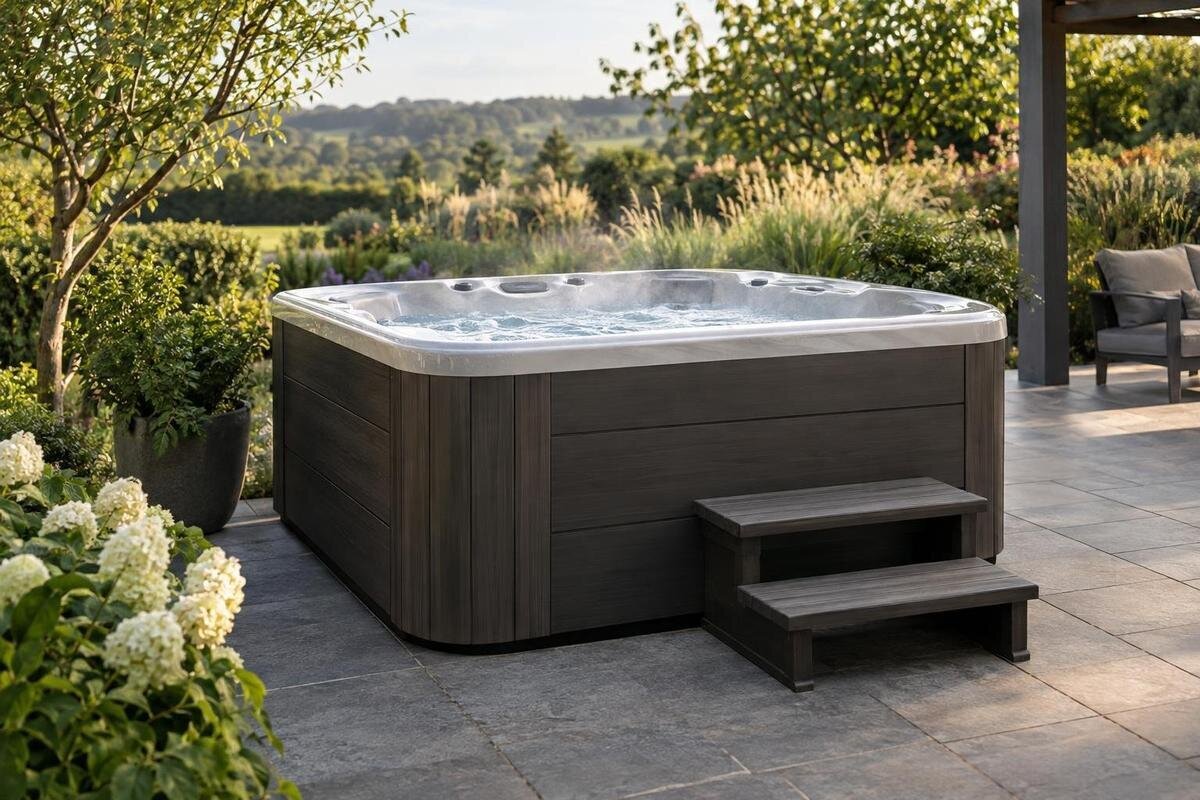
An inflatable spa pool and a hard-shell spa pool can have very different set-up and storage demands, but the shell type alone does not predict how long a particular model will serve you or what it will cost to own. How often you will use it, whether it will stay in one place, and how willing you are to maintain, store and service it all count. The useful comparison is the full ownership pattern over the years you expect to keep it.
Inflatable and hard-shell construction
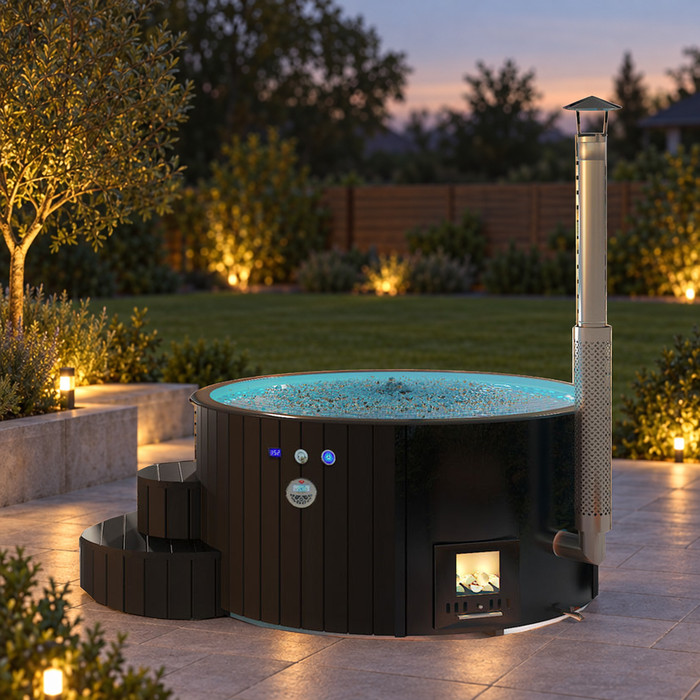
An inflatable spa pool typically has flexible, air-supported walls; a hard-shell spa pool has a rigid bathing shell. That is a construction distinction, not a verdict on quality. Within either category, the supporting frame, shell materials, insulation, cover and layout of serviceable equipment can differ. A category label alone cannot tell you how well a particular pool retains heat, how it handles regular set-up, or what can be repaired if a component fails. The outer material says little by itself about hidden components or access for service. Rigid construction does not establish a longer service life, and flexibility does not establish poor durability. The complete design and the support available for it matter when you plan to own a spa pool for years.
The catalogue information supplied for Bloomcabin models confirms their names only. It does not show whether Bloomcabin Hot Tub Cove 2 is inflatable or rigid, or verify dimensions, seating, insulation, durability, parts, warranty or service. Ask the retailer for the construction type and documentation for the exact model and version, then compare that information with a second candidate on like-for-like terms. A model manual or a clear written description is more useful than relying on a broad category label. The type you think you are buying can shape expectations about storage and repair, but only the actual design and the seller’s support determine whether those expectations are sound. Treat each unconfirmed point as a question, not a feature.
How often will you use the spa pool?
Frequency changes what you value. A spa pool used most weeks has to fit a repeating routine; occasional use may make packing away, storage or setting it up again more relevant. Neither construction type automatically suits one pattern. Ask who will use it, how predictable use will be, and whether someone can keep up with the manufacturer’s routine for water care, cleaning and checks between visits. The key question is not only how often you hope to soak, but how much attention you can give the pool when it is idle. A pool that becomes a maintenance burden may be poor long-term value even if its purchase price seemed attractive. A realistic calendar of busy weeks and time away is more useful than an idealised promise of frequent use.
When considering Bloomcabin Hot Tub Haven 6, confirm the stated care requirements, what regular checks involve, how the cover should be used, and where the retailer directs you for servicing. Sketch an ordinary month, including time away and busy stretches; consider whether the pool will stay ready or whether you would follow the maker’s storage procedure. If you expect regular use, prioritise a routine you can sustain. If use will be intermittent, compare the effort of keeping it ready with the effort of storing it and setting it up again. Include the weeks when nobody is likely to use it, rather than assessing only the days when a soak sounds appealing. That gives you a more realistic basis for judging whether the model fits your household.
Leaving it set up or storing it between seasons
Where the pool will live is a long-term choice. A flexible inflatable design may allow deflation and storage, but the exact model’s instructions determine whether that is practical and what cleaning, drying and equipment handling are required. Packing it away still takes time and space; later, you need to set it up again. A rigid shell cannot be folded, so moving it after installation generally calls for more planning and suitable handling. How difficult that is depends on the product and access to the site, not just its category. Avoid using catalogue images or a model number as a guide to the space or effort involved. If you need to reclaim an outdoor area during the off-season, plan for both the pool and its associated equipment.
For Bloomcabin Hot Tub Fjord 8, ask whether the maker intends the model to remain set up or permits seasonal storage, and what needs to be stored alongside it. If you need to free up outdoor space, consider the storage area you have and the work required to return the pool to use. Include associated equipment in that assessment rather than thinking only about the bathing area. If it will remain in place, confirm the continuing care and protection expected. Portability is valuable only when it solves a real problem for you; a pool that is theoretically movable may still be impractical if storage or repeated set-up does not suit your household.
Insulation and access for servicing
Insulation is one reason not to treat the two categories as automatic cost rankings. Heat retention depends on the complete design: insulation around the shell or body, the cover and its fit, exposed components, use patterns and conditions around the pool can all matter. The category name does not tell you where insulation is placed or how well it performs. A hard shell is not proof of superior insulation, and an inflatable pool is not proof of poor insulation. Ask for model-specific information and note whether any performance figures use stated assumptions. Without comparable evidence, avoid turning a general impression about construction into a confident forecast of energy use.
For Bloomcabin Hot Tub Aurora 10, request the insulation description and any published performance information for the exact configuration, including the conditions and assumptions behind it. Also ask how serviceable components can be accessed: access may affect the time and expense of upkeep, regardless of shell type. These are separate considerations. Insulation information helps you assess heat retention, while access information helps explain what servicing may involve. Compare each candidate on the same basis, rather than relying on words such as insulated or efficient without supporting information. If the seller cannot provide a useful energy comparison, record performance as unknown instead of assuming one type will be cheaper to run.
Repair options depend on what fails
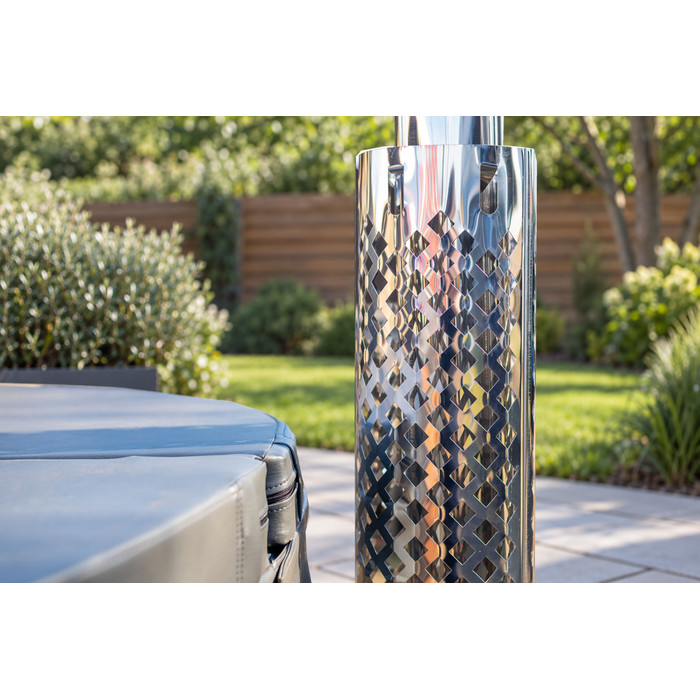
Repairability depends on the part that has failed. Damage to a flexible wall or seam is different from damage to a rigid shell, and a leak from a fitting or pipe is different again. A pump, heater, controls, cover or insulation may each need a different part or technician. Do not assume every puncture can be patched, every shell repair is simple, or that a model’s individual components will remain available. Ask the manufacturer or seller which repairs are supported, which parts can be replaced, whether the repair route depends on the fault, and who can diagnose it. For structural or electrical faults, seek appropriately qualified service rather than treating generic repair advice as a model-specific procedure.
Use the Cove 2 product page to identify the model when asking about repairs. Request information about body damage, seams, fittings and major equipment, as relevant to its confirmed construction. Find out how parts are identified by model and version, whether replacements can be ordered, and who arranges diagnosis or repair. Distinguish a repair to the pool body from replacement of a separate component; an answer about one does not establish what is possible for the other. If support is not confirmed, mark that as an uncertainty in your ownership comparison. A repairable design can preserve value only when instructions, parts and capable help are realistically available to you.
Warranty cover and service support
A warranty and a service route are related but not interchangeable. Written terms can explain what is covered, for how long, and what conditions apply; they do not automatically show how readily help or parts will be available. Read the current terms for the exact model and seller, and note whether the shell, cover and equipment are treated differently. Ask who handles a claim, whether labour, transport or diagnosis costs may arise, and how the owner should contact support. Do not apply one product’s terms to another or infer coverage from a general statement about quality. The information that matters is the wording supplied for the model you intend to buy.
When discussing the Haven 6 listing, request current written warranty and after-sales information tied to that exact version. Ask whether service support is available in New Zealand, how you would contact it, and what happens if the retailer or maker needs to identify a fault before sending a part. Separate the question of who pays under the warranty from the practical question of who organises the work. Keep the answers with your quote and purchase records, then compare them with the same information for other candidates. A clear route to getting help matters if the spa pool will stay in use for years, when a failed component may interrupt your routine even if a repair proves possible.
Compare costs over the same ownership period
Long-term value should be compared over the same ownership period. Start with a time frame that matches your plans, then consider the purchase price alongside energy, routine water-care supplies, replacement parts, servicing, cover replacement, and any storage or moving costs that apply. This is a comparison framework, not a prediction: the amounts depend on the exact model, usage, conditions and current local prices. Keep confirmed quotes separate from estimates and unknowns. A lower purchase price can be outweighed by later expense, but the opposite can also be true; neither outcome follows automatically from inflatable or hard-shell construction. Do not compare one pool’s full-year estimate with another’s partial-season figure.
When comparing the Fjord 8 product page with another listing, request current New Zealand pricing and ask what each quote includes. Use the same ownership period and usage assumptions for both. Without comparable prices, running-cost estimates and expected lifespans, a numerical payback comparison would create false precision. If a seller provides an energy estimate, record the conditions behind it and treat it as an estimate rather than a guarantee. Keep any allowance for uncertain repair or replacement costs clearly labelled rather than presenting it as a quoted expense. The useful conclusion is whether the costs you can establish fit your budget over your chosen period, not which type has a supposedly universal low-cost advantage.
Consider the time and effort you can sustain
Money is only one part of ownership; time and convenience matter as well. A pool that remains set up may avoid repeated packing and set-up, but it still needs the manufacturer’s ongoing care. A pool intended to be stored may free up outdoor space, but its owner needs somewhere suitable to keep it and must be willing to manage the recurring process. Neither option removes routine water care or the need to check components according to the manual. Estimate the effort honestly: who will do it, how often, and whether that remains realistic during busy weeks? Long-term suitability is partly about choosing a routine you can maintain without resenting it.
If you are assessing the Aurora 10 listing, ask the retailer to describe the owner’s recurring tasks for the exact model and distinguish them from work handled by a service person. Confirm what needs attention when the pool is not in use, what is required before storage or return to use, and whether professional servicing is recommended. Use those answers to decide who in your household would take responsibility for each task and where outside help would be needed. Do not assume a rigid pool is maintenance-free or an inflatable pool is inherently more demanding; the component design and instructions determine the workload. Compare that workload with the time and help you can realistically provide.
How to compare your shortlisted models
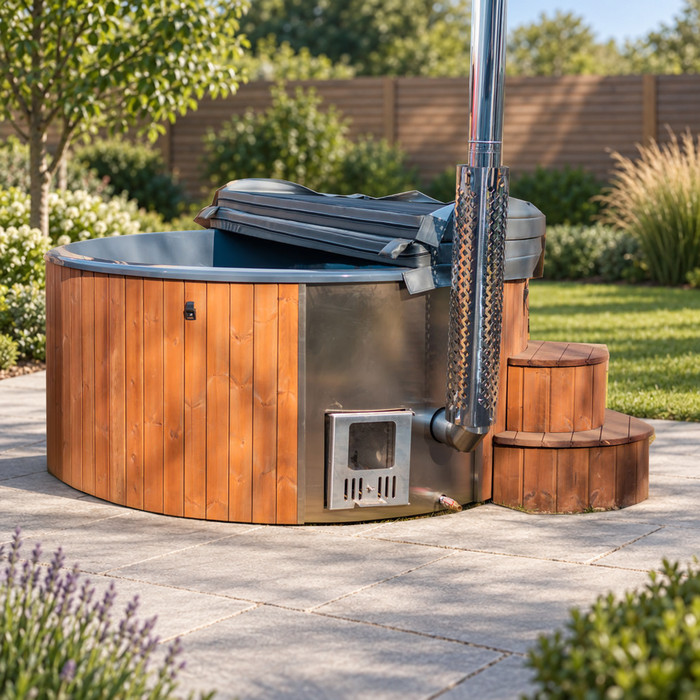
Bring the ownership details together in a side-by-side comparison rather than making separate decisions about price, storage and repairs. Give each shortlisted model the same headings: construction, intended use, storage, insulation, routine care, repair options, warranty and service support. Add the current quote and the ownership period you are considering. Keep confirmed information, estimates and unanswered questions visibly separate. This makes it easier to see whether an attractive price is accompanied by unresolved ownership questions, or whether a model offers documented advantages that matter to your routine. Do not infer seating or capacity from model numbers when filling in the comparison.
For Cove 2, Haven 6, Fjord 8 and Aurora 10, tie each answer to the exact model, version and configuration being quoted. A general answer about inflatable or hard-shell pools is not a substitute for model information. If a detail remains unknown, note which part of your decision it affects: unconfirmed storage instructions matter particularly if you need the outdoor space back, while an unclear parts route matters when assessing repairability. You do not need to give every feature equal weight. Concentrate on the information that could change whether you can use, maintain or keep the pool as planned, and resolve those questions before choosing.
Which spa pool suits your long-term routine?
If you want a spa pool that stays in one place and is used regularly, begin by checking documented insulation, service access, replacement parts and local support. A rigid shell may be worth comparing, but the label is not evidence that these needs are met. If reclaiming space or storing the pool between seasons is central, an inflatable model may be a better candidate only if its maker permits that storage routine and you are comfortable with the repeated work. A regular user with uncertain service arrangements may be better off pausing until support questions are answered. The deciding factor is how the actual model fits your use, not an assumed winner between categories.
Make your decision by ranking four practical priorities: frequency of use, permanence of set-up, willingness to maintain or store the pool, and confidence in repairs and service. Decide which priorities are non-negotiable, then compare current quotes and written model information against those needs. If key facts remain missing, postpone the type comparison rather than treating uncertainty as a hidden advantage. Over several years, the best fit is the pool whose documented design and support match the routine you can sustain, at a total cost you understand, whether its walls are flexible or rigid.
Frequently asked questions
Will a hard-shell spa pool always last longer?
No. A rigid shell does not guarantee a longer service life. The complete design, care, conditions, repair options and availability of parts all matter. Ask for model-specific evidence and written warranty terms rather than treating the construction type as a lifespan guarantee.
Can every inflatable spa pool be stored between seasons?
Do not assume so. Check the manufacturer’s instructions for the exact model, including whether storage is intended and what preparation and equipment handling it requires. Also consider whether you have suitable space and are prepared to repeat the process when you want to use it again.
Is an inflatable spa pool always cheaper to own?
No. A lower purchase price does not establish lower costs over time. Compare current prices and likely energy, water-care, service, parts and storage costs over the same ownership period. Keep confirmed figures separate from estimates and unknowns.
Are punctures and shell damage easy to repair?
It depends on the model, the materials and the location and type of damage. Ask the seller or manufacturer which repairs are supported, whether parts are available and who can carry out the work. Do not assume a generic repair method is suitable for a particular spa pool.
How can I confirm a model’s construction type?
Ask the retailer for current product information identifying the exact model and version as inflatable or hard-shell. The catalogue names Cove 2, Haven 6, Fjord 8 and Aurora 10 do not establish their construction types. Do not infer construction, dimensions or capacity from a name or model number.
Over several years, neither an inflatable nor a hard-shell spa pool is automatically the better-value choice. The sensible option is the one whose verified construction suits whether you want a permanent set-up or seasonal storage, whose maintenance fits your routine, and whose parts, warranty and service arrangements are clear enough to plan around. If those details are missing for a model, keep the decision open rather than filling the gaps with type-based assumptions. That keeps the comparison focused on the ownership you will actually have.
