
Comparing inward- and outward-opening windows
Window planning
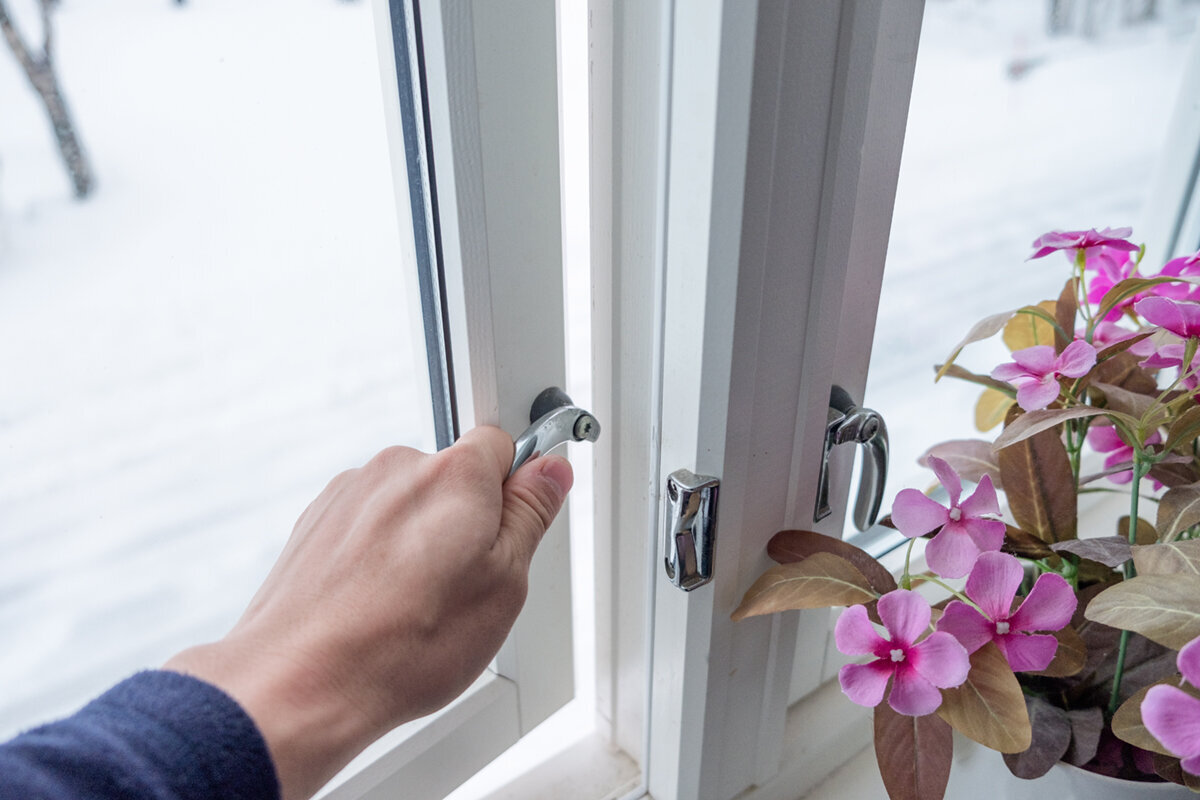
A window’s opening direction affects more than the look of the façade. It determines whether a desk can stay in place, an outside path remains clear, the sash can be operated for ventilation, and the outer pane can be reached. In renovations especially, this choice is often made too late: the layout is furnished, the patio planned and window dimensions fixed. It is better to view every window as a movement zone, indoors and out. Inward-opening windows take up room space, but bring the sash inside for operation and cleaning. Outward-opening windows keep the interior clear, but need an unobstructed zone in front of the façade. This comparison helps you set the opening style alongside sash arrangement, hinge side, use and adjacent building elements.
Start with the opening zone, not habit
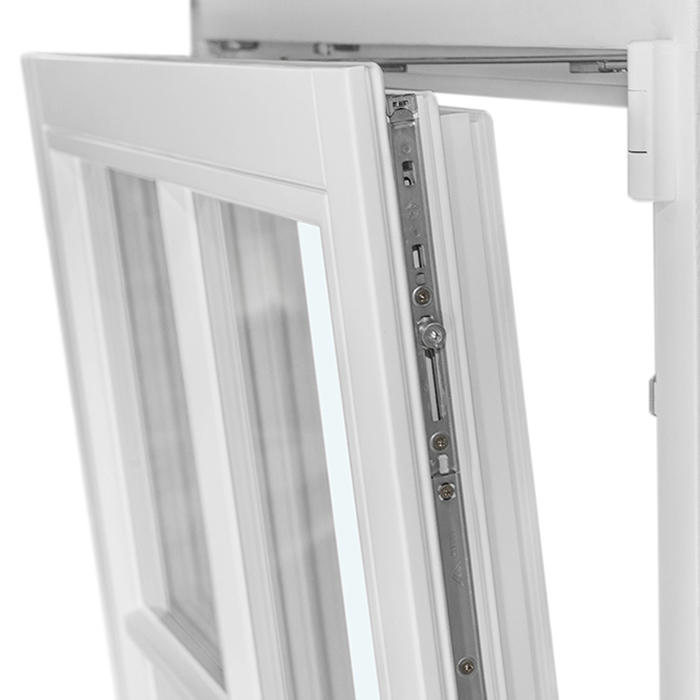
For every planned window, draw the open sash into the floor plan and elevation. You need the clear opening width, sash height, hinge side and maximum opening angle, where this is specified for the chosen system. An inward-opening sash uses a circular zone inside the room; an outward-opening sash uses the same zone in front of the façade. This simple sketch often reveals conflicts that remain hidden while the window is closed: a radiator beneath the window, a high armchair beside it, a curtain, a wall shelf or a narrow patio outside. Assess the room with its real furniture and everyday circulation routes, not as an empty space.
Opening direction is also only one part of the operating concept. Decide early whether the sash will open fully, be used only for ventilation or moved infrequently. A window above a benchtop needs a different solution from one beside the dining table. In a living space where the indoor swing area remains clear, a single-sash inward-opening window can be a sensible starting option. The product name describes the opening direction and number of sashes, but does not replace checking the actual dimensions, hinge side and installation situation. Record the decision for each opening in a window schedule. This lets you address special cases deliberately instead of discovering them on site.
Inward-opening windows in furnished rooms
The main advantage of an inward-opening window is that its handle, hardware and open sash can be reached from inside the room. This makes everyday operation easier, provided the area in front remains accessible. Plan not only a clear strip immediately below the window, but also the route to it. A built-in desk may leave the handle reachable yet still stop the sash opening far enough. With a bed by the window, mattress height matters as much as the distance to the reveal. Large curtains, internal shading and plants can also change how the window moves. It is best to test the sash with a scale template or a marked line on the floor.
Multi-sash units need even closer consideration. With a double-sash inward-opening window two sashes can move into the room, so the opening sequence and position of the inactive sash should be planned too. This is not automatically impractical: in a generous room, the wide opening can be very useful. In a narrow study or guest room, one sash may be the better choice. Also consider how the window can be cleaned or dressed when the sash is open. Furniture does not have to stay far away permanently, but it should be movable when full opening or maintenance is needed. State clearly in the quotation which indoor areas must remain clear.
Outward-opening windows at the façade and property side
Outward-opening windows free the space in front of the internal wall. That can be a compelling advantage with plant-filled sills, seating immediately by the window or small rooms. However, the sash needs that space outside. Treat the façade as a use zone: is there a path, balcony, patio, exterior stair, bin, bicycle space or balustrade there? An open sash should not make ordinary movement or placing objects impractical. Downpipes, exterior lights, shutter guides, insect screens and planned shading also belong in the elevation. The question is not only whether the sash technically fits, but whether its movement remains trouble-free in daily life.
Where there is a row of similar openings, it is worth planning the hinge sides as one overall arrangement. Two windows whose sashes swing into the same narrow outdoor zone can interfere with each other in use. A single-sash outward-opening casement window is therefore particularly convincing when its outside area is clearly defined and accessible. Discuss whether the sashes should open towards the centre of the building or towards its sides. This affects both the façade and adjacent paths. Also consider open windows in wind and when maintaining exterior surfaces. An opening direction that saves space indoors shifts attention outdoors; it does not remove the need for space.
Coordinate furniture, heating and window treatments
Inward-opening sashes often conflict not with one item of furniture, but with a combination of furnishings and use. A low cabinet may allow the sash to pass, while a lamp placed on it or an open laptop prevents operation. A radiator below the window is not necessarily a deal-breaker, but calls for a check of the sill, handle height and sash path. Deliberately leave a rearrangeable zone in front of frequently used windows. Furniture in a child’s room may change several times; a layout that works only with the current bed size is less robust. Think also about window handles with curtains closed and the space a curtain requires when opening.
Outward-opening sashes can reduce these indoor conflicts, but decoration and interior fit-out still matter. In particular, window sills, plants and internal privacy screening should not make opening and closing difficult. Where a room has little wall space on one side, an outward-opening window can improve its usability without making the room larger. For bigger window openings, a double-sash outward-opening casement window can free the interior from swinging sashes. Check the outdoor area for each sash separately. During the selection discussion, do not just note “consider furniture”; record specific items and clearances. This shows whether the choice will work long term or only with one particular furnishing arrangement that could easily change.
Do not treat the patio side like an ordinary window
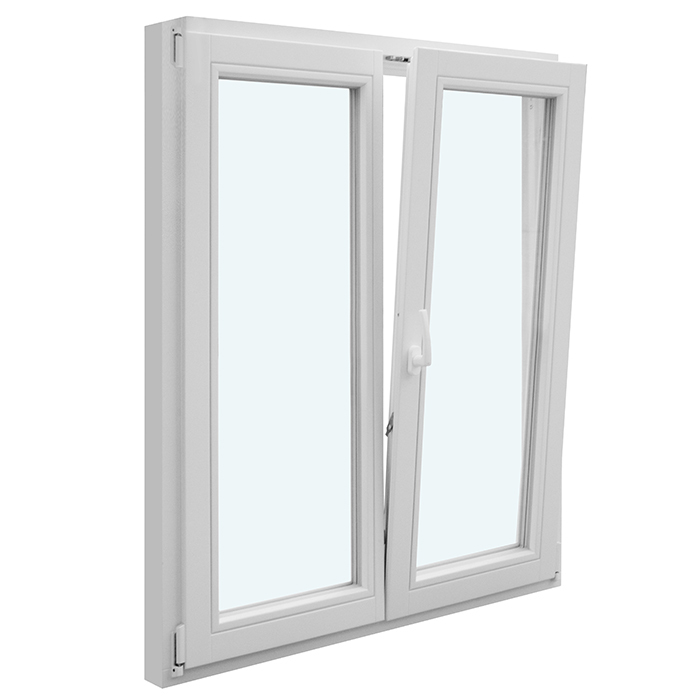
At the patio, indoor space, outdoor living and circulation meet particularly closely. An outward-opening window or door sash can preserve space inside, while outside it may cross a table, chairs or the route towards the garden. Conversely, an inward-opening sash needs room in the living area when it is opened wide. First establish where people actually walk: from the house to the patio, from the seating area to the garden, to a stair or side door. Then draw in the open sashes. A clear route on the plan should remain clear when the opening is used for ventilation. Allow for seasonal furniture and planters, not only the empty area at handover.
For an opening regularly used as a passage, the operating sequence and sash position matter more than for a ventilation-only window. A single-sash inward-opening patio door places the swing zone in the living room; it can work well if a clear circulation area is allowed there. Alternatively, a single-sash outward-opening patio door can keep the interior clear if the patio provides the required swing area. Do not choose from the name alone. For each option, ask about the clear area required with the door open, the hinge side, and its interaction with an awning, balustrade, step and furniture. A door should link the living areas, not turn the other area into a place to step aside.
Treat cleaning and access as a separate planning item
The opening direction changes from which side glass, frame sections and hardware can be reached. With inward-opening windows, the outer side of the open sash often comes closer to the room. This can simplify care, but is not a general promise for every window size, position or design. With outward-opening windows, the sash is outside when cleaning; access must be assessed realistically in advance. A ground-floor window over clear ground raises different questions from one above a canopy, at a high gable or in a hard-to-reach façade zone. Do not rely on the assumption that a solution will be found later. Check cleaning before ordering with the person who will actually carry it out.
One possible alternative where access to the outside is decisive is a single-sash outward-opening pivot window with a vertical axis. Its suitability still depends on the intended size, position and construction, and should be discussed with the supplier. Fixed-glazed sections raise the same care question differently: they create no sash swing zone, but must still be accessible from both sides. Therefore, decide not only between “inwards” and “outwards”, but between an opening sash, fixed glazing and, where appropriate, another window arrangement. For each hard-to-reach opening, record the intended cleaning access. This is a practical use decision, not a minor matter for final cleaning.
Ventilation: handle position, reach and daily routines
A good window is operated in the way people really live: in the bedroom in the morning, shortly after cooking, while working or before bed. Check whether the handle can be reached without moving furniture and whether the sash can stay in the desired position without blocking a route. With inward-opening windows, a sash in the room may be immediately visible and more likely to be closed again when it becomes inconvenient. With outward-opening windows, it stays out of the way inside but may conflict with use of the façade outdoors. These differences are not a judgement; they are about habits. Ask for every room: who opens this window, from where and in what situation?
Windows in high or difficult-to-reach positions need particularly specific operating planning. An top-hung outward-opening awning window has a different movement from a side-hung casement sash and should be chosen according to handle access and intended operation. Avoid treating opening direction alone as the solution to ventilation questions. Position, number of usable openings, room layout and real accessibility are decisive. Also record whether the window is intended to open fully on a regular basis or mainly for short ventilation periods. This often gives clearer priorities for hinge side, sash arrangement and the clear area beside it.
Choose sash arrangement, fixed glazing and opening direction together
Not every glass area needs a moving sash. A large view can appear calm and uninterrupted with a fixed pane, while a smaller, accessible opening element beside it handles operation. This reduces the swing area required without giving up generous glazing. A fixed-glazed window is not an inward- or outward-opening option, however, but an alternative without a sash. Its position should not be confused with an opening that may be needed later. Especially with broad window bands, plan which sections are to provide views, ventilation, cleaning access and a possible line of sight. A balanced arrangement is often more practical than one large moving element in an unsuitable position.
The number of sashes also changes how a room feels and is used. A double-sash window offers a different opening option from a single-sash window; at the same time, it creates more moving parts and more areas whose paths need checking. In outward-opening solutions, a division can reduce each swing area, but can also distribute them across several zones in front of the façade. In inward-opening solutions, it can divide the room into two movement areas. Assess the drawing in its open state, not only the symmetrical catalogue view. Ask for a depiction in the quotation showing sash arrangement, hinge side and opening direction. If glazing bars are wanted, also distinguish between bars used as decoration and bars that structurally divide the glass; both can shape the appearance, but neither answers the question of sash swing clearance.
Check roof, sloping and special window shapes separately
Windows in roof slopes or unusual shapes should not be planned with the same expectations as a vertical façade window. With a pivot roof window, operating height, furniture beneath the slope and cleaning access are separate issues. A bed or cupboard directly below can affect use more than with a wall window. The sightline in the room and position during opening also differ. Ask for the operating movement of such elements to be explained clearly, and include the finished room height, not only the structural shell. A window whose handle appears reachable on the plan may feel different after flooring, built-in furniture or a deep sill are installed.
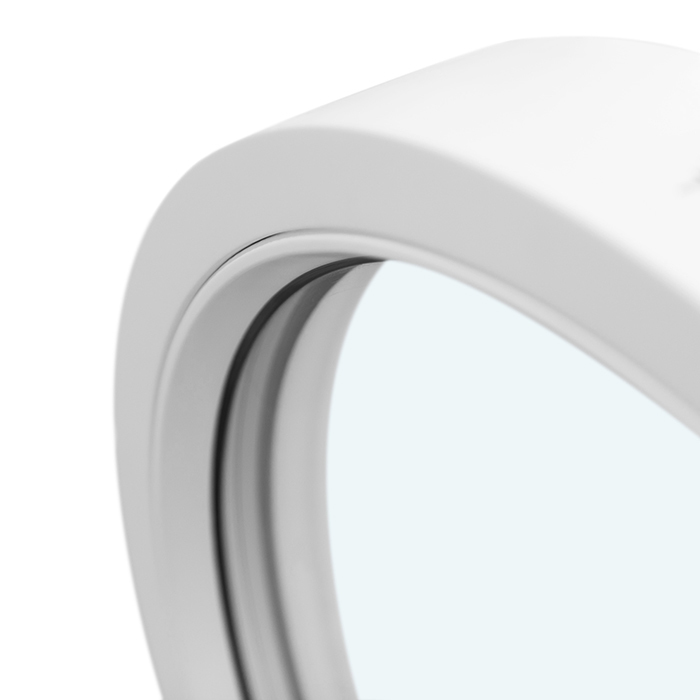
For round, triangular or sloping windows, fixed glazing is often a design option, while ventilation can be provided through a nearby, accessible window. This is not a universal formula, but depends on the room’s function. Do not automatically plan an opening in every visible window section if it would only create a sash that is difficult to operate or clean. Conversely, a fixed special window must not be the only opportunity for ventilation in an otherwise enclosed area. Coordinate window planning, interior fit-out and project requirements with the relevant professionals. They can assess which solution suits the construction, use and intended specification.
Secure the order with a room-by-room window schedule
A reliable order comes from a schedule, not a broad statement such as “all windows open outwards”. Bring together the room, opening type, number of sashes, hinge side, width and height, clear internal zone, clear external zone, intended furniture and cleaning access. Add circulation routes for patio doors and operating arrangements for high windows. Check the schedule against floor plans, façade elevations and the kitchen or furniture layout. In a renovation, existing services, window sills, external elements and actual reveal depths should also be included. The best opening direction can vary from room to room where uses differ. Consistency is useful, but not a reason to accept an obvious conflict.
Before approval, ask the supplier targeted questions: Which hinge side is specified in the drawing? What area must remain clear for full opening? How is operation intended at the planned installation height? What cleaning situation follows from this exact specification? Have the product drawing and order confirmation checked against your window schedule. Bloomcabin states a five-year commercial guarantee for windows and doors, subject to its terms. Delivery takes four to six weeks, subject to order confirmation. Neither replaces the technical and construction coordination required for the individual project. Recording the opening situation early allows a more confident release of the order and helps prevent a suitable window ending up in an unsuitable location.
Frequently asked questions
Are inward-opening windows always easier to clean?
Often, the operating and cleaning side is more accessible from the room because the sash comes inwards. However, this is not a general rule for every size and installation position. Check the specific outside pane, the window height, adjacent elements and actual access before ordering.
Can I combine inward- and outward-opening windows in the same house?
Yes, where room-by-room planning supports it. A small room can have different priorities from a patio side or a hard-to-reach upper-floor window. Clear drawings and a window schedule stating opening direction and hinge side are important, so assumptions do not arise between planning, ordering and installation.
What matters for a window beside a path?
With an outward-opening sash, assess the exterior zone when the window is open. Check paths, seating areas, stairs, balustrades, plants and other elements on the façade. A window must not only work while closed. If uncertain, a different opening style or altered sash arrangement may be more suitable.
Does fixed glazing always solve the space problem?
It removes the swing area of a sash, but does not create an operable opening. Ventilation must therefore be planned through other accessible elements. Cleaning the fixed pane also needs realistic access. Fixed glazing is an option in its own right, not simply a replacement for every opening window.
Which details should I check before buying?
Check the room, dimensions, number of sashes, opening direction, hinge side, clear space inside and outside, furniture, exterior paths, handle access and cleaning. For doors, add circulation routes. Compare these details with the floor plan and elevation, and have the selected specification stated clearly in the order confirmation.
Next step
Inward- or outward-opening windows are not decided by a general preference, but by the movement space available on both sides of the wall. Inward-opening sashes can support operation and cleaning from within the room, but require dependable furniture planning. Outward-opening sashes leave internal floor area clear, but need a usable, conflict-free façade zone. Assess patio sides, high windows, special shapes and wide glazed areas separately. A room-by-room schedule covering hinge side, swing area, access and use turns a matter of taste into an informed buying decision. Have the selected configuration checked against the drawings before ordering.
