
Multipoint locks for front doors: what to consider
Planning your front door and locking system
A robust-looking front door can still have a locking routine unsuited to daily life. Problems may appear only when someone pulls it shut, a child cannot turn the key, or electronic entry is unclear during a fault. Select the multipoint lock with the door design, opening direction and sidelights. Lockcase, locking points, keeps, euro cylinder, door furniture and leaf must work as one system. The point count alone is not decisive. Consider operation, what happens after closing and locking, opening from inside, and suitability for every regular user. This guide explains how to compare quotations, record existing measurements and order a complete door configuration instead of an isolated lock.
Start with the real daily routine
A multipoint lock operates several points along the lock side of the door. That description does not say whether the door merely latches when pulled shut, whether extra elements engage automatically, or whether locking requires a key or handle movement. Write down typical routines: who leaves the house last in the morning, who arrives without a free hand, can children open independently, and is the entrance used frequently during the day? Longer absences and a side entrance used only occasionally should also be considered. These situations create a specific operating requirement, whereas the number of locking points alone says little about the practical routine.
Then define every desired door state in simple sentences. What happens when the door is pulled shut, what happens when it is locked, and how can it be opened again from inside? Should the outside have a lever handle, fixed knob or pull bar? Must a visitor be admitted without someone passing over a key? Ask everyone who regularly uses the entrance to walk through the routine mentally. A solution that seems convenient in a sales conversation may not suit daily life when users have different habits. Include this short use outline in your request for quotation so suppliers do not silently assume a different operating logic. A small use matrix can reveal conflicting wishes. For weekdays, weekends and longer absences, note who operates the door and what state is expected after leaving. Add situations such as shopping bags, prams, home-care visits or short-notice guests only where they genuinely apply to your household. Then mark routines in which someone must turn a key, lift a handle or have an electronic credential ready. This comparison does not replace technical advice, but it provides a better basis for discussion than the general request for a convenient or particularly secure locking system.
Specify door leaf, frame and lock together
A multipoint lock is not selected independently of the door unit. Door height and width, leaf construction, frame, hinge side, opening direction, handle position and existing machining determine which lock version can be planned. For a new outward-opening front door with a panel , the lock, cylinder and internal and external hardware should therefore already be part of the configuration. A product name confirms only the door type and opening direction; it does not prove a particular lock specification. Ask specifically which locking options are available for the selected unit and whether the quoted configuration includes all associated keeps and required machining.
The frame side deserves the same attention as the lockcase in the door leaf. Each locking element must engage with correctly positioned keeps. Replacing the lock will not necessarily repair a stiff existing door. The cause may also be a changed leaf position, unsuitable adjustment or mismatched counterparts. For a new unit, the element drawing and quotation should show the hinge and lock sides and which components are factory prepared. In an existing door, a qualified installer should inspect the door gap, leaf alignment, faceplate, strike rail and existing cut-outs. This avoids ordering a similar-looking replacement part whose geometry does not match the frame.
Compare manual and automatic locking
With a manual multipoint lock, the additional points are engaged deliberately, for example by key or a specified handle movement. This can suit residents who want to distinguish clearly between a door that is merely closed and one that is fully locked. Automatic versions may extend locking elements as the door closes. That may remove a separate action, but it also changes the daily routine. Before comparing systems, establish whether the automatic function engages only certain points, which additional key movement is possible or required, and how the door is then opened from inside and outside. Do not rely on the imprecise term “self-locking”.
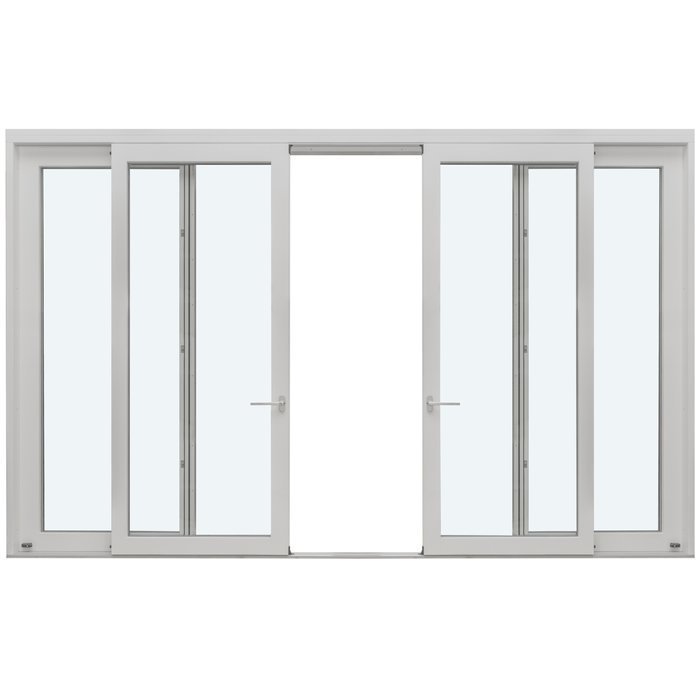
Ask to see both options as a complete sequence: open leaf, door pulled shut, intended locked state, opening from inside and renewed entry from outside. Also check what occurs when the door is not fully closed and how users can recognise its state. A large Patio-Life lift-and-slide door in the same building may have a completely different locking and operating sequence; it should not be used to draw conclusions about the front door. Where several entrances work differently, clear routines and an understandable handover help. The right choice is not the most technically elaborate one, but the one whose states can be reliably understood and used by future occupants.
Assess hooks, bolts and deadbolts objectively
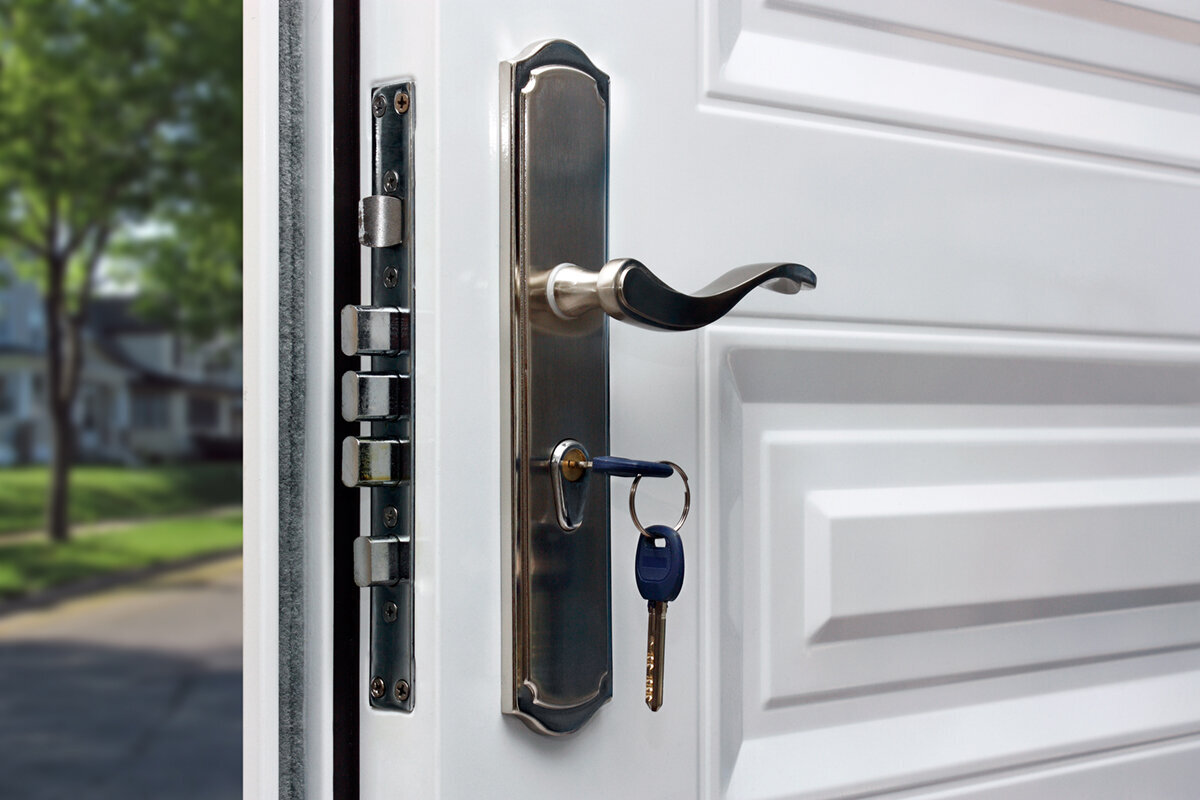
Several locking points may use hooks, bolts, deadbolts or another form belonging to the relevant system. These terms describe different movements and frame-side counterparts, but they do not alone provide a final quality assessment. What matters is that the lock, door profile, keeps and installation are coordinated. Ask the supplier to explain the quoted version on an open door unit or in a clear drawing. Where are the points, how do they move, which keeps receive them, and what operating action triggers them? This lets you compare specific functions rather than descriptive product names.
The number of points should likewise be considered only with their design and position. A higher number does not replace suitable geometry, careful adjustment and reliable closing. Compare quotations line by line: exact lock solution, operating method, described locking points, strike rail or individual keeps, cylinder, internal hardware and external hardware. If a quote states only “multipoint lock”, important components remain unspecified. Also ask which adjustments are made during installation and which signs should later be reported. A precise scope description makes selection easier and also supports checks at delivery and handover. For comparing quotations, use a table with separate columns for included components and open options. Record the lock, frame-side counterparts, euro cylinder, number of keys, internal hardware, external hardware, possible electronics, installation and adjustment. Do not automatically write “included” where details are missing; mark the item as unresolved. This makes price differences easier to understand without making premature quality judgments from a lower or higher total. Have configuration changes confirmed in the same document so that several conflicting versions of a quotation do not remain in the project file.
Size the euro cylinder after selecting hardware
The euro cylinder connects key operation with the lock mechanism. Its length must suit the finished build-up of door leaf and hardware on both sides. In an existing door, do not measure only the total length. The relevant dimensions are the two measurements from the cylinder fixing point to the inside and outside faces. Also note which hardware is currently fitted and whether it will be replaced. Changing the thickness of an escutcheon or backplate can make a previously suitable cylinder unsuitable. For a new door, cylinder dimensions should be derived from the confirmed complete configuration rather than copying an existing cylinder without checking it.
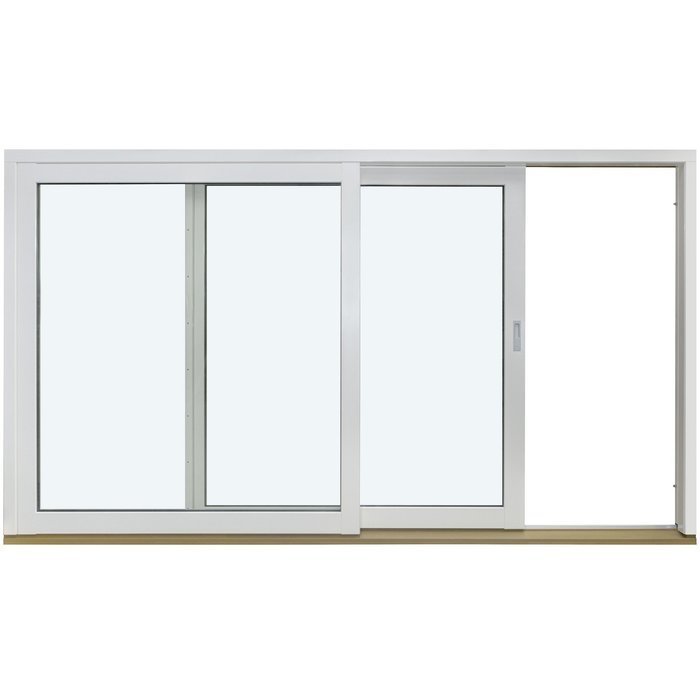
Plan key management at the same time. How many people need a key permanently, who keeps a spare, and what should happen if one is lost? For rented or work-related areas, coordinated access management may matter more than for a single private entrance. A single glazed door sidelight can complement the entrance design, but it determines neither the cylinder nor the locking type. Record on the element drawing which panel opens and which is fixed. This keeps it clear on which leaf the lock, hardware and daily access are located, without confusing design decisions with the locking function.
Check internal and external hardware in practice
Door hardware is more than a visible design feature. The backplate or escutcheon, lever, knob and pull bar influence fixing, cylinder position, grip space and operating path. Define what action should open the door on each side. Depending on the planned configuration, the inside may use a key, thumbturn or another control. Ask how this option works with the selected multipoint lock. Consider users with smaller hands, reduced strength or little familiarity with the door. A complicated sequence does not become better simply because it offers many technical options.
Also check the real clearance around the hardware. A long pull bar may clash with a nearby wall, letterbox, light fitting or the open leaf. With an outward-opening external door , the swing area lies in front of the entrance. Draw the landing, steps, canopy posts, balustrades and frequently stored items to scale. Opening direction alone does not confirm that access will work comfortably on site. Check that the user can stand safely while unlocking and move the leaf without having to change grip. A simple plan view showing hinge side, lock side, swing arc and handle position can reveal such conflicts before ordering.
Think through electronic access completely
A keypad, fob, fingerprint reader, app and motor lock can be alternatives or additions to key-only operation. Do not begin with the device you want; begin with the problem it should solve. Is it changing permissions, keyless return, time-limited access or central management for several users? Then ask for the interaction between credential, controller, lock and door to be explained. Important questions are which action triggers unlocking, how long it remains active, whether it locks again automatically, and what operation remains possible with a mechanical key.
Every electronic solution needs a workable failure plan. Clarify the power supply, possible batteries, low-charge indication, emergency opening, permissions management and responsibility for changes. Also ask what happens after a lost fob, replacement smartphone or change of occupant. For a single outward-opening patio door , outside access, frequency of use and hardware concept may differ from the front door. Do not transfer an electronic function to every door without checking it. Each opening should have its own specification, while permissions and operating guidance remain clearly organised throughout the building.
Include sidelights and other entrances
A house entrance may comprise a door leaf, fixed glazed panels, sidelights and a fanlight. The multipoint lock is on the opening leaf, yet the complete element layout must still be clear. Check the drawing for hinge side, lock side, opening direction, clear movement area and position of all fixed panels. A window with fixed glazing may be used decoratively beside an entrance, but it is not a door sidelight and has no function in the door locking system. Similar glazed surfaces must not be described as the same product type in an enquiry or order. A precise element list prevents dimensions or fixing details being assigned to the wrong component.
Also list every regularly used entrance. These may include a side door, garage, basement entry or a glazed sliding door to the outdoors may be included. Not every unit needs the same lock, but each should fit the everyday access plan. Create a table showing entrance, users, opening frequency, access method and desired state on leaving. This can reveal whether residents carefully lock the front door but routinely only close another entrance casually. The goal is not to make every door identical, but to assign clear roles. It also helps identify where spare keys or electronic permissions are genuinely needed and where simpler operation is sufficient.
Record exact details before replacing existing hardware
Suppliers need precise existing-door information for a replacement lock. Look for manufacturer and type markings on the faceplate or lockcase. Record faceplate length and width, the position of the handle follower and cylinder, their distance apart, and the location and type of other locking points. Photograph the full lock edge with the door open and take close-up images of the lockcase, hardware and frame-side keeps. Also document handing and opening direction from a clearly named viewing direction. Do not remove parts speculatively if this could lose adjustments or leave the door unable to be operated safely.
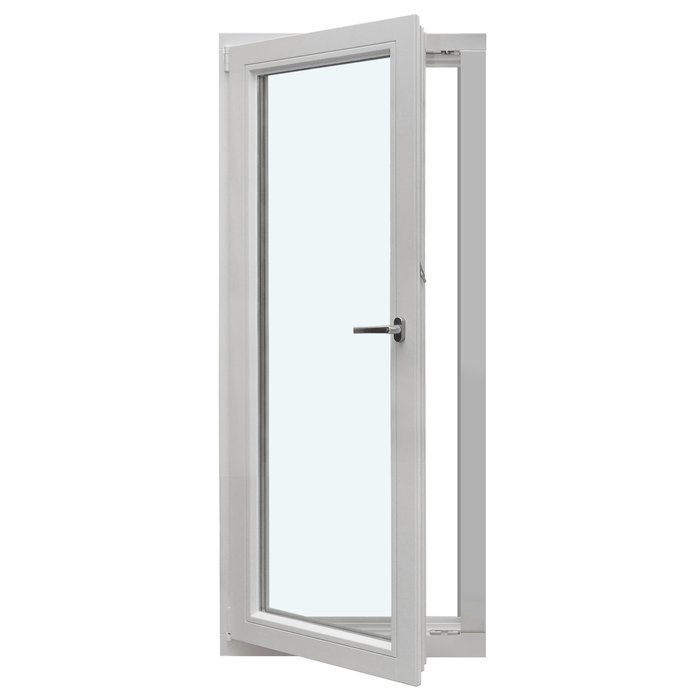
Describe a fault more specifically than “it does not close properly”. Does the leaf sag, rub at a particular point, need to be pushed against the frame, or will the key turn only when the door is lifted? These observations help distinguish a lock problem from an adjustment or geometry issue. A single inward-opening patio door is not, despite similar hardware components, a reference for configuring a front door. If changes to cut-outs and keeps become extensive, compare repair with a new coordinated door unit. Base that decision on condition, effort and intended future use, not simply the age of the existing lock.
Check the quotation, installation and handover
Before approval, a configuration summary should bring together all important details: element dimensions, hinge and lock sides, opening direction, locking type, lock designation, keeps, cylinder, internal and external hardware, and electronic options. Compare this list with the element drawing and your use outline. Resolve unclear collective terms in writing before ordering. Also agree who is responsible for measuring, what preparatory work is needed to the building opening, and who adjusts the lock and door after installation. Responsibilities then remain clear if the door leaf, hardware and lock are delivered individually but not set up as a functioning unit.
At handover, operate the door repeatedly with the leaf open and closed. Check closing, key travel, internal operation, every locking state and each agreed electronic access method. Have the number of keys, configuration and operating instructions documented. Bloomcabin states a five-year guarantee for windows and doors; delivery takes four to six weeks after order confirmation. These details do not replace checking the specific order and its confirmation. Report stiffness at acceptance rather than masking it with extra force. A good handover ends only when regular users can follow the intended routine themselves.
Frequently asked questions
Is a manual multipoint lock sufficient?
Yes, if the deliberate locking action suits the users and their routines. An automatic option is not inherently better. Compare what happens after the door is pulled shut, what additional key movement is needed, and how it opens from inside and outside. Every resident should be able to distinguish the states clearly.
Can every existing front door be upgraded?
This can only be assessed after recording the existing unit. The lockcase, faceplate, handle follower, cylinder position, locking points, cut-outs and frame-side keeps must work together. If the leaf already sticks or sags, its geometry should also be checked. A similar-looking lock is not yet a confirmed replacement part.
How is the correct cylinder size determined?
You need the two measurements from the cylinder fixing point to the internal and external faces. The finished build-up with the intended hardware is decisive; total length alone is not enough. For a new door, the supplier should derive the size from the confirmed configuration and clearly allocate internal and external hardware.
Is electronic access included with every multipoint lock?
No. A keypad, fob, fingerprint reader, app or motorised operation are separate options that need planning. Ask about compatibility, power supply, locking sequence, mechanical emergency opening and access management. It is also important to establish who maintains settings and what happens if a credential is lost or there is a technical failure.
What belongs in a comparable request for quotation?
State the door type, dimensions, hinge side, lock side, opening direction, daily use, desired locking logic, hardware and key organisation. For a replacement, add existing measurements, markings, photographs and a precise fault description. Request a configuration summary in which the lock, keeps, cylinder, hardware and optional electronics are individually identifiable.
Next step
The right multipoint lock does not result from choosing the highest possible number of locking points. It comes from the interaction of door leaf, frame, lock, keeps, euro cylinder, hardware and an understandable daily routine. For a new front door, this complete unit should be described in the quotation; for a replacement, careful existing-door measurements determine compatibility. Compare manual, automatic and electronic solutions using real operating sequences. Approve the order only when the opening direction, access route, included components and responsibilities for installation and adjustment are clearly recorded.
