
Organic farming: health and environmental benefits
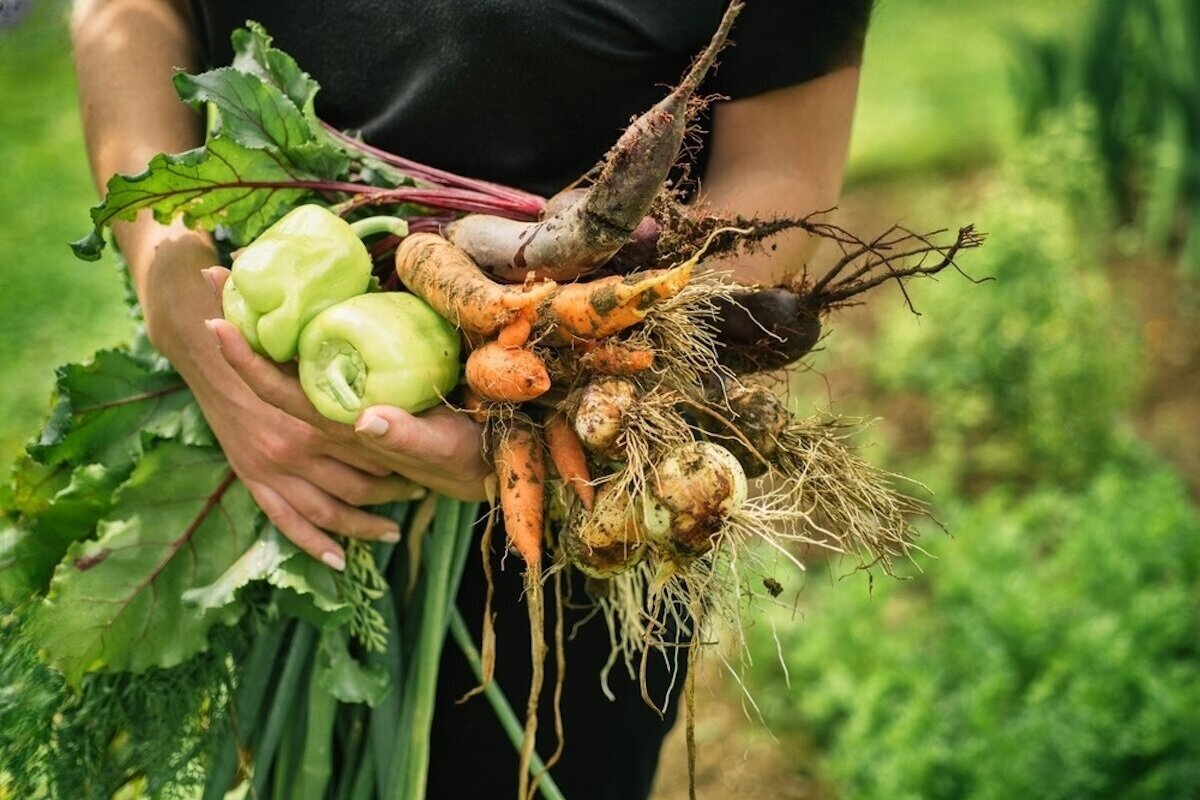
The health and environmental benefits of organic farming
Introduction Organic farming is more than a trend: it is a sustainable approach that can benefit both people and the environment. Growing organic food, particularly in an aluminium greenhouse from Bloomcabin, offers a practical, efficient way to put these principles into action. This guide explores the many advantages of organic farming and how an aluminium greenhouse can improve your organic gardening experience in New Zealand.
Health benefits of organic farming
- Reduced use of pesticides and chemicals: A key benefit of organic farming is reduced reliance on synthetic pesticides and fertilisers. Growers use approaches such as crop rotation, composting and biological pest control to maintain soil health and manage pests. These methods can lower exposure to unwanted chemical residues in food. Choosing organic produce may therefore reduce some potential exposures and support a healthier overall eating pattern.
- Higher nutrient content: Organic foods may contain higher levels of essential nutrients than conventionally grown produce. Studies suggest that organically grown crops can have greater concentrations of vitamins, minerals and antioxidants. Organic tomatoes, for example, may contain more vitamin C and phenolic compounds, which are important for overall health.
- No genetically modified organisms (GMOs): Organic farming systems exclude genetically modified organisms (GMOs). Genetic modification is often used to give crops traits such as resistance to pests or herbicides, although views about the technology remain varied. Choosing certified organic food is one way to avoid ingredients produced using genetic modification under the applicable standard. People with allergies should still check ingredient and allergen information, because organic status does not make a food allergen-free.
Environmental benefits of organic farming
- Soil health and conservation: Healthy soil is the foundation of successful organic farming. Practices including crop rotation, green manures and organic fertilisers such as compost help preserve and improve soil structure, fertility and biodiversity. They can reduce soil erosion, improve water retention and raise organic matter in the soil, all of which are essential to sustainable growing.
- Water quality: Organic farming can reduce water pollution by avoiding synthetic pesticides and fertilisers that may enter waterways, contribute to eutrophication and harm aquatic ecosystems. Organic farms often use measures such as buffer zones and integrated pest management to protect water quality, supporting cleaner rivers, lakes and groundwater.
- Protecting biodiversity: Biodiversity is vital to a resilient farming system. Organic farms can support a wider variety of plants, insects and animals than conventional farms. By avoiding monocultures and encouraging diverse rotations and mixed crops, organic farming contributes to ecological balance and helps maintain habitats for wildlife.
- Lower greenhouse gas emissions: Organic farming can help lower greenhouse gas emissions by minimising the use of synthetic fertilisers, a major source of nitrous oxide, a potent greenhouse gas. In addition, organic practices such as carbon capture through green manures and reduced cultivation can help retain atmospheric carbon dioxide in the soil and contribute to climate action.
Growing organic food in aluminium greenhouses
An aluminium greenhouse from Bloomcabin can make it easier to grow organic food effectively. Here is how:
- Extended growing season: Aluminium greenhouses let you grow plants through more of the year by providing a stable environment despite changing weather outside. This is especially useful for delicate organic crops that need particular temperature and humidity conditions. Adapt planting times to your local New Zealand climate and seasonal conditions.
- Pest management: A greenhouse’s controlled environment can reduce the need for chemical pesticides. Physical barriers such as mesh, along with beneficial insects, can help manage pests naturally while supporting organic growing standards. Always follow the relevant New Zealand product label, permitted use, food-crop precautions and disposal instructions for any gardening treatment.
- Water efficiency: Greenhouses can be fitted with efficient watering systems such as drip irrigation or hydroponics, helping use water carefully and reduce waste. This is important for conserving water resources and maintaining a sustainable organic garden, particularly during dry periods or where water supply is limited.
- Improved growing conditions: By managing light, temperature and humidity, a greenhouse can create favourable conditions for plant growth. The result can be healthier, more productive plants, an important foundation for a successful organic garden.
Conclusion Organic farming offers many potential benefits for health and the environment. By growing your own organic food in an aluminium greenhouse, you can make the most of these benefits at home. This approach can provide a regular supply of nutrient-rich produce while supporting more sustainable gardening practices that protect and conserve the environment. Explore the Bloomcabin range of aluminium greenhouses to find a practical setting for your organic growing plans.
