
Paint, Stain or Clear Finish for a Garden Shed?
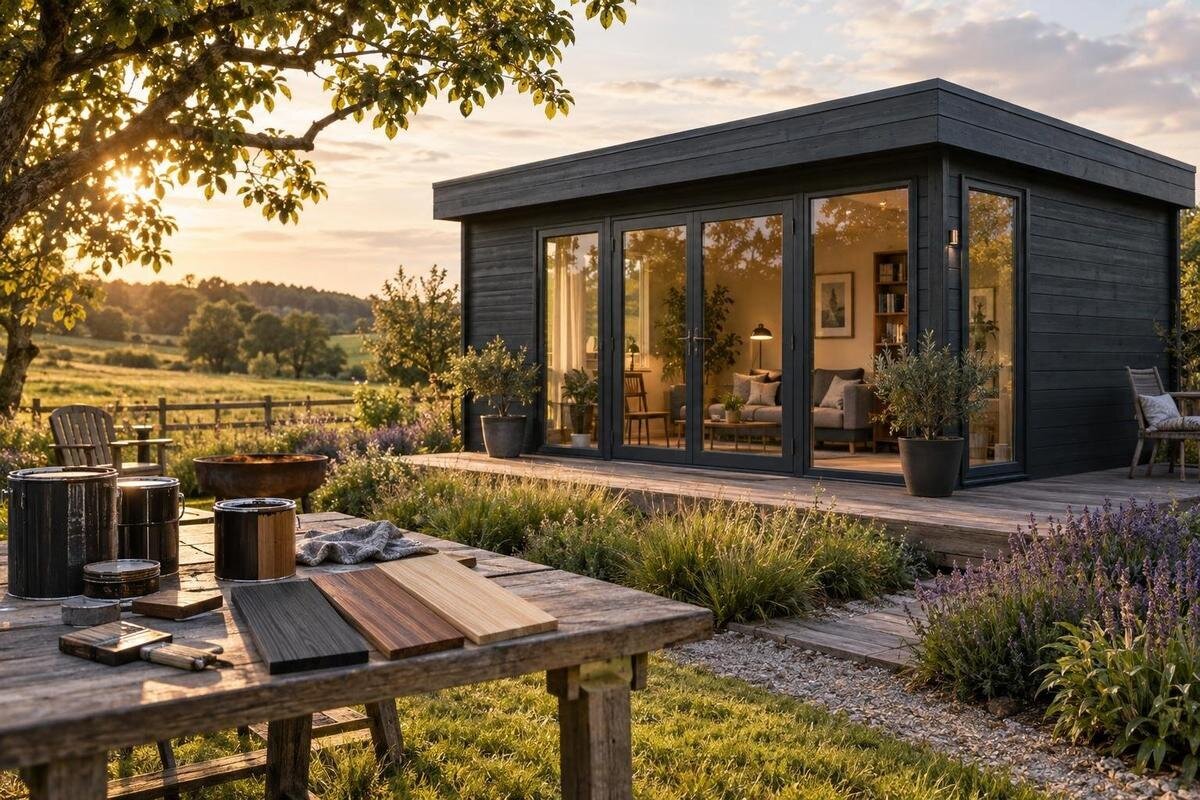
Garden shed finishes
Choosing among paint, stain and a clear finish comes down to how much of the shed’s timber you want to see, the surface the product must suit and the upkeep you are prepared to do. Garden shed finishes vary even within the same broad category: opacity, ingredients, application instructions and exterior protection are product-specific. If you have a timber shed, first confirm whether its surfaces are bare, treated or already coated. Then compare the appearance you want with the product label and the shed maker’s advice. That approach is more reliable than choosing by colour name or assuming one finish is always easiest to look after.
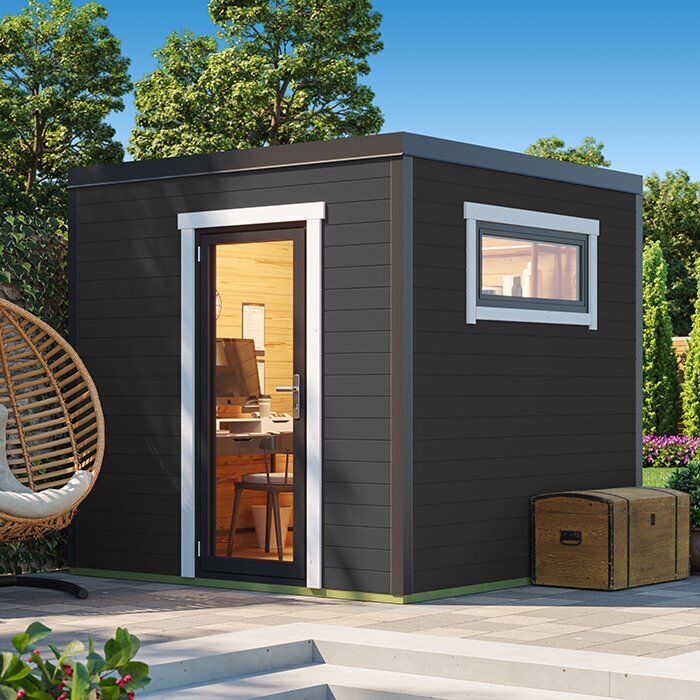
Identify the surface before choosing a coating
For a timber garden shed, begin with the surface rather than the colour chart. Confirm what the cladding is made from and whether it is bare, factory-treated, primed, painted or sealed; those conditions affect which products can adhere and how they should be applied. A label that says “exterior” is not enough on its own if it does not name timber or the relevant treatment. If your shed has metal, plastic or composite panels, choose a coating specified for that material instead of assuming a timber stain or clear product will work. Note the timber or panel type too, if known, as labels may list substrate restrictions. Compatibility is the first filter in choosing a garden shed finish.
Check every part you plan to coat, not just the broad wall faces: doors, trim and other components may use different materials or carry a different finish. Read the maker’s care instructions and ask for details if the supplied condition is unclear. When assessing the Verdana 1 garden shed listing, confirm its material and supplied surface condition from the product information or seller before choosing a coating; the model name alone cannot answer those questions. Keep that information beside the product label as you shop. If you also plan to coat inside surfaces or trim, check whether the chosen product is approved for those particular areas rather than assuming one tin suits everything.
Paint for an opaque, coloured finish
Paint is the option to consider when you want a defined colour and are happy to cover most of the timber’s natural grain. An opaque exterior paint can make different boards look more uniform and may conceal variations in colour, knots or older marks; the exact coverage depends on its opacity and the surface beneath it. A wide colour range can help the shed sit comfortably beside the house, fence or garden. Paint is a coating system, not just a topcoat: the label may specify a primer or undercoat, particular timber preparation and a required number of coats. Sheen also matters, as it changes the way a colour reads in daylight. Do not assume a particular shade will cover an existing darker colour; check the stated opacity and instructions for that surface.
That solid colour can make later damage easier to notice. A scratch or failed patch exposes a contrasting surface, and a small touch-up may not blend perfectly with an aged coat. The time and work involved in recoating depend on the product, exposure, surface condition and instructions, so “paint is low maintenance” is not a safe general rule. Check exterior use, compatible primer, coat requirements, coverage and recoat directions before ordering. If the Verdana 2 garden shed page is on your shortlist, confirm the appropriate paint system for that particular shed with the maker or seller rather than assuming it accepts any exterior paint.
Stain and the amount of grain you can see
Stain suits buyers who want to add or change colour while retaining some view of the timber grain. The word stain covers different products: a transparent or semi-transparent formulation can leave more grain visible, while a solid or opaque stain can cover much of it. Some products soak into timber and others leave a film; neither behaviour can be assumed from the word on the tin alone. Look for the stated opacity and finish type, and judge the colour on the same timber rather than relying on a small swatch. A translucent tint can enrich the boards’ appearance without concealing their natural variation. If you want a bolder colour, check whether the stain’s opacity will still leave the grain as visible as you prefer.
Check that the stain is for exterior use and compatible with the shed’s timber, treatment and any existing coating. Previous sealer or factory finish may affect absorption or adhesion, so ask before buying if you cannot identify what is on the surface. When looking at the Durano garden shed listing, verify its material and supplied finish before matching it with a stain; a model name does not specify a coating. Compare the maker’s instructions for preparation, coats and future care with those for paint. Stain is not automatically easier to maintain, and a heavily pigmented option may look quite different from the natural-grain result you had in mind.
Clear finish for a natural timber appearance
Choose a clear finish when seeing the timber itself matters more than applying an opaque colour. Clear does not necessarily mean invisible: oils, sealers and clear film-forming products can deepen or warm the timber’s tone, and their sheen can change how its grain catches the light. Products sold as clear finishes also differ in whether they penetrate or form a surface film, and in the protection they claim. For outdoor use, look for explicit exterior-timber use and any stated UV and moisture protection; the word “clear” alone tells you neither. If you want a particular natural look, test the actual product before buying enough for the shed.
Transparency has a practical trade-off. With little or no pigment, a clear finish may screen sunlight less than a pigmented coating, although formulations vary; compare the stated UV protection rather than assuming every clear coat behaves alike. A clear surface also leaves knots, grain changes and colour differences visible, which some owners value and others find too busy. If you are considering the Veltor 1 product page, verify the material and existing finish before selecting a clear coat; a photograph cannot establish compatibility or protection in the supplied surface. Include the appearance of any sheen, as well as future recoating effort, in your decision.
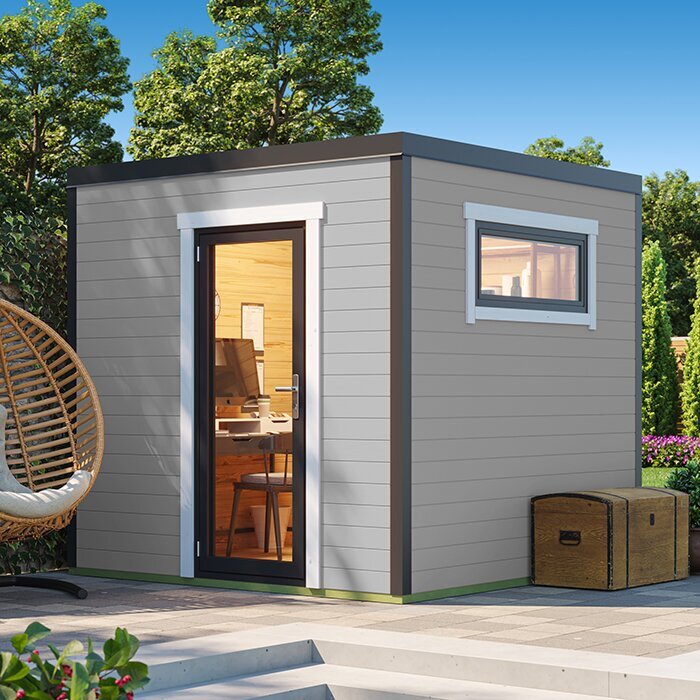
How upkeep differs between finishes
Upkeep is a property of the whole coating system in its setting, not of the category name alone. How soon a shed needs attention can vary with the product’s formulation, the preparation and coats applied, the condition of the timber, and how much sun and rain it receives. Paint, stain and clear products can all fade, wear or fail; the visible signs differ, and there is no reliable interval that fits every shed. Look for maintenance guidance on the specific label and from the shed maker, and plan to inspect the finish as part of ordinary garden care rather than relying on a blanket promise of years of protection.
Ask what routine care means in practice: whether the product calls for cleaning, how to recognise a surface that needs attention, and whether a small repair can be blended or a larger area should be recoated. A pigment-rich finish might hide some timber variation but does not remove the need to care for the coating; a clear finish leaves changes in the wood more visible. Before choosing among options such as Orello 1, compare care advice for the particular shed with the product instructions. Also ask what is required before a future coat; do not assume that a different finish can simply be applied over the first.
Test colour and opacity on matching timber
A sample is a more dependable colour check than a screen or printed chart. Use a spare piece of the same timber, or another sample surface approved for testing, and apply the full recommended system in the specified coats. A primer can affect the final colour, while a stain’s appearance depends on how the timber takes it up, so test the combination you intend to buy. Let the sample dry or cure as the label directs before judging it; wet coatings can look different. View it where the shed will sit and, if possible, in both bright and shaded conditions. Make the sample large enough to show the grain or coverage you care about.
Test opacity as well as hue. An opaque paint may hide timber differences; a translucent stain can leave board-to-board variations prominent, and a clear finish may deepen the grain. A test helps you decide whether that result is appealing and whether the colour works with nearby fences, planting and the house. If you are comparing Modano 1, verify its material and finish separately; a model name or catalogue picture cannot establish the coating condition. Sample on verified matching material instead. Keep the label details with the test so you can reproduce the result using the right product and system. If two colours are close, view them side by side under the same light.
Match primers and coatings as a system
Build the purchase around the coating maker’s system instructions. Some finishes need a compatible primer, sealer or undercoat; others specify direct application only on certain surfaces. Look for the label’s guidance on suitable substrates, preparation, application conditions, drying or recoating windows and number of coats. Do not choose a primer solely because it is the same colour, or combine products from different systems unless the makers say they are compatible. These details affect both the final appearance and the way the coating performs, so compare complete systems rather than a tin of paint against a tin of stain. Check that the instructions are practical for the time and conditions you can provide.
Clarify what the shed arrives with before adding products to the order. If a factory-applied treatment or previous coating is present, the recommended route may differ from the one for bare timber; if the finish is unknown, do not guess. Ask the shed maker or seller for the surface description and approved follow-on products. When checking the timber garden shed M listing, use confirmed material and finish details to test compatibility rather than inferring them from its name. Keep that advice with your coating choices, especially when primer, stain or a clear topcoat are being considered.
Estimate coating quantity from the surfaces
Work out quantity from the surfaces to be coated, not from the shed’s floor footprint. The roof, wall faces, doors and trims may be treated differently, and the product label may limit its use to particular surfaces. Use verified dimensions and the actual area you intend to cover, then apply the label’s coverage rate and number of coats. Rough or absorbent timber can use more product than a smooth test surface, so a stated coverage figure is a guide rather than a guarantee. If the maker specifies a primer or undercoat, include it in the shopping list as well as the finish coat.
Before placing an order, check the pack size, chosen colour, suitable surface and total coats against the label; do not assume one container will cover the whole shed. For a model such as the wooden garden shed S, take any dimensions and finish information from the actual listing or seller, then measure the surfaces your chosen system will cover. Do not assume a coating is included with the shed; confirm what arrives and what you must buy separately. Allow for the areas the instructions say to coat, while avoiding a speculative bulk purchase when the product or substrate is still uncertain. Comparing whole-system quantities is more useful than comparing tins by headline coverage.

Consider the shed’s exposure and surroundings
Exposure around the site can shift the balance between finishes. A wall facing open sun may weather differently from one sheltered by an overhang or nearby trees; wind-driven rain and limited shelter can also matter. The product must be suitable for the conditions the shed will actually face, so look for any relevant limitations or exposure guidance on its label. A sample tested in shelter is not a fair guide to a more exposed wall, and coating only the most visible side does not settle what other timber surfaces require. Follow the shed maker’s instructions for each surface, and ask if you are unsure.
Think about surroundings as well as exposure. A strong opaque colour can make the shed a feature or help it recede against a fence; a translucent or clear finish gives more visual weight to the timber’s own pattern. There is no universally right choice, so compare the sample against the garden at the time of day you commonly see it. If the site has particular conditions, such as persistent shade or coastal exposure, seek a finish specifically recommended for them rather than relying on a general claim that a coating is “weatherproof”. Site conditions inform the choice, but do not mean every shed needs the same finish.
Compare the options against your priorities
To compare paint, stain and a clear finish fairly, write down four things for each candidate: the look and opacity, the verified surface it suits, the protection it claims for exterior use, and the maintenance it calls for. Then add the complete system—primer or other preparatory coat if specified, number of coats, coverage and any limitations. These are not interchangeable products just because each is sold as a timber finish. Rule out an option if its label does not match the shed’s substrate or if you cannot establish compatibility with a supplied treatment. A simple comparison also helps separate appearance from performance claims.
After those filters, let your priorities decide. Choose paint if a solid colour and covered grain are central; compare stain opacity if you want some timber pattern showing; consider clear only if you prefer the wood to remain visually prominent and accept that its tone and detail will remain visible. Then compare each product’s actual care instructions rather than relying on rules such as stain always lasts longer or clear needs no attention. If no option meets the maker’s surface advice, pause the purchase and ask for a compatible system. The right answer is the finish whose look, surface match and upkeep you can accept together.
Frequently asked questions
Which finish shows a garden shed’s timber grain best?
A clear finish leaves the grain most directly visible, while a transparent or semi-transparent stain adds colour but retains some pattern. Solid stain and opaque paint can cover much more. Check the product’s stated opacity and test it on matching timber; terms used on labels can differ between products.
Does a clear finish protect timber from sun and rain?
Not automatically. Clear products vary in exterior suitability and in any stated UV or moisture protection; a transparent finish may screen sunlight less than a pigmented one, although formulations differ. Choose by the label’s claims for your shed’s surface and exposure, not by the word clear.
Can I paint over stain or a factory finish?
Only if the paint system is compatible with the existing surface. Identify the coating, then follow the paint maker’s instructions on suitable previous finishes, primer and preparation. If the finish is unknown, ask the shed maker or coating supplier before buying rather than assuming paint will adhere.
Is stain always easier to maintain than paint?
No. Upkeep depends on formulation, opacity, surface, application, exposure and the product’s care instructions. A transparent stain can show weathering differently from an opaque paint, but that alone does not tell you how often either needs attention. Compare the maintenance guidance for the products you are considering.
How do I estimate how much finish to buy?
Measure the surfaces you intend to coat, then use the product label’s coverage guidance and required number of coats. Include any specified primer or undercoat and account for timber texture. Do not estimate from floor footprint alone; if dimensions or supplied finish are unclear, confirm them before ordering.
Paint, stain and clear finish serve different visual priorities, but the product label and the shed’s existing surface determine which choices are suitable. Paint gives a covered, coloured look; stain lets you choose how much grain remains visible; a clear product keeps the timber prominent, with protection varying by formulation. Before you order, confirm the material and supplied coating, test the appearance, and compare complete product instructions for exterior use, coverage and future care. That way, the finish you choose fits both the shed you are buying and the maintenance you are willing to take on.
