
Planning a Hot Tub for a New Zealand Holiday Rental
Holiday rental planning
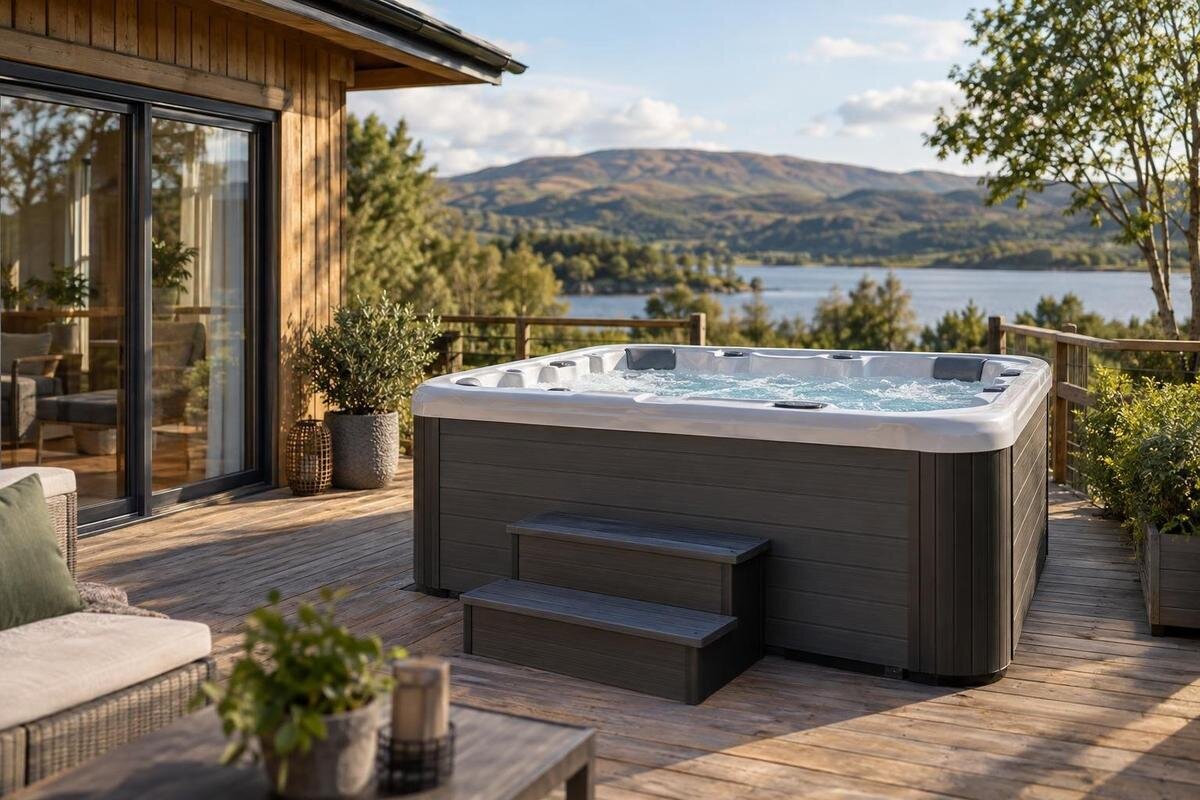
A hot tub can be a distinctive feature at a New Zealand holiday rental, but it also creates work between bookings and during a stay. Guests may expect it to be ready on arrival, straightforward to use and supported if something goes wrong. The owner or manager needs a repeatable process for inspections, supplier-directed care and guest communication, including when the property is remote. The decision is therefore not just whether visitors might enjoy it. It is whether your booking pattern, staffing and site can support the service you are prepared to promise. Test the workload before choosing a model or advertising the amenity.
Is a hot tub manageable as a guest amenity?
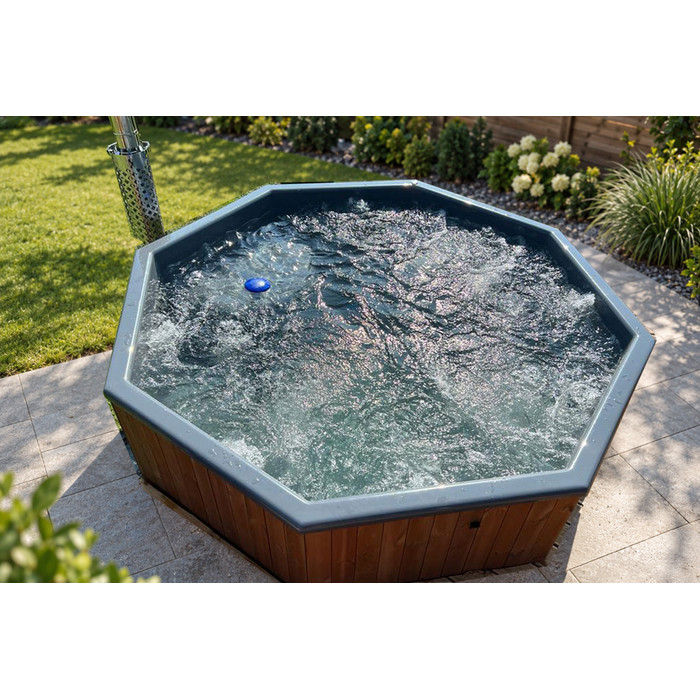
Treat a rental hot tub as a service that has to work across different guests, rather than an occasional extra for the owner. Review the booking calendar, who already handles each changeover, how far that person travels and which days are hardest to staff. A late checkout may delay the cleaner’s work, or a new arrival may leave little time for checks; a remote owner may need to pay for a separate visit. Map routine checks, supplier-directed care and fault response against actual staff hours, including travel, access and handover time. Ask who can act when the regular person is unavailable. If any recurring task has no dependable owner, that is an operational gap to solve before purchase.
Set a service standard before shopping: what must be checked before arrival, who can stop guest use if a problem arises, and how will guests be told if the amenity is unavailable? Look at your own enquiries, feedback and booking patterns; do not assume a hot tub will increase bookings or justify a higher nightly rate. A product such as Bloomcabin Hot Tub Cove 2 is only a starting point for asking about verified capacity, use guidance, care demands and rental-use terms. Also decide whether your listing describes the tub as a regular feature or one that may be unavailable for maintenance. If your team cannot deliver the standard consistently, revise the staffing plan or leave the tub out of the guest offer.
Allow enough time between guest bookings
Use the calendar to assess more than occupancy. Note typical gaps between checkout and check-in, the proportion of same-day changeovers, the length of stays and whether busy periods leave less time for staff visits. A free night is not automatically a service window if a guest leaves late, the cleaner arrives later or the person responsible is travelling from another town. Mark the intervals that require in-person attention, then see whether the required care process and a final inspection can fit before the next arrival. Use the times your property actually operates, not an idealised schedule. This makes the timing question practical instead of relying on a general promise that the hot tub will be ready.
Ask the supplier what process and timing assumptions apply after guest use, and compare them with your shortest real turnover interval. Do not equate heating time with water-care readiness or assume a tub can remain available after every stay. If a service sometimes requires a longer pause, build that buffer into the booking plan and describe availability honestly in the listing and arrival information. When asking about Bloomcabin Hot Tub Haven 6, request guidance for the exact product and intended rental use. Decide in advance how you will handle a delayed checkout or missed visit; a plan with no buffer can leave the next guest with an expectation you cannot meet.
Give cleaning and water care a named owner
Name one person responsible for cleaning and water care; a task shared vaguely between the owner, cleaner and property manager is easy to miss. Write down which tasks happen after checkout, which happen before the next arrival, and who confirms they are complete. Follow the manufacturer’s directions for water testing, treatment, cleaning products and service intervals, because these details must come from guidance for the exact product rather than a routine copied from another tub. Include any care required between bookings, even when no guests are using the tub. Keep a record of the date, responsible person, observations and actions taken, and make sure the person doing the work knows how to report an issue.
Before considering Bloomcabin Hot Tub Fjord 8, ask the supplier for current care and maintenance instructions, the work expected after different patterns of guest use, and any conditions relevant to rental operation. Confirm whether your existing cleaner can do those tasks, and agree the scope, time, training and supplies with them. Otherwise, price a service provider and clarify what is included, what triggers a call-out, who supplies products and who reports an issue. Put the routine in the property handover information so a change of staff does not leave the next person guessing.
Inspect the tub at every changeover
Build an inspection into each changeover rather than relying on the previous guest’s account. Use the supplier’s directions to identify the checks that apply to the exact tub, then note its visible condition, the cover, any warning or unusual condition, the surrounding access area and any guest report. Where the supplier requires a water check, record it using the supplier’s method and criteria. Staff need to know what indicates that the tub is ready, what calls for further advice and what means it must remain unavailable. Do not invent pass limits for a checklist, and do not treat a quick glance as a substitute for the prescribed checks.
Use a time-stamped log, even when nothing appears wrong. A tick should mean the check took place, not that someone assumed the last guest left everything in order. Record faults, who was contacted, the decision made and when the tub was cleared for use again; this helps the next manager avoid relying on memory. For Bloomcabin Hot Tub Aurora 10, request the inspection and issue-escalation guidance before writing your local checklist. Keep supplier and service contact details current. A checklist supports the product’s care instructions; it does not replace servicing or a professional assessment when something is wrong.
Give guests clear instructions before arrival
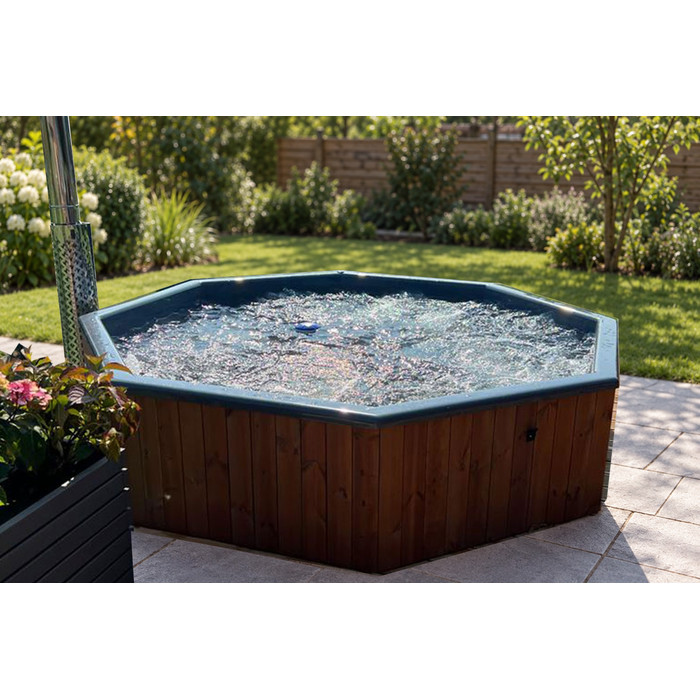
Put concise instructions where guests can find them before they book and when they arrive. The listing should say what the amenity is, whether it is available for every stay or may be unavailable for maintenance, and where to find the full operating and safety information. At the property, use plain language and the supplier’s instructions for using and stopping the tub. Avoid vague wording such as use as normal: guests do not know your routine, and a long house manual can hide the detail they need. Keep the contact details for questions and faults prominent, and make sure the pre-arrival message agrees with the information at the property.
State only a user limit and rules that you have verified for the specific tub and relevant property guidance. Explain any house rules about supervision, noise, food, drink or use at night in direct terms. Tell guests what to do if the water, cover or controls seem unusual, and not to troubleshoot or make adjustments beyond the supplied instructions. Set checkout expectations only where they match the supplier’s guidance; do not shift routine cleaning or water care onto guests. Give guests an easy way to report a problem during their stay, rather than relying on them to decide whether an issue is serious enough to mention.
Arrange reliable cover when you are off site
If you live away from the rental, plan for someone who can physically attend, not simply a phone number guests can call. Name a primary local manager and a backup, agree when each is available, and ensure they know the changeover timetable, care procedure, supplier contact and booking process. Give them enough authority to pause use, arrange a call-out or tell a guest that the amenity is unavailable. A plan that depends on the owner driving in may fail on the day a guest needs help, particularly if travel time makes an inspection or response impractical.
Agree in advance who handles urgent reports, who checks the tub before use resumes, and who updates the owner and incoming guest. Put expected response hours in the staff arrangement; do not promise round-the-clock help unless someone has agreed to provide it. Confirm how the manager enters the site, where approved instructions and contacts are kept, and how a replacement person gets briefed. If nobody can cover a fault, set a clear process to keep the tub unavailable until it has been checked. Off-site ownership works only when local responsibility is real, resourced and understood by the people managing the property.
Plan site access around guest stays and changeovers
Site access affects both delivery and recurring rental work. Walk the route from the property entrance to the proposed location with the delivery provider and whoever will service the tub; note gates, steps, tight turns, shared access and storage needs. Consider whether staff can reach the equipment without unnecessarily disrupting guests. For a remote property, ask local contractors which areas they actually cover and how soon they can attend, rather than assuming a provider serves the address. When asking about the Bloomcabin Hot Tub Cove 2 model for your rental, give the supplier the actual site and access details rather than relying on a product photograph to assess suitability.
Check that the arrangement will remain workable during an occupied stay as well as at checkout: can a manager inspect and maintain the tub without blocking the guest route or entering private areas unexpectedly? Ask the supplier and a suitably qualified installer to confirm the required services, maintenance access and any site preparation for the exact product. That information affects who must visit, how long the property could be disrupted, and whether work can be booked between reservations. Do not guess service requirements or treat a generic site plan as technical approval. Access and reliable contractor availability belong in the operating plan, not just the delivery checklist.
Compare verified guest capacity with the workload
Compare each tub with the guest mix you actually host: the usual party size, the largest booked group and whether guests may want to use the tub together. Then ask the supplier for the verified user limit and any conditions for the exact model. The number in the Bloomcabin Hot Tub Haven 6 product listing is part of a catalogue name, not proof of how many people the tub holds. Do not infer seating or rental suitability from a name or photograph. Property occupancy and hot-tub capacity are different figures, so confirm both before changing the listing or setting an expectation for a stay.
Compare the workload alongside capacity. Ask for the product dimensions and access requirements, cover and care instructions, expected routine tasks, service needs and rental-use terms in writing. Do not compare one model’s fully specified quote with another model’s name alone. Consider whether staff can complete the required checks, whether supplies and service support are available near the property, and how often more involved work could interrupt bookings. Use the same questions for every shortlisted model and record the answers. A tub that fits the guest group may still be a poor operational match if its verified care requirements exceed your team’s time or the support available nearby.
Check rental terms, insurance and local requirements
Ask the supplier directly whether the exact model is intended and permitted for operation in a paid holiday rental with frequent changes of users. Request written warranty terms, exclusions, required care records and any use restrictions before purchase; do not assume terms for private use apply unchanged to a rental. For the Bloomcabin Hot Tub Fjord 8 listing, verify these points with the supplier rather than treating the catalogue entry as confirmation. Separately, tell your insurer that the property is a holiday rental and describe the planned hot tub. Ask for written confirmation of cover, notification requirements and any policy conditions that apply.
Ask the local council what current rules or approvals apply to the address and the work proposed, and check the answer against official information. Use a suitably qualified professional for technical installation questions; this guide does not set electrical, fire or construction requirements. Keep legal requirements distinct from other conditions: a council requirement is not the same as an insurer’s policy condition, a supplier’s warranty term or a recommended operating practice. Record who gave each answer and what property or installation it covered before advertising the feature. Do not assume that another rental’s arrangement answers the question for your site.
Budget for setup, labour and downtime
Build the upfront budget from an itemised quote, not the tub’s name or purchase price alone. Separate the product, delivery, access-related handling, site preparation, installation and any service work; ask what is included and what another contractor must price. For details for Bloomcabin Hot Tub Aurora 10, request a current New Zealand-dollar quote and confirm the product, scope, delivery terms and exclusions with the supplier. Add contingency using site-specific quotations rather than an invented percentage. Check that you have not counted a task twice if it is already included in a supplier’s quote, and do not budget on an unconfirmed installation assumption.
Estimate ongoing costs using your actual booking calendar and the supplier’s care schedule. Include staff or contractor time for checks, cleaning and water care; water and energy use based on local rates and supplier information; consumables, servicing, repairs, insurance changes and periods when maintenance makes the tub unavailable. Get local quotes where another person will do the work, and show the assumptions behind each estimate, such as turnover frequency and call-out coverage. Do not count hoped-for extra bookings as guaranteed income. Compare the full operating cost with what you are willing to spend to deliver the amenity consistently, including during a busy month.
Frequently asked questions
Can I promise the hot tub will be ready for every booking?
Only if the instructions for the exact tub, the time between bookings, your inspection process and staff cover make that realistic. Ask the supplier what needs to happen after guest use, then leave enough time for the work and a final check. A same-day changeover should not be assumed to be workable, and heating time alone does not establish that a tub is ready.
Does a model number tell me how many guests the tub can hold?
No. A catalogue name or product photograph is not a capacity specification. Ask the supplier for the documented user limit and any conditions for the exact model, then compare it with the guest groups you host. Property occupancy and hot-tub capacity are separate figures.
Can my usual cleaner look after the tub?
Possibly, if the cleaner agrees to the defined scope, has the supplier’s instructions and any necessary training, and has enough paid time to do and record the work. General room-cleaning experience does not by itself establish that someone can manage water care. Otherwise, arrange a suitable service provider and an escalation process.
What if I manage the property from another region?
Arrange a primary local contact and a backup who can attend, inspect the tub and make a decision. Give them the relevant instructions, supplier contacts and guest-communication process. If no one can attend when needed, keep the amenity unavailable until it has been checked rather than relying on remote instructions to resolve a problem.
Do I need council approval or extra insurance?
Do not assume either answer. Describe the property and proposed work to the local council and ask what current requirements apply. Tell your insurer that the property is a holiday rental and ask for written confirmation of any policy conditions. Confirm the supplier’s rental-use and warranty terms separately; each check addresses a different issue.
A hot tub suits a holiday rental only when the care routine survives real changeovers, local people can take responsibility and the supplier, insurer and council checks are complete. Compare models using verified guest limits and documented operating needs, then include staff time and periods of downtime in the budget. If those arrangements do not fit your booking pattern, wait or revise the plan. The right choice is the one your team can manage consistently, not simply the one whose name appears to match the number of guests.
