
Polytunnels: A Complete Guide
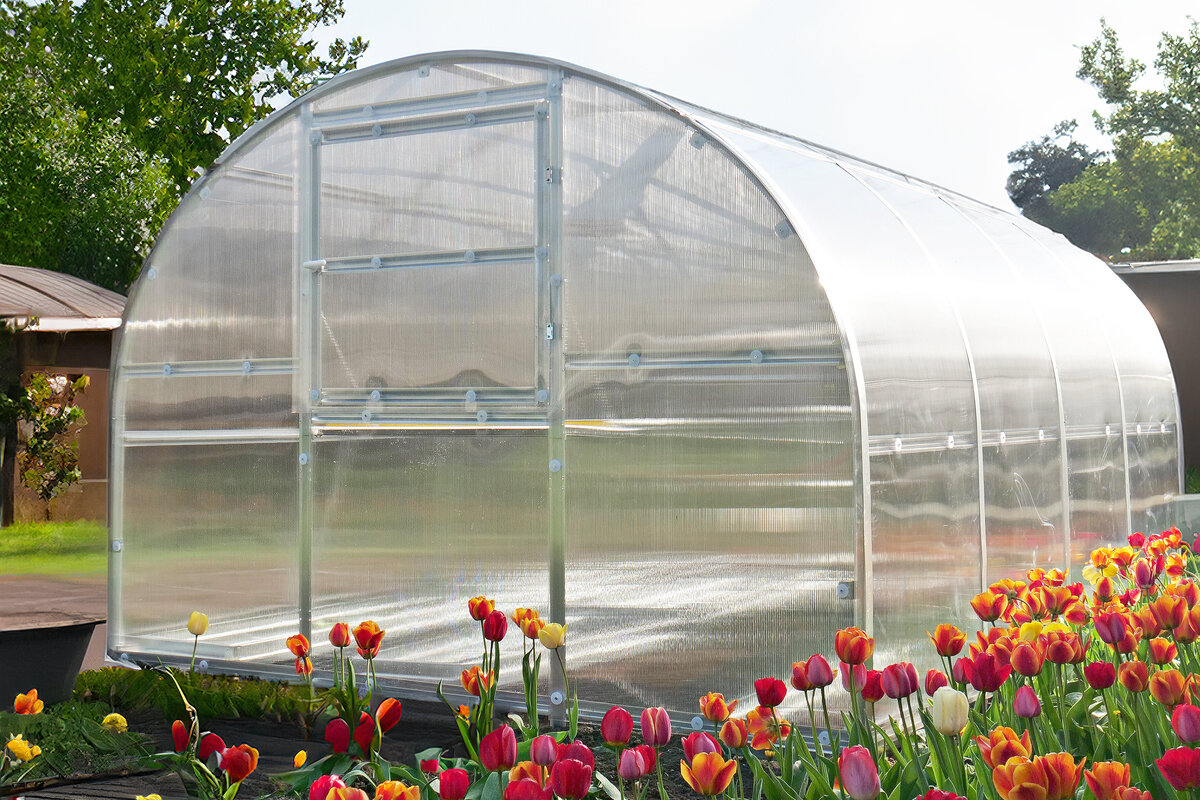
Polytunnels, also called hoop houses or high tunnels, appeal to gardeners and growers seeking an affordable way to extend the growing season and shelter plants from challenging weather. Simpler and generally less costly than conventional greenhouses, these covered structures still offer practical benefits. This guide explains their key benefits for home growing and everyday plant protection.
What are polytunnels?
Polytunnels use semicircular steel frames covered in polyethylene film. By trapping warmth and moisture, they create a more controlled setting for plants. Unlike traditional greenhouses, they usually do not include added climate-control equipment such as heating or cooling. Their passive ventilation can nevertheless work effectively, making them an appealing choice for growers in many gardens.
Benefits of polytunnels
- Extended growing season: Polytunnels protect crops from early frosts and excessive rain, extending the season. This is especially useful for warmth-loving plants, including tomatoes and cucumbers, when conditions cool in autumn.
- Flexibility and mobility: These versatile structures can be moved readily to different areas of a garden or farm. Unlike permanent greenhouses, polytunnels can be adapted in size, position and purpose to suit seasonal planting plans or crop rotation needs.
- Low maintenance: Materials used for polytunnels, particularly polyethylene covers, are easy to replace when needed. These structures also generally demand less upkeep than glass or polycarbonate greenhouses.
- Ventilation: Large doors at both ends can provide excellent ventilation, reducing overheating risk while maintaining the steady airflow plants need to remain healthy throughout the season.
Best uses for polytunnels
Polytunnels suit a wide range of crops, particularly where winters are mild or plants benefit from warmer conditions. Common choices include tomatoes, cucumbers, strawberries and capsicums. Herbs such as basil and rosemary can also thrive, alongside fruit trees including apricots and peaches, in the protected environment a polytunnel provides. Plan crops around local frost patterns.
Why choose us?
At Bloomcabin we offer polytunnels tailored to your needs, helping create favourable growing conditions for your plants. Our greenhouses pair quality materials and construction with competitive pricing, providing strong value and durable performance for your garden through changing seasons and everyday use.
Conclusion
Polytunnels are an excellent choice for anyone wanting to broaden their growing options with flexible protection and a longer season. Bloomcabin offers quality polytunnels designed to help keep plants protected throughout the year. Take your gardening further with practical products that combine dependable shelter, adaptable use and excellent value for gardeners, growers and productive spaces.
