
A Reading Room in Your Garden Shed: Seating, Lighting and Comfort
Garden shed planning
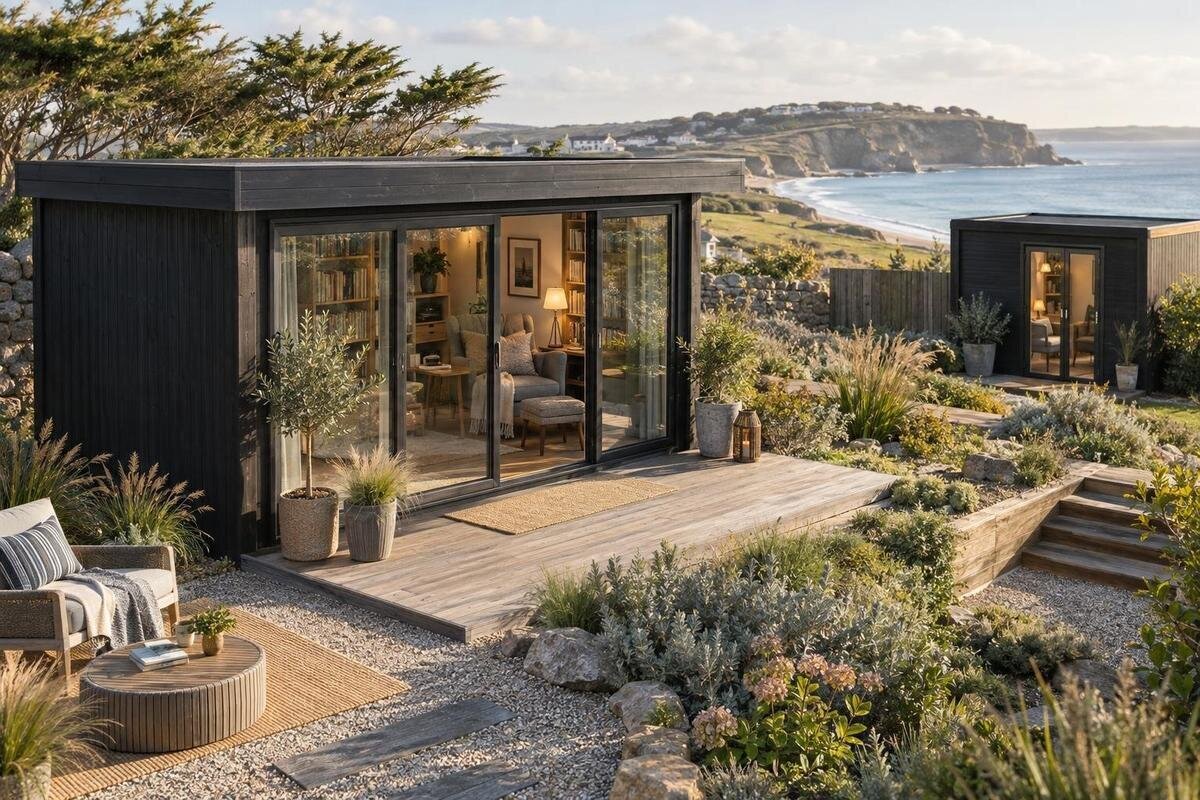
A reading room in a garden shed works best when the building is chosen around the way you actually read, rather than filled with furniture and measured afterwards. The key decisions are how much room a seat and clear walkway need, where daylight falls through the day, how you’ll light a page after dusk, and which comfort features the shed does or doesn’t provide. Before ordering, sketch a simple layout and compare it with the published dimensions, openings and product details. Then plan the smaller comforts—a place for a book and drink, a reachable lamp and a throw—without allowing accessories to take over the floor.
Plan the room around the way you read
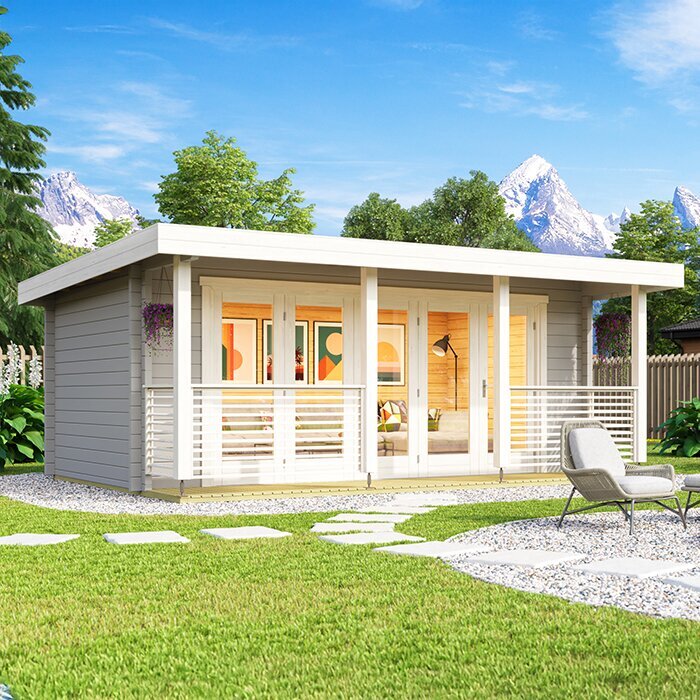
Start with a realistic picture of how the room will be used. Is it a quiet spot for one person reading for half an hour, a place for longer sessions, or somewhere two people can sit with separate books? The answer affects the number of seats, clear floor area, a side table, shelving and whether a chair can stay in place. Think about what you’ll bring in—books, glasses, a blanket, a drink or a lamp—and where each item will go. A comfortable nook is often one where the book and light are within easy reach, not one with the most furniture. If the shed will also hold garden gear, mark that storage as part of the plan rather than letting it spill into the reading area. A simple spot for shoes or a coat can help keep the chair area tidy.
Set a whole-project budget before settling on a building. Include the shed, seating, lighting, shelves, a suitable floor covering or curtains, delivery and any professional work; the interior allowance shouldn’t leave site preparation as an afterthought. Separate must-haves from nice-to-haves so a decorative extra doesn’t displace the chair or lighting you’ll use every time. Keep some flexibility for details you can confirm only once the site and building are chosen. A named option such as the Verdana 1 garden shed listing is a starting point for comparison, not a measure of the room. Use the current product information to judge whether your drawn arrangement could fit, and ask about anything that’s unclear before ordering.
Check daylight at the planned chair position
Visit the proposed site at the times you expect to read, or observe how sun and shade move there over a day. Note nearby trees, fences and buildings, as well as views from neighbouring spaces. Direct sun on a page can be uncomfortable, and a bright window in the reader’s line of sight can also make it harder to settle. Diffuse light from the side may suit your preferred position, but the result depends on the opening, orientation and surrounding garden. If you can’t assess the site through the year, allow for seasonal changes in leaf cover and sun angle rather than relying on one sunny-day impression. A quick sketch showing the chair, openings and compass direction will make product plans easier to compare.
Use the published plan, not a lifestyle image, to check where doors and windows sit in relation to the chair, shelves and possible lamp. A window that looks generous in a photo may not be in the right place for your reading position, and glazing can bring useful light as well as a need for shade or privacy. When looking at the Verdana 2 garden shed listing, check the current specification for opening positions and measurements before deciding where your seat will go. If the listing doesn’t answer that question, ask the supplier. Don’t assume the layout from a model name or a picture taken at an unknown angle.
Measure seating, circulation and storage together
Draw the shed footprint to scale and add the measurements of the furniture you own or intend to buy. Include the chair with its arms, a footstool if you want one, a side table, shelves and enough space to open the door. Leave a clear route from the entrance to the seat, and avoid putting a book basket where it becomes an obstacle. If possible, use tape or boxes on the ground to picture the furniture footprint before placing an order; this makes cramped corners and awkward approaches easier to spot. The aim isn’t to fill every centimetre but to make sitting down, getting up and putting a book away feel straightforward.
Check what the dimensions in a listing actually refer to. Overall or external measurements aren’t the same as usable internal floor area, and walls, frames and the position of openings affect the furniture plan. Compare the stated measurements with your drawing, then confirm anything that isn’t clearly labelled. A product page such as the Durano garden shed listing can be considered alongside other candidates, but its name alone doesn’t tell you how much floor space you’ll have. If a large chair, tall bookcase or particular doorway clearance is essential, ask for the relevant measurements before committing rather than relying on a visual estimate.
Choose seating you can settle into
Try a chair before buying it if you can, and sit in the position you naturally use to read rather than just checking how it looks. Notice whether the back and arms feel comfortable, whether your feet rest naturally or need a footstool, and whether you can hold a book without leaning awkwardly. A seat that feels fine for a quick test may not suit a longer session, so allow enough time to notice if you want to shift position. If a recliner or angled chair is on your list, check its full movement and footprint against the room instead of measuring only its upright position. Personal comfort varies, so choose by experience, not a catalogue photo.
Consider how the seat will get through the entrance and whether it can be moved once inside. A light chair is easier to turn towards the window or lamp as daylight changes, while a larger one may take up more of a small interior. Keep a surface close enough for a book and drink, but far enough from the main route that it won’t be knocked when someone enters. Compare your furniture measurements with the stated internal dimensions for a candidate such as the Veltor 1 garden shed listing. Check the door opening and any access limits in the current product information: a room can have enough floor area on paper and still be difficult to furnish.
Layer reading light with the daylight
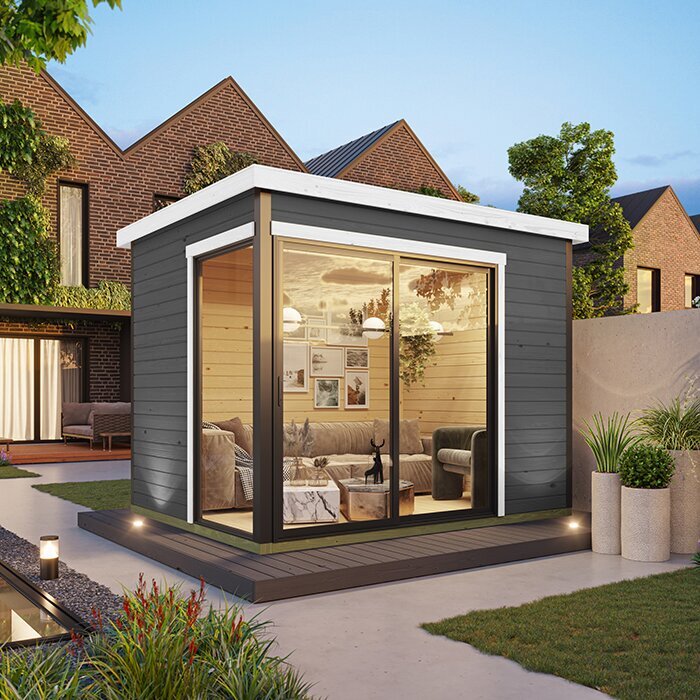
Plan light for the page as well as the general feel of the room. A movable task lamp lets you adjust the beam to your chosen seat, while softer background light can reduce the contrast between a bright page and a dark interior. Check that the lamp base or clamp suits the table or shelf you’ve planned, and that the beam doesn’t shine into your eyes or bounce off a glossy page. A daylight check at different times is useful: the light that works at midday may be weaker or more direct in the early evening. Make the switch easy to reach while seated, and choose a lamp that can be repositioned if you change the layout.
Decide whether you want a rechargeable, battery-operated or mains-powered light before arranging the furniture, because the choice affects where the lamp can sit and how you’ll keep it ready to use. Store charging cables and spare batteries where they’re accessible without trailing them across the walkway. If you want fixed electrical points or lighting, have a qualified electrician assess the proposed work and the shed. Don’t assume that a product includes wiring or that an extension lead is an appropriate permanent solution. When reviewing the Orello 1 garden shed listing, check whether its current specification mentions supplied services and ask if the information is unclear.
Decide how much seasonal comfort you need
A shed that feels pleasant on a mild afternoon may feel different in cold, damp or hot weather. Before choosing a building, decide whether you’ll read only in fair conditions or want to use it through more of the year. Check what the product information says about the floor, roof and wall construction, glazing, seals, ventilation and insulation; don’t assume these features are included or suitable for a particular season. A curtain or blind may soften light and add privacy, but it can’t make up for unverified building performance. If you need a warmer or more weather-resistant interior, get clear details about the product and discuss proposed changes with the supplier or a qualified builder.
Some comfort choices are easy to adjust: a washable throw, cushion and footrest can come inside or be stored in the house when you’re not using the shed. Make sure window coverings and furniture don’t block any openings, and pay attention to condensation or damp after the room is in use. If you’re considering a heater or fixed alterations, check the product guidance and have relevant work assessed by a qualified professional. A named option such as the Modano 1 garden shed listing should be judged against its own published details and your planned season of use, not a general promise of comfort. Ask what maintenance or protection the specific finish requires before ordering.
Keep books, surfaces and finishes easy to care for
Books and paper can be affected by direct sun and damp, so include storage in the plan instead of stacking books on the floor. A low bookcase or lidded basket can keep current reads close to the chair; a separate shelf for a few favourites avoids filling a narrow wall with deep furniture. Check likely positions for windows and exterior walls, and watch for condensation or water ingress once the shed is in use. If you notice a building or ventilation issue, address that rather than masking it with more storage. For a wall-mounted shelf, ask what fixing method and location the supplier permits, and get qualified help if the structure or product instructions require it.
Choose finishes for easy care and low glare as well as appearance. A matte surface behind the seat may feel less visually busy than a highly reflective one, while a washable rug can soften the chair area if the floor stays dry and the door opens freely. Choose a floor covering you can lift for cleaning and drying, and don’t cover any vents or block openings. Before planning fitted shelves, confirm the building’s material, finish and fixing guidance in the current specification. You can review the garden shed M product page as one candidate, but make furniture and finish decisions using the published details and your own requirements.
Consider privacy, noise and the route to the shed
Quiet is part of comfort, so spend time at the proposed spot when you would normally read. Listen for household activity, garden equipment, traffic or a neighbouring outdoor area, and consider whether a different seat angle or a screen of planting could help. Don’t rely on a closed door or curtains to solve every disturbance: sound can still carry through openings, and the garden may be busier at some times than others. Check sightlines from windows into nearby paths and seating areas, then decide whether you want a blind, curtain or simply a different chair position. Choose a covering that’s easy to open when you want daylight.
Think about the route between the house and shed, especially if you expect to read in the evening or during wet weather. A path that’s easy to use, a way to carry a book and drink, and an entrance free of stored tools all help the room feel inviting. Check whether the door and window arrangement shown in the current plan suits your privacy and furniture choices; the garden shed S listing is another named option to compare, not proof of a particular layout. If garden security or external lighting affects your decision, plan those matters separately and use a qualified professional for fixed electrical or structural work.
Check the site and delivery before ordering
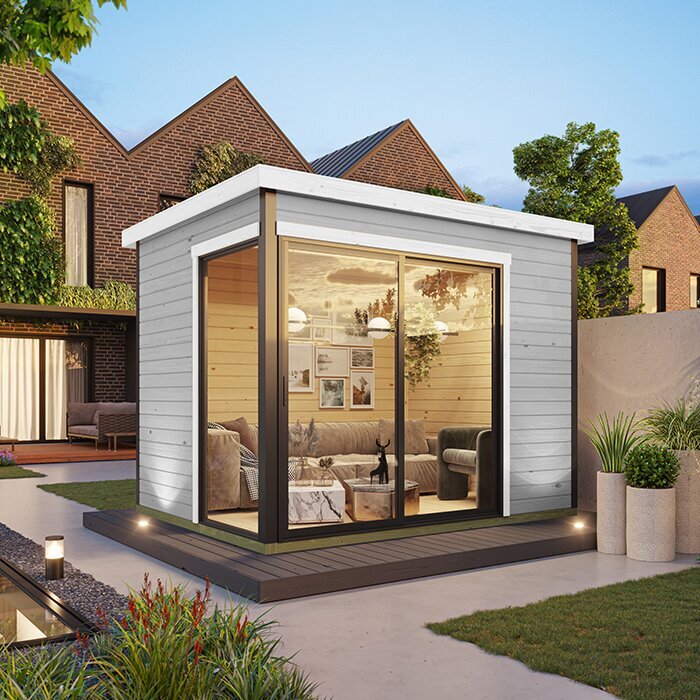
An interior plan is only useful if the shed can be placed and supplied to the site. Measure the intended footprint and the route to it, including gates, narrow passages, low branches and changes in level; use the product’s stated delivery or package information where available. Ask the supplier what will be delivered, whether unloading or assembly is included, and what access they require. Don’t assume a unit can be carried through a tight side passage just because it fits in the garden once assembled. If package or component dimensions aren’t listed, request them before ordering. This matters if a bulky chair or shelving will also need to pass through the same access route.
Ask what site preparation and base are required for the specific product, who is responsible for them, and whether a floor, finish, glazing or fittings are included. Read assembly and maintenance guidance before buying so you know whether the work suits your plans or needs a professional. Review the current ordering terms for delivery area, assembly, returns, warranty, missing or damaged parts, and any exclusions; rely on the written terms rather than a general assumption. If the building needs electrical work, structural changes or another specialist task, ask the appropriate qualified person to assess it before you commit. Record the answers so you can compare candidates fairly.
Add cosy details without losing clear space
Keep the first fit-out simple: one chair that suits you, a small table, a light you can direct and a compact place for current books may be all the room needs. A cushion, washable throw, rug or curtain can soften the space, but choose each item for a purpose and make sure it can be cleaned and stored. Leave the floor around the entrance clear, keep the route to the seat obvious, and avoid placing textiles where they cover a vent or remain damp. A hook for a cardigan and a tray for glasses may be more useful than several decorative pieces. Keeping the setup light also makes it easier to rearrange after a few weeks of use.
Once the shed is set up, use it at the times you planned for and notice what’s missing: perhaps afternoon sun falls on the page, a lamp switch is out of reach, or the book basket narrows the route. Adjust portable furniture and lighting before buying made-to-measure fittings or adding permanent changes. If the room is comfortable in only one season, decide whether that suits your habits or whether product features or professional work need revisiting. A calm reading nook grows from a seat, light, seasonal comfort and easy access that work together; it doesn’t need a complete indoor-room fit-out to be useful.
Frequently asked questions
Can I turn any garden shed into a reading room?
Not automatically. Check the specific shed’s current information for internal dimensions, openings, flooring, weather protection and any insulation or services you need. If you want to use it throughout the year or make alterations, ask the supplier and a suitably qualified professional about the building before ordering.
How should I position a chair near a window?
Try the proposed position at the times you expect to read. Side daylight can be useful, but direct sun or a bright window in your line of sight may cause glare. Test the seat angle at the actual site, then decide whether a blind, curtain or reading lamp would help.
What should I measure before choosing a chair?
Measure the chair in the position you’ll use it, including its arms, recline or footstool if applicable. Add the table, shelves, door swing and a clear route from the entrance to the seat. Compare those measurements with the stated internal dimensions and check that the furniture can pass through the doorway.
Can a reading room work without mains power?
A rechargeable or battery-operated lamp may suit a simple setup, provided you plan where it will sit and how you’ll charge or store it. For fixed wiring or lighting, have a qualified electrician assess the work rather than improvising a permanent power supply.
How do I keep the room comfortable in colder weather?
Check what the specific shed provides for weather protection, ventilation, glazing and insulation; don’t infer these from its name or appearance. If you want to use it in colder months, get the relevant details from the supplier and ask a qualified professional about any proposed changes or heating equipment.
Choose the building and furnishings as one plan: a seat that fits, daylight that suits your reading position, a controllable lamp and storage that leaves a clear way in and out. The most useful checks happen before purchase—compare your drawing with published measurements, confirm what the listing includes, and resolve site, delivery and seasonal-comfort questions. Once the shed is in place, keep the first arrangement simple and live with it before adding permanent fittings. That gives you room to refine the reading nook around real light and habits, rather than a picture of an ideal interior.
