
Repair or replace windows?
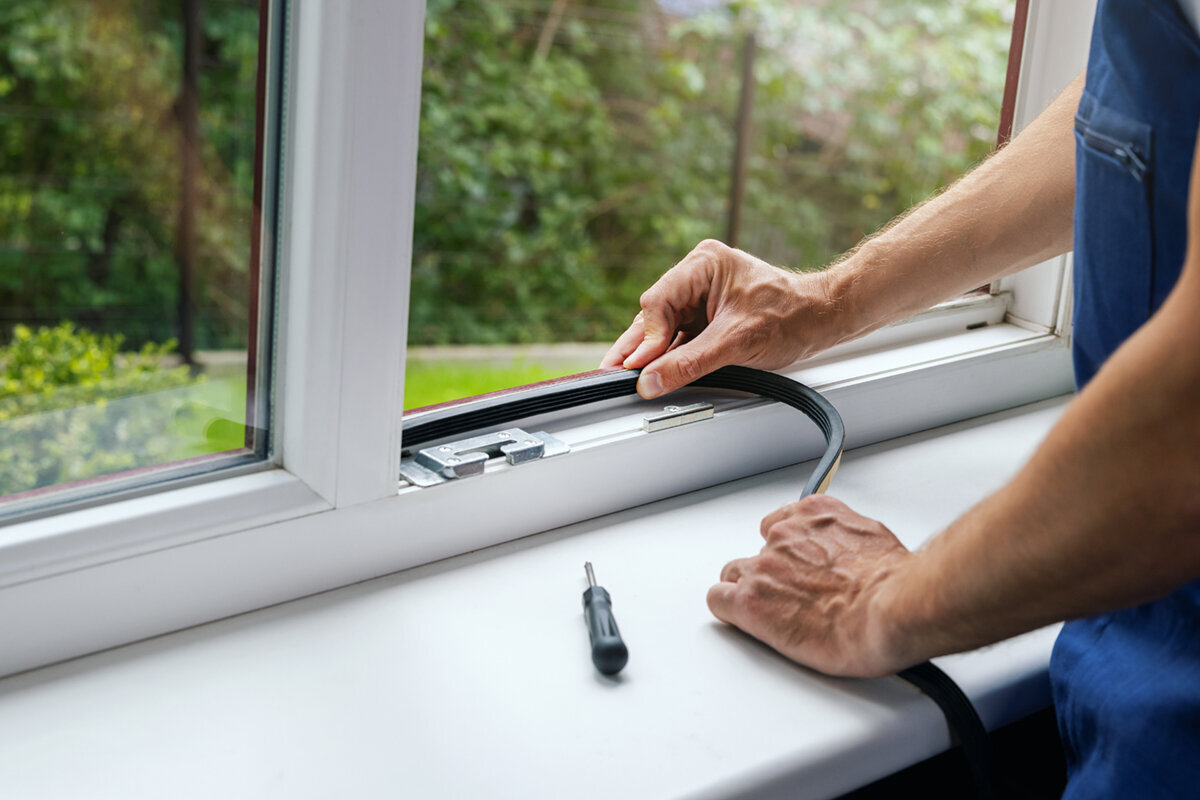
Assessing window condition
A window that lets in draughts, mists up or is difficult to close does not automatically need replacing. What matters is the condition of the whole assembly: glazing, frame, seals, hardware, wall junction and intended use all work together. A stiff handle may be a manageable hardware issue, while recurring moisture at the frame junction calls for a broader investigation. Comparing repair and replacement objectively avoids two common mistakes: removing a window that could reasonably be retained, or covering a structural fault with a short-term measure. This guide explains which observations support each decision, what measurements and photos are useful before requesting a quote, and how to coordinate several windows as one project.
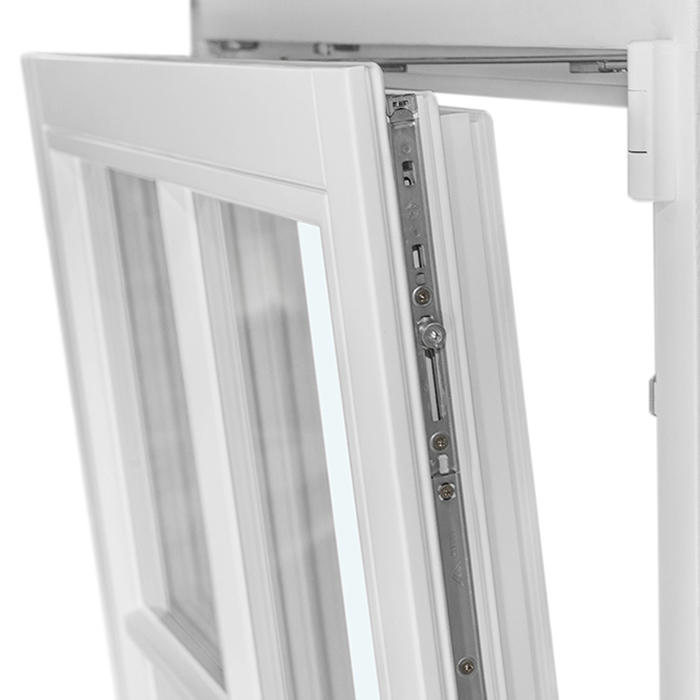
Break the fault down by component
Do not begin by asking whether the window is old or new; start with an inspection. Check every window in daylight, inside and out: where is the problem, when does it occur, and does weather or operation affect it? Record draughts, rattling, stiffness, visible cracks, peeling coatings, discolouration, moisture and condensation separately. A photo of the sash shut and open, plus one of the lower frame corners, is often more useful than a general fault description. Note whether every window on one façade is affected or just one. A single fault is more likely to have a local cause, while a repeated pattern may involve the material, installation or use.
Keep the different layers distinct. Glass may be damaged even though the frame and hardware work properly. A split seal can cause draughts without requiring the sash to be replaced. Conversely, a new handle will not correct a distorted frame or a leak at the wall junction. During an inspection, ask clearly: what is the demonstrated cause, which components will remain, and how can the success of the work be checked? Ask not only for a proposed measure but also for an explanation of causes that have been ruled out. This provides a sound basis for comparing a repair proposal with a replacement quote. For several windows, a simple condition matrix is useful: one row per unit, with columns for symptom, location, timing, operation and suspected cause. Add the recommended action only after inspection. This makes it clear whether the proposal fits each finding or has simply been applied to the whole façade.
Glass: isolated damage or part of a wider issue?
A visible crack, chipped edge or persistently unusual pane deserves separate assessment. Position and type matter: where damage is confined to the glazing, replacing the pane may be a repair option if the frame, rebate and fixing are suitable. Condensation on the room side can relate to indoor air and ventilation habits; moisture between panes, however, points to an issue within the glazing unit. These are indications, not a remote diagnosis. Record whether the effect appears in the morning, after showering, in cold weather or regardless of conditions. That gives the specialist useful information rather than simply saying that the window is cloudy.
Where several panes are affected, the decision should not automatically be made window by window. Consider whether the existing sashes will still be needed, whether uninterrupted glazed areas without opening are sufficient, and whether the frames work visually and functionally with the other windows. Where ventilation is not required, a fixed glazed window may be an alternative during project planning. That does not mean it will fit every existing opening. Confirm the opening dimensions, necessary ventilation, cleaning access and effect on daylight in advance. New glazing retains the existing construction; a new window unit offers different divisions and functions, but also changes the scope of junction work.
Assess the frame and junction separately
Surface scratches, small paint defects or locally weathered areas are different from soft, swollen, cracked or permanently damp frame sections. Pay particular attention to lower corners, the transition between sash and frame, and areas behind window boards or linings. Do not probe the frame with tools or conceal signs of damage before an assessment. The key question is depth: is only the visible layer affected, or has the damage reached stability and fixing? A permanently unstable frame is not a reliable basis for new seals, hardware or glazing. A specialist should then assess repairability specifically.
Moisture around a window does not necessarily mean the window itself is the cause. Water may come from a leaking exterior joint, the junction detail, a sill, the façade or indoor air. A repair that treats only the visible spot may conceal rather than prevent the next problem. Ask for a clear distinction between frame repair and work at the building junction. For replacement, measuring and junction planning belong together: the opening must be measured, masonry condition checked, and internal and external detailing coordinated. If a renovation changes the opening or may affect a building with special status, discuss the planning early with the relevant qualified professionals and your local council.
Seals and hardware: often repairable, but not without limits
If a window leaks air at one corner, the handle becomes stiff or the sash does not sit evenly, the seal, adjustment and hardware may be possible causes. Visual checks help: are seals brittle, broken, loose or flattened? Does the sash rub on the frame, does the gap change, or does operation catch only in one position? Such symptoms do not automatically mean replacement. For a fundamentally sound window, professional adjustment, repair or replacement of suitable wearing parts can be appropriate. Suitability depends on the system condition, availability of parts and the reason for misalignment. Do not accept a simple adjustment if the cause has not been identified.
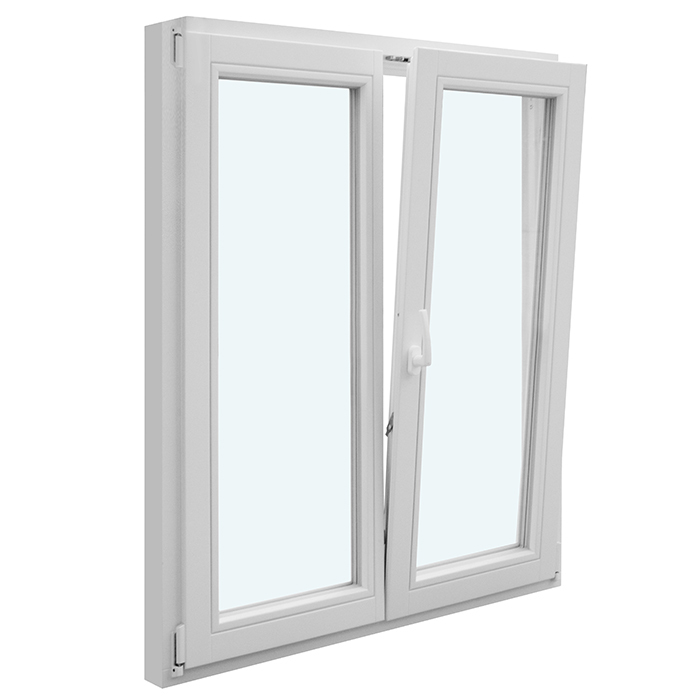
Even a successful hardware repair is not a substitute for an overall decision. Ask whether the sash will hold its position over time, whether every function can be operated safely and whether the frame remains sufficiently stable. If a different operation better suits daily life, a replacement window is also a planning choice. A single casement window opening inwards describes a different opening arrangement from an outward-opening unit, with consequences for available space and use in the room. Before making a change, measure not only the clear opening but also radiators, curtains, furniture, the window board and the outdoor area. This prevents a fault becoming a premature product change, or a product change becoming a newly discovered restriction on use.
Make a repair decision with clear boundaries
Repair is especially convincing where the fault is local, its cause is understood and the structural and adjoining components are unremarkable. It can preserve a suitable design and avoid disturbing the wall opening. Have the scope written down precisely: will the work clean, adjust, seal, replace a pane, repair a finish or overhaul hardware? The limit of the work matters just as much. What stays unchanged, which associated damage is not included, and what observation after completion would justify a further review? A specific scope makes quotes comparable and prevents different interventions being treated as identical simply because they are called repairs.
Repairing at any cost is not a strategy. Repeated water ingress, several connected areas of damage, lack of stability or sashes that are no longer practical to use can turn repair into a sequence of isolated actions. In that case, cost replacement as a complete alternative, including removal, disposal, changes to the opening and reinstatement of adjacent surfaces. Keep existing photos, measurements and findings even if you repair first. They allow later changes in condition to be tracked. For visually important windows, also establish whether partial repair, reproduction or a newly configured unit will best retain the desired appearance.
Plan replacement: do not simply reorder the old size
Replacement is an opportunity to reassess the window as part of the room. The nominal dimensions of the old frame are not enough for ordering. You need an accurate survey of the opening, information about wall construction and installation conditions, the required opening direction, number of sashes, handle side, desired divisions and any glazing bars. Record what should be retained: matching sightlines, the same window division, a heritage character or the calmest possible glass surface. Older buildings can have uneven openings; do not assume they can be squared up. The supplier should check the actual installation situation before a binding order. Create a short requirements sheet for each room. Include sill height, available swing space, desired ventilation function, cleaning route and visible divisions. Place it beside the survey record: one describes use, the other construction limits. Contradictions then emerge before approval and manufacture, rather than at installation.
For rooms with two operable sashes, a double casement window opening inwards can be a configuration option where this opening style suits the room layout. A product name does not establish suitability for your wall, existing junctions or particular performance values. Ask separately about the unit of measurement, outside frame size, clear opening, glazing division and hardware side. Also agree who is responsible for removal, protection of nearby finishes, junction work and making good. Full replacement may be more sensible than several local repairs, but needs more precise coordination so the new unit not only fits the opening but also suits the building functionally and visually.
Use determines opening style and division
A window’s condition may prompt the work, but future use determines the appropriate solution. In a kitchen, above a worktop or in a narrow hallway, handle access, cleaning and collision space need a different assessment from those in a living room. Ask who opens the window every day, how far the sash swings and whether outdoor areas, paths or plants must be considered. Large moving sashes create an opening but may take more space in the operating zone. Fixed glazing does not automatically maximise usefulness if regular ventilation or outside access is still needed. Draw the movement area on a floor plan and check it against furniture in its actual position.
Window division is also a functional choice. A narrow ventilation sash beside a fixed area can support a different daily routine from two equally sized sashes. For unusual façade shapes, do not force a rectangular standard solution. A triangular or sloping fixed-glazed window is a product category intended for angled or triangular openings; an exact survey establishes whether it suits a particular project. In a consultation, describe not only the shape but also views, the intended direction of light and cleaning access. That way, the choice between repair and replacement follows not only the defect but what the window should do in future.
Consider warmth, air and moisture as a system
Draughts, cold internal surfaces and condensation are often mentioned together, but do not necessarily have the same cause. Air may pass through a damaged seal, a leaky junction or a misaligned sash. Surface temperatures, by contrast, depend on the whole construction, glazing, frame and surroundings. Indoor condensation is also influenced by moisture sources, heating and ventilation. Avoid broad conclusions from one winter morning. Instead, keep a short record: room, weather, duration, exact location and whether the window was open or closed. Where moisture patterns recur, a professional cause analysis can identify which measures belong together.
Where replacement forms part of a wider renovation, window selection should be coordinated with the façade, insulation, ventilation strategy and heating situation. A Super Low Uw passive house window opening outwards names a window configuration, but does not replace project-specific planning or assessment of suitable junctions. Request comparable information for the relevant properties of the complete window, not just one component. Discuss how changed airtightness will affect everyday use and how the rooms are occupied. Before work is commissioned, technical requirements, possible assistance and project-specific evidence should be checked with the relevant qualified professionals and official bodies. For New Zealand work, confirm the applicable Building Code pathway and council requirements for the particular project; this guide does not provide funding or consent advice.
Look more closely at roof, curved and historic views
Special forms need more careful consideration because repair and replacement can affect design and junctions more substantially. With roof windows, the roof surface, internal reveal and access matter alongside the glass, seal and operation. A pivot roof window describes a pivot-window option for new planning; it does not mean every existing roof window can be replaced without alterations. Record the existing installation position, operating height, shading, internal lining and signs of moisture around the opening. Where damage is local, targeted repair may limit the intervention. Where there are several problems, have the interface between window and roof professionally assessed as well.
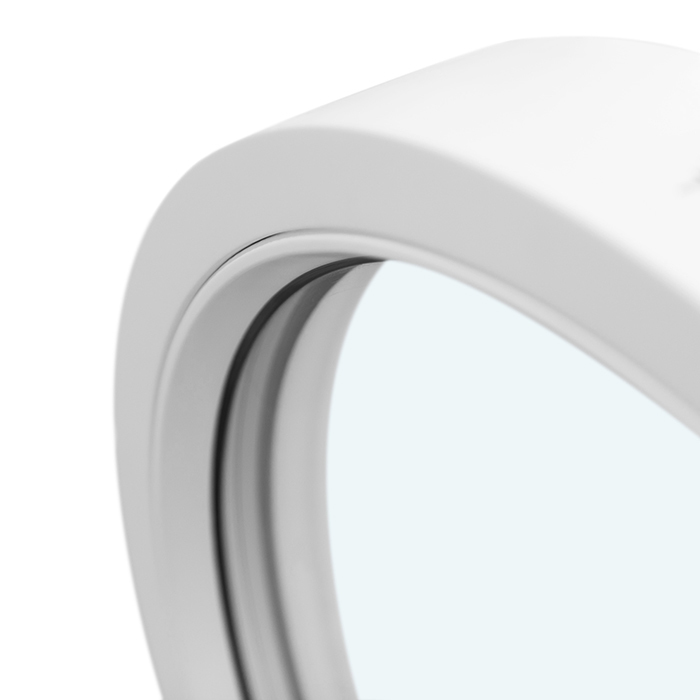
Round and other fixed-glazed forms are no more mere decoration than a standard window. A round fixed-glazed window can be considered for a circular opening, but dimensions, wall junction, glass geometry and interior finishing need project-specific assessment. For historic elevations, first document existing profiles, divisions and glazing bars accurately. Use glazing bar for decorative elements and true glazing bar for divisions that actually separate the glazing. This prevents misunderstandings in a quote. Before changes, check with the relevant authorities and professionals whether particular requirements apply to the building or its surroundings. Without that review, neither retention nor replacement should be decided on appearance alone.
Compare quotes, process and guarantee carefully
Do not compare quotes by one total alone; compare the scope described. For a repair, the cause, components treated, materials, access and possible follow-up work should be clear. For replacement, clarify quantity, dimensions, opening direction, divisions, removal of old units, installation, junction details, sealing, trims and reinstatement of surrounding finishes. Ask which on-site measurements are binding, when the configuration is approved and who decides on deviations in the opening. A photo-based quote can offer initial guidance, but it does not replace a reliable survey. Check every detail before ordering, especially where several windows have similar but not identical dimensions.
Coordinate timing with façade repairs, interior plastering, painting or flooring so junctions are not opened twice. Protect furniture and ensure access to every window. Bloomcabin windows and doors carry a 5-year manufacturer guarantee, subject to its terms and separate from applicable consumer remedies. Delivery takes 4–6 weeks, subject to order confirmation. For large openings outdoors, a Patio Life lift-and-slide door can be considered as an alternative door configuration in a new plan; it is not an automatic replacement for a damaged window. Before sign-off, check operation, sash position, visible finishes and agreed construction details together, and record any deviations in writing.
Frequently asked questions
Can a misted window always be repaired?
No. First establish where the moisture is and when it occurs. Condensation on the room side, moisture between panes and wetness at the frame junction have different possible causes. A specialist can determine whether limited glazing work is enough or whether the frame, junction or indoor climate must also be considered.
How can I tell whether only the seal is faulty?
Brittle, loose or visibly broken seals are an indication. However, draughts may also come from sash misalignment, hardware or the wall junction. Check the exact point with the window closed, and have the cause and proposed work documented separately. This helps ensure a seal is not replaced for a different problem.
Must all windows be renewed at the same time?
Not necessarily. Individual windows can make sense where condition, design, dimensions and junction work are coordinated properly. Where there are several similar faults, joint planning can simplify surveying, design and the building sequence. Decide from the condition of each unit and the overall work, not solely from the age of one window.
What information is useful for an initial replacement discussion?
Helpful details include photos inside and out, approximate opening dimensions, the number and position of sashes, required opening direction, and notes on damage and room use. Add information about the window board, shutters, reveals and adjacent work. Binding dimensions and suitability of the configuration must then be checked on site.
Is a new window automatically the better solution for moisture?
No. Moisture may come from indoor air, a leaking joint, the façade, a roof junction or the window itself. A new unit without an identified cause can shift the problem elsewhere. Where moisture recurs, investigate the window, junction and adjoining building elements together before commissioning repair or replacement.
Next step
The right decision follows a clear diagnosis, not the age of the window or one symptom. Repair is a serious option where damage is limited and the frame, glazing, hardware and junction can continue to work together durably. Replacement makes sense where the fabric, use or overall plan supports it. Document the findings and measurements, compare scopes rather than catchwords, and settle the opening style, divisions and junctions before ordering. With several windows, coordinated planning is worthwhile even if every unit does not need the same measure. This turns an urgent fault into a reasoned decision that remains suitable over the long term.
