
Replacing an Old Shed: What to Rethink Before Buying a Garden Shed
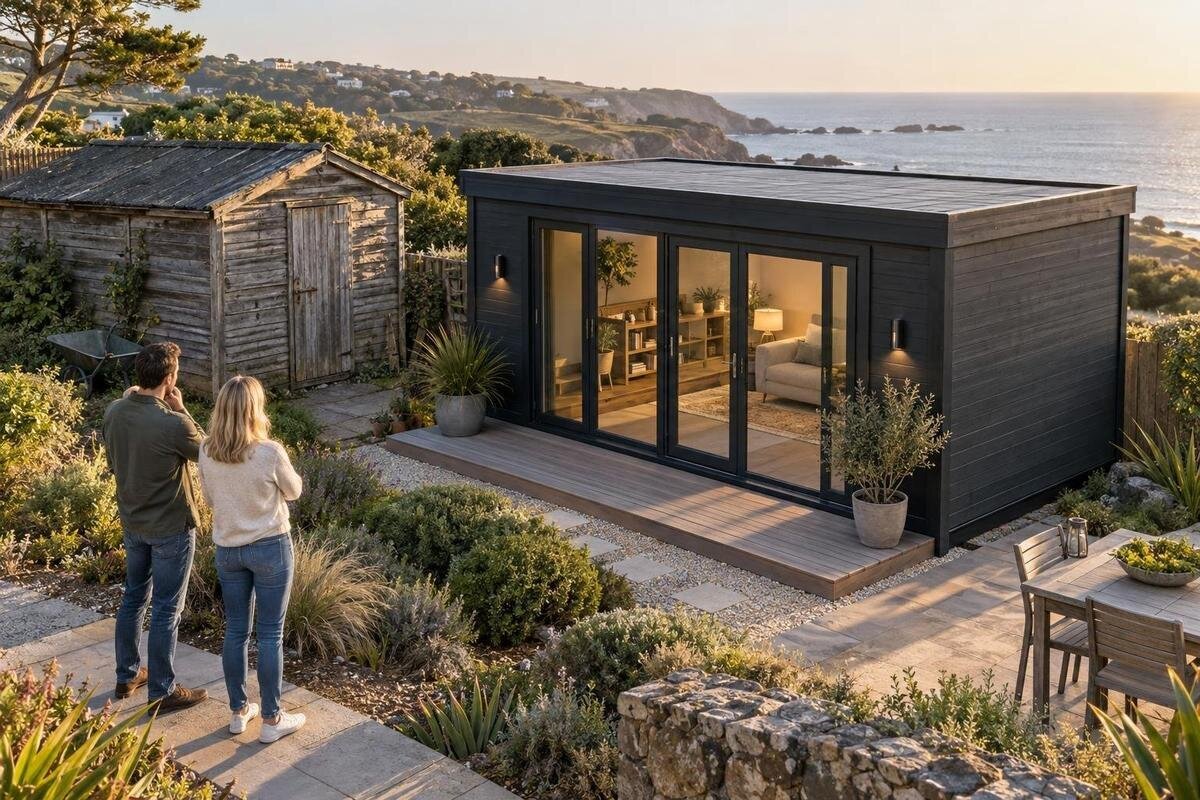
Garden shed buying guide
Replacing an old shed is a chance to reassess, not simply reproduce its footprint. If you’re buying a garden shed to replace an old shed, begin by checking whether today’s contents, access needs and garden layout still match the old arrangement. Record what worked, what caused frustration and what the site can actually accommodate. That gives you a practical basis for comparing options without carrying yesterday’s compromises into the next purchase.
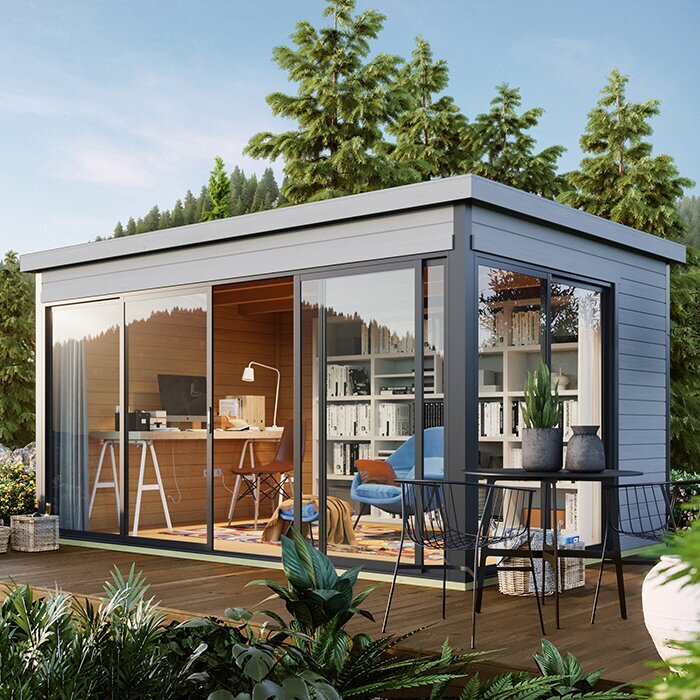
Identify what worked and what needs changing
Treat the old shed as evidence about how you use the space, not as a template to copy. Write down what worked—perhaps it sat close to the garden beds or kept frequently used tools within easy reach—and what became frustrating. Which items were difficult to retrieve? Did a mower or wheelbarrow need awkward manoeuvring? Was the doorway blocked when something was stored inside? Note what stayed outside, what was hard to reach, and whether the problem happened all year or only in a busy season. These observations turn “too small” or “in the wrong place” into a clearer brief. If several people use the shed, note whose task is affected and how often; an occasional inconvenience may not justify a bigger replacement, but a daily bottleneck deserves attention.
Then separate a storage problem from a site or condition problem. Crowding may call for a different internal arrangement rather than a larger footprint; recurring water pooling nearby or movement in the base may need professional assessment before you select a replacement. Do not assume a bigger shed will correct an issue caused by its position or the ground. Keep one list of changes that matter and another of features that would merely be nice. A candidate such as the Verdana 1 garden shed belongs on the shortlist only if its confirmed layout and dimensions answer a recorded need. Its name or appearance alone cannot show whether it fits.
Inventory what the replacement must hold
Emptying the old shed gives you a chance to take a proper inventory. Group items by use—hand tools, larger equipment, pots and supplies, or seasonal gear—and count what you genuinely intend to keep. Measure the largest and most awkward objects, including handles, wheels or parts that project out, because the tightest fit can determine the opening and storage arrangement. Note which objects need to be used together and which can be packed away for months. If something is broken or rarely used, decide whether it belongs in the replacement before allowing it to set the building’s size. Photographs of a crowded shelf or corner can help you remember the volume involved.
Do not treat the old shed’s estimated floor area as a measure of useful capacity: a narrow layout, a door in the wrong position or bulky items can waste otherwise available room. On a candidate page such as the Verdana 2 garden shed, compare the published internal measurements and opening position, where supplied, with your inventory. Allow room to lift items out or wheel them past one another; tightly packed storage may increase nominal capacity while making everyday access harder. If you plan to add equipment later, name it and check its actual size rather than adding an undefined future allowance.
Measure the site, footprint and interior space
Measure the replacement site independently of the existing shed. Record the old building’s external length and width, then take measurements across the ground where a new one might stand; an old footprint does not prove that the same area remains available. If the site narrows, slopes or has an irregular edge, note the limits at more than one point rather than relying on a single measurement. Mark paths, garden beds, fences and other features that affect placement. Include the room needed to approach the building, open its doors and carry out assembly or upkeep, following the candidate’s instructions rather than assuming one clearance suits every design.
Compare the available area with the seller’s confirmed external dimensions and base footprint, not only a headline size. External measurements, internal clear floor area and any projections are different things; use the stated definitions or ask which points have been measured. If a plan is provided, use it to check both the structure’s boundary and its openings. The Durano garden shed is one listing to assess in this way, not evidence that any particular size will suit your site. Recheck each dimension from fixed reference points and note where it was taken; a rough estimate can hide a tight fit when you compare it with a product page.
Reassess the location and ground conditions
Do not automatically choose the old location just because it is already clear. Look at the route you use to reach the shed, the way rainwater moves across the area, nearby planting and trees, and whether paths or garden beds have changed. A spot that looks open in a photo may be difficult to reach with bulky equipment or affected by overhanging growth later. Think about access throughout the year and whether the new position leaves enough usable garden space; the best choice is the one that works with the property as it is now, not the layout from when the old shed was installed. If water pools nearby, record when and where rather than trying to diagnose the cause from appearance alone.
Check what the new building requires at ground level before treating an existing base as reusable. Its condition, dimensions and relationship to the candidate’s stated base requirements all matter; a base that served an older shed may not suit a different one. If the surface is uneven, soft or damaged, ask an appropriate building professional to assess it instead of guessing at a remedy. Compare a potential choice such as the Veltor 1 garden shed only after you know what space is feasible. If you are unsure about local site constraints or approvals, check with the local council or a suitably qualified local professional.
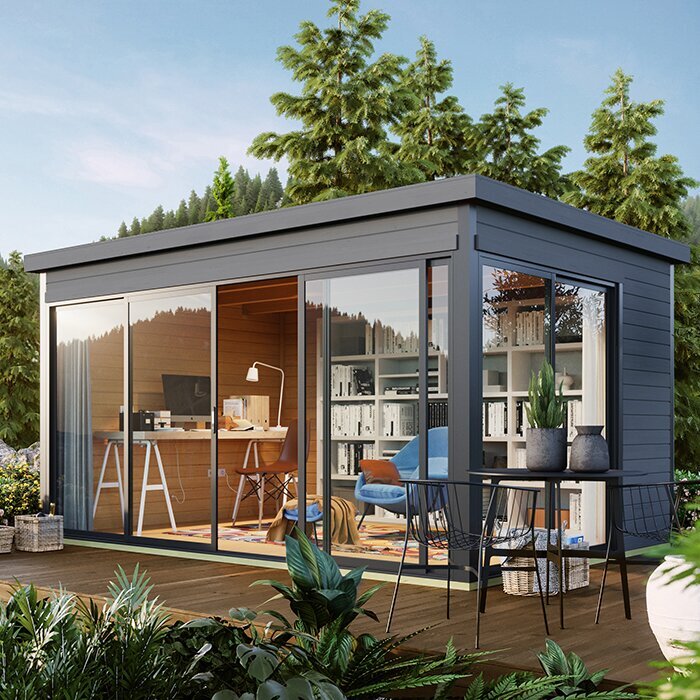
Check delivery access and door clearance
Map the route from the point where a delivery can be unloaded to the new shed site, as well as the finished footprint. Measure narrow gates, passageways and turns, and note steps, level changes, overhead branches or fixed obstacles. A building may fit in the garden but still be difficult to bring through an accessway, particularly if components arrive in long or bulky packages. Ask the supplier what delivery format and unloading arrangements apply to the exact product, and check the route against that information before placing the order. Do not assume a delivery vehicle can reach the shed itself. If you expect to assemble it on site, clarify how components can be carried to the work area and where they may be placed temporarily.
Door access needs its own check. Measure the widest item you expect to move in and out and compare it with the stated clear opening, not just the outside dimensions. Leave enough room for the door to operate without meeting a fence, tree or stored equipment, and make sure its position does not block the path you need inside. Use the Orello 1 garden shed as a listing to test against those measurements, but confirm its exact opening size, door arrangement and supplied configuration in the product details. Do not assume these from a picture or model name; ask if the information is not explicit. A small access mismatch can make an otherwise adequate replacement awkward every time you use it.
Plan the interior around the items you keep
Plan the interior around your inventory rather than buying by floor area alone. Sketch the biggest items to scale if possible, then mark a clear route from the doorway to anything that must be reached often. Long-handled tools may need a wall zone; wheeled equipment needs space to turn; small containers can fit on shelves only if their position does not block larger items. Decide which contents should remain easy to reach and which can go higher or further back. This quick layout check can reveal whether you need more usable width, a different door position or simply a better way to arrange what you already own. Keep the sketch simple: it is a test of fit, not a detailed building plan.
Check what the quoted configuration actually includes before planning around it. The product page or instructions should clarify whether a floor, shelves, fixings or other accessories are supplied or optional, and what restrictions apply to adding storage. Do not assume that a photograph shows standard contents or that every wall can take a fitting. A candidate such as the Modano 1 garden shed should be compared using its documented interior measurements and included components; ask the seller to clarify gaps before you count an accessory or fixing method as part of the solution. That helps prevent a tidy drawing from depending on something you will not receive.
Compare stated materials and care requirements
Construction and ongoing care deserve a closer look when the replacement may stay in place for years. Compare the materials and surface finish actually stated for each option, the care instructions, and any limits on where or how it should be used. Broad descriptions or a model name are not a substitute for details about what each component is made from or what treatment is included. If the maintenance instructions are missing, unclear or refer to a separate manual, obtain them before you decide; otherwise, you cannot judge whether the upkeep suits your time and access to the site. Distinguish a one-off preparation task from work the maker expects you to repeat.
Make a realistic maintenance plan for the location: can you reach the outside surfaces to inspect or care for them, and are any products, finishes or replacement parts separately specified? Follow the maker’s instructions rather than assuming all garden sheds need the same treatment. The Timber Garden Shed M listing is a product identity, not proof of its full construction or upkeep requirements; use the details for the exact model and configuration. Compare those documented requirements with another candidate on equal terms, including whether the care work is practical for you. If information is absent, mark it as unconfirmed instead of filling the gap from the name.
Plan removal before the new shed arrives
Plan removal before choosing a delivery date. Decide what will happen to the contents, whether they can be stored elsewhere and who will handle the old building’s removal. Keep the new shed’s intended position and route clear, but do not dismantle early if you still need secure storage or if the replacement site has not been confirmed. If the old structure has unidentified or damaged materials, avoid cutting, breaking or disturbing them until a suitably qualified professional has assessed them. The same caution applies if any work could affect services or other hidden features near the site. A removal contractor can advise what access they need and what will remain your responsibility.
Once the old shed is gone, the exposed base or ground may differ from what you expected. Recheck its condition and dimensions before treating it as suitable for the replacement; seek a building professional’s assessment if the surface or support is uncertain. Before ordering, ask the supplier what the buyer must prepare, whether assembly is included or available, where the delivery is left and what happens to packaging. Confirm the sequence with any contractor involved. If local requirements may apply to removal or a new structure, ask the council or a qualified local professional rather than relying on assumptions. Keep the answers with the exact product option, as arrangements may vary between listings.
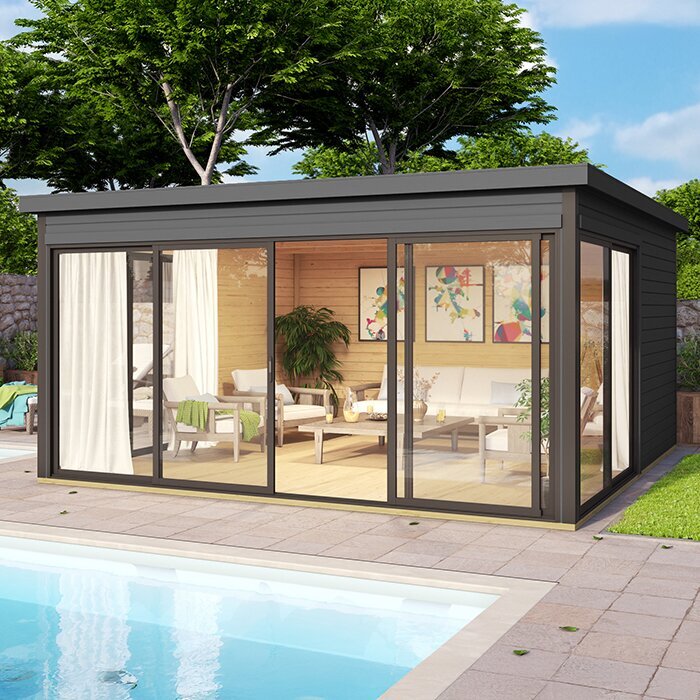
Verify the exact model and ordering details
Compare the actual specification for the exact model and variant, not just its name, summary or product photograph. Record the dimensions, the measurement definitions, the door and window positions, the base requirements and the components included. Check whether accessories shown or mentioned are part of the standard supply or need to be selected separately. If the listing uses options, make sure the measurements and included items apply to the option you intend to order. Where a crucial figure or inclusion is missing, ask for clarification in writing; a guess made at checkout can lead to an avoidable mismatch. Keep the reply with your comparison notes.
Ordering logistics are part of the fit. Confirm the delivery area, access and unloading arrangements for your address, any preparation expected from you, and whether assembly is included, optional or arranged separately. Ask how to report a damaged or incomplete delivery and read the supplier’s current terms for changes or cancellation before committing; do not assume that one seller’s policy applies to another. For the Wooden Garden Shed S listing, as for any candidate, verify the precise variant and each practical detail on the current page or with the supplier. Save the order confirmation so it matches the product you checked.
Compare candidates against a written brief
Put your findings in one comparison table or written brief. For each option, record the available footprint, confirmed internal space, door access, storage layout, site and base fit, care requirements, included components, and delivery or assembly arrangements. Mark each item as confirmed, unsuitable or still unknown. This makes differences visible without relying on a product image or a broad label such as compact or spacious. Give each criterion a priority: a must-have protects function, while a preference is something you can trade away if the core requirements are met. Use the same measurements and questions for every candidate so you are not comparing a complete specification with a headline claim.
If none of the candidates passes the must-haves, revisit the brief instead of ordering a near fit. You might decide that some contents no longer need storage, test a different feasible location, or look for another layout; each change should solve a stated problem rather than simply add size. Keep what genuinely worked about the old shed, but do not let its footprint, door position or past arrangement dictate the replacement automatically. A good choice accommodates the items you intend to keep, fits the verified site and can be delivered and set up as planned. Resolve any uncertainty about a critical requirement before making the purchase decision.
Frequently asked questions
Should I buy the same size as my old shed?
Not automatically. Match the old outside dimensions only if the footprint still suits the site and the interior meets your current storage and access needs. Check the replacement’s internal area, opening position and base requirements separately; these can matter as much as its nominal size. A like-for-like replacement makes sense only after those checks.
How do I choose the right size for a replacement shed?
List what you intend to store, measure the largest items and leave a clear route to retrieve them. Compare these needs with confirmed internal measurements and door openings, then check separately that the outside footprint fits the site. Allow for future capacity only if you have a definite plan to store specific equipment.
Can I reuse the old shed’s base?
Do not assume so. The old base may differ in size, condition or requirements from those of the new shed. Compare its measurements with the exact product information, and ask a suitably qualified building professional to assess any damage, movement or uncertainty about its suitability. Matching dimensions alone are not proof that it can be reused.
What should I do before removing the old shed?
Empty it and decide where its contents will go while the work is underway. Plan removal and delivery access, and confirm who is responsible for each. If materials are unidentified or damaged, avoid disturbing them until a qualified professional has assessed them. If you are unsure whether local requirements apply, check with the council or a qualified local professional.
What should I confirm with the seller before ordering?
Confirm the exact model and variant, external and internal measurements, door opening and position, base requirements, and what is included or optional. Ask about delivery access, unloading, preparation and assembly arrangements, then read the current terms for changes or delivery issues. Get missing information in writing before placing the order.
Replacing a shed works best when the purchase reflects today’s garden and storage habits, not just the shape of the old building. Inventory the contents, measure the site and route, decide what must change, then compare options using confirmed dimensions, inclusions and set-up details. Keep a candidate off the shortlist if a critical fit or responsibility remains uncertain. The aim is not automatically a larger or newer version: it is a garden shed that resolves the old frustrations and fits the property as it is now.
